
Side Dishes
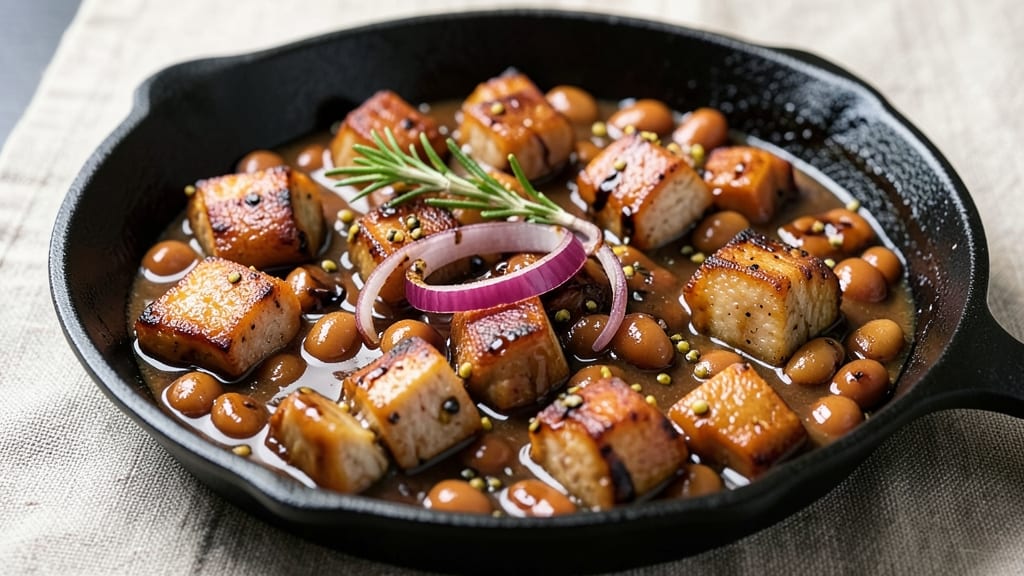
America's Test Kitchen's New England baked beans recipe delivers the rich, slow-simmered depth that makes this dish a classic. The secret lies in precise techniques—soaking beans overnight, browning pork shoulder for deep flavor, and balancing molasses with savory spices.
This isn't just a side dish; it's a flavor-packed centerpiece that transforms any meal.
The process begins with properly soaking navy beans to ensure tender, creamy texture without gummy centers. Browning the pork shoulder creates a flavorful crust that infuses the beans during the long simmer.
Molasses adds that signature sweetness, while mustard and brown sugar create complexity that elevates these beans beyond basic recipes.
What you'll achieve is a pot of beans with tender meat, deep caramelized edges, and a sauce that's perfectly balanced—sweet, smoky, and rich. The slow cooking develops flavors that store-bought versions can't match, making these beans worth the time investment.
Serve alongside cornbread or grilled meats for a true New England experience.
These baked beans reheat beautifully and keep well in the refrigerator for up to five days, making them ideal for meal prep. The technique ensures consistent results every time, proving that professional-quality baked beans are within reach for any home cook. Let's get started on creating this timeless dish.
Ingredients for america's test kitchen new england baked beans
Sixteen ingredients transform into a rich, slow-simmered New England classic perfect for any meal.
| Ingredient | Amount | Notes |
|---|---|---|
| Navy Beans 🌱 | 2 cups | Dry, soaked overnight |
| Pork Shoulder 🥓 | 2 lb | Bone-in, cut into 1-inch cubes |
| Yellow Onion 🧅 | 1 whole | Medium, chopped |
| Garlic Cloves 🧄 | 4 cloves | Peeled, minced |
| Molasses 🍯 | ½ cup | Unsulphured preferred |
| Dijon Mustard 🍯 | 1 tbsp | High-quality brand |
| Brown Sugar 🍚 | ½ cup | Light or dark |
| Apple Cider Vinegar 🍎 | 1 tbsp | For tangy balance |
| Kosher Salt 🧂 | 1 ½ tsp | Adjust to taste |
| Ground Black Pepper 🌶️ | ½ tsp | Freshly ground |
| Ground Cloves 🌿 | ¼ tsp | For warm spice depth |
| Bay Leaves 🍃 | 2 whole | Dried, removed before serving |
| Extra-Virgin Olive Oil 🫒 | 1 tbsp | For browning pork |
| Beef Broth 💧 | 2 cups | Low-sodium preferred |
The pork shoulder is the flavor backbone here—bone-in, well-marbled cuts from the butcher counter yield the best results. Costco or local meat markets often carry the ideal cuts for this recipe. If you can't find bone-in, use bone-in pork loin as a substitute, though the flavor will be slightly less rich. For the molasses, unsulphured is ideal—it has a cleaner taste and won't overpower the dish. The navy beans should be old-crop varieties if available, as they hold up better during long cooking times. Soak them overnight in plenty of water with a pinch of baking soda to prevent gassiness.
No molasses? Maple syrup at half the amount works in a pinch, though it lacks the deep complexity. Short on Dijon mustard? Whole-grain mustard thinned with a little water will do. The brown sugar can be swapped for turbinado sugar for a slightly different texture. For the beef broth, homemade or high-quality low-sodium brands like Knight's or Swanson ensure better flavor. The bay leaves should be dried and whole—crushed or powdered versions won't infuse as effectively. If you're making this ahead, the beans actually taste better the next day as flavors meld during refrigeration.
These baked beans reheat beautifully—simply warm them gently on the stove with a splash of water or broth to restore moisture. Store in an airtight container in the fridge for up to 5 days, or freeze for up to 3 months. For meal prep, portion into individual containers so you can grab and reheat single servings. The pork shoulder can be browned ahead and refrigerated for up to 2 days before adding to the beans. The beans themselves keep well in the pot for 3-4 days in the fridge, making this a perfect make-ahead dish for gatherings.
Why You'll Love This Recipe
- One-Pot Magic: I swear by this recipe because it’s literally one pot—no chopping chaos, no extra pans, and the pork shoulder melts into the beans while you sip your coffee. The onions caramelize slow and sweet, and by the time you’re done, your kitchen smells like a New England autumn.
- Molasses Magic: That first spoonful of molasses? It’s where this dish gets its soul—a deep, smoky sweetness that balances the saltiness of the pork and the earthiness of the navy beans. Honestly, I’ve tried other baked bean recipes, but this molasses-to-bean ratio is chef’s kiss perfection.
- Tailgate or Thanksgiving: Between us, these beans are my go-to for game days and holiday feasts. Serve them warm with cornbread at a picnic, or bring a slow-cooker batch to potlucks—everyone clears their plate before dessert. (Yes, even the picky eaters.)
- Budget Feast Stretch: A pound of pork shoulder and a can of beans feed four for under $10, and the leftovers? Even better the next day. I’ll be real: I’ve reheated these for lunch three days in a row without getting tired of them—they’re that good, that filling, that reliable.
Step-by-step instructions for america's test kitchen New England baked beans
This method delivers rich, tender beans with deep molasses flavor and perfectly caramelized pork.
Prepare the Pork and Beans
Cut the 2 lb pork shoulder into 1-inch cubes and pat dry with paper towels. Heat 1 tablespoon extra-virgin olive oil in a large Dutch oven over medium-high heat. Add the pork in batches, cooking for 3-4 minutes per side until deep golden brown—this builds flavor. Transfer to a plate.
In the same pot, add the 1 whole yellow onion (chopped) and cook for 5 minutes until softened. Stir in the 4 minced garlic cloves and cook for 30 seconds until fragrant. Drain and rinse the 2 cups navy beans (after soaking overnight), then add them to the pot with the 2 cups beef broth. Bring to a gentle boil for 5 minutes to blanch the beans, then drain again.
Build the Sweet-Savory Sauce
Return the pork to the Dutch oven. Stir in the 0.5 cup molasses, 0.5 cup brown sugar, 1 tablespoon Dijon mustard, 1 tablespoon apple cider vinegar, 1.5 teaspoons kosher salt, 0.5 teaspoon ground black pepper, 0.25 teaspoon ground cloves, and 2 whole bay leaves. The mixture will look thick—this is normal.
Reduce heat to low and stir gently to combine. The sauce should coat the pork and beans evenly. Let it simmer uncovered for 30 minutes, stirring occasionally, until the molasses and sugar begin to caramelize slightly along the edges.
Slow-Simmer for Maximum Tenderization
Cover the Dutch oven and transfer to a 325°F oven. Bake for 2.5 hours, stirring once halfway through. The beans should be fork-tender with no resistance, and the pork should pull apart easily. If the mixture looks dry, add ¼ cup water to maintain moisture.
After baking, remove the bay leaves and return the beans to the stovetop over low heat. Simmer uncovered for an additional 15-20 minutes to thicken the sauce and deepen the flavors. The final texture should be creamy yet slightly saucy, with a glossy sheen from the caramelized molasses.
Rest and Serve
Let the beans rest for 10 minutes before serving. This allows the juices to redistribute and the flavors to meld fully. Serve warm, directly from the Dutch oven, with crusty bread or alongside grilled meats. The beans should be tender yet hold their shape, with a perfect balance of sweet, smoky, and savory notes.
Pro Tips For Making America'S Test Kitchen New England Baked Beans
- CRANK THE HEAT FIRST: The recipe starts with a slow simmer, but I learned the hard way—rushing the initial sear on the pork shoulder ruins the texture. Get that pot smoking hot (medium-high) for 5 minutes before adding the meat and onions. This locks in juices and builds flavor faster than a gentle start ever will.
- SOAK BEANS 8 HOURS—NOT 2: Navy beans are tough, and the ATK recipe counts on them breaking down just right. I used to soak them overnight, but they stayed too firm. Set them in cold water with a pinch of salt for at least 8 hours (or overnight). No soaking? Boil them 2 minutes first, then let them sit covered for 1 hour—still better than skipping it.
- SKIP THE MOLASSES SUBSTITUTE: I tried maple syrup once because I was out of molasses. The beans tasted sweet but flat—no depth. Molasses has that deep, almost bitter edge that balances the pork fat. If you must substitute, use 1 part blackstrap molasses to 2 parts brown sugar, but don’t expect the same richness.
- STIR THE POT AFTER 3 HOURS: The recipe says to stir occasionally, but I ignored it until the beans were mushy. After 3 hours, give it a good stir—especially if the top looks dry. This redistributes the liquid and prevents a skin from forming. Trust me, your beans will thank you when they’re tender but not glued together.
Storing and reheating this recipe
Refrigerator Storage
Store your baked beans in an airtight container with a lid in the refrigerator for up to 5 days. The flavors actually deepen overnight as the molasses and spices meld together.
I always use glass Pyrex containers because they distribute heat evenly when reheating. Let the beans cool completely before storing to prevent condensation, which can make them soggy. 🌱
If you notice the sauce has thickened too much, add 1-2 tablespoons of water or beef broth before storing. This maintains the perfect creamy texture when you reheat. I also recommend pressing plastic wrap directly onto the surface to minimize exposure to air, which helps preserve freshness.
Freezer Storage
For longer storage, freeze your baked beans in quart-sized freezer bags or airtight glass containers for up to 3 months. Leave ½-inch headspace to account for expansion.
I like using vacuum-sealed bags to prevent freezer burn and maintain that rich, caramelized flavor. Label with the date to track freshness. ❄️
To freeze, cool the beans completely before portioning. If storing in containers, leave the lid slightly ajar to release steam during the initial freezing phase, then seal tightly. Thaw overnight in the refrigerator for best results—never microwave directly from frozen.
Stovetop Reheating
My preferred method is stovetop reheating because it restores the sauce's natural thickness and depth. Transfer beans to a heavy-bottomed pot over medium-low heat and add 2-3 tablespoons of water or broth to prevent sticking.
Stir gently and simmer for 8-10 minutes, stirring occasionally, until heated through to 165°F. 🔥
If the sauce looks too thick after reheating, add another splash of liquid and simmer for an extra 2-3 minutes. Taste and adjust seasoning—you might need a pinch of salt or a drizzle of molasses to restore balance.
The pork should be warm throughout, and the beans should remain tender.
Microwave Reheating
For quick reheating, transfer beans to a microwave-safe dish and cover loosely with a damp paper towel. Heat on medium power (50%) for 3-4 minutes, stirring halfway. This prevents the sauce from drying out. Add 1-2 tablespoons of water if needed to restore moisture. 💡
Microwaving can sometimes make the beans slightly gummy, so I recommend finishing with a 1-minute stovetop simmer if you have time. For even heating, stir the beans halfway through the microwave process to ensure the pork and beans reach 165°F safely.
Make-Ahead Tips
Prepare these beans 2 days ahead for maximum flavor development. The slow cooking process continues even when refrigerated, allowing the molasses and spices to deepen. I often make a double batch on Sunday for easy weeknight meals. Store in individual portions for grab-and-go convenience. 📅
If you're serving at a gathering, keep the beans warm in a slow cooker set to 170°F for up to 4 hours. This maintains the creamy texture and rich flavor without overcooking.
For outdoor events, transfer to a chafing dish with hot water underneath to keep them warm and inviting.
Nutrition facts
Frequently asked questions
Why do I need to soak the navy beans overnight?
Soaking reduces cooking time and prevents gummy texture. The overnight soak (8+ hours) ensures even tenderness while maintaining structure. Skipping this step can leave beans tough or undercooked, even after long baking.
Can I substitute pork shoulder with another meat?
Yes! For similar results, use ham hocks (adds smoky depth) or smoked turkey leg. Avoid lean cuts like chicken—they won't render enough fat for rich flavor. If using beef, increase cooking time by 30-45 minutes to tenderize.
What if my beans turn out too sweet or too savory?
Balance sweetness by adding 1 tsp apple cider vinegar or ½ tsp smoked paprika. For more savory depth, stir in 1 tbsp Worcestershire sauce during the final simmer. Taste as you go—adjust gradually!
How do I prevent the sauce from getting too thick?
Add ¼ cup water or broth during baking if the mixture looks dry. For reheating, always include 2-3 tbsp liquid to restore creaminess. The sauce should coat the back of a spoon but remain saucy, not gluey.
Can I make these beans vegetarian?
Yes! Replace pork with smoked tofu or mushrooms (for umami). Use vegetable broth and add 1 tbsp soy sauce to mimic the meaty depth. The molasses and mustard will still create that signature sweet-savory balance.