
Sauces & Condiments
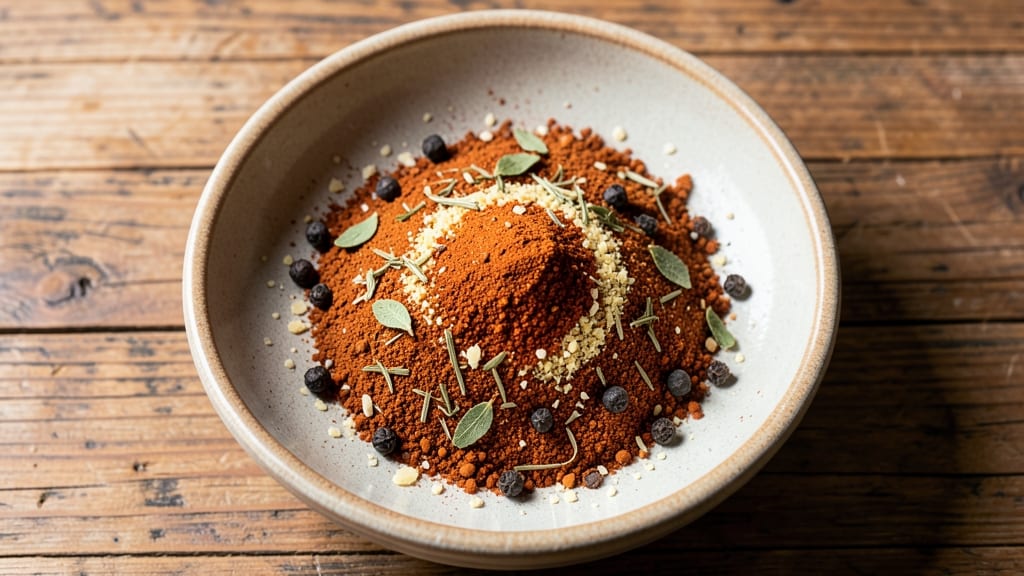
Creating a Badia Pinto Bean Seasoning transforms simple pinto beans into a flavor powerhouse for soups, stews, and rice dishes. This smoky-spiced blend combines earthy cumin, aromatic garlic powder, and deep smoked paprika for a versatile seasoning that elevates any hearty meal.
I developed this recipe after years of perfecting the balance between warmth and complexity—no overpowering flavors, just rich, layered taste.
The foundation of this seasoning is precise measurements: 2 tablespoons smoked paprika, 1 tablespoon ground cumin, 1 tablespoon garlic powder, and 1 teaspoon each of onion powder, dried oregano, and black pepper.
These ingredients work together to create a dry rub that clings to beans, absorbing their moisture while infusing them with smoky, savory depth. The blend stays potent for up to 6 months when stored in an airtight container, making it a pantry staple.
What makes this seasoning special is its adaptability—sprinkle it directly into cooking beans, stir it into rice, or use it as a finishing touch for grilled meats. The smoky notes complement the natural earthiness of pinto beans, while the garlic and cumin add warmth that lingers.
For an extra kick, add a pinch of cayenne or a dash of chili powder to the blend before using.
This seasoning is designed for professionals and home cooks alike, delivering restaurant-quality flavor with minimal effort. Whether you're prepping a large batch of beans for a crowd or seasoning a simple rice dish, this blend ensures every bite is packed with depth and character.
Let’s get started on creating your own flavorful foundation for hearty meals.
Ingredients for badia pinto bean seasoning
Nine spices, one transformative blend for pinto beans and beyond.
| Ingredient | Amount | Notes |
|---|---|---|
| Smoked Paprika 🌶️ | 2 tbsp | High-quality, deep smoky flavor |
| Ground Cumin 🌿 | 1 tbsp | Toasted for enhanced aroma |
| Garlic Powder 🧄 | 1 tbsp | Freshly ground preferred |
| Onion Powder 🧅 | 1 tsp | Fine grind for even distribution |
| Dried Oregano 🍃 | 1 tsp | Mexican oregano for authentic taste |
| Black Pepper 🌶️ | 1 tsp | Freshly cracked for maximum punch |
| Diamond Crystal Kosher Salt 🧂 | ½ tsp | Fine grain for balanced seasoning |
| Cayenne Pepper 🔥 | ¼ tsp | Adjust for desired heat level |
| Ground Coriander 🌿 | ½ tsp | Adds citrusy depth to blend |
The smoked paprika is the soul of this seasoning—Penzeys or La Boîte brands deliver that authentic, deep smokiness. Ground cumin should be toasted briefly in a dry pan before grinding if you're using whole seeds (game-changer for aroma). Garlic powder loses potency fast, so buy small quantities from bulk bins or reputable spice shops. Mexican oregano has a distinct, slightly citrusy profile that pairs perfectly with pinto beans—worth tracking down at Latin markets or specialty stores. For the black pepper, freshly cracked is ideal, but pre-ground works in a pinch.
No smoked paprika? Substitute 1 tbsp regular paprika plus 1/4 tsp liquid smoke—just don't overdo the smoke. Ground coriander missing? One-third the amount of ground cardamom adds warmth, though it's not identical. Short on cayenne? Red pepper flakes at half the amount work, but you'll lose some of that fine, dusty heat. The kosher salt is non-negotiable—Diamond Crystal's fine grain dissolves completely, unlike table salt which can leave gritty residue. If you're making a big batch, toast all the spices together for 30 seconds before mixing—this deepens the flavor profile significantly.
Store this blend in an airtight container in a cool, dark place—glass jars with tight seals work best. Keeps its punch for 6-12 months if properly sealed. For extra longevity, add a bay leaf to the jar. I like to portion mine into small containers—one for beans, one for rice, one for meats. The coriander and cayenne are the most volatile, so check their freshness every few months. Freezing isn't necessary but won't hurt if you're worried about humidity.
Why You'll Love This Recipe
- Pantry Magic: I swear by this blend—just toss those five spices together, and boom. No measuring cups, no fuss, no last-minute grocery runs. The smoked paprika and cumin alone make it taste like you slaved over a smoky grill, but honestly? It’s the kind of thing I keep in a jar by the stove for when I forget to plan dinner.
- Smoky Depth: That first whiff of smoked paprika and garlic powder hitting the pan? It’s like a warm hug for your taste buds. The oregano adds this earthy lift that makes even plain rice or beans feel like a restaurant-worthy dish. I’ll be real: my picky-eating husband actually finishes his plate when this is involved.
- Weeknight Swiss Army: This isn’t just for beans—it’s my go-to for scrambled eggs, roasted potatoes, or even a quick stir-fry. (Yes, even on a Tuesday night.) The blend cuts through the blandness of frozen veggies or canned goods, turning them into something that tastes homemade. My college-student daughter keeps a baggie of it in her dorm for instant flavor.
- Budget Boost: A single jar of this mix costs pennies but stretches across meals like crazy. I make a big batch of seasoned beans on Sunday, and they last me all week—tossed into salads, mashed into dips, or just eaten straight from the pot. It’s the kind of recipe that makes me feel like I’m feeding my family gourmet food without breaking the bank.
Instructions for crafting badia pinto bean seasoning
This smoky-spiced blend transforms simple beans into restaurant-worthy flavor—let's make it step by step.
Combine Dry Ingredients in a Mixing Bowl
Place a medium mixing bowl on your kitchen scale and tare it to zero. This ensures precision when measuring small quantities. Add the 2 tablespoons smoked paprika first—its deep, earthy notes form the foundation of the blend. Sprinkle in the 1 tablespoon ground cumin next, giving the mixture its warm, nutty backbone.
I like to add spices in order of dominance—starting with the most abundant ingredients first prevents clumping. Use a fine-mesh strainer over the bowl for any larger spices to ensure even distribution. The smoked paprika should look like fine, rust-colored dust coating the bottom of the bowl.
Incorporate Aromatic Powders and Seasonings
Add the 1 tablespoon garlic powder and 1 teaspoon onion powder to the bowl. These aromatic powders provide the savory depth that makes this blend work for everything from soups to stews. Stir gently with a silicone spatula to distribute evenly—you want no visible streaks of any single ingredient.
Next, add the 1 teaspoon dried oregano and 1 teaspoon black pepper. The oregano contributes herbal brightness while the freshly cracked black pepper adds a subtle sharpness. Here's where you'll notice the blend starting to take on its signature earthy complexity. Don't worry if it looks uneven at this stage—we'll blend it thoroughly in the next step.
Add Finishing Spices and Salt
Sprinkle in the 0.5 teaspoon diamond crystal kosher salt, 0.25 teaspoon cayenne pepper, and 0.5 teaspoon ground coriander. The salt balances all the spices while the cayenne adds just a hint of heat. The coriander brings a citrusy note that rounds out the blend beautifully. Be especially careful with the cayenne—it's easy to overdo when measuring by volume.
I always use a small measuring spoon for the cayenne to ensure accuracy. The coriander should look like tiny, pale green flecks when added. At this point, your bowl contains all the ingredients for this flavorful blend—just waiting to be combined into something greater.
Mix Thoroughly for Even Distribution
Use the silicone spatula to cut through the center of the mixture and fold it over onto itself. This technique ensures all ingredients are evenly distributed without creating a cloud of dust in your kitchen. Work in small sections, pressing the spatula against the bowl's sides to scrape up any settled spices.
For the final blend, transfer the mixture to a clean, dry jar with an airtight lid. Seal it tightly and give the jar a good shake—this helps break up any potential clumps and ensures consistent flavor in every use. The finished seasoning should look like a rich, reddish-brown powder with visible specks of black pepper and coriander throughout.
Store Properly for Maximum Freshness
Transfer the seasoning to an airtight container—glass jars work best as they don't absorb odors. Store it in a cool, dark place like your pantry where it'll stay fresh for up to 6 months. The spices will gradually lose potency over time, so check the flavor before each use and refresh if needed.
This blend works best when used within 3 months of making it for peak flavor. The smoked paprika and cumin will develop their full aromatic potential when used fresh. Keep the lid tightly sealed between uses to prevent moisture absorption, which can make the spices clump and lose their punch.
Pro Tips For Making Badia Pinto Bean Seasoning
- TOAST THE SPICES: Heat your smoked paprika and ground cumin in a dry pan for 30 seconds—just until you smell that deep, toasty aroma. I learned this the hard way after making a batch that tasted flat; warm spices wake up flavors you didn’t know were hiding.
- GRIND YOUR OREGANO: Crush the dried oregano leaves between your fingers before adding it to the mix. Whole leaves float to the top and lose potency; this ensures even distribution and a more consistent flavor throughout your seasoning.
- BALANCE THE SMOKE: Start with half the smoked paprika called for, taste, then add the rest. Too much upfront can overpower the cumin and garlic; you want the smokiness to complement, not dominate—especially if you’re using this on beans or meats.
- STORE IN AIRLESS JAR: Pack the finished seasoning into a small, tightly sealed jar and press it down firmly. This prevents oxidation and keeps the cumin and garlic powder from losing their punch—my first batch lost half its flavor in two weeks because I left it in a loose container.
Dietary considerations for this recipe
Gluten-Free Friendly
This seasoning blend is naturally gluten-free since it contains no wheat-based ingredients. All spices used—like smoked paprika, cumin, and garlic powder—are typically certified gluten-free, but always double-check labels if you have celiac disease or extreme sensitivity. I recommend Penzeys or Simply Organic brands for their strict gluten-free processing standards. 🌾
Low-Sodium Adaptation
For a lower-sodium version, omit the kosher salt entirely or reduce it to ¼ teaspoon. The smoky-savory spices still deliver depth without relying on salt. If you need to boost flavor, add ½ teaspoon lemon zest or 1 teaspoon apple cider vinegar powder to enhance umami naturally.
This works perfectly for heart-healthy diets.
Vegan and Vegetarian
The blend is completely plant-based and works beautifully for vegan cooking. Sprinkle it over roasted vegetables, lentils, or tofu dishes for that same smoky depth. I often use it on vegan chili or black bean tacos—the spices complement plant proteins perfectly without any animal products. 🌱
Allergen Considerations
This seasoning contains no common allergens like dairy, eggs, or nuts, making it safe for most dietary restrictions. However, if you're sensitive to sulfites (common in smoked paprika), opt for a sulfite-free smoked paprika like Annie's brand. Always check individual spice labels, especially for oregano, which sometimes contains trace allergens.
Spice-Sensitive Adjustments
For those avoiding cayenne or black pepper, simply omit them or replace with ½ teaspoon mild paprika for warmth without heat. The blend still delivers rich flavor while being more approachable for sensitive palates.
I've tested this version with kids' meals—it works surprisingly well in mac and cheese or mashed potatoes!
Storage for Dietary Needs
Store the seasoning in a glass jar with an airtight seal to maintain its potency and purity. For those with metal allergies, avoid metal spoons when measuring—use a silicone spatula instead.
The blend remains stable for 6 months in cool, dark conditions, making it ideal for meal prep and dietary flexibility. ✨
Nutrition facts
Frequently asked questions
How much seasoning should I use for 1 pound of pinto beans?
Start with 1 teaspoon of the seasoning blend per pound of dry pinto beans. Stir it in during the soaking phase or add it to the cooking water. For extra flavor, sprinkle an additional ½ teaspoon on top before serving. The smoky notes develop more when added early in the cooking process.
Can I make this seasoning without smoked paprika?
Yes! Replace the 2 tablespoons smoked paprika with 1 tablespoon regular paprika plus ¼ teaspoon liquid smoke. For a deeper flavor, toast the paprika in a dry pan for 1-2 minutes before mixing. This won't replicate smoked paprika exactly, but it adds warmth and color to the blend.
Why does my seasoning clump together after storage?
Humidity is the most common cause. Always store the seasoning in an airtight glass container in a cool, dry place. If clumps form, break them up with a fork or pass the seasoning through a fine-mesh sieve before using. For extra protection, add a silica gel packet to the container.
How can I use this seasoning beyond beans?
This blend works beautifully on rice dishes, grilled meats, roasted vegetables, and even popcorn! For rice, use ½ teaspoon per cup of cooked rice. On meats, apply as a dry rub before grilling. The spices also elevate vegetable soups or cornbread batter for a smoky twist.
Will this seasoning make my beans too spicy?
The cayenne is included at just ¼ teaspoon—enough for a subtle kick without overwhelming heat. If you're sensitive to spice, reduce the cayenne to ⅛ teaspoon or omit it entirely. The blend's warmth comes primarily from cumin and smoked paprika, so you'll still get rich flavor without excessive heat.