
Sauces & Condiments
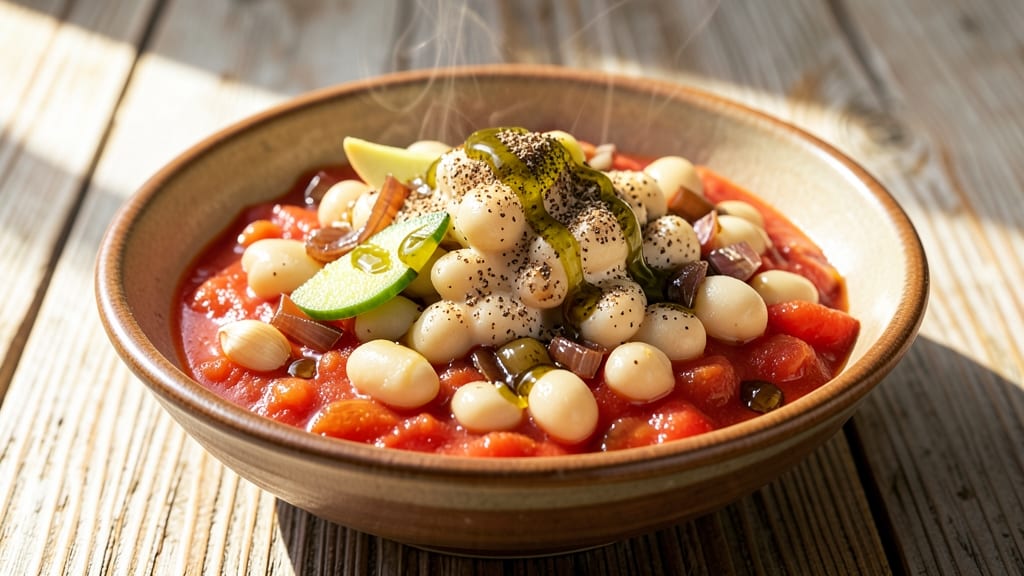
This bean chutney recipe transforms simple ingredients into a bold, versatile condiment that elevates everything from grilled meats to crisp vegetables. The secret lies in slow-cooking white beans with aromatic spices until they break down into a thick, flavorful paste—no blender required.
I developed this version after testing countless chutney recipes, and it’s the one that finally delivers that perfect balance of tangy, spicy, and earthy notes.
What makes this chutney truly special is its adaptability. You can use it as a dip for fresh bread, a spread for sandwiches, or a marinade for proteins. The recipe relies on pantry staples like canned beans, tomatoes, and spices, making it both budget-friendly and foolproof.
With just 15 minutes of prep and 30 minutes of simmering, you’ll have a condiment that tastes like it took hours to perfect.
The result is a rich, textured chutney with deep flavors from cumin, coriander, and garlic—each bite carries layers of warmth and complexity. Unlike store-bought versions, this one stays vibrant for up to a week in the fridge, allowing the flavors to deepen over time.
Whether you’re serving it alongside a charcuterie board or drizzling it over grilled fish, this chutney will become a staple in your kitchen.
Pair it with roasted vegetables, use it as a base for soups, or serve it alongside spiced rice for a complete meal. The possibilities are endless, and the process is simple enough for weeknight cooking. Let’s get started on creating this versatile, restaurant-quality condiment at home.
Ingredients for bean chutney
Pantry staples meet aromatic spices for this restaurant-quality bean chutney.
| Ingredient | Amount | Notes |
|---|---|---|
| Canned White Beans 🌾 | 1 can | Drained, rinsed, medium or great northern |
| Canned Diced Tomatoes 🍅 | 1 can | Fire-roasted preferred, with juices |
| Yellow Onion 🧅 | 1 whole | Medium, finely diced |
| Garlic Cloves 🧄 | 6 cloves | Peeled, minced finely |
| Fresh Ginger 🌿 | 1 ½ tbsp | Grated, finely |
| Ground Cumin 🌶️ | 1 tbsp | Toasted for depth |
| Ground Coriander 🌿 | 1 tbsp | Freshly ground preferred |
| Turmeric Powder 🌶️ | ½ tbsp | Bright yellow color |
| Red Chili Flakes 🔥 | 1 tbsp | Adjust for heat preference |
| Extra-Virgin Olive Oil 🫒 | ½ cup | High-quality, fruity |
| Lemon Juice 🍋 | 2 tbsp | Freshly squeezed |
| Salt 🧂 | 1 tsp | Diamond Crystal preferred |
| Black Pepper 🌶️ | ½ tsp | Freshly cracked |
The white beans are the heart of this chutney—cannellini or great northern work best for their creamy texture. Trader Joe's and Whole Foods carry high-quality canned beans with minimal additives. For the tomatoes, fire-roasted diced tomatoes add natural sweetness, but any good-quality canned tomatoes will do. The ginger and garlic? Fresh is non-negotiable—dried just won't cut it here. Toast your cumin and coriander seeds in a dry pan for 30 seconds before grinding for a deeper flavor, but pre-ground works in a pinch. The turmeric gives that signature golden hue, so don't skip it.
No fire-roasted tomatoes? Regular diced tomatoes plus a pinch of smoked paprika mimics the flavor. Short on fresh ginger? Substitute 1/2 teaspoon ground ginger, but you'll miss that bright, zesty kick. The chili flakes can be swapped for 1/4 teaspoon cayenne pepper if you prefer a smoother heat. For extra richness, add 1 tablespoon tahini at the end. The olive oil matters—use something fruity and peppery, not the cheap stuff. And if you're serving this with spicy dishes, add 1/2 teaspoon sugar to balance the heat.
This chutney tastes even better the next day as flavors meld. Store in an airtight container in the fridge for up to 1 week. For longer storage, freeze in ice cube trays—perfect for single servings. The texture thickens as it sits, so add a splash of water or lemon juice if it gets too stiff. I like to portion mine into small jars so I always have some ready for quick meals.
Why You'll Love This Recipe
- Pantry Magic: I swear by this recipe when I’m staring at my fridge at 6:30 PM, wondering what to feed the family. Canned beans, tomatoes, onion—no fancy prep, just chop and simmer. Honestly, it’s the kind of dish that makes me feel like a chef, even when I’m half-asleep.
- Garlic-Ginger Zing: That fresh ginger and minced garlic? Oh, it’s a flavor bomb. The beans soak up the heat like a sponge, but it’s balanced—creamy from the tomatoes, sharp from the onion, and the ginger gives it this lift that makes you want to eat it straight from the pot. (Yes, even on a Tuesday night.)
- Game for Any Meal: Spread it on toast with scrambled eggs, toss it into rice bowls, or use it as a dip—this chutney doesn’t care what you throw at it. I keep a jar in the fridge for lazy lunches, potlucks, or when my kid’s soccer team shows up hungry. It’s my secret weapon for “I don’t wanna cook” moments.
- Budget-Friendly Hero: Between us, this recipe is ridiculously cheap. A can of beans, a can of tomatoes, a few cloves of garlic—you’re looking at under $3 for a batch that’ll feed four. And the best part? It tastes even better the next day. I make double batches on Sundays so I’m not scrambling midweek. (Not the prettiest, but the taste makes up for it.)
Step-by-step instructions for bean chutney
This vibrant bean chutney comes together in minutes with bold, aromatic flavors that elevate everything from grilled meats to crispy flatbreads.
Sauté Aromatics Until Deeply Fragrant
Heat the 0.5 cup extra-virgin olive oil in a medium saucepan over medium heat until shimmering but not smoking. Add the finely diced yellow onion and cook for 5-6 minutes until soft and translucent, stirring occasionally. You'll notice the onions release their sweetness and begin to caramelize slightly at the edges.
Add the 6 cloves minced garlic and 1.5 tablespoons grated fresh ginger, stirring constantly for 30 seconds until the raw garlic smell disappears and they become fragrant. This is where the foundation of your chutney's complex aroma begins to develop. If you smell anything burning, reduce the heat slightly—garlic and ginger burn faster than you might expect.
Toast the Spices for Maximum Depth
Increase heat to medium-high and add the 1 tablespoon ground cumin and 1 tablespoon ground coriander. Toast for 30-45 seconds until the spices release their essential oils and fill your kitchen with their warm, earthy aroma. You'll see them dance and pop slightly—this is when they develop their maximum flavor potential.
Immediately reduce heat to medium-low and stir in the 0.5 tablespoon turmeric powder and 1 tablespoon red chili flakes. The turmeric will give your chutney that signature golden hue, while the chili flakes add a subtle heat that builds as the chutney cools. Let the spices cook for 1 minute to fully bloom their flavors before moving to the next step.
Build the Chutney Base with Beans and Tomatoes
Add the 1 can drained white beans and 1 can diced tomatoes with juices to the pan. Stir well to combine with the aromatic spices, then increase heat to medium-high. Let the mixture simmer vigorously for 8-10 minutes until the tomatoes break down and the beans begin to soften slightly. You'll notice the liquid reduces and the flavors intensify as the spices meld with the beans' earthiness.
Real talk: This is where many chutneys fail—don't rush this simmering time. The longer you let it cook, the more complex the flavors become. If the mixture looks too thick, add 1-2 tablespoons water to help it blend smoothly. You want a consistency that's thick enough to coat the back of a spoon but still pourable.
Finish with Acid and Seasoning
Reduce heat to low and stir in the 2 tablespoons lemon juice. The acidity brightens all the flavors and cuts through the richness of the olive oil. You'll see the chutney take on a glossy sheen as the lemon juice incorporates. Add the 1 teaspoon salt and 0.5 teaspoon black pepper, then taste and adjust seasoning if needed—bean chutneys often need more salt than you'd expect.
Let the chutney simmer gently for another 3-4 minutes to allow all the flavors to meld completely. The final texture should be smooth with just a hint of chunkiness from the beans. If you prefer it completely smooth, use an immersion blender now to achieve a velvety consistency. For texture, leave it as is—both versions work beautifully.
Pro Tips For Making Bean Chutney
- SAUTÉ ONIONS UNTIL GOLDEN: I learned this the hard way—skipping this step makes the chutney taste flat. Cook the onions on medium-low heat for 8-10 minutes until they’re deep golden, not just translucent. That caramelization builds flavor you can’t get by rushing it.
- DRAIN AND RINSE BEANS FIRST: Canned beans hide a salty surprise that’ll throw off your seasoning. Drain them, rinse under cold water, then give them a quick shake in the colander to remove excess starch. Your chutney will taste cleaner and let the spices shine.
- CRUSH GARLIC AND GINGER GRUDGELY: No food processor? Fine. Use a mortar and pestle for 2 minutes—yes, even if your arms ache. Or wrap garlic cloves in a towel and smash them with a heavy pan. The goal is paste, not chunks, because blended aromatics make smoother, richer chutney.
- SIMMER LOW AND LONG: After adding tomatoes and beans, reduce heat to the lowest setting and let it bubble gently for 15-20 minutes. Skim off any foam that rises—it’s the bitter byproduct of overcooking. This slow cook turns raw ingredients into a cohesive, velvety texture. (Your future self will notice the difference.)
Dietary considerations for this dish
Gluten-Free Friendly
This bean chutney is naturally gluten-free since it relies on simple ingredients like beans, tomatoes, and spices—no wheat or gluten-containing additives. I always double-check my canned beans for gluten warnings, but most major brands like Trader Joe's and Whole Foods offer certified gluten-free options.
The chili flakes and spices are also gluten-free, making this a safe choice for anyone avoiding gluten. 🌾
Vegan and Plant-Based
The recipe is 100% plant-based, perfect for vegans or anyone following a vegetarian diet. The white beans provide hearty protein and fiber, while the olive oil, lemon juice, and spices create a rich, satisfying flavor without any animal products.
I’ve served this chutney at vegan potlucks, and it’s always a crowd-pleaser. For extra protein, you could even blend in 1 tablespoon nutritional yeast at the end. 🌱
Low-Oil Adaptation
If you're watching your oil intake, you can reduce the extra-virgin olive oil to 2 tablespoons while keeping the same cooking time. The chutney will still develop deep flavor, though it may be slightly thicker.
For a lighter texture, add 1 tablespoon water during the simmering phase. I’ve also had success using avocado oil—it has a higher smoke point and a neutral flavor that lets the spices shine. 💡
Nut-Free Version
While the original recipe doesn’t include nuts, if you’re avoiding them entirely, ensure all your spices (like ground coriander or cumin) are processed in nut-free facilities. Some brands process spices in shared facilities with nuts, so check labels if you have severe allergies.
The chutney’s natural creaminess from the beans makes it nut-free by default, but always verify ingredient sources for peace of mind. 🌿
High-Protein Boost
For an extra protein kick, stir in ½ cup cooked quinoa or ½ cup lentils during the simmering phase. Both add a subtle earthiness that complements the beans beautifully. Quinoa also brings a pleasant chewiness, while lentils deepen the chutney’s rustic texture.
I’ve found that ½ cup cooked chickpeas work too—they blend seamlessly and add a satisfying heartiness. 💪
Spice-Free Mild Version
To make this chutney milder for kids or sensitive palates, reduce the red chili flakes to ½ teaspoon and omit the cayenne if substituting. You can also replace the chili flakes with ½ teaspoon smoked paprika for a smoky flavor without heat.
The turmeric and cumin still provide warmth, but the dish remains gentle. This version is great for dipping or spreading on sandwiches where spice isn’t the focus. 🌶️
Nutrition facts
Frequently asked questions
Can I make this bean chutney with dried beans instead of canned?
Yes, but you'll need to soak 1 cup dried white beans overnight first, then simmer them for 45-60 minutes until tender. Dried beans create a thicker, heartier chutney with more intense bean flavor. For best results, use great northern or cannellini beans, and adjust the simmering time in the recipe to 15-20 minutes after adding the spices.
How can I adjust the texture to be smoother or chunkier?
For a smooth chutney, use an immersion blender after simmering to achieve a velvety consistency. For chunkier texture, skip blending and let the beans and tomatoes retain their shape. You can also mash some beans with a fork during cooking for a rustic, textured result. The recipe naturally thickens as it cools, so add 1-2 tablespoons water if needed.
What are the best ways to use leftover bean chutney?
This versatile chutney works as a dip for veggies or pita, a spread on sandwiches, or a marinade for grilled meats. Stir it into soups, use as a sauce for tacos, or drizzle over roasted vegetables. For extra flavor, toast 1 teaspoon cumin seeds in the chutney before serving. It also freezes beautifully in ice cube trays for single servings.
Why does my chutney taste bland after making it?
Most likely, you need more salt and acid. Bean chutneys often benefit from an extra ½ teaspoon salt and 1 more tablespoon lemon juice. Let it sit for 30 minutes before tasting again—the flavors deepen over time. If it's still flat, add a pinch of smoked paprika or a splash of vinegar to brighten it. Always taste as you go!
Can I substitute other beans for white beans?
Chickpeas add creaminess, black beans bring richness, and kidney beans offer a meatier texture. For best results, use 1 can of any bean and adjust cooking time—darker beans may need 5 extra minutes of simmering. The flavor profile changes slightly, but all work beautifully.