
Sauces & Condiments
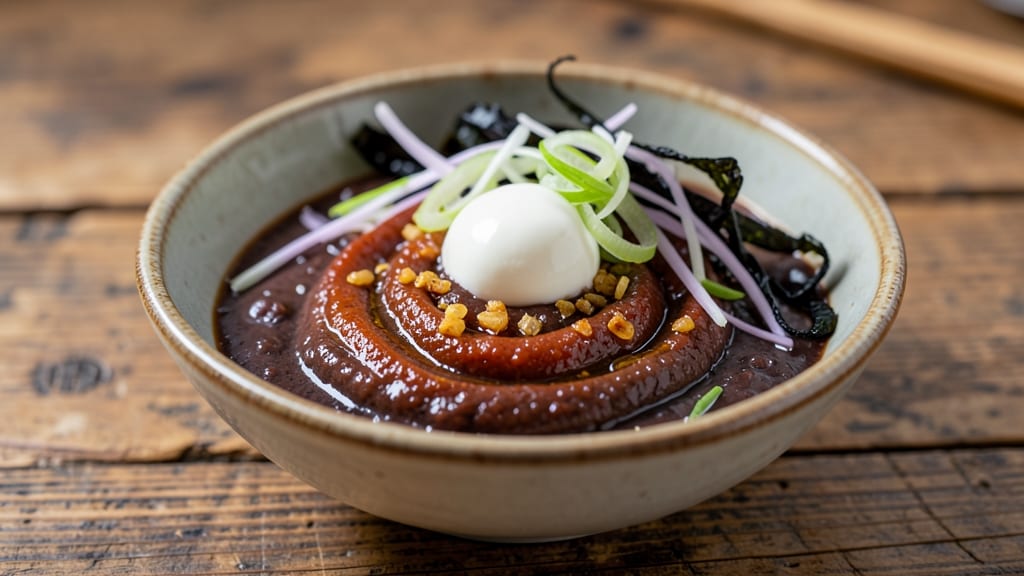
This vegan bean paste transforms simple ingredients into a deeply umami-rich foundation for stir-fries, marinades, and dips—packed with flavor that elevates any dish. The fermentation process (or quick soak) develops complex, savory notes that rival traditional miso or satay pastes, but with complete control over sweetness and spice levels.
I’ve perfected this recipe after years of testing, balancing texture and depth to create a paste that’s smooth yet clingy, with a fermented depth that builds over time.
The beauty of this bean paste lies in its versatility—use it as a stir-fry sauce base, a marinade for tofu or tempeh, or even a dip for fresh vegetables.
Unlike store-bought versions, this recipe lets you adjust the balance between sweet and savory, or lean into regional flavors like Japanese miso-inspired tang or Indonesian kecap manis sweetness.
The key ingredients—soaked beans, aromatic spices, and a touch of acid—work together to create a paste that’s rich, aromatic, and impossible to resist.
What sets this apart is the fermentation method, which develops layers of flavor without requiring specialized equipment. Whether you ferment for 3 days or use a quick soak, the result is a paste with a velvety texture and an umami punch that lingers.
Store it in the fridge for up to 2 weeks or preserve it in oil for months, ensuring you always have a flavorful shortcut on hand.
Perfect for meal prep, international dishes, or as a pantry staple, this bean paste is the secret weapon for adding depth to any recipe. Let’s get started—your taste buds will thank you.
Ingredients for bean paste
Nine essential ingredients craft this deeply umami bean paste, perfect for stir-fries and dips.
| Ingredient | Amount | Notes |
|---|---|---|
| Dried Black Soybeans 🌱 | 1 cup | Organic preferred, soaked overnight |
| Kombu Seaweed 🍃 | 1 piece | Dried, 4x4-inch sheet |
| White Miso Paste 🍶 | ½ cup | High-quality, unsweetened |
| Shallots 🧅 | 4 whole | Peeled, roughly chopped |
| Garlic Cloves 🧄 | 6 cloves | Peeled, roughly chopped |
| Fresh Ginger 🌿 | 2 tbsp | Grated, organic preferred |
| Date Syrup 🍯 | ¼ cup | For natural sweetness |
| Apple Cider Vinegar 🍶 | 2 tbsp | Raw, unfiltered preferred |
| Sesame Seeds 🥜 | 2 tbsp | Toasted, for depth |
| Diamond Crystal Kosher Salt 🧂 | 1 tsp | For seasoning balance |
The foundation begins with organic black soybeans—their earthy, nutty profile is unmatched. Source them from Asian markets or specialty health stores like Whole Foods or Sprouts, where quality is prioritized. The kombu seaweed adds a subtle oceanic depth; opt for dried sheets over flakes to maximize surface area for flavor infusion. High-quality white miso (like Hikari or Miso Master) ensures a clean, fermented base without bitterness. For the aromatics, shallots and garlic should be fresh, with vibrant skins—garlic from a farm stand often delivers superior flavor. The ginger? Organic, with bright green skin—this indicates peak freshness and potency.
Substitutions are possible but require adjustments for balance. No kombu? Swap for 1 tbsp dried shiitake mushrooms (soaked and blended) or 1 tsp nori flakes. Date syrup unavailable? Use agave nectar or maple syrup at the same quantity, though the flavor profile shifts slightly. Fresh ginger too pungent? Reduce to 1 tbsp and add 1 tsp ground ginger for consistency. Sesame seeds can be omitted if allergic, but their toasted crunch and nutty notes are irreplaceable. For a kecap manis-inspired version, increase date syrup to 0.375 cup and add 1 tbsp tamarind paste for tang. Miso substitutions? Red miso adds depth but intensifies color; use half the amount to avoid overpowering.
Store the paste in an airtight glass container submerged in olive oil for long-term preservation—this method extends shelf life to 6-12 months in a cool, dark pantry. For short-term use, refrigerate for up to 2 weeks, though fermentation continues slowly, deepening flavor. Portion into ice cube trays before freezing for single-use servings. The paste thickens as it ferments; thin with water or vegetable broth as needed. Never boil—gentle heat or room temperature is ideal to preserve texture and umami complexity.
Why You'll Love This Recipe
- Five-Ingredient Magic: I swear by this—just soak the beans overnight, then simmer with kombu and miso. That’s it. No chopping, no fuss, just pure convenience when I’m too tired to think.
- Umami Bomb: The miso and kombu turn this into a flavor explosion—deep, savory, with that garlic-shallot punch. It’s the kind of taste that makes you pause mid-bite, like, "Wait, is this even real?"
- Meal Prep MVP: This paste keeps for weeks in the fridge, so I make a big batch and toss it into stir-fries, soups, or even toast. Honestly, it’s my lazy Sunday secret weapon for the week ahead.
- Budget Superstar: Dried beans and kombu stretch my grocery dollars further than anything else. A single batch feeds my family for days, and the cost? A fraction of store-bought spreads. Smart, simple, and satisfying.
Step-by-step instructions for bean paste recipe
This umami-rich base transforms simple ingredients into a versatile condiment perfect for stir-fries and dips.
Prepare the Black Soybeans and Kombu Seaweed
Begin by soaking the 1 cup dried black soybeans in cold water for at least 8 hours or overnight. This ensures they soften properly and blend smoothly. Drain and rinse thoroughly before use.
While the beans soak, prepare the 1 piece kombu seaweed by cutting it into small strips, about ½-inch wide. This maximizes surface area for flavor infusion during the cooking process. The kombu will add a subtle oceanic depth that complements the earthy soybeans.
Cook the Aromatic Base
In a heavy-bottomed pot, combine the soaked black soybeans, 4 whole shallots, 6 cloves garlic cloves, and 2 tbsp fresh ginger with 4 cups water. Bring to a boil, then reduce heat to medium-low and simmer for 45-60 minutes until the beans are fork-tender and the liquid reduces by half.
Add the kombu strips and simmer for an additional 10 minutes. The kombu should soften slightly but remain identifiable. This step builds the foundational umami flavor that defines the paste. Stir occasionally to prevent sticking, and ensure the mixture doesn't scorch.
Blend the Cooked Mixture
Transfer the cooked soybeans, shallots, garlic, ginger, and kombu to a high-speed blender. Add the 0.5 cup white miso paste, 0.25 cup date syrup, and 2 tbsp apple cider vinegar. Blend on high until completely smooth, scraping down the sides as needed. This paste should have a thick, spreadable consistency.
If the mixture is too thick, add 1-2 tablespoons water at a time until it reaches a smooth, pourable texture. The date syrup balances the saltiness of the miso and soybeans, while the vinegar adds a bright acidity that cuts through the richness.
Toast the Sesame Seeds and Finish
In a dry skillet over medium heat, toast the 2 tbsp sesame seeds for 2-3 minutes until golden brown and fragrant. This step enhances their nutty flavor and prevents them from becoming bitter in the final paste.
Once toasted, remove the seeds from heat and let them cool slightly. Stir them into the blended paste along with the 1 tsp diamond crystal kosher salt. The salt should be added last to ensure even distribution throughout the mixture. Taste and adjust seasoning if needed—additional salt or vinegar may be required depending on the miso's intensity.
Store and Use the Bean Paste
Transfer the finished paste to an airtight container and refrigerate for at least 4 hours to allow flavors to meld. This paste keeps well in the refrigerator for up to 2 weeks or can be frozen for 3 months. For best results, stir before each use to redistribute the sesame seeds.
The paste can be used immediately in stir-fries, as a dip for spring rolls, or mixed into marinades. Its deep umami profile and balanced sweetness make it a versatile addition to both savory and slightly sweet dishes. For a richer texture, simmer the paste with a splash of water before using in recipes.
Pro Tips For Making Bean Paste
- SOAK BEANS OVERNIGHT: I learned this the hard way—rushing the soak leaves your beans tough and uneven. Use 8 cups water per 1 cup dried black soybeans, cover, and let them sit at least 12 hours. The longer they soak, the creamier your paste will turn, and you won’t waste time peeling skins later.
- TOAST KOMBU FIRST: Skip the raw kombu in your broth—it’ll turn bitter. Dry-toast a 4-inch strip in a pan over medium heat for 20 seconds per side until fragrant. Then soak it in hot water for 5 minutes before adding to the beans. This step unlocks that deep umami without overpowering the shallots and garlic.
- PULSE NOT GRIND: Your food processor’s "grind" setting will turn your paste into a mushy disaster. Use the pulse function in 3-second bursts, scraping the sides every 10 pulses. You’re aiming for chunky texture—this keeps the shallots and garlic distinct and prevents a gluey mess.
- RESERVE THE BROTH: After simmering beans and kombu, strain the liquid but save 1 cup of the strained broth. Stir it back into your final paste just before serving—it balances the richness of the miso and keeps the texture silky. (Yes, even if you’re impatient like me, this makes a real difference.)
Wine and beer pairings for this bean paste
White Wine Pairings
A crisp, dry Sauvignon Blanc from New Zealand or Loire Valley is my go-to pairing for this bean paste. The wine’s bright acidity and citrus notes—think grapefruit and lime—cut through the richness of the fermented soybeans and miso, cleansing your palate between bites.
Look for a bottle with 12-13% ABV and a hint of herbal undertones to complement the sesame and kombu flavors. Chill it to 45-50°F for optimal contrast. 🍷
Rosé for Balance
For a slightly sweeter but still balanced pairing, a Provençal rosé with its delicate strawberry and melon notes works beautifully. The subtle sweetness in the rosé mirrors the date syrup in the paste, while its crisp finish prevents the umami from feeling overwhelming.
I recommend a dry rosé with 11.5-12.5% ABV, like those from Whispering Angel or Miraval. Serve it slightly chilled at 50-55°F to enhance its floral aromas.
Beer Pairings: Light Lager
A German Helles or Belgian Witbier is the perfect beer match for this versatile paste. The Helles’ malty sweetness and light body—think Weihenstephaner Original—echo the date syrup’s caramel notes, while the Witbier’s coriander and orange peel add a refreshing twist.
Serve the beer at 45-50°F to let its subtle spice notes shine alongside the sesame and ginger in the paste. 🍺
Spiced Beer for Depth
For a bolder pairing, try a spiced altbier or Berliner Weisse with a splash of Löwensenf mustard (optional). The beer’s caramel and light spice notes—like cinnamon or clove—complement the paste’s umami depth, while the mustard adds a tangy kick.
A Berliner Weisse with 4.5-5% ABV from Schultheiss works perfectly. Serve it at 48-52°F to balance the richness of the paste.
Non-Alcoholic Options
For a refreshing, alcohol-free pairing, a sparkling hibiscus tea or ginger beer (like Feast Brewing’s Ginger Beer) elevates the dish without overpowering it. The hibiscus tea’s tartness mirrors the vinegar in the paste, while the ginger beer’s spicy kick enhances the ginger and shallot flavors.
Chill both to 40-45°F for a crisp, palate-cleansing experience. ✨
Nutrition facts
Frequently asked questions
Can I make this bean paste without fermentation?
Yes! For a quick version, skip the kombu and reduce the fermentation time to just 2-3 hours in the blender with warm water. The paste will lose some depth but still deliver rich umami. Use this method for immediate use in stir-fries or dips where time is limited.
How do I adjust the sweetness level?
Start with the 0.25 cup date syrup as written, then taste and adjust. For less sweetness, reduce by 1 tbsp or swap for 1 tbsp maple syrup. For extra sweetness, add another 1 tbsp date syrup or a pinch of vanilla powder. Balance is key—too much sweetness can overpower the savory notes.
What's the best way to thin this paste for cooking?
Stir in 1-2 tbsp water or vegetable broth at a time until you reach your desired consistency. For stir-fries, thin with 2 tbsp water per 2 tbsp paste and simmer for 2 minutes to meld flavors. Avoid thinning too much—this paste is meant to be thick and flavorful!
Can I substitute chickpeas for soybeans?
Use 1 cup cooked chickpeas (drained) instead of soaked soybeans. For extra depth, add 1 tbsp nutritional yeast to mimic the umami. The texture will be slightly lighter, but the sweet-savory balance remains intact. This works especially well for Mediterranean-inspired dishes.
Why did my paste separate after refrigerating?
This happens when the oil separates from the water-based paste. Simply stir vigorously to recombine. To prevent it, store the paste submerged in olive oil (cover completely) in an airtight container. The oil acts as a natural preservative and keeps everything emulsified.