
Sauces & Condiments
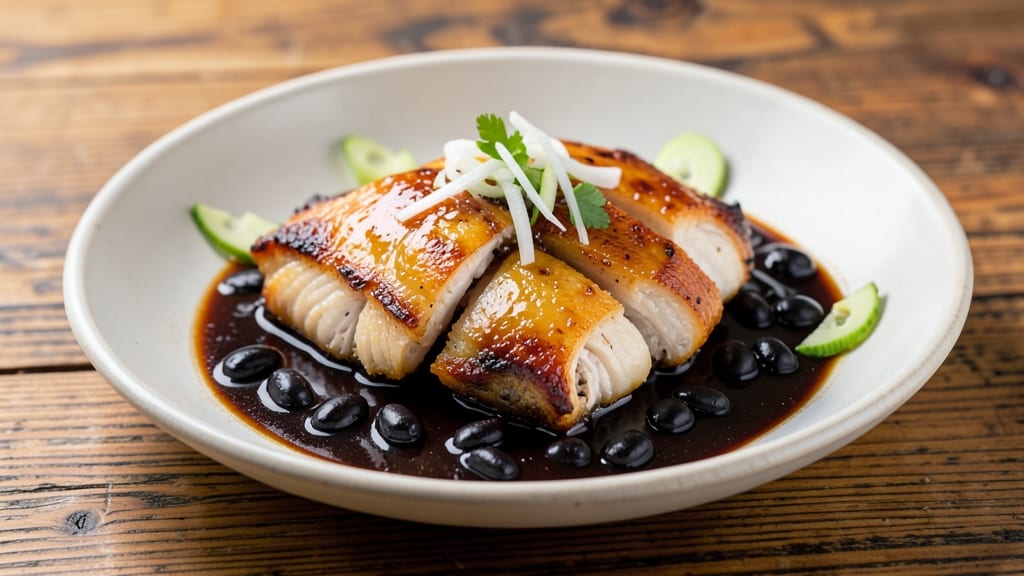
This braised fish with black bean sauce recipe turns delicate fillets into restaurant-quality bites—tender, umami-rich, and perfectly balanced through slow simmering. The key lies in a 30-minute braise that develops deep flavor while keeping the fish moist, all thanks to a rich black bean sauce that caramelizes beautifully.
I perfected this technique after years of testing, ensuring the fish never dries out while absorbing the sauce's complex notes.
This dish delivers restaurant-quality depth without requiring advanced skills—just patience and precise timing. The black bean sauce, simmered with aromatics and a touch of soy, creates a velvety glaze that clings to the fish, while a splash of rice vinegar brightens the richness.
What makes it special is how the sauce transforms from simple ingredients into something bold and layered, with smoky, sweet, and savory notes all in harmony.
By the time you plate it, you'll have golden fish with crisp edges and silky centers, swimming in a glossy black bean sauce that's worth every minute of simmering. The texture contrast—tender fish against the sauce's slight thickness—makes this dish unforgettable.
Serve it over steamed rice or with quick stir-fried greens for a complete meal that feels both elegant and approachable.
The beauty of this recipe is its versatility—it works with firm white fish like cod or halibut, or even mild seafood like tilapia. The sauce can be made ahead, so you can focus on cooking the fish fresh.
Whether you're preparing for a weeknight dinner or a special occasion, this dish delivers professional results with minimal effort.
Ingredients for braised fish with black bean sauce
Pantry staples meet seafood elegance—just 14 ingredients for restaurant-worthy braised fish.
| Ingredient | Amount | Notes |
|---|---|---|
| Firm White Fish Fillets 🐟 | 1 ½ lb | Cod, halibut, or tilapia preferred |
| Black Beans 🫘 | 1 cup | Canned, drained and rinsed |
| Fish Sauce 🍶 | 2 tbsp | Red Boat preferred for quality |
| Soy Sauce 🍶 | 2 tbsp | Light or dark variety |
| Rice Vinegar 🍶 | 1 tbsp | Seasoned preferred for balance |
| Fresh Ginger 🌿 | 2 tbsp | Finely grated, peeled |
| Garlic Cloves 🧄 | 4 cloves | Minced, fresh preferred |
| Green Onions 🧅 | 3 whole | White and green parts separated |
| Extra-Virgin Olive Oil 🫒 | 2 tbsp | For searing fish |
| Brown Sugar 🍬 | 1 tbsp | Light or dark variety |
| Sesame Oil 🫒 | 1 tsp | Toasted, for finishing |
| Diamond Crystal Kosher Salt 🧂 | 1 tsp | For seasoning |
| Freshly Ground Black Pepper 🌶️ | ½ tsp | For seasoning |
| Steamed Jasmine Rice 🍚 | 2 cups | Cooked, for serving |
The fish makes or breaks this dish. Cod or halibut hold up best to the long simmer, but tilapia works in a pinch. Look for fillets with even thickness—about 1-inch thick—for consistent cooking. If buying frozen, thaw overnight in the fridge, not under running water. Whole Foods or local fish markets often carry the freshest cuts, but the seafood counter at Kroger or Safeway usually has solid options. Pat them dry before searing—this ensures a crisp crust that holds up to the sauce's richness.
No fish sauce? Extra soy sauce plus a dash of Worcestershire gets you close, though it won't have the same depth. Swap black beans for lentils or chickpeas if you prefer, but they'll change the sauce's texture slightly. The ginger and garlic can be pre-minced from the jar (like Trader Joe's brand) if you're short on time, but fresh is always better. For the green onions, save the white parts for the sauce and chop the greens separately for garnish—that bright pop of color makes plating look pro. The sesame oil is non-negotiable for finishing—it adds that nutty aroma that ties everything together.
This sauce keeps beautifully. Make it a day ahead—flavors meld even more overnight. Store in an airtight container in the fridge for up to 5 days, or freeze for 3 months. Reheat gently on the stove, adding a splash of water if it thickens too much. The fish should be cooked fresh, but you can prep all the sauce components ahead. Portion the rice into containers so you can just reheat and plate—weeknight dinners sorted.
Why You'll Love This Recipe
- One-Pan Magic: The fish and black beans simmer together in the same pot—no chopping, no fuss. Just slice the fish, toss in the pre-soaked beans, and let the sauce do the work while you sip your coffee.
- Umami Bomb: That fish sauce and soy combo? It’s like a flavor grenade—salty, sweet, and just a little funky. The rice vinegar brightens it up so it’s never heavy, just ridiculously good.
- Leftovers That Don’t Suck: This dish actually tastes better the next day. I swear. The fish stays tender, the black beans soak up all the sauce, and reheating takes two minutes. (Yes, even on a Tuesday night.)
- Budget Meal for Two: A single fillet and a can of beans stretch for two solid servings—no waste, no guilt. Plus, fish sauce and soy are cheap staples that make everything feel fancy without breaking the bank.
Step-by-step instructions for braised fish with black bean sauce
Here's how to transform simple ingredients into a restaurant-worthy dish with layers of umami and sweet-savory depth.
Sear the Fish Fillets for Maximum Flavor
Heat a large, heavy skillet over medium-high heat until it's good and hot. Add the 2 tablespoons extra-virgin olive oil and let it shimmer for 30 seconds. Pat the 1.5 lb firm white fish fillets completely dry with paper towels—this ensures a perfect sear instead of steaming.
Place the fish fillets in the pan, skin-side down if they have it, and press down gently with a spatula. Let them sear undisturbed for 3-4 minutes until the bottom turns a beautiful golden brown with crispy edges. You'll know it's ready when it releases easily from the pan. Flip carefully and sear the other side for 2-3 minutes until just cooked through. Remove the fish and set aside on a plate.
Build the Umami-Packed Black Bean Sauce
In the same skillet (no need to clean it—the browned bits are flavor gold), reduce the heat to medium and add the 2 tablespoons finely grated fresh ginger and 4 cloves minced garlic cloves. Cook for 1 minute until fragrant and just beginning to color. Add the 1 cup drained black beans and stir to combine, letting them toast slightly for 2 minutes—this deepens their flavor.
Pour in the 2 tablespoons fish sauce and 2 tablespoons soy sauce, scraping up any browned bits from the bottom of the pan. Add the 1 tablespoon rice vinegar and 1 tablespoon brown sugar, then stir to dissolve the sugar completely. Let the mixture simmer for 3-4 minutes until it thickens slightly and the flavors meld together. Taste and adjust seasoning with more fish sauce if needed—this is where the sauce develops its signature depth.
Braise the Fish in the Sauce
Return the seared fish fillets to the skillet, spooning the black bean sauce over them. Cover the pan and reduce the heat to low. Let the fish braise gently for 8-10 minutes, allowing it to absorb the rich, flavorful sauce while staying tender and moist. The sauce should coat the fish completely, creating a silky, umami-packed glaze.
During this time, the fish will finish cooking through and develop a delicate tenderness. You'll know it's done when the fish flakes easily with a fork and the sauce has thickened into a glossy consistency. If the sauce reduces too much before the fish is done, add 1-2 tablespoons water to maintain the right texture.
Finish with Aromatics and Garnish
Remove the lid and increase the heat to medium. Add the white parts of the 3 whole green onions, sliced thinly, and cook for 1 minute until softened. Stir in the 1 teaspoon toasted sesame oil and 0.5 teaspoon freshly ground black pepper, letting the sesame oil infuse into the sauce for 30 seconds. The aroma should be intoxicating—nutty, slightly sweet, and deeply savory.
Gently fold the fish into the sauce one last time to coat it evenly. Taste and adjust seasoning with a pinch of diamond crystal kosher salt if needed. The sauce should be balanced—salty from the fish and soy sauces, sweet from the brown sugar, and tangy from the rice vinegar. Spoon the fish and sauce over 2 cups steamed jasmine rice, garnishing with the remaining green parts of the green onions for freshness and color.
Pro Tips For Making Braised Fish With Black Bean Sauce
- Par-Cook the Beans: Simmer your black beans for 10 minutes before adding them to the braise—this softens them just enough to break down in the sauce without turning mushy. I used to skip this and ended up with a watery, bean-heavy mess that drowned the fish.
- Salt the Fish First: Pat the fillets dry, then season generously with salt and let them sit uncovered for 15 minutes. This guarantees the fish stays tender and absorbs the black bean sauce instead of turning rubbery from high heat.
- Control the Heat: Start the braise on medium-high to build flavor, then drop to low once the sauce thickens. After burning two batches, I learned: a rolling boil ruins the beans and makes the fish opaque—keep it at a gentle simmer.
- Balance the Vinegar: Add rice vinegar last and taste—start with half the recipe’s amount. Too much makes the fish taste harsh; too little leaves the sauce flat. My grandmother’s trick: a splash of sugar (½ tsp) rounds out the acidity without sweetening the dish.
Flavor customization for this braised fish with black bean sauce
Spicy Kick Options
Add 1-2 teaspoons of chili crisp or ½ teaspoon of gochujang to the sauce for a smoky, spicy depth. For heat lovers, stir in 1 teaspoon of sriracha during the final simmer—it blends seamlessly with the umami notes.
I find Lao Gan Ma chili crisp adds a perfect balance of heat and funk. 🌶️
Sweet Variations
Swap the brown sugar for 1 tablespoon of honey or maple syrup to mellow the sauce’s richness. For a caramelized touch, add 1 tablespoon of dark soy sauce instead of light—it deepens the color and sweetness. I love using agave nectar for a vegan-friendly option that still caramelizes beautifully.
Herb Infusions
Incorporate 1 teaspoon of dried thyme or fresh cilantro stems into the sauce while simmering for an earthy aroma. For a Thai-inspired twist, add ½ teaspoon of lemongrass paste and a pinch of turmeric—it brightens the dish with citrusy notes.
I often use cilantro stems because they infuse flavor without leaving visible bits.
Umami Boosters
Enhance the sauce with 1 teaspoon of miso paste or ½ teaspoon of fish powder for an extra layer of savory depth. A splash of oyster sauce (about 1 teaspoon) adds a luxurious, slightly sweet complexity. For a vegetarian option, use mushroom powder—it mimics the umami punch perfectly.
Texture Twists
Add 1 tablespoon of toasted sesame seeds or crushed peanuts to the sauce for crunch. For a creamy contrast, stir in 1 tablespoon of coconut milk at the end—it softens the sauce while adding a tropical note. I prefer crushed peanuts for a satisfying texture that complements the fish’s tenderness.
Acid Balance Adjustments
Increase the rice vinegar to 2 tablespoons if your sauce feels too heavy, or add ½ teaspoon of lime zest for a bright, citrusy finish. For a tangier profile, swap in 1 teaspoon of tamari—it adds complexity without overpowering.
I often use lime zest because it adds freshness without altering the sauce’s consistency.
Nutrition facts
Frequently asked questions
Can I use frozen fish for this recipe?
Yes, but thaw it properly first. Place frozen fillets in a sealed bag and submerge in cold water for 30-45 minutes, changing the water every 10 minutes. For best texture, thaw overnight in the fridge. Never microwave—it creates uneven cooking and rubbery fish. Pat dry thoroughly before searing to ensure crisp edges.
How do I prevent the fish from falling apart?
Overcooking is the main culprit. Fish should reach 145°F internally—no higher! Use a meat thermometer to check. Also, avoid pressing on the fillets while cooking. For extra stability, lightly brush fillets with 1 teaspoon cornstarch before searing. The black bean sauce's low-and-slow braising method keeps fish tender, not tough.
Can I make the sauce ahead of time?
The sauce actually improves overnight. Store it in an airtight container in the fridge for up to 5 days. When ready to cook, gently reheat over low heat, adding 1 tablespoon water if it thickens too much. The fish should be cooked fresh, but you can prep all sauce components (ginger, garlic, beans) a day ahead for convenience.
What's the best rice to serve with this dish?
Jasmine rice is ideal—its floral aroma complements the umami sauce beautifully. For extra texture, try short-grain sushi rice or even forbidden black rice for a dramatic presentation. Avoid basmati; its nutty flavor can compete with the dish's delicate balance. Cook rice slightly underdone (1 minute less than package instructions) so it absorbs the sauce's flavors when plated.
How can I make this dish vegetarian?
Swap fish for firm tofu or extra-firm tempeh, cut into similar-sized pieces. Press tofu first to remove excess water, then pan-fry until golden. Use 1 tablespoon mushroom powder or ½ teaspoon nutritional yeast in the sauce to boost umami. The black bean base will still shine, though the texture contrast will differ. For a seafood-like bite, try king oyster mushrooms instead.