
Side Dishes
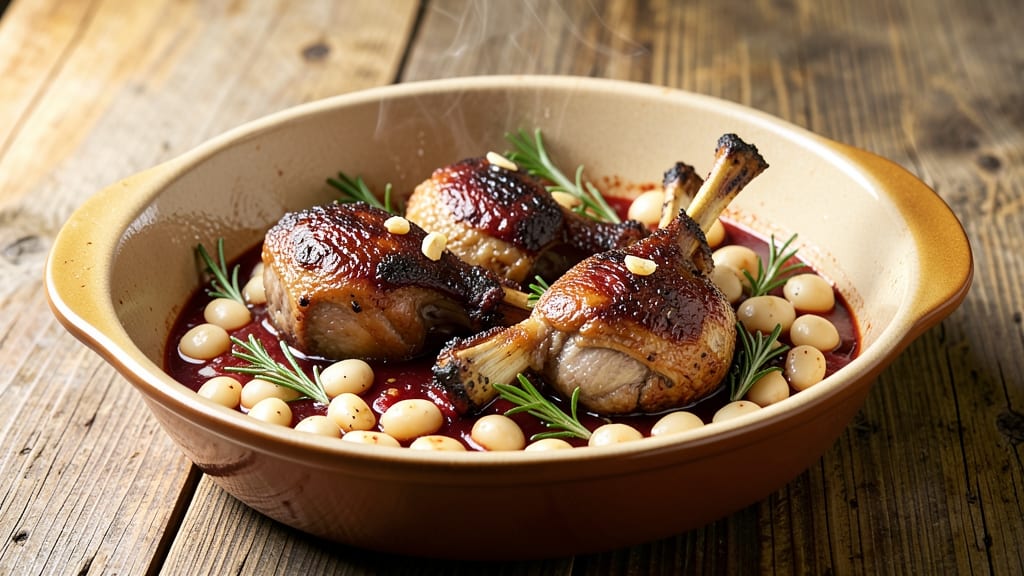
This braised lamb shanks with white beans recipe delivers restaurant-quality depth in a single pot, where tender lamb falls off the bone and creamy beans soak up every rich, tomato-infused layer.
The secret lies in slow braising—transforming tough cuts into melt-in-your-mouth perfection while building a sauce so flavorful it deserves a standing ovation. I perfected this method after years of testing, ensuring the beans stay intact and the lamb absorbs the aromatic blend without drying out.
What sets this dish apart is the balance of techniques: searing the lamb first for a deep caramelized crust, then deglazing with red wine to unlock layers of flavor, and finally reducing the sauce until it clings to the meat like liquid gold.
The white beans add texture and heartiness, while herbs like rosemary and thyme elevate the dish from ordinary to extraordinary. This isn’t just dinner—it’s a centerpiece that turns weeknights into special occasions.
The result is a dish so rich and satisfying, it feels like a hug in every bite—tender lamb with a glossy, velvety sauce and beans that hold their shape yet melt in your mouth. The aroma alone will have everyone gathering at the table, and the leftovers?
Even better the next day. Serve with crusty bread to soak up every last drop of that luxurious braising liquid. Let’s get cooking—this is the kind of meal that makes you look like a professional.
Perfect for impressing guests or treating yourself to a Sunday feast, this recipe scales effortlessly for crowds while keeping the technique simple enough for weeknight dinners.
The beauty of braising is patience—let the flavors develop while you attend to other tasks, then return to a pot that’s already transformed into something extraordinary. Here’s how to make it happen.
Ingredients for braised lamb shanks with white beans
Four bone-in lamb shanks and a handful of pantry staples transform into a showstopper.
| Ingredient | Amount | Notes |
|---|---|---|
| Lamb Shanks 🐏 | 4 whole | Bone-in, 1.5-2 lbs each |
| Canned White Beans 🌱 | 1 ½ cups | Cannellini or great northern, drained |
| Red Wine 🍷 | 1 cup | Bold dry red, like Cabernet Sauvignon |
| Tomato Paste 🍅 | ½ cup | Smooth, no sugar added |
| Garlic Cloves 🧄 | 6 cloves | Minced, fresh preferred |
| Fresh Rosemary 🌿 | ¼ cup | Chopped, stems removed |
| Fresh Thyme 🌿 | 1 tbsp | Leaves only, chopped |
| Carrots 🥕 | 2 whole | Medium, peeled, cut into chunks |
| Celery Stalks 🌿 | 2 whole | Cut into 1-inch pieces |
| Yellow Onion 🧅 | 1 whole | Diced, medium size |
| Beef Broth 💧 | 2 cups | Low-sodium preferred |
| Olive Oil 🫒 | 2 tbsp | Extra-virgin for richness |
| Salt 🧂 | 1 ½ tsp | Kosher or sea salt |
| Black Pepper 🌶️ | 1 tsp | Freshly ground preferred |
| Bay Leaves 🍃 | 2 whole | Dried, for aroma |
The lamb shanks are the star—bone-in, 1.5-2 lbs each—so don’t skimp. Costco or your butcher’s counter will have the best cuts, often at a better price than the grocery store. Look for good marbling and bright red color; anything grayish or overly fatty will give you trouble. I usually grab mine pre-trimmed, but if you’re feeling fancy, trim any excess fat yourself. The white beans? Canned is fine—just drain and rinse them well. Fresh would be ideal, but we’re keeping this realistic. For the red wine, whatever bold dry red you’ve got open works—Cab Sauv, Merlot, even a good Chianti. Just avoid anything too sweet.
No red wine? Beef broth with a splash of balsamic vinegar gets you close. Fresh herbs are ideal, but dried thyme at half the amount works in a pinch. The tomato paste can be the squeeze-tube kind from Trader Joe’s—it’s perfect for this since you only need half a cup. Skip the pre-minced garlic; peel and chop your own—it’s faster and tastes better. The carrots and celery can be baby versions if that’s what’s in the fridge. Just make sure they’re roughly the same size so they cook evenly. And if you’re short on time, pre-chopped mirepoix mixes from the freezer section save you 10 minutes of prep.
This dish tastes even better the next day, so make extra if you can. The braised lamb shanks keep for 4-5 days in the fridge, while the sauce freezes beautifully for up to 3 months. I like to portion the beans and sauce separately so I can reheat just what I need. The lamb reheats best in the sauce—just warm everything together on the stove. For serving, crusty bread is a must—it soaks up all that glorious sauce like a dream.
Why You'll Love This Recipe
- One-Pot Magic: I swear by this—just sear the lamb, dump everything in one pot, and walk away. The wine and tomato paste build that rich sauce while you’re busy with the kids or scrolling through your phone.
- Rich Without Effort: That crispy lamb edge with the fall-off-the-bone tenderness? It’s all thanks to the slow braise, but honestly, the white beans soak up the garlic-wine-tomato sauce like a dream. Minimal chopping, maximum flavor.
- Weeknight to Dinner Party: Same recipe, different vibes. Serve it over crusty bread for a lazy Sunday supper or plate it with roasted veggies for a fancy-ish dinner. The red wine and herbs make it feel special without the fuss.
- Budget-Friendly Leftovers: Lamb shanks are cheaper than you think, and this dish only gets better the next day. I make double batches—one for dinner, one for my lunch the following week. The beans stretch it further, and the sauce freezes like a champ.
Step-by-step instructions for braised lamb shanks with white beans
Here's how to make this rich, tomato-braised lamb dish that turns tough cuts into melt-in-your-mouth perfection.
Sear the Lamb Shanks for Deep Flavor
Heat the 2 tablespoons olive oil in a large Dutch oven or heavy pot over medium-high heat until shimmering. Pat the 4 whole lamb shanks completely dry with paper towels—this ensures a proper sear. Place them in the pot, bone-side down, and let them sear undisturbed for 5-6 minutes until deeply browned on one side. You'll see that beautiful crust forming, which locks in all the juices.
Flip the shanks and sear the other side for another 5-6 minutes. Once both sides are golden brown, remove them from the pot and set aside. The seared shanks will add incredible depth of flavor to your braise, so don't rush this step. If the oil starts smoking before the lamb browns, reduce the heat slightly—you want color, not burned bits.
Build the Aromatic Base
In the same pot, add the 1 whole yellow onion, 2 whole carrots, and 2 whole celery stalks, all chopped into similar-sized pieces. Cook over medium heat for 5-6 minutes, stirring occasionally, until the vegetables begin to soften. Add the 6 cloves minced garlic cloves and cook for another 30 seconds until fragrant—this is where the magic happens.
Stir in the 0.25 cup chopped fresh rosemary and 1 tablespoon chopped fresh thyme, letting the herbs toast in the pot for 1 minute. This quick toasting releases their essential oils, giving your braise that aromatic punch. Sprinkle in the 1.5 teaspoons salt and 1 teaspoon black pepper, then add the 0.5 cup tomato paste, stirring to coat the vegetables completely. The tomato paste will thicken your sauce and add that rich, slightly sweet depth.
Deglaze and Simmer the Braise
Pour in the 1 cup red wine, scraping up any browned bits from the bottom of the pot with a wooden spoon. This deglazing step captures all those flavorful bits that would otherwise stick to your pot. Let the wine simmer for 3-4 minutes until it reduces by about half and the alcohol cooks off—you'll notice the aroma becoming more concentrated.
Return the seared lamb shanks to the pot, bone-side up. Add the 2 whole bay leaves and pour in the 2 cups beef broth, making sure the lamb is mostly submerged. The liquid should come about halfway up the shanks. Bring everything to a gentle simmer, then reduce the heat to low, cover the pot, and let it cook for 1 hour 30 minutes. This slow cooking breaks down the connective tissue, transforming tough lamb into fork-tender perfection.
Add Beans and Finish the Braise
After the lamb has braised for 1 hour 30 minutes, check for doneness by inserting a fork into the thickest part of a shank—the meat should slide off the bone with little resistance. If it's not quite tender enough, continue cooking for another 15-30 minutes. Once tender, stir in the 1.5 cups drained canned white beans, letting them warm through in the braising liquid for 5-10 minutes.
The beans will soak up all that rich, tomato-infused sauce, creating a hearty, satisfying dish. Taste and adjust the seasoning if needed—you might need a bit more salt or pepper to balance the flavors. Remove the bay leaves before serving, as they can be slightly bitter. Let the lamb shanks rest for 5 minutes before serving, allowing the juices to redistribute throughout the meat. Serve the shanks with the beans and all that delicious braising liquid spooned over the top.
Pro Tips For Making Braised Lamb Shanks With White Beans
- Brown the Shanks Well: Don’t skimp on the sear—get those lamb shanks deep golden brown on all sides before adding liquid. I used to rush this, and the sauce never tasted rich enough. High heat, 3-4 minutes per side, until the meat releases enough fat to coat the pan like varnish.
- Drain and Rinse Beans: Canned white beans hold too much sodium and starch—drain them, then rinse under cold water. This keeps the sauce from turning gluey later. Trust me, your future self won’t want to deal with a thick, pasty braise.
- Deglaze with Wine First: Pour in the red wine immediately after searing, while the pan is still screaming hot. Let it bubble for 2 minutes before adding tomato paste—this extracts maximum flavor from the browned bits. Skipping this step means missing out on half the depth of flavor.
- Simmer Covered, Then Uncover: Braise the shanks covered for the first 45 minutes to tenderize, then uncover and reduce the sauce for the last 30. This two-step method ensures the meat stays juicy while the sauce thickens properly. I learned this after serving dry, sauceless shanks—don’t make my mistake.
Serving suggestions for this dish
Crusty Bread Pairing
Nothing complements this dish better than a warm, crusty loaf of sourdough or baguette to soak up every last drop of that luxurious braising liquid. I recommend toasting slices in the oven at 375°F for 5-7 minutes until golden and crisp.
The bread’s texture contrasts beautifully with the tender lamb and creamy beans, while the crust acts as a perfect vehicle for the rich tomato sauce. 🥖
Fresh Herb Garnish
Brighten the dish with a sprinkle of fresh parsley or cilantro just before serving. Chop 2 tablespoons of either herb finely and scatter it over the lamb and beans for a pop of freshness that cuts through the richness.
For an extra touch, add a few thinly sliced scallions on top—their mild onion flavor enhances the overall taste without overpowering it.
Polenta or Couscous
If you want to add a starchy side, creamy polenta or fluffy couscous works wonderfully. Cook 1 cup polenta in 4 cups chicken broth until thick and smooth, then stir in 2 tablespoons butter and a pinch of nutmeg for warmth.
Alternatively, cook 1 cup couscous in 1.5 cups hot broth, fluff with a fork, and mix in 2 tablespoons chopped parsley. Both sides absorb the braising sauce beautifully.
Simple Green Salad
A light arugula salad with a lemon vinaigrette balances the richness of the lamb shanks. Toss 4 cups baby arugula with 2 tablespoons olive oil, 1 tablespoon fresh lemon juice, and a pinch of salt and pepper.
The peppery greens and bright acidity refresh your palate between bites of the hearty main dish. Add shaved Parmesan for extra depth.
Warm Flatbreads
For a more rustic touch, serve with warm naan or lavash bread. Brush the flatbreads lightly with garlic-infused olive oil and toast them in a skillet over medium heat for 1-2 minutes per side until puffed and golden.
These breads are perfect for scooping up the tender lamb and beans, adding a fun, interactive element to the meal.
Dipping Sauce Option
For guests who love extra flavor, prepare a quick garlic yogurt sauce by mixing ½ cup plain yogurt with 1 minced garlic clove, 1 tablespoon lemon juice, ½ teaspoon salt, and a pinch of red pepper flakes.
Serve it on the side for dipping bread or spooning over the lamb shanks. The cool yogurt contrasts perfectly with the warm, rich dish. 💛
Nutrition facts
Frequently asked questions
Can I use dried white beans instead of canned?
Soak 1 cup dried white beans overnight in plenty of water, then simmer for 45-60 minutes until tender before adding them to the braise. Dried beans absorb more liquid, so you may need to add an extra ½ cup broth when stirring them in. They’ll have a nuttier flavor and slightly firmer texture than canned, which some people prefer.
How do I prevent the lamb from drying out?
Keep the liquid level high enough to cover at least half the lamb shanks during braising. If the sauce reduces too much, add ¼ cup broth or water. Never skip the resting time—let the shanks rest for 5-10 minutes before serving to redistribute juices. Also, avoid lifting the lid too often while cooking to maintain moisture.
Can I make this dish in a slow cooker?
Yes! Brown the lamb and vegetables in a skillet first, then transfer everything to a 6-quart slow cooker. Add all liquids and cook on low for 6-7 hours or high for 4-5 hours. The beans can go in during the last 30 minutes of cooking. The slow cooker method is perfect for hands-off preparation, though the flavors may be slightly less concentrated than stovetop braising.
What if I don’t have red wine?
No problem! Substitute with 1 cup beef broth plus 1 tablespoon balsamic vinegar for acidity. For deeper flavor, add ½ teaspoon dried oregano or 1 crushed bay leaf extra. The dish will still be delicious—just slightly less complex.
How should I reheat leftovers?
Reheat gently in a skillet over low heat with a splash of broth or water to prevent drying. For best results, cover and warm for 5-10 minutes. Microwaving is possible but can make the sauce watery—add a few spoonfuls of broth and cover with a damp paper towel. Leftovers taste even better the next day as flavors meld further!