
Side Dishes
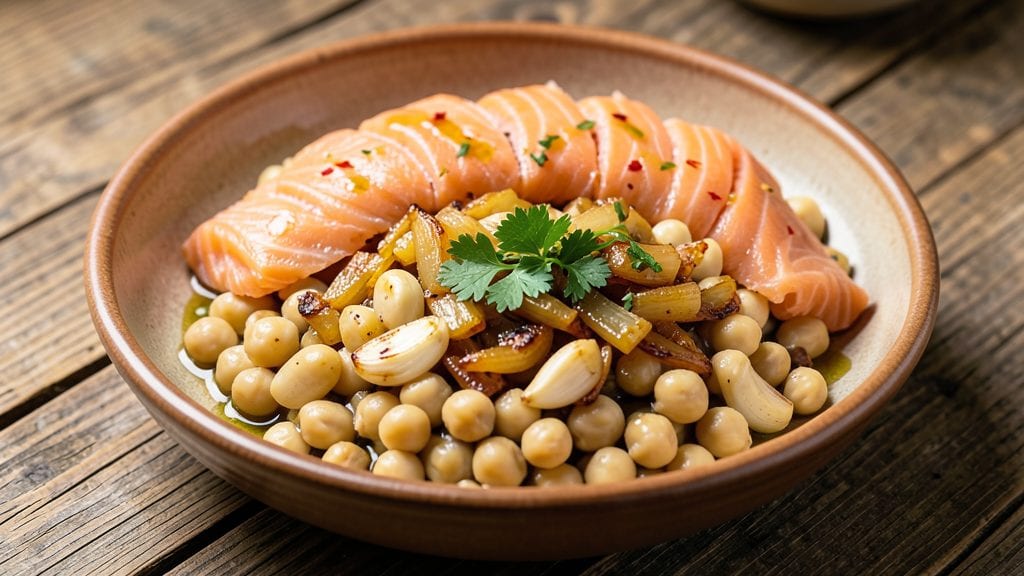
This one-pot canned salmon and beans recipe transforms pantry staples into a protein-rich, flavorful meal in just 20 minutes. The combination of canned salmon, beans, and aromatic spices creates a hearty dish that’s perfect for busy weeknights or meal prep.
I developed this recipe to maximize convenience without sacrificing depth of flavor—ideal for pescatarians or anyone looking for a quick, balanced dinner.
The beauty of this dish lies in its simplicity: no fancy techniques, just a single pot and a handful of ingredients. Canned salmon (in water or oil) and your choice of beans—like chickpeas or black beans—form the base, while garlic, lemon, and herbs add brightness.
The result is a dish that’s nutrient-dense, satisfying, and effortless to adapt for salads, bowls, or even a casserole topping.
What you’ll end up with is a creamy, protein-packed meal with tender salmon flakes and beans in a fragrant, slightly tangy sauce. The texture is rich yet light, and the flavors are bold enough to stand alone or pair with greens, grains, or crusty bread.
This recipe proves that canned ingredients can deliver restaurant-quality results with minimal effort.
Whether you’re feeding a family or prepping for the week, this one-pot wonder delivers. The instructions are straightforward, and the versatility ensures it works for any meal—breakfast, lunch, or dinner. Let’s get cooking!
Ingredients for canned salmon and beans
Pantry staples meet protein power—just one pot, 20 minutes, and zero fuss.
| Ingredient | Amount | Notes |
|---|---|---|
| Canned Salmon (in Water) 🐟 | 2 cans | High-quality, drained well |
| Chickpeas 🌾 | 1 ½ cups | Drained and rinsed, canned |
| Garlic Cloves 🧄 | 4 cloves | Freshly minced, aromatic |
| Yellow Onion 🧅 | 1 whole | Medium, finely diced |
| Lemon Juice 🍋 | 3 tbsp | Freshly squeezed, bright |
| Extra-Virgin Olive Oil 🫒 | 2 tbsp | Light fruity flavor |
| Dried Thyme 🌿 | 1 tsp | Or 1 tbsp fresh thyme leaves |
| Ground Cumin 🌿 | ½ tsp | Toasted for depth |
| Smoked Paprika 🌶️ | ½ tsp | For subtle smokiness |
| Dijon Mustard 🍯 | 1 tbsp | For tangy depth |
| Vegetable Broth 💧 | 1 cup | Low-sodium preferred |
| Fresh Dill 🌿 | ¼ cup | Chopped, for freshness |
| Kosher Salt 🧂 | 1 tsp | Diamond Crystal preferred |
| Black Pepper 🌶️ | ½ tsp | Freshly cracked |
| Greek Yogurt 🥛 | ¼ cup | Full-fat for creaminess (optional) |
The salmon selection matters most. Wild-caught, high-quality brands like Wild Planet or Vital Choice deliver superior texture and flavor—avoid the cheapest store brands, which often have a fishy aftertaste. For beans, chickpeas or black beans work best, but white beans or lentils can substitute if needed. The garlic and onion should be fresh, with vibrant color and no sprouting—these form the aromatic base. If you're using canned salmon in oil, drain it thoroughly and reserve the oil for another use, as it adds richness but can make the dish too heavy. For the herbs, fresh dill is ideal, but dried dill at one-third the amount works in a pinch.
No fresh thyme? Dried oregano at half the amount provides a similar earthy note. Short on lemon juice? Substitute white wine vinegar or apple cider vinegar, but reduce to 2 tablespoons to avoid overpowering. The Dijon mustard adds complexity—if you prefer a milder flavor, use 1 teaspoon of regular mustard instead. For the broth, low-sodium options like Pacific Foods or Imagine brands ensure you control the saltiness. The Greek yogurt, while optional, adds a luxurious creaminess that balances the dish's tanginess. If you omit it, stir in an extra tablespoon of olive oil for richness.
This dish reheats beautifully—simmer gently for 2-3 minutes to restore creaminess. Stores in the refrigerator for 4-5 days in an airtight container, though the flavors deepen overnight. For longer storage, freeze portions for up to 3 months. The yogurt, if included, may separate slightly after freezing—stir vigorously before serving. To prep ahead, combine all ingredients except the fresh dill and salmon; store in the fridge and cook directly from the cold. The salmon can be added fresh at the end for optimal texture.
Why You'll Love This Recipe
- No-Chop Needed: That canned salmon and chickpeas combo? You’re basically done after dicing one onion and mincing garlic—no fancy prep, no peeling hours of fish. I’ll often just pull the salmon straight from the can and flake it with a fork while the onions sizzle.
- Bright & Tangy: The lemon juice cuts through the richness of the salmon so cleanly, it’s like a little flavor reset. Honestly, that zing makes it taste fresh even when you’re using pantry staples—no fancy marinades or secret spices required.
- Lunchbox Magic: This keeps perfectly for days, so I’ll make a big batch on Sunday and pack it in wraps or over greens for work. My kids even ask for it in their school lunches—yes, even the picky ones.
- Budget Powerhouse: A single can of salmon and a bag of chickpeas feed four of us for two meals. I’ll be real: this is how I stretch my grocery budget without sacrificing taste, and the leftovers? Just as good reheated as they are fresh.
Step-by-step instructions for one-pot canned salmon and chickpeas
A single-pot method that delivers bold Mediterranean flavors without cleanup. Here's how to transform simple ingredients into a restaurant-worthy dish.
Sauté Aromatics Until Fragrant
Heat the 2 tablespoons extra-virgin olive oil in a large, deep skillet over medium heat. Add the 1 whole yellow onion, finely diced, and cook for 5 minutes until softened and translucent. You'll notice the edges begin to caramelize slightly—that's when you know it's ready for the next step.
Add the 4 cloves garlic cloves, freshly minced, along with the 1 teaspoon dried thyme, 0.5 teaspoon ground cumin, and 0.5 teaspoon smoked paprika. Stir continuously for 1 minute until the garlic releases its aroma and the spices bloom. This foundational step builds the complex flavor profile that carries through the entire dish. If the garlic begins to brown too quickly, reduce the heat slightly to prevent burning.
Build the Flavor Base with Mustard and Broth
Pour in the 1 tablespoon Dijon mustard and stir vigorously for 30 seconds until fully incorporated. The mustard will emulsify with the oil, creating a smooth base for the sauce. Add the 1 cup vegetable broth and bring the mixture to a gentle simmer, allowing it to reduce slightly for 2 minutes until the liquid thickens just enough to coat the back of a spoon.
Real talk: This is where the magic happens. The mustard adds tangy depth, while the broth infuses the spices and aromatics, creating a cohesive flavor foundation. If the mixture appears too thin at this stage, let it simmer uncovered for an additional minute to concentrate the flavors. The goal is to create a sauce that will beautifully coat the salmon and chickpeas later.
Combine and Simmer the Protein and Beans
Drain the 2 cans canned salmon thoroughly, reserving any liquid only if it appears particularly flavorful. Add the salmon, along with the 1.5 cups chickpeas (drained and rinsed), to the skillet. Stir gently to combine, ensuring the salmon pieces are evenly distributed throughout the mixture. Cook for 5 minutes over medium-low heat, allowing the ingredients to meld together and the flavors to integrate completely.
During this time, you'll notice the chickpeas begin to warm through and the salmon absorbs the aromatic spices. The dish should develop a rich, golden hue from the caramelized onions and spices. If the mixture appears too dry, add 2-3 tablespoons of water to maintain moisture. The key is to keep everything simmering gently—this ensures the salmon stays tender and the chickpeas become flavorful without breaking apart.
Finish with Bright Acid and Fresh Herbs
Reduce the heat to low and stir in the 3 tablespoons lemon juice and 0.25 cup fresh dill, chopped. The lemon juice will brighten the dish, cutting through the richness of the salmon and chickpeas, while the dill adds a fresh, herbal note that elevates the entire meal. Simmer for an additional 2 minutes, allowing the flavors to marry together perfectly.
Taste the mixture and adjust the seasoning with the 1 teaspoon kosher salt and 0.5 teaspoon black pepper as needed. This is your final opportunity to balance the flavors—ensure the dish is vibrant, well-seasoned, and harmonious. If you're using the 0.25 cup Greek yogurt, stir it in now for added creaminess, but be cautious not to overmix, as this can break down the texture of the chickpeas.
Serve Immediately for Maximum Freshness
Remove the skillet from heat and let the dish rest for 1-2 minutes to allow the flavors to settle. This brief resting period ensures the ingredients are perfectly heated through and the sauce has reached its ideal consistency. Serve the one-pot salmon and chickpeas directly from the skillet, garnished with an additional sprinkle of fresh dill if desired.
The result should be a dish with tender, flaky salmon, hearty chickpeas, and a sauce that beautifully balances tangy, herby, and smoky notes. The one-pot method keeps everything cohesive, and the flavors are at their peak when served immediately. Pair with crusty bread or over a bed of greens for a complete meal that's both satisfying and nutritious.
Pro Tips For Making Canned Salmon And Beans
- Drain and Pat Dry the Salmon: The water in canned salmon is salty and watery—skip dumping it straight into your dish. Drain the salmon well, then pat it dry with paper towels (yes, it’s tedious, but it keeps your salad or bowl from turning into a sad, soggy mess). If you’re lazy like me, at least rinse it under cold water first.
- Sauté Onions Until Soft, Not Brown: I used to rush this step and end up with bitter onions. Cook them in a dry pan over medium heat for 8–10 minutes until they’re translucent but still pale—just past the point where they stop looking raw. Add a pinch of salt here; it draws out moisture and makes them caramelize better later.
- Crush Garlic with the Flat Side: Peeling and mincing garlic takes forever, and sometimes it burns. Instead, smash each clove with the flat side of your knife, then leave the skin on while you chop. This keeps the flavor intact and prevents it from turning to garlic paste before it hits the pan. (Pro move: use the back of your knife for this—no extra tools needed.)
- Add Lemon Last, Then Toss: Lemon juice cooks off fast and can make your dish taste flat if added too early. Wait until everything else is warm, then squeeze in the juice and toss everything together immediately. If you’re using zest, add that with the lemon juice—it brightens up the whole dish in seconds. (Bonus: a tiny pinch of salt after the lemon balances the acidity.)
Serving suggestions for canned salmon and beans
Crusty Bread Pairing
Nothing complements this dish better than a warm, crusty loaf of sourdough or focaccia. The bread soaks up the creamy, lemony sauce beautifully while adding a satisfying chew. I love using a no-knead bread from my favorite bakery—its open crumb structure traps the flavors.
For a quick option, toast a baguette and rub it with a garlic clove before serving. 🥖
Fresh Greens Base
Transform your meal into a hearty salad by serving over arugula, spinach, or mixed baby greens. Toss the greens with a light dressing of 1 tablespoon olive oil, 1 teaspoon lemon juice, and a pinch of flaky sea salt.
The peppery bite of arugula or the mild sweetness of spinach balances the richness of the salmon and beans perfectly. For extra crunch, add sliced cucumber or radishes.
Garnish Like a Pro
Elevate your dish with simple yet impactful garnishes. A sprinkle of toasted pine nuts adds crunch, while thinly sliced red onion brings a sharp contrast. For a pop of color, add cherry tomatoes halved or avocado slices.
I also love drizzling with a high-quality extra-virgin olive oil and a final pinch of flaky salt right before serving. These finishing touches make it feel restaurant-worthy. 💫
Warm Grains Option
For a more filling meal, serve over warm quinoa, couscous, or farro. Cook the grains according to package instructions and fluff with a fork before mixing in a spoonful of the salmon and bean mixture.
The nutty texture of quinoa or the delicate fluffiness of couscous pairs exceptionally well with the dish’s Mediterranean-inspired flavors. Use a 1:2 ratio of grains to liquid for perfect texture.
Dipping Sauce Ideas
Offer a small bowl of tahini-lemon sauce or Greek yogurt mixed with lemon zest and dill for dipping. For the tahini sauce, whisk together 2 tablespoons tahini, 1 tablespoon lemon juice, 1 tablespoon water, and a pinch of salt until smooth.
This adds a creamy, nutty contrast that’s perfect for scooping up the salmon and beans. A sprinkle of smoked paprika on top adds a smoky kick. 🍋
Meal Prep Serving
When prepping for the week, store the dish in glass airtight containers and serve over pre-cooked grains or with whole-grain crackers on the side. Reheat gently on the stovetop with a splash of water to restore creaminess.
For a cold meal, serve in lettuce wraps or over pre-cooked rice for a refreshing twist. The flavors hold up well for up to 4 days in the fridge, making this a perfect make-ahead option. ❄️
Nutrition facts
Frequently asked questions
Can I use canned salmon in oil instead of water?
Yes, but drain it thoroughly and reserve the oil separately. The oil adds richness, so use it sparingly—just 1 teaspoon—to avoid making the dish too heavy. For a lighter texture, stick with water-packed salmon. The flavor difference is subtle, but the texture will be more balanced.
What’s the best bean to use if I don’t have chickpeas?
Black beans or white beans work beautifully—they hold their shape well and add heartiness. For a creamier texture, try cannellini beans. Just ensure they’re drained and rinsed thoroughly before adding. The cooking time remains the same, as canned beans are pre-cooked.
How do I prevent the salmon from breaking apart?
Handle the salmon gently when draining and adding it to the pot. Stir lightly just until combined, and avoid overcooking—simmer for 5 minutes max over medium-low heat. The key is low-and-slow heat to keep the flakes intact while absorbing the flavors.
Can I make this recipe ahead of time?
Store it in an airtight container in the fridge for 4-5 days. Reheat gently on the stovetop with a splash of water or broth to restore creaminess. For freezing, portion into containers and freeze for up to 3 months. Thaw overnight in the fridge before reheating. The flavors actually deepen over time!
Is this dish suitable for a low-carb diet?
Yes, but with a few tweaks. Skip the grains and serve over cauliflower rice or a bed of spinach. The natural protein and fiber from the salmon and beans will keep you full, and the dish remains under 15g net carbs per serving. Just omit the optional Greek yogurt if you’re strict on carbs.