
Sauces & Condiments
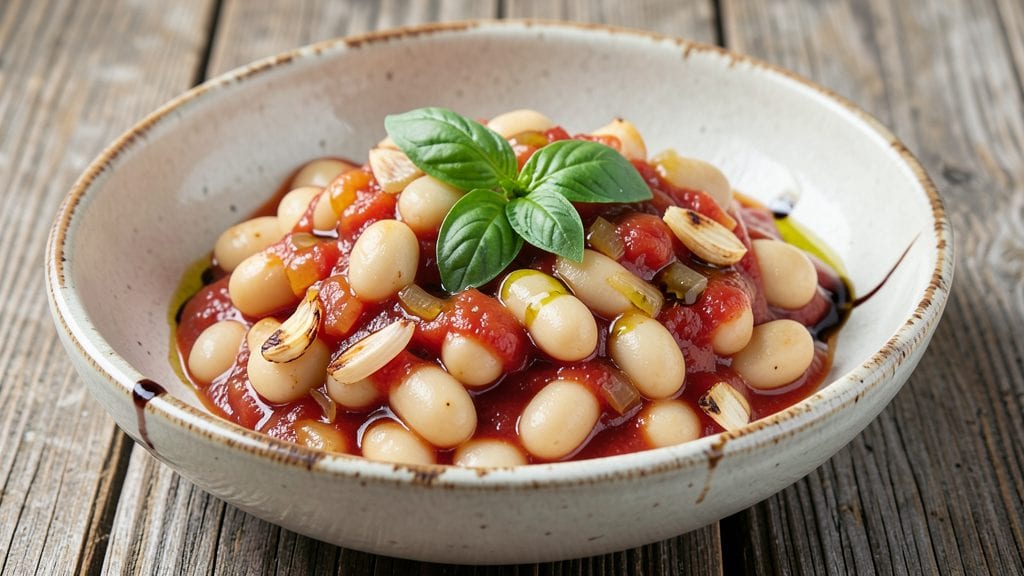
This easy canned white beans in tomato sauce recipe turns humble pantry staples into a deeply flavorful stew with minimal effort. This Italian-inspired one-pot recipe delivers deep, savory flavors with just a few pantry staples and 30 minutes of hands-on time.
The secret lies in balancing acidity and sweetness—tomato sauce provides the base, while garlic, herbs, and a splash of vinegar create layers of complexity that elevate humble beans into something restaurant-worthy.
What makes this recipe stand out is its versatility—it works as a standalone vegetarian main or pairs beautifully with crusty bread, roasted vegetables, or even grilled chicken for a meaty twist.
The beans soften just enough to absorb the tomato sauce while maintaining their structure, creating a dish that's both comforting and satisfying. No special equipment is needed beyond a large pot and basic seasonings, making it perfect for weeknight dinners or meal prep.
By the time you're done, you'll have a simmering pot of stew with tender beans swimming in a vibrant, aromatic tomato sauce. The flavors deepen as it cooks, developing a balance of tangy, sweet, and herby notes that make every spoonful irresistible.
This is the kind of meal that feels indulgent without requiring hours in the kitchen—proof that simple ingredients can deliver professional results.
The best part? Leftovers taste even better the next day, as the flavors continue to meld. Serve it hot with a sprinkle of fresh basil or a drizzle of olive oil for extra brightness. Let's create this hearty, flavorful stew together—it's easier than you think.
Ingredients for canned white beans in tomato sauce
Pantry staples meet Italian flair in this one-pot vegetarian masterpiece.
| Ingredient | Amount | Notes |
|---|---|---|
| Canned White Beans 🫘 | 2 cans | Drained, rinsed, cannellini or great northern |
| Tomato Sauce 🍅 | 2 cups | Canned, San Marzano preferred for sweetness |
| Garlic Cloves 🧄 | 4 cloves | Freshly minced, not pre-minced |
| Yellow Onion 🧅 | 1 whole | Medium, finely diced |
| Extra-Virgin Olive Oil 🫒 | ¼ cup | For richness, fruity variety |
| Red Wine Vinegar 🍷 | 1 tbsp | For acidity balance |
| Dried Oregano 🌿 | 1 tsp | Italian or Mediterranean blend |
| Dried Basil 🌿 | ½ tsp | Or 1 tbsp fresh basil |
| Bay Leaves 🍃 | 2 whole | Fresh preferred, remove before serving |
| Vegetable Broth 💧 | 1 cup | Low-sodium preferred |
| Sea Salt 🧂 | 1 ½ tsp | Adjust to taste |
| Black Pepper 🌶️ | ½ tsp | Freshly cracked |
| Fresh Basil Leaves 🌿 | ¼ cup | Chopped, for garnish |
| Grated Parmesan Cheese 🧀 | ¼ cup | Freshly grated, optional |
The San Marzano tomato sauce is your flavor foundation—its natural sweetness balances the acidity perfectly. Look for cans labeled 'whole peeled tomatoes' if you want to blend your own sauce for extra depth. Costco or Trader Joe's carry excellent options at reasonable prices. Garlic and onions should be fresh—yellow onions with a crisp bite work best, and garlic cloves should feel firm when squeezed. The dried herbs are non-negotiable for authentic flavor; Penzeys or local spice shops carry premium blends worth the investment. For the beans, cannellini or great northern varieties hold their shape best during simmering.
No San Marzano tomatoes? Crushed tomatoes with a pinch of sugar work in a pinch, though the flavor won't be as refined. Short on fresh basil? Dried basil at half the amount gets you close, but fresh is ideal for that bright aroma. The red wine vinegar can be swapped for lemon juice if you're out, though it'll change the flavor profile slightly. For extra umami depth without meat, add 1 tbsp soy sauce or 1 tsp miso paste—it's a vegetarian chef's secret. If your vegetable broth is high-sodium, dilute it with water or use half the amount and add extra herbs to compensate.
This stew tastes even better the next day as flavors meld. Store leftovers in an airtight container in the fridge for up to 5 days or freeze for 3 months in portion-sized containers. For meal prep, double the recipe and freeze half—just thaw overnight in the fridge before reheating. The Parmesan and fresh basil should be added fresh when serving, as they don't reheat well. To serve, drizzle with extra-virgin olive oil and a sprinkle of black pepper for that restaurant-quality finish.
Why You'll Love This Recipe
- Pantry-to-Table Magic: I swear by this recipe when I’ve got nothing but a can of beans and a jar of sauce. No fancy prep—just drain, chop, and simmer. The onions caramelize in the olive oil while the garlic sizzles, and suddenly, you’ve got something that tastes like it simmered all day.
- Garlic-Kissed Comfort: That first bite of creamy beans coated in tangy tomato sauce, with crispy garlic edges? It’s the kind of flavor that makes you pause mid-spoonful. Honestly, the ratio of garlic to onion here is chef’s kiss—sweet, savory, and just a little funky.
- Lunchbox or Dinner Plate: This sauce is my secret weapon for both quick lunches and lazy dinners. Toss it over toasted bread for a bruschetta-style bite, or pile it onto crusty bread with a sprinkle of cheese. Even my picky-eating teenager asks for seconds when it’s in the house.
- Budget-Friendly Leftovers: A single can of beans and a jar of sauce stretch to feed four for dinner and still leave enough for tomorrow’s lunch. Between us, this is how I keep groceries affordable—no waste, no fuss, and it tastes just as good reheated as it does fresh.
Step-by-step instructions for canned white beans in tomato sauce
This hearty Italian-inspired stew comes together effortlessly in one pot with simple ingredients.
Sauté the Aromatics for Flavor Foundation
Heat the 0.25 cup extra-virgin olive oil in a large pot over medium heat. Add the 1 whole yellow onion, finely diced, and cook for 5-6 minutes until softened and translucent. This creates the base for your flavor profile.
Add the 4 cloves garlic cloves, freshly minced, and cook for another 30 seconds until fragrant. You'll notice the kitchen fills with a warm, savory aroma—this is your signal they're ready. Avoid browning the garlic; it should remain pale and just cooked through.
Build the Tomato Sauce Base
Pour in the 2 cups tomato sauce and stir to combine with the sautéed aromatics. Add the 1 tbsp red wine vinegar, 1 tsp dried oregano, 0.5 tsp dried basil, and 2 whole bay leaves, stirring well to distribute the seasonings evenly.
Bring the mixture to a gentle simmer over medium-low heat. Let it cook uncovered for 8-10 minutes until the flavors meld and the sauce thickens slightly. You'll see the oil separate slightly at the top—this is normal and indicates the sauce is developing depth.
Incorporate Beans and Broth
Add the 2 cans canned white beans, drained and rinsed, along with the 1 cup vegetable broth. Stir gently to combine, being careful not to break the beans. The broth will help create a rich, velvety consistency while keeping the beans intact.
Add the 1.5 tsp sea salt and 0.5 tsp black pepper, then bring the mixture to a gentle boil. Once boiling, reduce heat to low and let it simmer uncovered for 15-20 minutes. This slow cooking allows the flavors to develop fully and the beans to absorb the rich tomato sauce.
Finish and Serve
After simmering, remove the 2 whole bay leaves with tongs. Stir in the 0.25 cup chopped fresh basil leaves and cook for an additional 2 minutes to infuse their bright flavor. The basil will brighten the dish and cut through the richness of the tomato sauce.
Taste and adjust seasoning if needed. For an extra touch of richness, stir in the 0.25 cup grated parmesan cheese during the final minute of cooking. Serve immediately over crusty bread or with a side of pasta to soak up every delicious spoonful.
Pro Tips For Making Canned White Beans In Tomato Sauce
- Sauté Onions Slowly: I used to rush this step and end up with bitter onions—don’t. Cook them over medium-low heat for 8-10 minutes until they’re soft and translucent, not browned. This builds flavor without turning the sauce bitter, especially when you add the garlic later.
- Drain and Rinse Beans: Skip this, and you’ll end up with a salt bomb. Canned beans are packed in brine or saltwater—rinse them well under cold water before adding them to the sauce. This keeps the dish from tasting like a swimming pool.
- Smash Half the Beans: This isn’t the prettiest method, but it’s the tastiest. Before adding them to the sauce, smash about half the beans with the flat side of a knife or a fork—this thickens the sauce naturally and adds texture without needing extra thickeners.
- Toast Garlic in Oil: After cooking the onions, remove the pan from heat, add minced garlic to the oil, and let it sit for 30 seconds. This prevents burning while giving the sauce a nutty depth. (Yes, even if you’re impatient like me.)
Make-ahead tips for this canned white beans in tomato sauce
Prep Ahead Sauce Base
Make the tomato sauce foundation up to 3 days ahead and store it in an airtight container in the fridge. After sautéing your onions and garlic, add the tomato sauce, vinegar, oregano, basil, and bay leaves, then simmer for 10 minutes.
Cool completely before refrigerating. When ready to cook, simply add the beans and broth, then simmer as directed. This shortcut saves 20 minutes of active time on busy weeknights. 💡
Bean Prep Shortcut
Drain and rinse your canned white beans directly into the pot where you'll cook them—no extra bowls needed. If you're really short on time, use 1 can of beans for the first batch and save the second can for later.
The beans will absorb the sauce beautifully even if you start with just one can, then add the second later if needed. 🫘
Freezer-Friendly Portions
Divide the fully cooked stew into quart-sized freezer bags or airtight containers, leaving 1-inch headspace for expansion. Label each with the date and reheat directly from frozen—no thawing required.
To reheat, transfer the frozen portion to a pot with 2 tablespoons water or broth, then simmer over low heat for 10-15 minutes, stirring occasionally. The texture remains creamy and the flavors stay vibrant. ❄️
Herb Infusion Trick
For an extra herbaceous punch, add 1 sprig fresh rosemary along with the bay leaves during the initial simmer. Remove it before serving, but its aromatic oils will infuse the sauce with deep, piney notes.
Alternatively, add ½ teaspoon red pepper flakes with the vinegar for a subtle heat that builds as the stew cooks. Both tricks elevate the dish with minimal effort. 🌿
Double Batch for Meal Prep
Double the recipe and store half in the fridge for 4-5 days while freezing the other half. When reheating, add 1-2 tablespoons water or broth to prevent drying out.
I like to portion the cooled stew into mason jars with a sprinkle of fresh basil on top—they reheat perfectly and look great for lunches. The flavors deepen overnight, making leftovers even more satisfying. 📅
Garnish Last-Minute Upgrade
Keep your fresh basil and grated Parmesan separate until serving. Reheat the stew without them, then stir in the basil and sprinkle Parmesan on top just before eating. This keeps the garnishes vibrant and prevents them from turning mushy during storage.
For an extra touch, drizzle with 1 teaspoon high-quality extra-virgin olive oil right before serving. 🧀
Nutrition facts
Frequently asked questions
Can I use other types of beans instead of canned white beans?
While cannellini or great northern beans work best, you can substitute navy beans, butter beans, or even chickpeas for a different texture. Just note that chickpeas may require 5-10 extra minutes of simmering to soften properly. Avoid kidney beans—they have a different flavor profile and won't absorb the tomato sauce as well.
How can I make this recipe spicier?
Add ½ teaspoon red pepper flakes with the vinegar or stir in 1 teaspoon hot sauce during the final 5 minutes of cooking. For smoky heat, add ½ teaspoon smoked paprika when sautéing the onions. Always taste as you go—you can adjust the heat level to your preference.
What's the best way to reheat leftovers?
Transfer portions to a pot with 2 tablespoons water or broth and simmer over low heat for 8-10 minutes, stirring occasionally. Avoid microwaving—it makes the beans mushy. For extra flavor, add a splash of red wine vinegar or a pinch of dried oregano while reheating. The stew tastes even better the next day!
Can I make this recipe without wine vinegar?
Yes! Substitute with 1 tablespoon lemon juice or ½ teaspoon citric acid (found in baking aisles) for acidity. If you're avoiding all vinegars, skip it entirely—the dish will still be flavorful, though slightly less tangy. The tomato sauce and herbs provide enough depth on their own.
How do I prevent the beans from getting mushy?
Don't overcook them! Simmer gently for 15-20 minutes maximum after adding the beans. If using chickpeas, start checking at 25 minutes. Keep the heat low and avoid stirring vigorously—gentle movement preserves their shape. The beans should be tender but still hold their form when pressed.