
Side Dishes
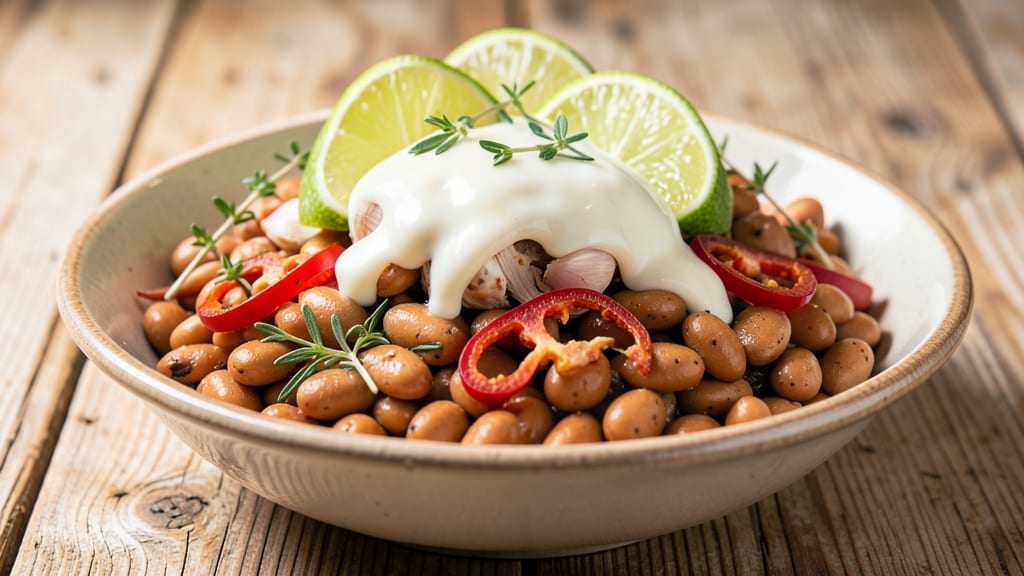
This Caribbean beans recipe transforms simple ingredients into a vibrant side dish that carries the flavors of island traditions—spiced with coconut milk, lime zest, and aromatic herbs that dance on the palate.
Growing up, my grandmother’s Sunday roast chicken always came with a steaming pot of these beans, their rich, earthy taste grounding every meal.
The secret lies in slow-cooking the beans with garlic, thyme, and a touch of Scotch bonnet for just the right kick, then finishing with coconut milk for velvety depth.
What makes this recipe special is its balance of simplicity and complexity. You’ll need just six core ingredients—pinto beans, coconut milk, lime, garlic, thyme, and a pinch of salt—but the flavors unfold like a symphony.
The beans soften into tender perfection while absorbing the aromatic spices, creating a dish that’s hearty enough to stand alone or pair beautifully with grilled meats, rice, or fresh plantains. It’s the kind of recipe that feels like a hug in a bowl.
By the time you’re done, you’ll have a pot of beans that’s fragrant with lime and coconut, their edges caramelized just enough to add texture. The lime brightens the richness of the coconut, while the thyme and garlic add layers of warmth.
This isn’t just a side dish—it’s a taste of home, a way to bring the spirit of the Caribbean into your kitchen without ever leaving your stove.
The best part? This recipe scales effortlessly, whether you’re feeding a family of four or a crowd for a gathering. Double the batch and freeze half for later—because once you taste these beans, you’ll want to make them again and again. Let’s get cooking!
Ingredients for caribbean beans
Six core ingredients transform into a vibrant Caribbean bean dish that feels like a hug in a bowl.
| Ingredient | Amount | Notes |
|---|---|---|
| Pinto Beans 🌾 | 1 ½ lbs | Dried, soaked overnight preferred |
| Coconut Milk 🥥 | 1 can | Full-fat for creaminess |
| Fresh Lime 🍋 | 3 whole | Zest and juice extracted |
| Garlic Cloves 🧄 | 6 cloves | Minced, fresh preferred |
| Fresh Thyme 🌿 | ¼ cup | Leaves only, stems removed |
| Scotch Bonnet Pepper 🌶️ | 1 whole | Seeds removed for mild heat |
| Olive Oil 🫒 | 2 tbsp | For sautéing aromatics |
| Sea Salt 🧂 | 1 ½ tsp | Adjust to taste |
| Brown Sugar 🍚 | 1 tbsp | Lightly caramelizes beans |
| Bay Leaf 🍃 | 1 whole | Removed before serving |
| Fresh Cilantro 🌿 | ¼ cup | Chopped, for garnish |
| Green Onion 🧅 | 2 whole | Sliced, for garnish |
The beans are the heart of this dish, so don’t skimp on quality. Dried pinto beans from a bulk bin at Whole Foods or Trader Joe's stay fresher longer than canned—just soak them overnight. If you’re short on time, no-soak beans work, but they’ll need an extra 30 minutes of simmering. For the Scotch bonnet, local Caribbean markets usually carry them fresh, but the frozen section at H Mart or Asian grocery stores is a solid backup. The lime should be bright green and firm—no wrinkly skins here. Fresh thyme is ideal, but if you only have dried, use half the amount and crush the leaves between your fingers to wake up the flavor.
No coconut milk? Full-fat evaporated milk plus a splash of cream gets you close, though the flavor won’t be quite as rich. Running out of Scotch bonnet? Habanero at half the amount delivers a similar kick, but go easy—it’s hotter. The brown sugar isn’t just for sweetness; it helps caramelize the beans slightly, adding depth. If you’re avoiding sugar, substitute with maple syrup at the same ratio. For the garlic, I always grab extra—half goes into the pot, half gets tossed on top at the end for that fresh aroma. And if cilantro isn’t your thing, fresh parsley works just as well for garnish.
These beans taste even better the next day—trust me, the flavors meld into something magical. Store leftovers in an airtight container in the fridge for up to 5 days, or freeze for 3 months. I like to portion mine into single-serving containers so they’re ready for quick lunches. The coconut milk will separate when refrigerated, so give it a quick stir before reheating. And if you’re making this for a crowd, double the batch—it’s that good.
Why You'll Love This Recipe
- One-Pot Magic: I swear by this—just beans, coconut milk, and a handful of pantry staples simmering together. No fancy gadgets, no last-minute grocery runs. The lime and thyme do all the heavy lifting while I sip tea and pretend I’m on vacation.
- Tropical Twist: That first bite of creamy coconut meeting bright lime and garlicky depth? It’s like a hug in a bowl. The pinto beans soak up all the flavors without turning mushy—texturally perfect, every time.
- Leftover Hero: Make a double batch and thank me later. These beans taste even better the next day (yes, really), and they’re my go-to for lunchboxes or quick breakfasts. Freeze half for when you’re too tired to cook.
- Budget Brightener: Coconut milk and lime might sound fancy, but they stretch this recipe into a full meal. A can of beans, a few cloves of garlic, and fresh herbs turn into a flavor bomb that feeds four for under $10. My wallet and taste buds win.
Step-by-step instructions for spiced coconut and lime Caribbean beans
Let's transform simple pinto beans into a rich, aromatic Caribbean masterpiece with just these 12 ingredients.
Prepare the Beans for Cooking
Start by draining and rinsing the soaked pinto beans thoroughly under cold water. This removes any excess starch that might make your beans gummy. Place them in a large pot and cover with fresh water by about 2 inches—you should have roughly 6 cups of liquid for the 1.5 lbs of beans.
Add the whole bay leaf and bring to a gentle boil over medium-high heat. Once boiling, reduce to low heat, add the 1.5 teaspoons sea salt, and let simmer uncovered for 45 minutes. Stir occasionally to prevent sticking, and add hot water as needed to maintain the 2-inch water level above the beans. You'll know they're ready when they're tender but still hold their shape—like al dente pasta.
Build the Aromatic Base
While the beans cook, heat the 2 tablespoons olive oil in a large skillet over medium heat. Add the 6 minced garlic cloves and 0.25 cup fresh thyme leaves, stirring constantly for 1-2 minutes until fragrant—not browned. This is where all the magic starts, so don't walk away.
Next, carefully add the seeded Scotch bonnet pepper (keep those seeds out for milder heat) and cook for another 30 seconds until just softened. Remove from heat and set aside—this aromatic blend will carry the Caribbean flavors through your entire dish.
Create the Coconut-Lime Sauce
In a medium saucepan, combine the 1 can coconut milk, 1 tablespoon brown sugar, and juice of 2 fresh limes. Warm over medium-low heat until just simmering, then reduce heat to low and let it gently bubble for 5 minutes, stirring occasionally. This step develops the sweet-tangy balance that defines Caribbean beans.
Remove from heat and stir in the zest of the remaining 1 fresh lime—this bright citrus note will cut through the richness of the coconut milk beautifully. Keep this mixture warm while you finish the beans.
Combine and Simmer
Once your beans are tender, drain them well but reserve 1 cup of the cooking liquid. Add the beans to the skillet with the garlic-thyme mixture and stir to coat them in those aromatic oils. Then pour in the coconut-lime sauce and the reserved bean liquid.
Bring everything to a gentle simmer over medium-low heat, then reduce to low and let it cook uncovered for 20-25 minutes, stirring occasionally. You're looking for the sauce to thicken slightly and the flavors to meld together—when the mixture coats the back of a spoon, it's ready. The beans should be completely tender now, absorbing all those wonderful flavors.
Finish and Serve
Remove the bay leaf and adjust seasoning if needed—add more lime juice if it needs brightness or a pinch more salt if it needs depth. The beans should be creamy but not watery, with a perfect balance of coconut sweetness, lime tang, and spicy warmth.
Ladle the beans into serving bowls and garnish with 0.25 cup chopped fresh cilantro and 2 sliced green onions. Serve immediately with warm rice or crusty bread to soak up every last drop of that flavorful sauce. This dish tastes even better the next day, so make extra if you can!
Pro Tips For Making Caribbean Beans
- SOAK BEANS OVERNIGHT: I learned this the hard way—rushing soak time means gummy beans. Pinto beans need at least 8 hours (or quick-soak: 2 hours in boiling water, then 1 hour off heat). The longer they soak, the creamier your final dish will be, especially with coconut milk’s richness.
- SWEAT GARLIC LOW: High heat burns garlic faster than you’d think. Cook those cloves in coconut milk on medium-low until fragrant but golden—not crispy. Burnt garlic turns bitter, and you’ll taste it through the lime and thyme.
- ZEST LIME FIRST: Skip the juice until the very end—acid curdles coconut milk if added too early. Save lime zest for the start (it brightens the thyme and garlic), then add juice at the last 5 minutes to keep the sauce silky.
- SIMMER NOT BOIL: After adding coconut milk, reduce to a gentle simmer—not a rolling boil. Pinto beans release starch when overcooked, making the sauce gluey. Stir often and keep it at 180°F (82°C) max for that velvety Caribbean texture.
Troubleshooting your caribbean beans
Beans Too Soft
If your beans turn mushy instead of creamy, you likely overcooked them or didn’t drain properly. I’ve made this mistake more than once—especially when I get distracted during the simmering phase. The key is to check for tenderness at 45 minutes (they should hold their shape but still be soft).
If you’re using canned beans, rinse them thoroughly to remove excess starch that can make them gummy. For dried beans, always maintain that 2-inch water level above the beans during cooking. 🌶️
Sauce Too Thin
The coconut-lime sauce should coat the back of a spoon by the end, but sometimes it stays too watery. This usually happens if you didn’t reserve enough bean cooking liquid or if the coconut milk was too diluted. My trick?
Simmer the combined mixture uncovered for an extra 5-10 minutes to reduce it naturally. If it’s still too thin, mash 2-3 beans with a fork to thicken it—this releases starch that acts like a natural thickener. Never add flour or cornstarch, as it’ll clash with the Caribbean flavors.
Lacking Depth of Flavor
When the dish tastes flat, it’s usually because the aromatics weren’t developed enough. I learned this the hard way during that disastrous dinner party—my beans lacked that signature Caribbean punch. Always cook the garlic, thyme, and Scotch bonnet until fragrant (not browned) before adding the beans.
For extra depth, toast the thyme leaves in the dry skillet for 30 seconds before adding oil. Another pro tip: Let the coconut-lime sauce simmer uncovered for the full 5 minutes—this allows the lime zest to infuse properly and the sugar to caramelize slightly.
Scotch Bonnet Too Hot
If the heat from the Scotch bonnet overpowers the dish, you likely didn’t remove the seeds or used too much. I keep a small bowl of milk nearby when working with hot peppers—just a quick dip can neutralize the burn if needed.
For milder heat, use half a pepper or swap for habanero (but reduce to ¼ pepper). Remember, the Scotch bonnet should add warmth, not dominate. If you’re serving kids or sensitive eaters, remove the pepper entirely and add a pinch of cayenne later if needed.
Coconut Milk Separating
This happens when the coconut milk isn’t warmed gently or when the beans are too acidic. To prevent separation, always warm the coconut milk over low heat and stir occasionally. If it does separate, whisk vigorously before adding it to the beans.
For extra insurance, stir in 1 teaspoon cornstarch mixed with 1 tablespoon water during the final simmer—this helps emulsify the sauce while adding subtle thickness. The result? Creamy, cohesive texture every time. 💫
Nutrition facts
Frequently asked questions
Can I use canned beans instead of dried for this Caribbean beans recipe?
Yes! Canned beans work perfectly—just drain and rinse them thoroughly to remove excess sodium and starch. Use 3 (15 oz) cans of pinto beans instead of 1.5 lbs dried. For best texture, simmer the canned beans with the coconut-lime sauce for 15-20 minutes to let flavors meld. The cooking time is shorter since canned beans are pre-cooked.
What makes these Caribbean beans different from other bean recipes?
The magic lies in the flavor trio: coconut milk for richness, lime zest for brightness, and Scotch bonnet for subtle heat. Unlike basic bean dishes, this recipe builds layers of aroma by first toasting thyme and garlic, then simmering the sauce uncovered to develop depth. The brown sugar adds just enough caramelization to balance the acidity—classic Caribbean technique!
How can I make this recipe vegetarian or vegan?
This recipe is already vegetarian! For vegan, simply use coconut milk labeled "vegan" (ensure it contains no dairy) and verify your lime juice is bottled without preservatives. The brown sugar can be swapped for maple syrup or coconut sugar. All other ingredients are plant-based. The dish maintains its rich, creamy texture without any animal products.
Can I make this recipe in a slow cooker?
Start by soaking and cooking the beans in the slow cooker on low for 6-7 hours (or high for 3-4 hours) until tender. Then, sauté the garlic-thyme mixture separately and stir it into the beans with the coconut-lime sauce. Cook on low for 1 more hour to thicken. The slow cooker method actually enhances the flavors by allowing them to meld even more deeply.
What are the best sides to serve with these Caribbean beans?
These beans pair beautifully with classic Caribbean sides like steamed white rice, fried plantains, or grilled corn on the cob. For a complete meal, serve with jerk chicken, grilled fish, or black beans and rice. The lime-coconut flavors also complement warm tortillas or crusty bread for soaking up the sauce. Don't forget a simple green salad with lime dressing!