
Main Courses
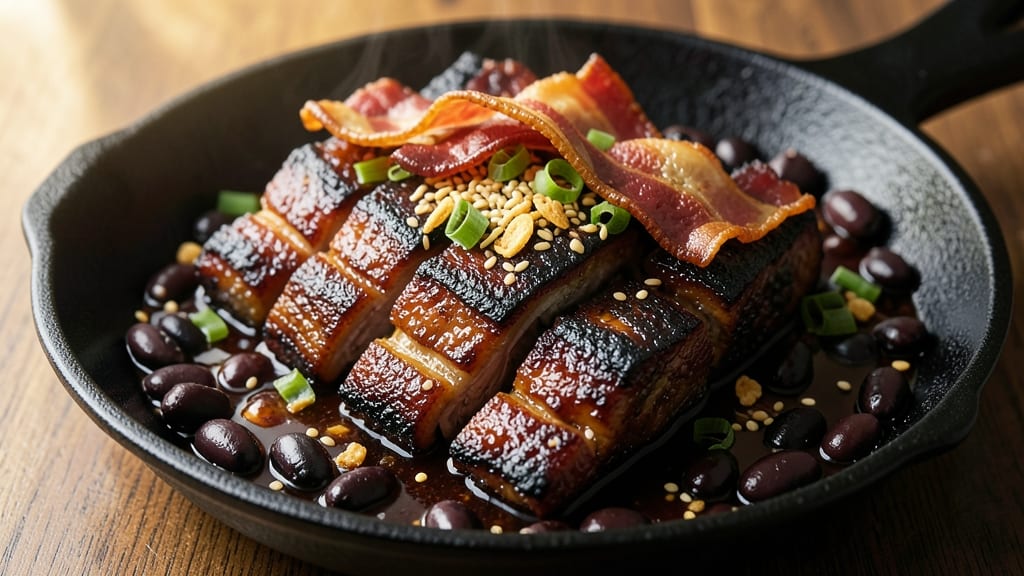
Chinese black bean spare ribs deliver that perfect balance of sticky-sweet crunch and molasses-bacon depth that makes them irresistible. This recipe transforms tough ribs into tender, glossy bites coated in a rich black bean sauce that clings to every edge.
After years of perfecting the marinade and braising technique, I’ve cracked the code for restaurant-quality results at home—no smoker required.
The secret lies in the marinade, where fermented black beans, molasses, and bacon create a complex flavor profile that tenderizes the meat while building layers of sweetness and smokiness.
You’ll braise the ribs low and slow until they’re fork-tender, then finish them with a quick sear to lock in the juices and develop that signature caramelized crust. The sauce reduces to a thick, glossy glaze that coats the ribs perfectly.
What you’ll end up with is a dish that’s deeply flavorful, with ribs that are tender yet sturdy enough to hold their shape. The sauce delivers a perfect balance of sweet, salty, and umami, while the molasses-bacon notes add a smoky depth that’s hard to resist.
These ribs are ideal for serving at gatherings or as a showstopping weeknight dinner.
Serve them with steamed jasmine rice and stir-fried bok choy to complete the meal. Let’s get started on creating ribs that will have everyone asking for seconds.
Ingredients for chinese black bean spare ribs
Four pounds of ribs, a splash of molasses, and bacon make this sticky-sweet masterpiece.
| Ingredient | Amount | Notes |
|---|---|---|
| Spare Ribs 🍖 | 4 lb | Baby back or St. Louis style, trimmed |
| Fermented Black Beans 🫘 | 1 cup | Drained and rinsed well |
| Molasses 🍯 | ½ cup | Unsulphured preferred |
| Bacon 🥓 | ½ lb | Thick-cut, chopped into small pieces |
| Brown Sugar 🍚 | ½ cup | Packed, light or dark |
| Soy Sauce 🥢 | ½ cup | Light or dark, your choice |
| Garlic Cloves 🧄 | 6 cloves | Minced finely |
| Ginger Root 🌿 | 1 tbsp | Freshly grated |
| Sesame Oil 🫒 | 1 tbsp | Toasted, for aroma |
| Green Onions 🧅 | 2 whole | White and green parts separated |
| Red Wine Vinegar 🍷 | 2 tbsp | For tangy balance |
| Salt 🧂 | 1 ½ tbsp | Kosher or sea salt |
| Black Pepper 🌶️ | 1 tsp | Freshly ground |
| Cornstarch 🌾 | 2 tbsp | For sauce thickening |
| Vegetable Oil 🫒 | 2 tbsp | For searing ribs |
The ribs are the star, so grab baby back or St. Louis style—they’re more tender and hold up better. Costco or local butchers usually have them in bulk, which is perfect for a crowd. If you can’t find spare ribs, pork shoulder cut into strips works in a pinch, but it won’t have the same texture. Trim off excess fat and silver skin for cleaner bites. The fermented black beans? Asian markets carry them in jars—look for the salty, funky kind, not sweetened. If you can’t find them, substitute 1 cup of black soybeans soaked overnight, but fermented gives that authentic umami punch.
No molasses? Maple syrup or honey will work, but molasses has that deep, smoky sweetness you can’t beat. The bacon is non-negotiable for that rich, smoky depth—thick-cut from a good deli counter adds way more flavor than pre-cooked strips. If you’re watching fat, turkey bacon works, but it’ll be leaner. The brown sugar can be swapped for white sugar or coconut sugar, but packed brown sugar dissolves better. For the sauce, cornstarch is key—it gives that signature glossy finish. If you’re out, arrowroot powder works too, but cornstarch is what you’ll find in most kitchens.
These ribs taste even better the next day—make extra and freeze half for lazy weeknights. Store leftovers in the fridge for 4-5 days, covered tightly. For freezing, wrap each rack in foil, then place in a bag for up to 3 months. The sauce thickens as it cools, so add a splash of water if it’s too stiff when reheating. Serve with steamed jasmine rice and a quick stir-fry of bok choy to soak up all that sticky-sweet goodness.
Why You'll Love This Recipe
- One-Pan Magic: The ribs, bacon, and black beans all go in one pot—no fancy prep, no extra dishes. Honestly, I just dump everything in, let it simmer, and walk away. That’s the kind of recipe that makes me feel like a hero on busy nights.
- Umami Bomb: Fermented black beans and molasses? That combo is ridiculously good—sweet, salty, and funky in the best way. The bacon adds smoky depth, and the brown sugar ties it all together with a caramelized finish that’ll have you licking the plate.
- Weeknight Flex: These ribs work for lunch, dinner, or even a casual potluck. I’ve served them cold in buns for a picnic, reheated them for leftovers, and even turned extra sauce into a quick dipping sauce for veggies. Versatile enough to handle whatever life throws at you.
- Budget-Friendly Feast: Spare ribs and bacon might sound fancy, but this recipe stretches them into a meal that feeds four for less than $15. The black beans add protein without breaking the bank, and the leftovers? Even better the next day—if they last that long.
Step-by-step instructions for Chinese black bean spare ribs
Here's how to make ribs with that perfect sticky-sweet crunch and deep molasses-bacon flavor.
Prep and Sear the Spare Ribs
Start by trimming any excess fat from the 4 lb spare ribs, leaving about ¼ inch of fat cap for flavor and moisture. Cut the ribs into 2-inch sections for even cooking. In a large Dutch oven, heat the 2 tablespoons vegetable oil over medium-high heat until shimmering.
Working in batches, add the ribs to the pot and sear for 3-4 minutes per side until they develop deep golden-brown crusts. Don't crowd the pan—this ensures proper browning. Transfer the seared ribs to a plate and set aside. You'll know they're ready when they release easily from the pan with a spatula.
Cook the Bacon and Build the Sauce Base
In the same Dutch oven, add the 0.5 lb chopped bacon and cook over medium heat until crispy, about 5-6 minutes. Remove the bacon with a slotted spoon and set aside, leaving the rendered fat in the pot. This bacon fat will form the rich foundation of your sauce.
Add the 6 cloves minced garlic and 1 tablespoon freshly grated ginger root to the pot, cooking for 30 seconds until fragrant. Be careful not to burn them—garlic turns bitter quickly. Stir in the 1 cup drained and rinsed fermented black beans, 0.5 cup molasses, 0.5 cup packed brown sugar, and 0.5 cup soy sauce. Bring the mixture to a gentle simmer, stirring occasionally to combine all the ingredients.
Simmer the Ribs in Flavorful Sauce
Return the seared ribs to the Dutch oven, spooning the sauce over them to coat evenly. Add 1 tablespoon toasted sesame oil and 2 tablespoons red wine vinegar to balance the sweetness. Sprinkle the ribs with 1.5 tablespoons salt and 1 teaspoon freshly ground black pepper. The sauce should be thick enough to cling to the ribs but still coat the back of a spoon.
Cover the pot and reduce heat to low. Let the ribs simmer gently for 1 hour 15 minutes, turning occasionally to ensure even cooking. You're looking for ribs that are tender enough to pull apart easily with tongs. If the sauce reduces too much, add ¼ cup water to maintain the right consistency.
Thicken and Finish the Sauce
After the ribs are tender, remove them from the pot and set aside. In a small bowl, whisk together 2 tablespoons cornstarch with 2 tablespoons water to make a slurry. Slowly pour this into the sauce while stirring constantly over medium heat. The sauce will thicken dramatically within 1-2 minutes—keep stirring until it reaches a glossy, jam-like consistency.
Return the ribs to the pot and toss them in the thickened sauce until fully coated. Add the crispy bacon back to the pot and stir to distribute evenly. The ribs should be glistening and sticky with sauce. Remove from heat and let them rest for 5 minutes before serving to allow the juices to redistribute.
Garnish and Serve
Slice the 2 whole green onions into ½-inch rings, separating the white and green parts. Sprinkle the white parts over the ribs for a pop of color and freshness. Serve the ribs hot, garnished with the green onion tops, and accompanied by steamed rice or crusty bread to soak up that delicious sauce.
Each bite should deliver tender, fall-off-the-bone ribs with a perfect balance of sweet, smoky, and tangy flavors. The molasses-bacon depth will make these ribs unforgettable—trust the process and let the flavors shine!
Pro Tips For Making Chinese Black Bean Spare Ribs
- Blanching Beans First: Drain and rinse the fermented black beans under cold water before adding them to the sauce—this cuts the funky ammonia smell by half. I used to skip it and wondered why my ribs always tasted like a Chinese takeout fridge left open.
- Bacon Fat Matters: Render the bacon in a cold skillet first, then crank the heat to medium-high to get that crispy, golden fat before adding ribs. That fat’s the glue holding your sauce together, and it’s worth the extra 3 minutes.
- Don’t Crowd the Ribs: If you’re braising or slow-cooking, give those ribs space—they need room to breathe, or they’ll steam instead of caramelize. I learned this after a batch turned out soggy and sad.
- Molasses First, Sugar Last: Add the molasses to the sauce early, but hold off on the brown sugar until the very end. That way, you avoid a bitter aftertaste and let the molasses mellow into the sauce properly. Trust me, it’s worth the patience.
Common mistakes when making perfect results
Over-Searing the Ribs
Don’t let the ribs brown too deeply before braising—they’ll become tough and dry. I’ve seen home cooks rush the sear, turning the edges dark brown in 5+ minutes instead of the ideal 3-4 minutes.
The goal is a golden crust, not charcoal. If your ribs release with resistance, they’re overdone. Work in batches to avoid crowding the pan, which steams instead of sears. 🔥
Skipping the Sauce Reduction
The sauce needs time to thicken properly, but many people rush this step. If you don’t simmer the ribs long enough (1 hour 15 minutes), the sauce will stay thin and watery.
I’ve made this mistake—skipping the full time left me with ribs that were tender but drowning in a runny glaze. Let the sauce reduce naturally; adding water too soon dilutes the flavor. The cornstarch slurry at the end is non-negotiable for that signature glossy finish.
Using the Wrong Black Beans
Fermented black beans are essential for that funky, umami depth, but many cooks grab sweetened or regular black beans instead. The fermented kind has a salty, tangy edge that regular black beans lack.
If you can’t find them, soak 1 cup black soybeans overnight, but fermented beans are worth the hunt. Asian markets or specialty stores usually carry them. Pro tip: Rinse them well before using to remove excess salt.
Ignoring the Resting Time
After braising, ribs need 5 minutes to rest before serving. I’ve seen people slice into them immediately, and the juices spill everywhere, leaving you with dry, stringy meat. Resting lets the juices redistribute, ensuring each bite is moist and flavorful.
Cover the ribs loosely with foil during this time to keep them warm. Trust me, this small step makes a huge difference in the final texture.
Overcrowding the Dutch Oven
Crowding the ribs in the Dutch oven steams them instead of searing, leading to uneven cooking and a soggy texture. Work in batches—2 racks at a time—to give each rib room to develop that golden crust.
If your pot is too small, use a large skillet for the initial sear. The goal is to brown, not boil. This mistake is easy to make, but it’s one of the most common reasons ribs turn out disappointing.
Burning the Garlic and Ginger
These aromatics add depth, but they burn quickly. I’ve seen cooks walk away for just a minute, and suddenly, the garlic turns bitter. Cook them for only 30 seconds over medium heat until fragrant, not browned.
If they start to darken, remove the pot from heat and let them cool slightly. Freshly grated ginger and minced garlic should perfume the air, not fill it with a burnt smell. This small detail makes a big difference in the final flavor profile. 💡
Nutrition facts
Frequently asked questions
Can I make these ribs in a slow cooker?
Transfer the seared ribs and sauce ingredients to a 6-quart slow cooker and cook on low for 6-7 hours or high for 3-4 hours. The ribs will be tender, but the sauce may need extra thickening at the end. Just whisk in the cornstarch slurry off the heat to avoid overcooking. The slow cooker method is perfect for hands-off prep.
What if I can't find fermented black beans?
Fermented black beans are key for that authentic umami punch, but you can substitute by soaking 1 cup black soybeans overnight in water with 1 teaspoon salt. Drain before using. For extra depth, add 1 teaspoon fish sauce to the marinade. The flavor won't be identical, but it'll still be delicious.
How do I store and reheat leftovers?
Store ribs in an airtight container for up to 4 days in the fridge. To reheat, place them in a skillet over medium-low heat with 1-2 tablespoons water to restore moisture. Cover and heat for 5-7 minutes until warmed through. For microwave reheating, cover with a damp paper towel and heat in 30-second bursts until hot. The sauce may thicken further—add a splash of water if needed.
Can I grill these ribs instead of braising?
Yes! After searing, transfer the ribs to a grill and cook over indirect medium heat for 2-2.5 hours, brushing with the sauce every 30 minutes. Finish with a 2-minute direct flame sear to caramelize. Grilling works especially well for St. Louis-style ribs, which hold up better to high heat. Just keep the ribs moist with sauce or a spray bottle. The smoky flavor pairs beautifully with the molasses-bacon notes.
Why do my ribs turn out dry?
Dry ribs usually mean one of two things: overcooking or skipping the resting time. Braise until ribs are fork-tender (1 hour 15 minutes), not fall-apart tender. Also, never skip the 5-minute rest after cooking—juices need time to redistribute. If using a grill, keep the ribs covered with foil to retain moisture. For extra insurance, baste with sauce every 20 minutes during cooking.