
Side Dishes
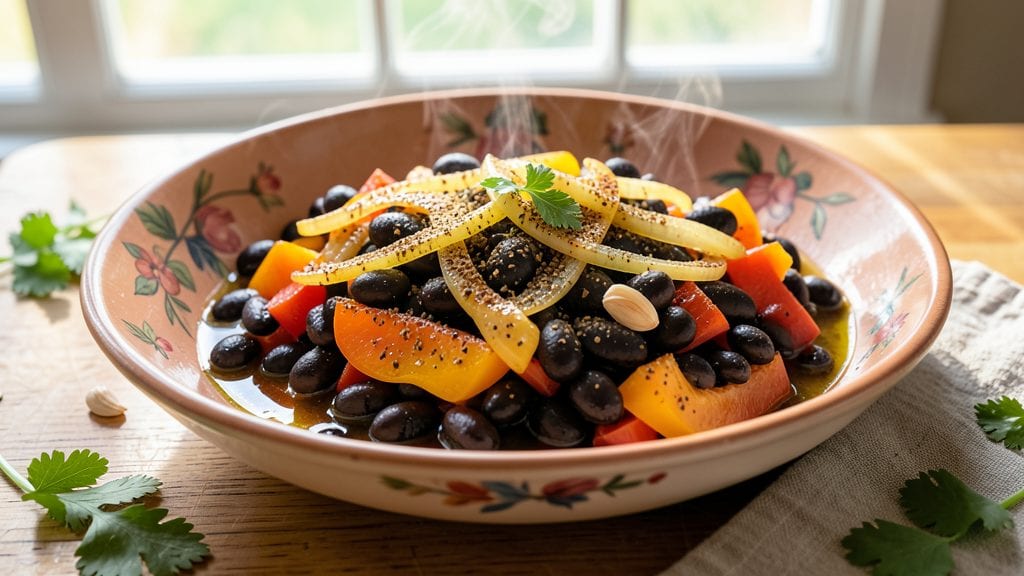
This Cuban black beans recipe brings the soul of Havana to your table with a rich, smoky depth that comes from slow-cooked sofrito and traditional spices.
The secret lies in soaking the beans overnight and simmering them for hours, allowing flavors to meld into a hearty, satisfying dish that pairs perfectly with rice or grilled meats.
I first learned this technique from a Cuban neighbor who swore by the method of toasting spices and building layers of flavor through patience.
The recipe relies on simple ingredients—black beans, bell peppers, onions, garlic, and a blend of cumin, oregano, and bay leaves—that transform into something extraordinary when combined with the sofrito base.
The key is low and slow cooking, which breaks down the beans into tender, creamy perfection while developing that signature smoky aroma. This isn’t just a side dish; it’s a flavor experience that turns any meal into a celebration.
What you’ll end up with is a pot of beans so flavorful, it becomes the star of the plate—deeply aromatic, slightly smoky, and just the right balance of tender and hearty. The sofrito, made from sautéed peppers and onions, infuses every bite with a complexity that’s hard to replicate.
This recipe is a testament to how simple ingredients, when treated with care and time, can create something truly special.
Serve it alongside rice for a complete meal or as a side to grilled chicken or pork—it’s versatile enough for weeknight dinners or festive gatherings. The leftovers, if there are any, reheat beautifully, making this a perfect make-ahead dish for busy families. Let’s get cooking!
Ingredients for cuban bean
Simple ingredients transform into smoky, aromatic Cuban black beans with deep flavor and tender texture.
| Ingredient | Amount | Notes |
|---|---|---|
| Dry Black Beans 🍲 | 2 cups | Soaked overnight, drained |
| Yellow Bell Peppers 🌶️ | 1 whole | Diced, seeds removed |
| Yellow Onions 🧅 | 2 whole | Chopped, medium dice |
| Garlic Cloves 🧄 | 6 cloves | Minced, fresh preferred |
| Ground Cumin 🌿 | 2 tbsp | Toasted for depth |
| Dried Oregano 🍃 | 1 tbsp | Mexican preferred |
| Bay Leaves 🌿 | 2 whole | Dried, standard size |
| Extra-Virgin Olive Oil 🫒 | ¼ cup | For sautéing sofrito |
| Vegetable Broth 💧 | 3 cups | Low-sodium preferred |
| Tomato Paste 🍅 | 2 tbsp | Smooth, no sugar added |
| Lemon Juice 🍋 | 2 tbsp | Freshly squeezed |
| Salt 🧂 | 1 ½ tsp | Kosher or sea salt |
| Black Pepper 🌶️ | ½ tsp | Freshly ground |
| Fresh Cilantro 🌿 | ¼ cup | Chopped, for garnish |
The black beans are the foundation—soaking overnight is non-negotiable for tender results. Dried beans from Latin markets or bulk bins at Whole Foods have the best texture, but any high-quality dried beans work. For the sofrito, bell peppers and onions should be fresh, not wilting—Trader Joe's often carries vibrant produce. Toast the cumin and oregano in olive oil until fragrant; this step unlocks their full flavor. The bay leaves add earthiness without overpowering, so don’t skip them. If you’re short on time, pre-soaked beans from a can (drained and rinsed) can substitute, but the flavor won’t be as deep.
No fresh bell peppers? Diced canned roasted red peppers work in a pinch, but reduce to 1/2 cup to avoid excess moisture. Short on cumin? Smoked paprika at half the amount adds a similar depth. The tomato paste can be swapped for 1/4 cup tomato sauce if you prefer. For extra richness, stir in 1 tbsp of soy sauce or coconut aminos at the end—it mimics the umami of traditional Cuban cooking. If you’re serving this to guests who prefer milder flavors, reduce the oregano to 1 tsp and add 1/2 tsp of sweet paprika instead. The cilantro is purely for garnish, so feel free to omit if you dislike it.
This dish tastes even better the next day as flavors meld. Store in an airtight container in the fridge for up to 5 days, or freeze portions for 3 months. For make-ahead prep, cook the beans fully, then reheat with a splash of water or broth to restore creaminess. The sofrito base can be prepped ahead and frozen separately—just thaw and add to the beans when reheating. To serve, spoon over steamed rice or alongside grilled vegetables for a complete meal.
Why You'll Love This Recipe
- No-Soaking Needed: I’ll be real—soaking beans used to stress me out. These black beans? Just a quick rinse and simmer, then let them do their magic. The cumin and garlic work their flavor magic while you’re chopping the peppers, so no waiting around.
- Sweet-Savory Magic: That caramelized onion and bell pepper combo? It’s where this dish gets its soul. The cumin deepens the flavor, but it’s the slow-cooked beans that turn this into something dangerously addictive—creamy, earthy, and just a little smoky.
- Meal Prep MVP: This keeps perfectly for days, which means I can make a big batch on Sunday and have lunch or dinner covered all week. Toss it with rice, serve it cold in wraps, or just eat it straight from the pot—it’s that versatile.
- Budget-Friendly Powerhouse: A pound of dry beans, a few veggies, and spices? This feeds four for under $10. The leftovers taste just as good reheated, so I’m always stocking up—especially when my wallet’s feeling tight but my family’s still hungry.
Step-by-step instructions for Cuban black beans
Here's the method that delivers restaurant-quality Cuban black beans with rich, smoky sofrito flavor every time.
Prepare the Sofrito Base
Heat the 0.25 cup extra-virgin olive oil in a large pot over medium heat. Add the 2 chopped yellow onions and cook for 5 minutes until softened and translucent. This step builds the flavor foundation by caramelizing the onions slightly.
Add the 1 diced yellow bell pepper and continue cooking for another 5 minutes until the vegetables release their moisture and begin to brown. Stir occasionally to prevent sticking. You'll notice the mixture darkens and becomes fragrant—this is when the natural sugars in the vegetables start to caramelize, creating deep flavor.
Toast Spices and Add Aromatics
Add the 2 tablespoons toasted ground cumin and 1 tablespoon dried oregano to the pot. Stir for 30 seconds to toast the spices lightly—this releases their essential oils and intensifies their flavor. You'll see the spices darken slightly and fill the kitchen with their aroma.
Add the 6 minced garlic cloves and cook for 1 minute until fragrant. Immediately add the 2 whole bay leaves, 2 tablespoons tomato paste, and 1.5 teaspoons salt. Stir well to combine all ingredients. The tomato paste will darken slightly as it melts into the sofrito, adding depth and richness to the final dish.
Simmer with Beans and Broth
Add the drained 2 cups dry black beans and 3 cups vegetable broth to the pot. Stir to combine, then bring to a boil. Once boiling, reduce heat to low and simmer uncovered for 45 minutes, stirring occasionally. This slow cooking allows the beans to soften and absorb all the sofrito flavors.
After 45 minutes, check the beans for tenderness. They should be soft but still hold their shape. If they're not yet tender, continue simmering for another 15-20 minutes. The beans are done when they're fork-tender but still maintain their individual shape—this is key for the perfect Cuban black bean texture.
Finish with Acid and Fresh Herbs
Add the 2 tablespoons freshly squeezed lemon juice and 0.5 teaspoon black pepper to the pot. Stir well and simmer for another 5 minutes. The lemon juice brightens the dish and cuts through the richness of the sofrito. You'll notice the beans become even more flavorful as the acidity enhances their natural taste.
Remove the pot from heat and discard the bay leaves. Stir in the 0.25 cup chopped fresh cilantro. Let the beans sit covered for 10 minutes to allow all the flavors to meld together. This resting period is crucial—it lets the beans absorb all the liquid and develop their full flavor profile.
Adjust Consistency and Serve
Before serving, taste and adjust seasoning if needed. The beans should be seasoned perfectly with a balance of smoky, spicy, and tangy flavors. If the beans are too thick, add a little more vegetable broth to reach your desired consistency. Cuban black beans should be saucy enough to coat the back of a spoon but not watery.
Serve the black beans immediately with warm rice, grilled meats, or as a side dish. The beans should be warm and flavorful, with each bite delivering the complex layers of the sofrito. This dish makes 6 generous servings, perfect for family meals or gatherings where everyone loves bold, flavorful beans.
Pro Tips For Making Cuban Bean
- SOAK BEANS OVERNIGHT: I learned this the hard way—skipping the soak means beans that stay stubbornly tough no matter how long you simmer. Use 3 cups water per cup of dry beans, cover, and let them sit 8+ hours. (Yes, even if you're impatient like me, the texture makes all the difference.)
- SWEAT VEGGIES LOW AND SLOW: After burning three batches of onions and peppers, I finally figured out: medium-low heat is your friend here. Let them cook for 10 minutes until soft and glossy before adding garlic—this prevents that bitter, charred flavor that ruins the whole dish.
- TOAST THE CUMIN FIRST: Sounds weird, but it works: dry-toast the cumin in the pot for 30 seconds before adding oil. The nutty aroma deepens instantly, and you won’t need to add extra later. (Your future self will thank you.)
- SIMMER UNTIL BEANS SHRED: Cuban beans should break down into creamy, almost mashed bits—not just soft. After the initial boil, drop to the lowest heat possible and let them bubble gently for 45 minutes. Stir occasionally, and resist the urge to speed it up—patience here guarantees that perfect, velvety texture.
Best sauces and condiments for this cuban bean
Sofrito Essentials
The heart of Cuban black beans lies in the sofrito—a fragrant blend of sautéed peppers and onions that infuses every bite. I always use yellow bell peppers for their natural sweetness, but red bell peppers work too if you prefer a milder touch.
For extra depth, add 1 diced jalapeño (seeds removed) to the sofrito—it adds a subtle heat that balances the dish beautifully. 🌶️
Don’t skip the toasting step for the spices! Lightly toasting ground cumin and dried oregano in olive oil for 30 seconds unlocks their full flavor. I like to use Penzeys Spices for my cumin—it’s consistently high-quality.
For oregano, Mexican oregano (like La Boqueta) has a distinct, earthy flavor that’s essential for authentic taste.
Tomato Paste Tricks
The 2 tablespoons tomato paste in this recipe is non-negotiable—it adds a deep, umami-rich base that simmers into the beans. I always use no-sugar-added paste to avoid any sweetness that could overpower the smoky flavors.
For a smoother texture, blend the paste with 1 tablespoon water before adding it to the pot. This trick prevents clumping and ensures even distribution.
If you’re short on time, swap the tomato paste for ¼ cup tomato sauce (like Muir Glen Organic), but reduce the vegetable broth by ½ cup to maintain the right consistency.
The sauce adds acidity that brightens the dish, but it won’t deliver the same depth as paste. For a smoky twist, stir in ½ teaspoon smoked paprika with the tomato paste.
Acid Balance
The 2 tablespoons lemon juice at the end is what ties the dish together—it cuts through the richness of the sofrito and adds a refreshing brightness. Freshly squeezed lemon is a must; bottled juice lacks the complexity.
If you’re serving this with grilled meats (like mojo-marinated pork chops), the acidity in the beans will complement the smoky, charred flavors perfectly. 🍋
For a tangier finish, add 1 teaspoon apple cider vinegar with the lemon juice. This works especially well if you’re serving the beans as a vegan main dish with rice and avocado.
The vinegar also helps balance the heat if you’ve added jalapeños to the sofrito. Taste as you go—adjust the acidity to your preference!
Herb and Garnish Ideas
Fresh cilantro is the classic garnish, but don’t be afraid to get creative. For a Sicilian touch (thanks to my grandmother’s influence), I sometimes stir in 1 tablespoon chopped fresh basil at the end—it adds a bright, herbal note that pairs beautifully with the smoky beans.
If you dislike cilantro, fresh parsley works just as well.
For extra flair, top the beans with toasted pepitas (pumpkin seeds) or crumbled cotija cheese before serving. The pepitas add crunch, while the cheese brings a salty, tangy contrast.
If you’re serving this at a family gathering, offer a small bowl of hot sauce (like Valentina or Cholula) on the side—it lets everyone customize their heat level.
Nutrition facts
Frequently asked questions
Why do Cuban black beans need to soak overnight?
Soaking removes anti-nutrients that make beans hard to digest and helps them cook faster while keeping their shape. The overnight soak (8+ hours) creates that signature tender yet firm texture that defines authentic Cuban black beans. If short on time, use canned beans but reduce simmering to 30 minutes instead of 45-60 minutes.
Can I make this recipe without tomato paste?
Yes, but the flavor will be less rich. Replace with ¼ cup tomato sauce or 1 tablespoon soy sauce for umami depth. The tomato paste adds natural sweetness and thickness that balances the smoky spices. For a smoky alternative, use ½ teaspoon smoked paprika plus 1 tablespoon apple cider vinegar.
How do I adjust the spice level for kids?
Reduce the oregano to ½ teaspoon and omit the jalapeño entirely. For extra mildness, add ½ teaspoon sweet paprika instead of smoked. The cumin can stay at 2 tablespoons—it’s the warm, earthy flavor kids often enjoy. Always taste before serving and adjust salt to preference.
Can I use canned beans instead of dried?
Drain and rinse 3 cups canned black beans (2 cans) and reduce simmering time to 30-40 minutes. The texture will be slightly softer, but the flavor remains rich. For best results, use low-sodium beans and add extra broth if needed. The sofrito still needs full cooking time to develop its depth.
What's the best way to reheat leftovers?
Reheat gently on the stove with 2 tablespoons water or broth per cup of beans to restore creaminess. Never microwave directly—it makes beans mushy. For oven reheating, cover with foil and bake at 350°F for 15 minutes. Leftovers taste even better the next day as flavors meld further. Store in an airtight container for up to 5 days.