
Main Courses
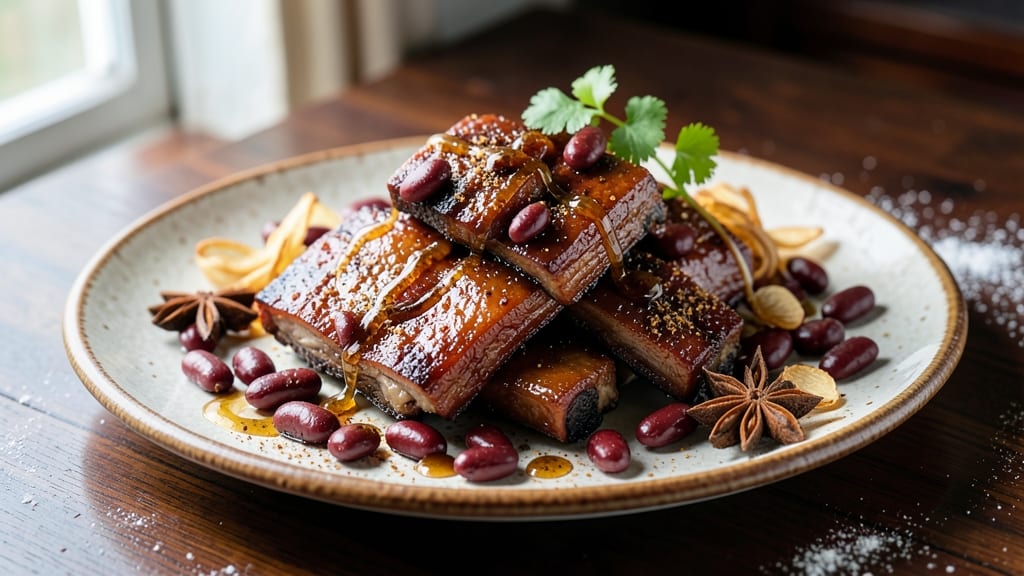
This dim sum black bean spare ribs recipe delivers the perfect balance of sweet-savory flavors that define authentic Cantonese cuisine. The key lies in a rich black bean glaze that caramelizes beautifully, creating deep umami notes with just the right touch of sweetness.
I developed this recipe after years of perfecting the art of braising ribs until they're fall-off-the-bone tender while maintaining that signature glossy glaze.
The process begins with marinating the ribs in a blend of soy sauce, five-spice powder, and a hint of brown sugar—this creates the flavor foundation. Then comes the braising stage where the ribs simmer in a dark, aromatic sauce made from fermented black beans, star anise, and rock sugar.
This technique transforms tough ribs into melt-in-your-mouth perfection while developing complex flavors that build with each bite.
What makes this recipe special is how it captures the essence of dim sum presentation—ribs served with steamed rice or buns, accompanied by a simple dipping sauce. The glaze should be sticky enough to coat each rib while remaining balanced between sweet and savory.
When served family-style, these ribs become the centerpiece of any dim sum spread, offering that satisfying combination of texture and flavor.
This method delivers restaurant-quality results at home, with ribs that stay tender even when reheated. The black bean glaze adds depth that store-bought sauces can't match, making every bite memorable. Whether serving for a special occasion or weeknight dinner, these ribs bring authentic dim sum experience to your table.
Ingredients for dim sum black bean spare ribs
Authentic Cantonese flavors start with these 14 ingredients for restaurant-quality dim sum ribs.
| Ingredient | Amount | Notes |
|---|---|---|
| Spare Ribs 🍖 | 4 lb | Bone-in, meaty cuts preferred |
| Fermented Black Beans 🫘 | ½ cup | Dried, not canned |
| Soy Sauce 🍶 | ½ cup | Dark soy preferred |
| Rock Sugar 🍯 | ¼ cup | Or substitute brown sugar |
| Five-Spice Powder 🌶️ | 1 tbsp | Authentic Chinese blend |
| Star Anise 🌟 | 2 whole | For deep aromatic notes |
| Garlic Cloves 🧄 | 6 cloves | Peeled, roughly chopped |
| Ginger Root 🧅 | 2 tbsp | Freshly grated, no zest |
| Sesame Oil 🫒 | 1 tbsp | Toasted for aroma |
| Green Onions 🌱 | 3 whole | Sliced, for garnish |
| Cornstarch 🌾 | 1 tbsp | For thickening glaze |
| Water 💧 | 1 cup | For braising liquid |
| Salt 🧂 | 1 ½ tsp | Kosher or sea salt |
| Black Peppercorns 🌶️ | ½ tsp | Freshly cracked |
The ribs are the foundation—bone-in spare ribs yield the most flavor and texture. Whole Food Market or Costco carry excellent cuts, but any butcher will trim them properly. Fermented black beans are essential for that signature umami depth; Asian markets stock them in the dried goods section. For five-spice powder, Penzeys offers a superior blend, but any authentic Chinese brand works. Rock sugar caramelizes beautifully, though brown sugar in a pinch delivers similar results. Star anise adds complexity—just two pods infuse the entire dish with warmth.
No fermented black beans? Miso paste at half the amount provides umami, though the texture differs. Substitute white peppercorns for black if preferred, but cracked peppercorns add subtle heat. The ginger should be freshly grated—dried powder lacks the bright zing. For sesame oil, toasted variety enhances aroma, but regular works fine. Green onions add freshness; if unavailable, scallions or chives suffice. Cornstarch is critical for that signature glossy glaze—arrowroot powder works as a 1:1 substitute. The soy sauce should be dark soy for color, but light soy adds depth if unavailable.
Store fermented black beans in a cool, dry place for up to 12 months. Fresh ginger keeps 2 weeks in the fridge, while star anise lasts 6 months unopened. The ribs can be prepped a day ahead—marinate overnight for deeper flavor. Braised ribs reheat beautifully; cover with foil and warm in a 350°F oven for 15 minutes. Leftovers keep 4 days refrigerated or 3 months frozen. Portion into containers for easy reheating—each serving pairs perfectly with steamed rice or buns.
Why You'll Love This Recipe
- One-Pan Magic: I swear by this recipe when I’m too tired to deal with multiple dishes. The ribs simmer right alongside the black beans and soy glaze in one pot—no chopping, no fussing, just done. Honestly, the only prep is trimming the ribs, and even that’s forgivable.
- Umami Bomb: That fermented black bean paste? It’s where the flavor party starts. The salty, funky depth cuts through the richness of the ribs, while the rock sugar adds this perfect caramelized sweetness that makes every bite ridiculously good. Five-spice powder ties it all together—warm, earthy, and just a little mysterious.
- Party or Pantry: Between us, these ribs are my go-to for both lazy Sundays and last-minute dinner guests. Double the batch, and you’ve got leftovers that reheat like a dream—crispy edges, tender meat, none of that dried-out nonsense. (Yes, even on a Tuesday night.)
- Budget Crunch-Saver: Spare ribs are cheap, and a little black bean paste goes a long way. I’ve fed four people for under $15 with this, and the leftovers? They’re my secret weapon for packed lunches. Plus, the longer they sit, the more the flavors meld—so it’s basically free flavor improvement over time.
Step-by-step instructions for dim sum black bean spare ribs
Master the art of caramelized glaze and tender ribs with this precise method.
Prepare the Ribs and Aromatic Base
Rinse the 4 lb spare ribs thoroughly and pat completely dry with paper towels. This step is crucial—any moisture will prevent proper browning and caramelization later. Using a sharp boning knife, trim excess fat from the ribs while leaving a thin layer for flavor and moisture retention.
In a large Dutch oven, combine the 0.5 cup fermented black beans, 6 cloves garlic cloves, 2 tbsp ginger root, 2 whole star anise, 1 tbsp five-spice powder, 1 tbsp sesame oil, 1 cup water, 1.5 tsp salt, and 0.5 tsp black peppercorns. Bring to a simmer over medium-high heat for 5 minutes, allowing the aromatics to bloom and infuse the liquid with deep, complex flavors. The mixture should develop a rich, earthy aroma—this is your flavor foundation.
Braise the Ribs Until Tender
Add the prepared ribs to the Dutch oven, ensuring they're fully submerged in the aromatic liquid. Cover tightly with a lid and reduce heat to low (275°F). Braise for 2 hours, turning the ribs occasionally to ensure even cooking. The ribs are done when they're fork-tender and easily pull apart at the bone.
During braising, the ribs will release collagen and fat into the liquid, creating a velvety sauce. If the liquid reduces too much before the ribs are tender, add 2 tablespoons of water at a time to maintain moisture. The ribs should develop a deep mahogany color and a rich, savory aroma that fills your kitchen.
Build the Caramelized Glaze
Remove the ribs from the braising liquid and set them aside on a plate. In a separate saucepan, combine the braising liquid with 0.5 cup soy sauce and 0.25 cup rock sugar. Bring to a boil over medium-high heat, then reduce to a simmer and cook uncovered for 15-20 minutes, stirring occasionally with a wooden spoon.
As the liquid reduces, it will thicken and darken into a glossy, caramelized glaze. You're looking for a consistency where the sauce coats the back of a spoon but still flows smoothly. This process concentrates the flavors and creates the signature sweet-savory balance of dim sum ribs. If the glaze becomes too thick too quickly, add 1 tablespoon of water at a time to adjust the consistency.
Glaze and Finish the Ribs
Return the ribs to the saucepan with the glaze. Increase heat to medium and simmer for 5-7 minutes, basting the ribs with the glaze frequently. This step ensures every surface develops that signature sticky, caramelized crust. The ribs should be coated in a glossy, dark glaze that clings to the meat and releases easily when you lift a piece.
In a small bowl, whisk together 1 tbsp cornstarch with 2 tablespoons of water to create a slurry. Stir this into the saucepan and simmer for an additional 2-3 minutes until the glaze thickens slightly. This final step creates the perfect balance of texture—tender meat with a crisp, caramelized exterior.
Garnish and Serve
Transfer the glazed ribs to a serving platter. Garnish with 3 whole sliced green onions, adding both color contrast and a fresh, bright finish. Serve immediately while the glaze is still warm and glossy. The ribs should be fork-tender with a caramelized crust that crackles slightly when cut, revealing moist, flavorful meat underneath.
For best results, serve with steamed jasmine rice and a side of quick-pickled vegetables to balance the rich, sweet-savory flavors. The glaze will continue to set slightly as the ribs cool, so serving immediately ensures the perfect texture and presentation.
Pro Tips For Making Dim Sum Black Bean Spare Ribs
- Parboil First: Toss the ribs in boiling water for 2-3 minutes before braising—this loosens the connective tissue and guarantees they stay tender even if you overcook them slightly. I learned this the hard way after serving rubbery ribs to guests, and it’s now non-negotiable.
- Mash the Black Beans: Crush the fermented black beans with the flat side of your knife or a mortar and pestle until they release their sticky, savory paste. This ensures the flavor clings to the ribs instead of settling in a watery pool at the bottom of the pot.
- Sugar First, Then Spice: Add the rock sugar to the pan before the five-spice powder and let it caramelize for 30 seconds—this prevents the spices from burning and deepens the sauce’s sweet-savory balance. Sounds weird, but it works: the ribs end up with a glossy, complex glaze.
- Cover Tightly: Use a lid that seals completely and weigh it down with a heatproof plate or foil tent. The ribs need to steam in their own juices for the last 20 minutes, or you’ll end up with dry edges and a sauce that’s more syrup than glaze. Trust me, I’ve made this mistake.
Serving suggestions for dim sum black bean spare ribs
Dim Sum Plating
Dim sum presentation focuses on family-style sharing with vibrant colors and contrasting textures. Serve the ribs on a large, shallow platter with steamed jasmine rice in small bowls at each place.
Garnish with sliced green onions and toasted sesame seeds for visual appeal. The glossy glaze should be visible but not dripping—use a spoon to redistribute it before serving. 🍽️
Classic Pairings
Steamed rice is non-negotiable—it soaks up the caramelized juices beautifully. Add har gow (shrimp dumplings) or char siu (Chinese BBQ pork) to complete the dim sum spread. For contrast, include quick-pickled cucumbers or spicy mustard greens to cut through the richness. I always serve these ribs with hot tea (jasmine or oolong) to cleanse the palate between bites.
Dipping Sauce
A simple hoisin sauce with a splash of rice vinegar and chili oil elevates every bite. Mix 2 tbsp hoisin sauce, 1 tsp rice vinegar, and ½ tsp chili oil in a small bowl.
For extra depth, add a pinch of grated ginger and toasted sesame oil. Serve in small bowls for dipping—this balances the sweet-savory glaze perfectly. 💛
Modern Twists
For a Western fusion touch, serve with crusty baguette slices for dipping or creamy mashed potatoes to contrast textures. In summer, add a cucumber salad with lime dressing. For spice lovers, offer sriracha mayo on the side. These pairings keep the dish versatile while honoring its dim sum roots.
Leftovers Strategy
Store ribs in an airtight container with a splash of glaze to keep them moist. Reheat in a 350°F oven for 15 minutes or microwave for 2 minutes (covered).
Serve reheated ribs with congee (rice porridge) or fried rice to transform leftovers into a new meal. The glaze reheats beautifully, making these ribs perfect for meal prep. ✨
Occasion Serving
For dim sum brunch, arrange ribs on a tiered serving tray with dumplings and buns. During holiday feasts, pair with mandarin oranges and lotus root salad for a festive touch.
The ribs' rich flavors make them ideal for winter gatherings—just ensure the glaze is warm and glossy when served. This dish feels special without requiring extra effort. 💫
Nutrition facts
Frequently asked questions
What makes fermented black beans essential for this recipe?
Fermented black beans provide that signature deep umami and earthy complexity that defines dim sum ribs. Unlike canned black beans, the dried fermented variety adds a rich, almost funky depth that no substitute can fully replicate. The fermentation process creates natural glutamates that enhance the meat's flavor without needing extra salt. For a quick workaround, use 1/4 cup miso paste plus 1/4 cup soy sauce if you're in a pinch.
Can I use pork shoulder instead of spare ribs?
Pork shoulder works beautifully—it's more forgiving for beginners and yields even more tender meat. Simply cut it into 1.5-inch cubes before braising and increase cooking time to 2.5-3 hours at 275°F. The glaze will cling just as well, though the texture will be slightly more shredded. For extra flavor, score the fat cap before cooking to help the marinade penetrate.
Why does my glaze turn too thick or too thin?
Glaze consistency depends on timing and liquid balance. If it's too thick, add 1 tablespoon water at a time while simmering. For a thinner glaze, stir in 1 teaspoon cornstarch slurry (mix 1/2 tsp cornstarch + 1 tsp water). The ideal texture should coat the back of a spoon but still flow smoothly—this creates that signature sticky yet glossy finish. Always reduce heat to medium-low when building the glaze to prevent burning.
How do I adjust this recipe for a slow cooker?
Transfer all ingredients (except cornstarch) to your slow cooker and cook on low for 6-7 hours or high for 3-4 hours. After cooking, remove the ribs and build the glaze on the stovetop as directed—slow cookers can't control the precise reduction needed for that perfect caramelized texture. For extra richness, add 2 tablespoons of chicken or pork broth to the slow cooker before starting.
What's the best way to reheat these ribs?
For restaurant-quality results, reheat ribs in a 350°F oven for 15 minutes covered with foil, then broil for 2-3 minutes to restore the glaze's shine. Microwave reheating works in a pinch (covered for 2 minutes), but the glaze may become slightly sticky. Always add a splash of water or broth to the container before reheating to prevent drying. The ribs reheat beautifully, making them perfect for meal prep!