
Side Dishes
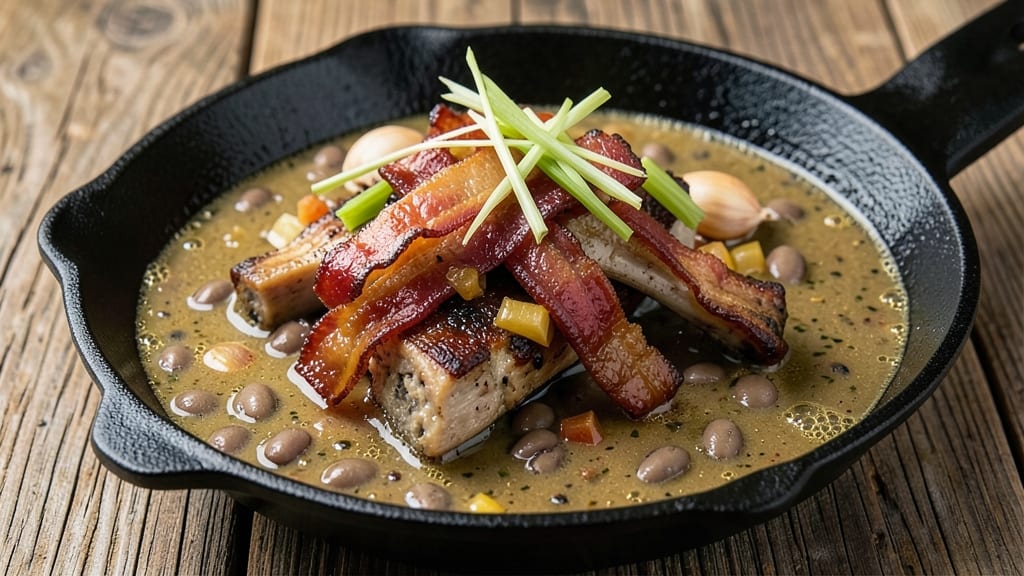
This Southern funeral beans recipe delivers the rich, smoky comfort that's been a tradition at gatherings for generations. The name may sound somber, but the dish itself is anything but—packed with tender pork, savory beans, and crispy bacon that adds just the right crunch.
I’ve perfected this version to balance authenticity with foolproof technique, ensuring every bite carries that deep, satisfying flavor.
The key to great funeral beans lies in the slow simmer, where pork bones and bacon infuse the beans with their natural richness. Unlike quicker recipes, this method builds layers of flavor over time, transforming simple ingredients into something hearty and unforgettable.
The result? A dish that’s as much about nostalgia as it is about taste—perfect for family meals or special occasions.
What makes this recipe stand out is its versatility. While traditional versions rely on pork, a vegetarian adaptation swaps in smoked paprika and mushrooms for depth. The beans emerge tender and flavorful, ready to be served alongside cornbread or collard greens.
This is comfort food at its finest—warm, inviting, and impossible to resist.
Whether you’re honoring a tradition or simply craving a taste of the South, this recipe delivers. The secret? Patience and attention to detail, from soaking the beans properly to balancing the smoky, savory notes. Let’s get cooking—your table will thank you.
Ingredients for funeral beans
Sixteen ingredients transform into Southern funeral beans with deep smoky richness and crispy bacon crunch.
| Ingredient | Amount | Notes |
|---|---|---|
| Dry Navy Beans 🌾 | 2 cups | Uncooked, soaked overnight |
| Pork Shoulder Bones 🥩 | 2 lbs | With meat clinging, cut into chunks |
| Thick-Cut Bacon 🥓 | 1 lb | Smoked, cut into 1-inch pieces |
| Yellow Onion 🧅 | 1 whole | Medium, diced |
| Garlic Cloves 🧄 | 6 cloves | Fresh, minced |
| Celery Stalks 🥬 | 3 whole | Medium, diced |
| Smoked Paprika 🌶️ | 2 tbsp | Sweet or hot variety |
| Ground Black Pepper 🌶️ | 1 tbsp | Freshly cracked |
| Kosher Salt 🧂 | 2 tbsp | Diamond Crystal preferred |
| Apple Cider Vinegar 🍎 | ¼ cup | For tangy depth |
| Tomato Paste 🍅 | ½ cup | Squeeze tube preferred |
| Bay Leaves 🍃 | 2 whole | Dried, standard size |
| Fresh Thyme 🌿 | ¼ cup | Leaves only, chopped |
| Chicken Broth 💧 | 4 cups | Low-sodium preferred |
The pork shoulder bones are the flavor foundation—look for well-marbled cuts at specialty butchers or Costco for the best value. If you can't find bones, pork neck bones work equally well. Soak the navy beans overnight in cold water with a pinch of salt; this ensures they cook evenly and retain their texture. Trader Joe's sells pre-soaked beans, but I prefer the traditional method for authentic results. For the bacon, thick-cut smoked delivers the best crunch and flavor—avoid pre-cooked varieties unless absolutely necessary.
No pork bones? Substitute smoked sausage or ham hocks for depth, though the texture will differ slightly. Fresh thyme unavailable? Dried thyme at one-third the amount works, but fresh imparts a brighter flavor. The apple cider vinegar adds essential tang—substitute lemon juice if needed, though the flavor profile shifts. For the tomato paste, Rao's brand is my go-to for consistent quality, but any quality squeeze tube works. If you're avoiding pork entirely, smoked paprika plus mushrooms can replicate the smoky richness, though the dish loses its traditional soul.
This dish tastes even better the next day as flavors meld. Store leftovers in an airtight container in the fridge for up to 5 days, or freeze portions for 3 months. The beans thicken as they cool, so add a splash of broth when reheating. For serving, sprinkle with extra crispy bacon and fresh thyme—this is where the dish truly shines. Double the recipe if you're feeding a crowd; the extra effort is worth the reward.
Why You'll Love This Recipe
- One-Pot Magic: I swear by this recipe because it’s all in one pot—no fussing with multiple dishes. The pork bones and bacon render down while the beans simmer, so you’re basically hands-off after the initial chop. (Yes, even on a Tuesday night.)
- Deep Umami Bomb: That crispy bacon and smoky pork bones? They melt into the beans, creating a flavor so rich it’ll make you forget takeout exists. The garlic and onions caramelize just enough to add sweetness without overpowering—honestly, it’s the kind of taste that sticks with you.
- Leftovers That Win: This dish actually tastes better the next day. I make a double batch on Sundays, and by Wednesday, it’s still the star of my lunch—no sad, dry beans here. The flavors meld into something heartier, and it reheats like a dream.
- Budget Feast: Between us, this recipe stretches a dollar further than anything else in my freezer. Pork shoulder bones and bacon are affordable, and navy beans last forever. It’s my go-to when I need to feed a crowd without breaking the bank—no one ever leaves hungry.
Step-by-step instructions for Southern-style funeral beans
Transform humble navy beans into rich, smoky comfort with this slow-cooked method—every element works together for deep flavor and tender texture.
Prepare the Beans and Render the Bacon
Drain the soaked dry navy beans and rinse thoroughly under cold water. In a large Dutch oven, cook the beans with the 4 cups chicken broth for 20 minutes until they begin to soften. While they simmer, add the 1 lb thick-cut bacon in a separate skillet over medium heat and cook until the fat renders and the bacon becomes crispy—about 12-15 minutes. Remove the bacon with a slotted spoon and set aside, reserving the rendered fat in the skillet.
The beans should be partially tender but not mushy at this stage. This initial cooking prevents them from breaking down later. Meanwhile, the bacon fat will form the flavor foundation for the entire dish. If the fat isn't golden enough, continue cooking it for another 2-3 minutes until deeply browned.
Build the Flavor Base with Aromatics and Spices
In the same skillet with bacon fat, add the diced yellow onion, minced garlic cloves, and diced celery stalks. Cook over medium heat for 8-10 minutes, stirring occasionally, until the vegetables soften and the onion becomes translucent. Add the 2 tbsp smoked paprika, 1 tbsp ground black pepper, and 2 tbsp kosher salt, stirring constantly for 1 minute until fragrant.
This step develops the dish's signature smoky depth. The paprika should dissolve completely, and the spices should coat the vegetables evenly. If the mixture begins to stick, add 1-2 tablespoons of the reserved bacon fat to keep it loose. Remove the skillet from heat and set aside.
Combine and Simmer the Funeral Beans
Return the partially cooked navy beans to the Dutch oven along with the pork shoulder bones. Add the cooked aromatics, 0.5 cup tomato paste, 0.25 cup apple cider vinegar, 2 whole bay leaves, and 0.25 cup fresh thyme. Stir gently to combine, then add enough water to cover everything by 1 inch. Bring to a boil over high heat, then reduce to a low simmer and partially cover the pot.
The beans will need to simmer for 3-4 hours until fork-tender. The pork shoulder bones should fall off easily, and the beans should hold their shape but be soft throughout. Skim off any foam that rises to the surface during the first 30 minutes of simmering to keep the broth clear. Stir occasionally to prevent sticking, but avoid over-mixing to maintain the beans' texture.
Finish and Serve with Crispy Bacon
Once the beans are tender, discard the pork shoulder bones and bay leaves. Stir in the reserved crispy bacon, breaking it into smaller pieces as you fold it into the beans. Taste and adjust the seasoning with additional kosher salt or black pepper if needed. The beans should have a rich, smoky flavor with a slight tang from the apple cider vinegar.
Serve the funeral beans warm, either as a standalone dish or alongside cornbread, collard greens, or grilled meats. The contrast between the tender beans, smoky spices, and crispy bacon creates a harmonious balance of textures and flavors. For best results, let the beans rest for 10-15 minutes before serving to allow the flavors to meld further.
Pro Tips For Making Funeral Beans
- CRACK THE BEANS FIRST: Soak your navy beans overnight in cold water with a splash of vinegar—this cuts cooking time by nearly half and keeps them from turning mushy. I learned this the hard way when I skipped it and ended up with a pot of gluey, sad beans.
- BROWN THE BACON LOW: Cook the thick-cut bacon at medium heat until the fat renders but the meat stays firm—don’t rush it. High heat makes it crispy too fast, and you lose flavor in the beans. Think "golden, not crispy."
- SIMMER THE BONES LONG: After boiling the pork shoulder bones to blanch them, return them to the pot with the beans and cover with fresh water. Let it simmer uncovered for at least 2 hours—this pulls deep flavor into the broth. Skim the foam off the top in the first 30 minutes.
- SAVE THE BACON GREASE: Don’t drain that bacon fat—use it to sauté the onions and garlic. It adds richness without extra oil, and you’ll end up with a glossier, more flavorful bean dish. (Yes, even if it looks greasy.)
Storing and reheating this funeral beans
Refrigerator Storage
Store leftover funeral beans in an airtight container with a tight-fitting lid, allowing the flavors to deepen overnight. I recommend glass Pyrex containers—they distribute heat evenly and prevent odors from seeping in.
Keep them refrigerated at 40°F or below for up to 5 days, stirring occasionally to redistribute the crispy bacon. The beans will thicken slightly, so add ¼ cup chicken broth when reheating to restore creaminess. 💫
Freezer Prep
For longer storage, portion funeral beans into freezer-safe bags or glass containers, leaving 1-inch headspace for expansion. Seal tightly to prevent freezer burn, and label with the date. These beans freeze beautifully for 3 months, retaining their smoky depth and bacon crunch.
When ready to use, thaw overnight in the fridge before reheating. I avoid microwave thawing—it dulls the crispy bacon texture. ❄️
Stovetop Reheating
My preferred method for reheating is stovetop—it preserves the dish’s integrity. Transfer beans to a heavy-bottomed pot (I use Lodge cast iron) over medium-low heat. Add ¼ cup broth to prevent sticking, then simmer uncovered for 10-15 minutes, stirring occasionally.
The low heat keeps the bacon crispy while warming the beans evenly. Taste and adjust seasoning—funeral beans often need a pinch of kosher salt after reheating. 🔥
Microwave Shortcuts
For quick meals, reheat individual portions in a microwave-safe dish covered with a damp paper towel. Use 50% power for 2-3 minutes, stir, then continue in 30-second intervals until reaching 165°F.
Avoid full power—it turns the beans mushy. If the texture seems dry, add 1-2 tablespoons of broth and stir. This method works for single servings but isn’t ideal for large batches. ⚡
Reviving Texture
If reheated beans lose their crispy bacon crunch, sprinkle with extra crispy bacon bits (I use Oscar Mayer smoked bacon) before serving. For extra richness, stir in 1 teaspoon of bacon fat or smoked paprika to restore depth.
The key is patience—let the beans sit for 5 minutes after reheating to allow flavors to settle. This step makes all the difference for restaurant-quality results. 💡
Serving Leftovers
Funeral beans taste even better the next day, making them perfect for meal prep. Serve with warm cornbread or buttery biscuits to soak up the smoky sauce. Garnish with fresh thyme and a sprinkle of black pepper for a finishing touch.
For a heartier meal, pair with grilled chicken or pulled pork. The contrast of textures and temperatures elevates every bite. 🍽️
Nutrition facts
Frequently asked questions
Why are these called "funeral beans"?
Despite the somber name, funeral beans are a celebratory Southern dish traditionally served at gatherings—including funerals—to honor the deceased with comforting, hearty food. The name likely stems from their rich, warming qualities that bring people together during difficult times. They’re often called "soul food" in many Southern communities.
Can I make funeral beans without pork?
For a vegetarian version, replace pork bones with smoked paprika (add 1 tbsp extra) and mushrooms (sautéed with the onions). Use vegetable broth instead of chicken broth, and add 1 tsp liquid smoke for depth. The dish will still be rich and flavorful, though the texture will differ slightly.
What's the secret to keeping the beans tender?
The key is soaking the beans overnight and partially pre-cooking them for 20 minutes before the long simmer. Avoid over-mixing during cooking, and never let the beans boil vigorously after adding the pork bones. Skimming foam in the first 30 minutes also prevents bitterness. Patience is everything—3-4 hours of gentle simmering builds flavor without breaking the beans.
How can I make these beans smokier?
For extra smokiness, add ½ tsp smoked salt (like Morton's) or 1 tsp chipotle powder when cooking the aromatics. You can also char the onions and celery slightly by cooking them 1-2 minutes longer> over medium-high heat before adding spices. For a campfire touch, finish with a sprinkle of mesquite or hickory wood chips (if using a smoker).
What's the best way to serve funeral beans?
Serve them warm with cornbread or buttery biscuits to soak up the smoky sauce. For a full Southern spread, pair with collard greens, macaroni and cheese, or grilled meats. Garnish with extra crispy bacon and fresh thyme right before serving—this adds texture and freshness. The beans also reheat beautifully, making them perfect for meal prep.