
Side Dishes
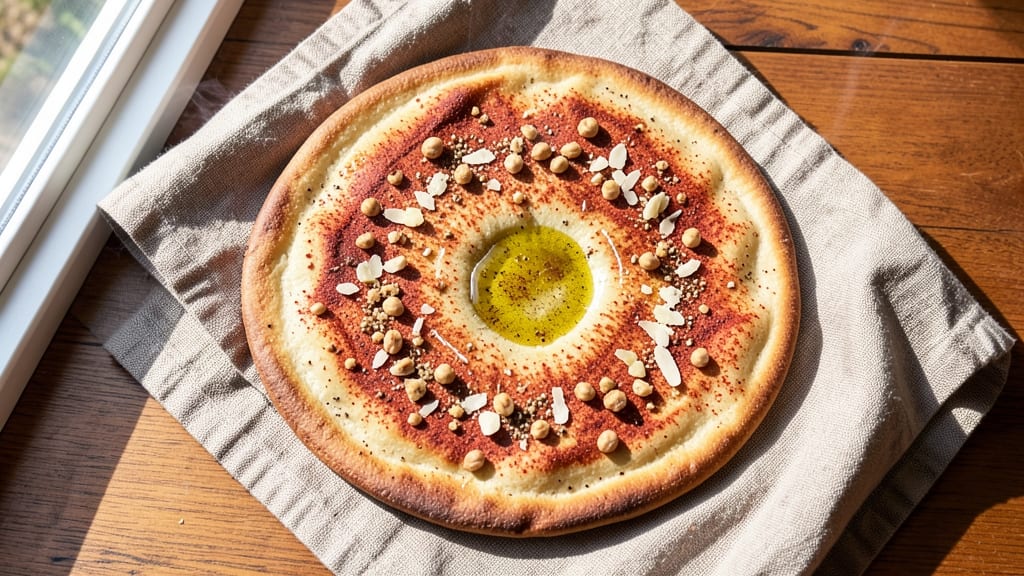
This garbanzo bean flatbread recipe delivers restaurant-quality results with crispy edges and soft centers—all from a single bowl of ingredients. The secret lies in blending chickpeas with simple pantry staples to create a dough that requires no yeast or long fermentation.
I developed this recipe after searching for a plant-based flatbread that could stand up to bold flavors without relying on refined flour.
The beauty of this method is its simplicity: no kneading, no waiting, and no special equipment beyond a skillet or oven. The chickpeas provide natural structure and protein, while warm spices like cumin and paprika deepen the flavor profile.
You'll achieve that perfect contrast—crispy exterior with a tender, slightly chewy interior—every time, even if you're new to flatbread baking.
What makes this recipe truly special is how versatile it is. Use it as a wrap for hearty salads, a base for open-faced sandwiches, or simply enjoy it warm with olive oil and flaky salt.
The dough comes together in minutes, and with just 10 minutes of cooking time, you'll have a batch of flatbreads that taste like they belong in a Mediterranean bistro.
Perfect for meal prep or impromptu gatherings, this recipe proves you don’t need complicated techniques to create impressive results. The key is precision in heat application—whether you choose a skillet, oven, or griddle—and letting the dough rest briefly before shaping. Let’s get started on your first batch!
Ingredients for garbanzo bean flatbread
Pantry staples meet Mediterranean flair—just 12 ingredients for crispy, chewy flatbread magic.
| Ingredient | Amount | Notes |
|---|---|---|
| Canned Garbanzo Beans (Chickpeas) 🌱 | 1 ½ cups | Drained, rinsed, and thoroughly mashed |
| All-Purpose Flour 🌾 | 1 cup | White or whole wheat blend |
| Ground Cumin 🌿 | 1 tbsp | Toasted for deeper aroma |
| Smoked Paprika 🌶️ | 1 tbsp | For rich, smoky depth |
| Extra-Virgin Olive Oil 🫒 | ¼ cup | High-quality, fruity variety |
| Nutritional Yeast 🧀 | 2 tbsp | For cheesy, umami flavor |
| Garlic Powder 🧄 | 1 tsp | Freshly ground preferred |
| Sea Salt 🧂 | 1 tsp | Diamond Crystal preferred |
| Black Pepper 🌶️ | ½ tsp | Freshly cracked for heat |
| Cold Water 💧 | ½ cup | For dough consistency |
| Flaxseed Meal 🌾 | 1 tbsp | Mixed with water for binding |
| Lemon Juice 🍋 | 1 tsp | Freshly squeezed for brightness |
The garbanzo beans are the backbone here—Banza brand or Trader Joe's organic chickpeas mash best, but any canned variety works. Toast the spices first in a dry skillet for 30 seconds to wake up their flavors. Nutritional yeast is a game-changer for that savory depth (find it in the baking aisle or bulk section). For the flour, King Arthur or Bob's Red Mill brands work perfectly—no need for specialty flours. The flaxseed meal acts as our egg substitute, so make sure it's fresh—it loses potency after 3 months in the pantry.
No cumin? Corriander seeds ground fine works in a pinch, though it won't have that earthy warmth. Smoked paprika unavailable? Regular paprika plus a pinch of liquid smoke mimics the effect. The dough should be soft but not sticky—if it's too dry, add 1 tsp more water. Too wet? Sprinkle in 1 tbsp extra flour. For a nutty twist, swap half the flour for almond flour. And if you're short on time, pre-mashed chickpeas from a can (like those in the refrigerated section) save you the mashing step.
This dough keeps for 3 days in the fridge, wrapped tightly in plastic. For longer storage, portion into balls, freeze for up to 3 months, and thaw overnight. Cook straight from frozen—just add 1 extra minute to the cooking time. The flatbreads reheat beautifully in a skillet with 10 seconds per side over medium heat. I like to stack them between paper towels to keep them crispy for 24 hours after baking.
Why You'll Love This Recipe
- No Pantry Panic: I’ll never stress over missing ingredients again—just a can of chickpeas, flour, and spices I already own. The smoked paprika and cumin turn that basic dough into something special without extra shopping.
- Crispy Yet Forgiving: That golden, crackly edge with a soft center? It’s easier than it looks. Even if I roll it unevenly (which I always do), the olive oil keeps it moist and delicious—no sad, dry flatbread here.
- Lunchbox Hero: Between us, this is my go-to for packed lunches. Wrap it around hummus or cheese, or just eat it plain—it holds up all day, no soggy edges. My kids actually finish their lunches now.
- Budget Magic: A single can of chickpeas stretches to four flatbreads, and the spices cost pennies. Honestly, I make a double batch and freeze half—my wallet and future self thank me every time.
Step-by-step instructions for garbanzo bean flatbread
Here's how to transform humble chickpeas into golden, crisp-edged flatbreads with a tender interior.
Create the Chickpea Base
Drain and rinse the 1.5 cups canned garbanzo beans (chickpeas) thoroughly, then transfer them to a food processor fitted with the metal blade. Pulse until completely smooth—you're aiming for a thick, creamy paste with no visible chunks. This will serve as the foundation for our flatbread, providing both structure and that satisfying crispiness.
While the processor runs, I like to scrape down the sides every 30 seconds to ensure even blending. The texture should resemble hummus but slightly thicker. If it feels too dry, add 1 tablespoon cold water at a time until you achieve a workable consistency. This step is critical—properly mashed chickpeas create that signature crispy edge we're after.
Build the Flavor Foundation
In a medium mixing bowl, combine the mashed chickpeas with the 1 cup all-purpose flour, 1 tablespoon ground cumin, 1 tablespoon smoked paprika, 2 tablespoons nutritional yeast, 1 teaspoon garlic powder, 1 teaspoon sea salt, and 0.5 teaspoon black pepper. Using a silicone spatula, fold these ingredients together until you achieve a uniform, crumbly mixture that resembles coarse sand.
Here's the thing—don't overmix. You want to preserve some texture in the flour so your flatbread develops that perfect crispy exterior. The spices should be evenly distributed but still visible as tiny specks throughout. This is where the magic happens—the combination of toasted cumin, smoky paprika, and umami-rich nutritional yeast creates that irresistible savory depth we crave in every bite.
Incorporate Binding Agents
Create a simple flax egg by whisking together the 1 tablespoon flaxseed meal with 3 tablespoons cold water in a small bowl. Let this mixture sit for 5 minutes while you prepare the rest of your ingredients—it should thicken into a gel-like consistency that resembles raw egg whites. This flax egg serves as our plant-based binder, replacing traditional eggs while maintaining structure.
To the dry mixture, add the 0.25 cup extra-virgin olive oil, 1 teaspoon lemon juice, and the prepared flax egg. Using your hands, knead the dough gently for 2-3 minutes until it comes together into a smooth, pliable ball. If the dough feels too dry, add 1 tablespoon cold water at a time until it reaches a consistency similar to playdough. The lemon juice brightens the flavors while preventing the dough from becoming too dense.
Shape and Rest the Dough
Divide the dough into 4 equal portions (about 3 ounces each) and roll each portion between two sheets of parchment paper using a rolling pin. Aim for ⅛-inch thickness—this creates the perfect balance between crispy edges and soft centers. The paper prevents sticking and makes rolling much easier, especially for beginners.
Here's a pro tip: If your dough resists rolling or cracks, let it rest for 10 minutes covered with a damp towel. This brief rest period relaxes the gluten and makes shaping much easier. Once rolled, stack the flatbreads on top of each other and cover with a clean kitchen towel. Allow them to rest for 20 minutes at room temperature—this step is crucial for developing flavor and preventing cracking during cooking.
Cook to Crispy Perfection
Heat a large skillet over medium-high heat until it's properly preheated—you should see a slight shimmer when you hold your hand about 2 inches above the surface. Working with one flatbread at a time, carefully transfer it to the hot skillet. Cook for 2-3 minutes per side until the edges turn deep golden brown and the centers feel slightly firm to the touch.
Here's where attention to detail pays off: Watch for the edges to develop a crispy, almost lacy texture while the centers remain soft and pliable. If you see the flatbread puffing up, gently press down with a spatula to maintain even thickness. The lemon juice in the dough will help prevent burning while adding that bright, fresh finish. Serve immediately while still warm—these flatbreads are best enjoyed straight from the pan when they're at their crispiest.
Pro Tips For Making Garbanzo Bean Flatbread
- Mash Chickpeas Thoroughly: I learned this the hard way—skipping this step leaves you with a dough full of gritty bits that ruin texture. Use a fork first to break them up, then press through a mesh strainer or mash with the back of a spoon until it’s smooth. No food processor? A potato masher works, but elbow grease is non-negotiable.
- Rest Dough Like Dough: After mixing, let the dough sit covered for at least 30 minutes—yes, even if you’re impatient. This lets the flour absorb the chickpea moisture properly, so your flatbread doesn’t crack or tear when rolling. I used to skip it, and the results were always uneven.
- Skip the Extra Oil: The dough already has enough fat from the olive oil and mashed chickpeas—adding more makes the flatbread greasy. Brush the pan or skillet with just a light coat of oil (about 1 tsp) before cooking. Trust me, it crisps up better without swimming in oil.
- Press Flat, Not Thin: Roll the dough to about ¼-inch thickness—thinner spots burn before the rest cooks through. Press firmly with your palm if the roller leaves gaps, and resist the urge to make it paper-thin. The chickpea flavor needs room to shine, not hide in a crispy shell.
Make-ahead tips for leftovers
Dough Prep Ahead
Prepare the dough up to 3 days in advance by mixing all ingredients and storing in an airtight container. I wrap mine tightly in plastic wrap to prevent drying.
When ready to cook, simply divide and roll—no need to remake the entire batch. The flavors deepen over time, making prepped dough even more flavorful. 💡
Freezer-Friendly Balls
Shape the dough into 4 equal balls and freeze them on a parchment-lined tray for 1 hour to firm up. Transfer to a ziplock bag and store for up to 3 months.
Thaw overnight in the fridge or at room temperature for 1 hour. Cook straight from frozen by adding 1 extra minute per side in the skillet.
Flatbread Stacking
After cooking, stack flatbreads between layers of paper towels while still warm. Place a light weight (like a cast-iron skillet) on top for 10 minutes to maintain crispness. This method keeps them fresh for 24 hours at room temperature—perfect for meal prep. 🌟
Reheating Secrets
Revive stale flatbreads by heating in a dry skillet over medium heat for 30 seconds per side. For oven reheating, bake at 350°F for 5 minutes to restore crispiness. Avoid microwaving—it makes them soggy. A quick skillet refresh brings back that fresh-from-the-pan texture.
Batch Cooking Tips
Make a double batch and freeze half the shaped flatbreads (wrapped in parchment). Cook fresh batches as needed—this ensures you always have crispy flatbreads ready for wraps or dipping.
I keep one batch in the fridge and one in the freezer for ultimate convenience. The dough itself doesn't freeze well, so shape before freezing.
Equipment Shortcuts
No rolling pin? Use a heavy wine bottle or even a smooth-sided pan to roll out the dough. For extra crispiness, press the edges with a fork before cooking.
A nonstick skillet (like Cuisinart MultiClad) prevents sticking without extra oil. Keep a spray bottle handy for dusting parchment if the dough sticks during rolling. ⚡
Nutrition facts
Frequently asked questions
Can I make this flatbread without a food processor?
Mash the 1.5 cups chickpeas by hand with a fork or potato masher until completely smooth. For extra creaminess, place them in a resealable bag and crush with a rolling pin. The texture won't be perfectly uniform, but it'll still work—just expect slightly less crispy edges.
Why does my flatbread crack or puff up during cooking?
This happens when the dough isn't properly rested or the heat is too high. Always let the dough rest for 20 minutes before cooking, and use medium-high heat (not high). Gently press any puffing spots with a spatula to maintain even thickness. The flax egg helps prevent excessive puffing, but proper heat control is key.
How can I make these extra crispy?
For maximum crispiness, roll the dough to ⅛-inch thickness and press the edges with a fork before cooking. Use a nonstick skillet and keep the heat at medium-high—too low will make them soft. Cook until edges are deep golden brown. For oven crispiness, bake at 425°F for 8-10 minutes on a parchment-lined tray.
What are the best toppings for this flatbread?
Fresh herbs like parsley or cilantro, a drizzle of extra-virgin olive oil, and flaky sea salt elevate the flavor. Try za'atar seasoning, roasted red pepper hummus, or avocado slices. For a savory kick, sprinkle with smoked paprika or crumbled feta (if not keeping it vegan). Warm toppings like caramelized onions work best.
Can I use whole wheat flour instead of all-purpose?
Yes, but replace ½ cup of the all-purpose flour with whole wheat to maintain texture. Whole wheat absorbs more liquid, so reduce the water by 1 tablespoon if needed. The flavor will be nuttier, but the flatbread may be slightly denser. For best results, use a 50/50 blend of all-purpose and whole wheat.