
Side Dishes
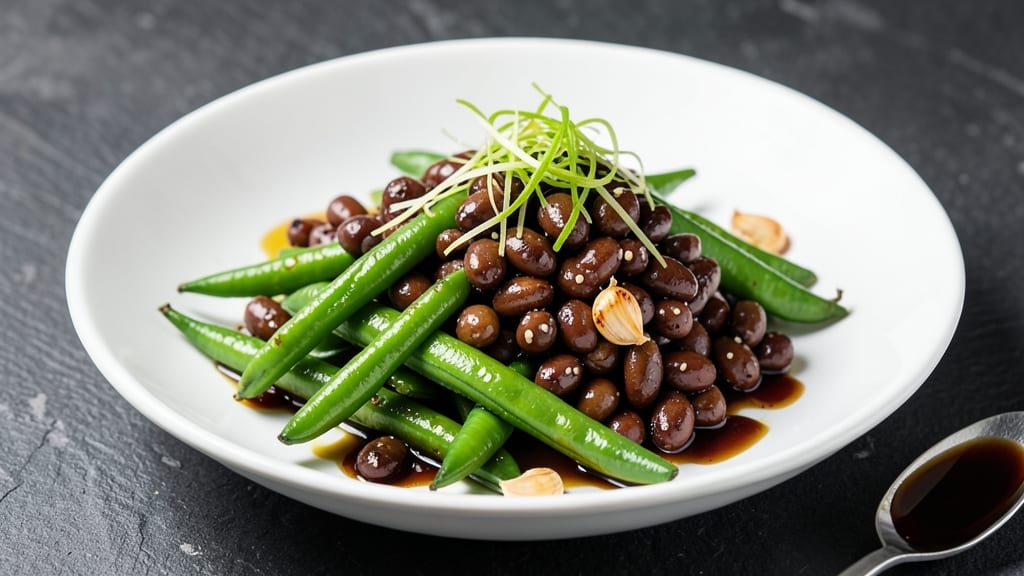
This green beans with fermented black beans recipe transforms a simple side dish into a bold, umami-packed centerpiece that delivers restaurant-quality depth in just 25 minutes.
The fermented black beans—sour, funky, and deeply savory—add a complexity that elevates fresh green beans from ordinary to extraordinary, creating a perfect balance of textures and flavors.
I first discovered this technique while searching for ways to make vegetables more exciting without heavy sauces, and it quickly became a staple in my rotation.
What makes this dish truly special is how the fermented black beans work their magic: their tangy, slightly salty profile cuts through the natural bitterness of green beans while adding a satisfying crunch.
The recipe relies on simple techniques—quick sautéing and proper seasoning—to preserve the beans' natural freshness while letting their umami shine. No special equipment is needed, just a stovetop and a few pantry staples you likely already have.
The result is a dish that's vibrant, flavorful, and packed with contrast: bright green beans with crisp-tender edges, plump fermented black beans that pop with every bite, and a seasoning blend that ties everything together.
The aroma alone—herby, slightly funky, and undeniably appetizing—will have everyone at the table asking for seconds. This is the kind of side that turns into the star of the meal.
Whether you're serving it alongside grilled meats, roasted vegetables, or as a standalone vegetarian dish, this recipe delivers depth and excitement without the fuss. The fermented black beans can be found in most Asian grocery stores or online, and the preparation is straightforward.
Let’s get cooking—your taste buds will thank you.
Ingredients for green beans with fermented black beans
Fermented black beans and fresh green beans—simple ingredients that pack serious umami flavor.
| Ingredient | Amount | Notes |
|---|---|---|
| Fresh Green Beans 🥦 | 1 ½ lb | Trimmed, cut into 2-inch pieces |
| Fermented Black Beans 🫘 | 1 cup | Rinsed, patted dry |
| Sesame Oil 🫒 | 2 tbsp | Toasted for aroma |
| Garlic Cloves 🧄 | 4 cloves | Minced, fresh preferred |
| Fresh Ginger 🌿 | 1 tbsp | Grated, finely |
| Soy Sauce 🍶 | 2 tbsp | Light or dark variety |
| Rice Vinegar 🍶 | 1 ½ tbsp | White or seasoned |
| Sesame Seeds 🌰 | 1 tbsp | Toasted for crunch |
| Vegetable Oil 🫒 | 2 tbsp | High smoke point |
| Diamond Crystal Kosher Salt 🧂 | ½ tsp | Adjust to taste |
| Ground Black Pepper 🌶️ | ¼ tsp | Freshly cracked |
| Red Chili Flakes 🔥 | ½ tsp | Optional, for heat |
| Fresh Cilantro 🌿 | ¼ cup | Chopped, for garnish |
Fermented black beans are the game-changer here. Asian grocery stores or online retailers like Amazon Fresh usually carry them in jars or cans labeled as 'black bean sauce' or 'fermented soybeans.' Look for ones with a tangy, slightly salty aroma—avoid any that smell overly sour or vinegary. Fresh green beans should be bright green and crisp; Trader Joe's and Whole Foods often have the best quality. If you can't find fermented black beans, black bean sauce from a jar (like Lee Kum Kee) works in a pinch, but it won’t have the same depth of flavor. The sesame oil should smell nutty and toasty—Kadoya or La Choy are solid budget options.
No fermented black beans? Substitute with a mix of black bean sauce and a splash of vinegar—just remember it won’t have the same funky crunch. Fresh ginger is ideal, but ground ginger at half the amount works if you're short on time. For the soy sauce, tamari adds a nutty twist if you're gluten-sensitive. The sesame seeds can be swapped for crushed peanuts if you’re avoiding sesame, but they’ll change the texture. If you’re feeling adventurous, add a dash of fish sauce—but since this is vegetarian, skip it or use a splash of vegetable-based fish sauce substitute like Vegenaise’s vegan fish sauce. The green beans can be subbed with snap peas or asparagus for a similar crunch.
This dish reheats beautifully—just toss it with a little water or oil and warm it through. Keeps in the fridge for 4 days if stored in an airtight container, but honestly, it’s best fresh. For meal prep, portion into containers with the fermented beans so the flavors meld overnight. The sesame oil and seeds can be toasted ahead and stored in a jar for up to 2 weeks—just keep them in a cool, dark place. If you’re serving this as a side, let it sit for 10 minutes after cooking so the flavors really develop.
Why You'll Love This Recipe
- One-Pan Magic: I swear by this recipe on days when I’d rather not wash a million dishes—just toss everything in one pan, stir, and walk away. The fermented black beans add that funky depth without extra prep, and the green beans crisp up perfectly with minimal fuss.
- Umami Bomb: That first bite? The garlic and ginger sizzling in sesame oil with the tangy fermented black beans? It’s like a flavor explosion in your mouth—savory, slightly funky, and just sweet enough. Honestly, the black beans make this dish ridiculously good without any fancy ingredients.
- Meal Prep MVP: This keeps beautifully in the fridge for days, so I double the batch and use it for lunches or quick dinners. The flavors actually get better as it sits, and it’s perfect cold in salads or reheated with a sprinkle of sesame seeds. My go-to for busy weeks.
- Budget Boost: Fermented black beans stretch this dish far—just a handful adds serious flavor without breaking the bank. Plus, green beans are cheap and versatile, so I can make this on a tight budget and still feel like I’m treating myself. (Yes, even on a Tuesday night.)
Step-by-step instructions for green beans with fermented black beans
This umami-packed dish comes together faster than you'd think—crisp-tender green beans meet fermented black beans in a flavor explosion.
Blanch the Green Beans for Crisp-Tenderness
Fill a large pot with 2 quarts of water and bring to a rolling boil. Add 0.5 teaspoon of diamond crystal kosher salt and the 1.5 pounds of fresh green beans (trimmed and cut into 2-inch pieces). Cook for 3-4 minutes until they're bright green and just beginning to soften—you want them to hold their shape but yield slightly when pierced with a fork.
This quick blanching removes any bitterness and ensures the green beans stay crisp when finished. Immediately drain and transfer them to an ice bath for 1 minute to stop the cooking process. Drain again and pat thoroughly dry with paper towels—any moisture will steam the beans instead of crisping them in the wok.
Toast Aromatics and Build the Flavor Base
Heat 2 tablespoons of vegetable oil in a large wok or skillet over medium-high heat until shimmering. Add the 4 minced garlic cloves and 1 tablespoon of finely grated fresh ginger, cooking for 30 seconds until fragrant but not browned—you're looking for a gentle sizzle, not charring. Add the 1 cup of rinsed, patted-dry fermented black beans and stir for 1 minute to let their deep umami flavors develop.
Here's where the magic happens: pour in the 2 tablespoons of soy sauce and 1.5 tablespoons of rice vinegar, stirring constantly for 1 minute until the liquid reduces by half. The beans should be glistening and the aroma should be intense—this is your flavor foundation. Keep the heat at medium-high throughout this process to maintain the wok's searing power.
Wok the Green Beans with Fermented Black Beans
Add the blanched green beans to the wok along with 0.25 teaspoon of ground black pepper and 0.5 teaspoon of red chili flakes (if using). Stir-fry for 3-4 minutes over high heat, tossing constantly to prevent sticking. You'll see the beans develop a glossy sheen from the reduced sauce—this is exactly what you want. The green beans should be heated through but still crisp with a slight bite.
Push the vegetables to one side of the wok and add 2 tablespoons of toasted sesame oil (heat it for 10 seconds to release its aroma). Toss everything together for 30 seconds to coat evenly. The sesame oil's nutty depth will elevate the dish from good to extraordinary. Taste and adjust seasoning with additional soy sauce or rice vinegar if needed—this is your final flavor checkpoint.
Finish with Toasted Sesame Seeds and Fresh Cilantro
Transfer the green bean mixture to a serving platter and sprinkle with 1 tablespoon of toasted sesame seeds. While the seeds are still warm, add 0.25 cup of chopped fresh cilantro, tossing gently to distribute evenly. The contrast of cool cilantro against the warm, umami-packed beans creates a perfect balance of textures and temperatures.
Serve immediately while the beans are still crisp and the aromatics are at their peak. This dish holds up well for 20 minutes at room temperature, but the texture will begin to soften. Pair with steamed jasmine rice to soak up every last bit of that fermented black bean sauce—it's that good.
Pro Tips For Making Green Beans With Fermented Black Beans
- Blanch First, Stir-Fry Fast: Get your green beans into boiling water for exactly 2 minutes—no more—then shock them in ice water. This keeps them crisp while you prep the fermented black beans, garlic, and ginger. I learned this the hard way when my beans turned mushy mid-stir-fry, and it’s the only way to guarantee they stay bright and snappy.
- Rinse Fermented Black Beans: Drain and rinse your fermented black beans under cold water before using—even if they look clean. The brine can make your dish too salty or overpower the green beans’ freshness. My grandmother swore by this, and she was right: a quick rinse keeps the flavors balanced.
- Bloom the Garlic: Heat your wok or pan until it’s smoking, then add the minced garlic and let it sizzle for 10 seconds before tossing in the ginger. This prevents raw garlic flavor and deepens the aroma—no need to overcrowd the pan. Sounds weird, but it works: the garlic actually caramelizes just enough to make the dish sing.
- Finish with Sesame Oil: Drizzle the sesame oil in last, right after removing the pan from heat. If you add it too early, it burns and turns bitter. A quick toss coats the beans perfectly—about ½ teaspoon is enough to add nutty depth without overpowering. I skip this when I’m lazy, but the dish is noticeably better when I don’t.
Best sauces and condiments for this dish
Sesame Oil Magic
Toasted sesame oil is the secret weapon here—its nutty aroma transforms this dish from good to unforgettable. I always heat 2 tablespoons in the wok for just 10 seconds before tossing everything together.
This releases the oil's full flavor without burning it. For extra depth, use Kadoya toasted sesame oil—it has a richer, more complex profile than the untoasted variety. 🌟
Fermented Black Bean Sauce
Skip the store-bought sauce and use fermented black beans for authentic depth. Rinse 1 cup thoroughly to remove excess salt, then pat them dry before adding to the wok. The tangy, funky flavor cuts through the green beans' natural bitterness while adding a satisfying crunch.
If you can't find them, Lee Kum Kee black bean sauce works in a pinch, but it won't have the same texture or complexity.
Umami Boosters
For an extra layer of flavor, add 1 teaspoon of fish sauce (or vegetable-based fish sauce for vegetarian) when building the flavor base. The savory depth complements the fermented black beans beautifully.
I also love adding ½ teaspoon of white pepper for a subtle, aromatic kick that pairs perfectly with the sesame oil. 💡
Sweet-Savory Glaze
Balance the umami with a touch of sweetness by adding 1 teaspoon of honey or maple syrup to the reduced sauce. The natural sweetness enhances the fermented black beans' tang while rounding out the dish.
Stir it in during the final 30 seconds of cooking to let the flavors meld. This works especially well if you're serving this as a standalone vegetarian dish.
Spicy Kick Options
For heat lovers, add 1 teaspoon of gochujang (Korean chili paste) when building the flavor base. It adds a sweet-spicy depth that pairs perfectly with the sesame oil and fermented black beans.
If you prefer a simpler heat, ½ teaspoon of crushed red pepper flakes or 1 thinly sliced fresh chili works beautifully. Adjust to taste—this dish should be bold but balanced. 🌶️
Herbaceous Finishes
Beyond cilantro, try finishing with thinly sliced scallions or fresh Thai basil for a brighter, more aromatic finish. The basil's anise notes add a unique twist, while scallions provide a crisp contrast.
I also love adding a few leaves of fresh mint for a refreshing, cooling element that cuts through the richness. Garnish just before serving to preserve the herbs' freshness.
Nutrition facts
Frequently asked questions
Where can I find fermented black beans for this recipe?
Look for them in the Asian foods section of most grocery stores or order online from retailers like Amazon Fresh. They're often sold in jars labeled "fermented black beans" or "black bean sauce." If unavailable, Lee Kum Kee black bean sauce works as a substitute, though it won't have the same crunchy texture.
Can I make this recipe without sesame oil?
Yes! If you're avoiding sesame, substitute with toasted peanut oil or avocado oil for a neutral base. For flavor, add 1 teaspoon of peanut butter (stirred into the sauce) or toasted crushed peanuts as a garnish. The dish will still taste great—just with a different nutty profile.
How do I prevent the green beans from getting mushy?
Blanching is key—cook them for only 3-4 minutes until just tender-crisp, then immediately shock in ice water to stop cooking. Pat them completely dry before stir-frying, and work over high heat for 3-4 minutes max to maintain their crunch. Overcrowding the pan also causes steaming—keep portions small.
What's the best way to store leftovers?
Store in an airtight container in the fridge for up to 4 days. The texture softens over time, so reheat gently with a splash of water or oil. For best flavor, portion the fermented black beans separately and mix fresh when reheating. The sesame seeds can be added back after reheating for extra crunch.
Can I use frozen green beans instead of fresh?
Thaw frozen beans first, then pat them very dry before stir-frying. Since they're already blanched, skip the initial boiling step. Frozen beans work best when cooked 1-2 minutes less than fresh to maintain texture. The flavor will be slightly milder but still delicious.