
Side Dishes
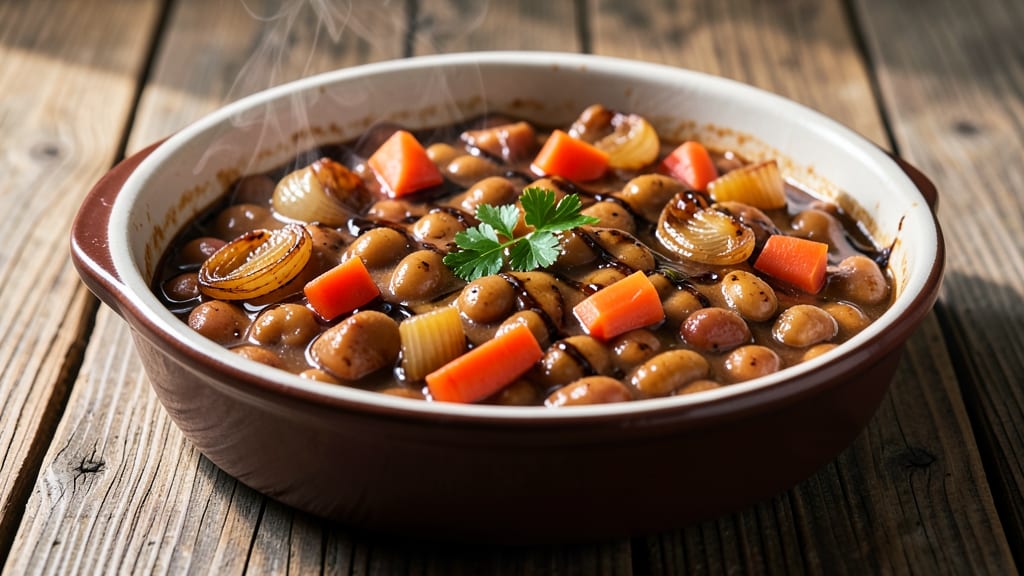
Transforming simple Heinz baked beans into a slow-simmered British masterpiece reveals their hidden potential for deep molasses and mustard complexity. This recipe takes inspiration from traditional British pub food, where beans aren't just a side but the star of hearty stews and pies.
The key lies in simmering them with aromatic vegetables and spices until the sauce thickens into a rich, velvety glaze.
What makes this dish truly special is how it balances sweet and tangy flavors through molasses and Dijon mustard, creating a sauce that's both familiar and elevated. Unlike standard baked beans, this version develops layers of caramelized depth from slow cooking—transforming a pantry staple into something restaurant-worthy.
The process requires just 30 minutes of active time but yields a dish that tastes like it simmered all day.
By the end, you'll have tender beans swimming in a glossy sauce that's perfectly balanced between sweet, smoky, and slightly tangy. The texture becomes luxuriously thick, clinging to every bean while maintaining that comforting British pub food quality.
This is the kind of dish that pairs beautifully with mashed potatoes, crusty bread, or even as a filling for a classic cottage pie.
The beauty of this recipe lies in its versatility—it works as a standalone vegetarian main or as a hearty side that complements roasted meats. The slow-simmered technique ensures maximum flavor extraction, making every spoonful rich and satisfying. Let's bring British pub-style beans to your table with this professional approach.
Ingredients for heinz beans british
British pub flavors start with these simple, rich ingredients transforming basic baked beans into a hearty stew.
| Ingredient | Amount | Notes |
|---|---|---|
| Heinz Baked Beans 🍲 | 2 cans | Original recipe, not reduced sodium |
| Molasses 🍯 | ¼ cup | Unsulphured for best flavor |
| Dijon Mustard 🌶️ | 2 tbsp | High-quality, smooth texture |
| Yellow Onion 🧅 | 1 medium | Diced, yellow or white |
| Carrots 🥕 | 2 medium | Peeled, chopped into chunks |
| Celery Stalks 🥬 | 2 whole | Diced, fresh preferred |
| Garlic Cloves 🧄 | 3 cloves | Minced, fresh preferred |
| Beef Broth 💧 | 1 cup | Low-sodium preferred |
| Apple Cider Vinegar 🍏 | 1 tbsp | For tangy brightness |
| Brown Sugar 🍚 | 1 tbsp | Light or dark preferred |
| Ground Black Pepper 🌶️ | ½ tsp | Freshly ground preferred |
| Sea Salt 🧂 | 1 tsp | Adjust to taste |
| Bay Leaves 🌿 | 2 whole | Fresh or dried |
| Vegetable Oil 🫒 | 1 tbsp | For sautéing vegetables |
The molasses and Dijon mustard are the flavor anchors here. Graham's or Blackstrap molasses from the baking aisle delivers the deepest caramel notes—avoid the lighter, sweeter varieties. For Dijon, Maille or Amora are the gold standards, but any good-quality jarred version works. The vegetables should be fresh: carrots and celery from the produce section (not baby carrots—they cook unevenly) and a yellow onion with crisp layers. If using dried bay leaves, crush them lightly before adding to release their oils. For maximum flavor, shop at a specialty grocer like Whole Foods or your local butcher's market for the freshest produce.
No molasses? Maple syrup at half the amount works in a pinch, though it lacks the deep complexity. Substituting mustard? Stone-ground mustard at double the quantity gives better texture. Short on beef broth? Vegetable broth plus a splash of soy sauce mimics the umami depth. The carrots and celery can be swapped for turnips or parsnips if you prefer, but they'll alter the traditional British flavor profile. For a quicker version, use pre-diced frozen vegetables—just thaw and drain them first. The key is balancing sweetness and tang: if your molasses is particularly strong, add an extra splash of vinegar to cut through it.
This sauce thickens beautifully over time, so make extra—it's even better the next day as flavors meld. Store in an airtight container in the fridge for up to 5 days, or freeze for 3 months. The texture becomes luxuriously thick when reheated gently, so add a splash of broth or water if it seems too stiff after refrigeration. For serving, garnish with fresh parsley if you like, though traditional British versions often skip garnishes. The beans reheat perfectly, making this an ideal make-ahead dish for busy weeknights or holiday gatherings.
Why You'll Love This Recipe
- Pantry Magic: I swear by this recipe because it uses what’s already in my cupboard. No fancy shopping trips—just a can of Heinz, a spoonful of molasses, and a dash of mustard. That’s it. The onions caramelize while you’re making tea, and the carrots? They soften into sweet, buttery perfection without a single peeling mishap.
- Sweet-Savory Magic: The molasses and Dijon mustard transform those plain old beans into something proper. It’s like a British pub meal in a pan—rich, smoky, and just a little bit naughty. My kids still ask for seconds, even though I tell them it’s “grown-up food.”
- Lunchbox Hero: This dish is my go-to for packed lunches. The flavors only get better after a day in the fridge, and it reheats like a dream. Slap it in a thermos, and you’ve got a hearty, no-fuss meal that’ll keep you full through a long day—no sad sandwiches here.
- Budget Win: A single can of beans and a few pennies’ worth of pantry staples feed four people for under £3. Honestly, it’s the kind of recipe that makes me feel like a domestic hero. Plus, leftovers? They’re my secret weapon for lazy evenings when I’ve got nothing but a microwave and a craving.
Step-by-step instructions for slow-simmered molasses and mustard beans
Here's the method for developing rich, layered flavors that define British-style baked beans.
Sauté the Vegetable Base
Heat the 1 tablespoon vegetable oil in a large, heavy-bottomed pot over medium heat. Add the 1 medium yellow onion, 2 medium carrots, and 2 whole celery stalks, all chopped into ½-inch pieces. Cook for 8-10 minutes, stirring occasionally, until the vegetables soften and begin to caramelize at the edges. You'll notice the onions turn translucent and the carrots release their natural sweetness.
Add the 3 cloves minced garlic and cook for an additional 1 minute until fragrant. This step builds the aromatic foundation for the dish. If the vegetables stick to the pot, add 1 tablespoon beef broth to deglaze and scrape up any browned bits from the bottom—these contain concentrated flavor that will deepen the sauce.
Incorporate Molasses and Mustard
Reduce the heat to medium-low and stir in the 0.25 cup molasses and 2 tablespoons Dijon mustard. Cook for 2-3 minutes, stirring constantly, until the mixture thickens slightly and the raw taste of the molasses mellows. This step is where the British depth begins to develop—molasses adds a rich, caramel-like sweetness while the mustard provides a subtle tang that balances the flavors.
Add the 1 tablespoon apple cider vinegar and 1 tablespoon brown sugar, stirring to combine. The vinegar brightens the dish, cutting through the richness of the molasses, while the brown sugar adds a touch of warmth. Let the mixture simmer for 1 minute to allow the flavors to meld together.
Simmer with Beans and Seasonings
Pour in the 2 cans Heinz Baked Beans, breaking them up gently with a wooden spoon to distribute them evenly. Add the 1 cup beef broth, 1 teaspoon sea salt, 0.5 teaspoon ground black pepper, and 2 whole bay leaves. Stir well to combine all ingredients thoroughly.
Bring the mixture to a gentle simmer over medium-low heat, then reduce the heat to maintain a barely perceptible bubble at the surface. Cover the pot with a lid and let it simmer for 30-40 minutes. This slow cooking allows the flavors to develop fully and the beans to absorb the rich, molasses-infused sauce. Stir occasionally to prevent sticking and ensure even heating.
Final Adjustments and Serving
After 30-40 minutes, remove the pot from the heat and let it sit, covered, for 5 minutes. This resting period allows the flavors to settle and the sauce to thicken slightly. Taste and adjust the seasoning if needed—add more salt, pepper, or a touch of vinegar if desired.
Remove and discard the 2 whole bay leaves before serving. Ladle the beans into bowls, ensuring each serving gets an even distribution of the caramelized vegetables and sauce. Serve immediately while warm, as the flavors are at their peak. These beans pair beautifully with crusty bread, roasted meats, or even as a standalone dish for a comforting meal.
Pro Tips For Making Heinz Beans British
- Simmer, Don’t Boil: The beans and molasses need gentle heat to meld—if you crank the stove to high, you’ll end up with a sad, watery mess. Keep it at a low simmer, just enough to see tiny bubbles breaking the surface, or you’ll turn your rich sauce into a thin, bitter glaze.
- Dice, Don’t Chop: Small, even onion pieces cook faster and disappear without overpowering the dish. If you’re chopping roughly, they’ll turn to mush and make the texture uneven—aim for ¼-inch cubes, so they soften but stay identifiable.
- Salt the Beans First: Heinz beans already pack sodium, but adding a pinch of salt to the pot before mixing in the molasses and mustard helps balance flavors. I learned this the hard way—skipping it made the dish taste flat, like something was missing.
- Stir in Molasses Last: Add the molasses and mustard after the onions and carrots have softened, or you’ll scorch them. Let the base cook for 3-4 minutes first, then fold in the sweeter elements—this keeps the sauce smooth and avoids bitter notes.
Wine and beer pairings for this dish
British Ale Pairings
This molasses-rich bean dish pairs beautifully with a British pale ale like Fuller's ESB or Timothy Taylor's Landlord. The caramel notes in the beer complement the molasses sweetness, while the hoppy bitterness cuts through the dish's richness.
I always reach for a session IPA like Harviestoun's when I want to highlight the mustard's tangy edge. 🍺
Cider Synergy
For a non-alcoholic option, dry English cider—such as Thatchers or Westons—adds a crisp, slightly tart contrast that brightens the beans' depth. The cider's apple undertones mirror the apple cider vinegar in the recipe, creating a cohesive flavor bridge. Serve it well-chilled to balance the warm, hearty dish.
Red Wine Balance
A medium-bodied red wine like Pinot Noir or Gamay works surprisingly well with this dish. The wine's red fruit notes harmonize with the molasses, while its acidity keeps the meal from feeling too heavy.
I prefer a French Beaujolais for its juicy profile—just decant it for 15 minutes before serving to soften its tannins. 🍷
Stout Contrast
If you love bold flavors, a British stout like Guinness or Samuel Smith's Oatmeal Stout provides a perfect contrast. The stout's roasted malt sweetness echoes the molasses, while its creamy texture complements the beans' velvety sauce. Pour it slightly cooler than room temperature to enhance its smoothness.
Beer Brewing Tip
For home brewers, consider a mild ale with caramel malt and hops like Fuggle or East Kent Goldings. The caramel malt will mirror the molasses, while the hops add a subtle bitterness that balances the dish's sweetness.
Ferment at 68°F for a clean, crisp finish that pairs beautifully with the beans. 🍻
Non-Alcoholic Options
For those avoiding alcohol, sparkling apple juice or ginger beer makes excellent alternatives. The effervescence cleanses the palate between bites, while the ginger adds a zesty kick that enhances the mustard's tang. I recommend Martinelli's Sparkling Apple Cider for its crisp, refreshing profile.
Nutrition facts
Frequently asked questions
Why does this recipe use molasses instead of just sugar?
Molasses adds a deep, caramel-like richness that simple sugar can't replicate. The British pub-style flavors rely on its complex sweetness and subtle smokiness, which creates layers of flavor when simmered. It's what transforms basic beans into something truly special—think of it as the secret ingredient behind that classic British depth.
Can I make this vegetarian or vegan?
Replace the beef broth with vegetable broth and use vegan molasses (check labels for bone char-free options). For extra umami, add 1 teaspoon soy sauce or ½ teaspoon smoked paprika. The dish will still be hearty and delicious while keeping it plant-based.
How do I prevent the beans from getting mushy?
Simmering at a gentle bubble (not a rolling boil) is key—this keeps the beans tender without breaking them down. Also, avoid overcooking: 30-40 minutes is perfect. If you're concerned, try adding the beans only after the vegetables have softened (about 15 minutes into cooking) to preserve their texture.
What’s the best way to reheat leftovers?
Gently reheat on the stovetop over low heat with a splash of water or broth to loosen the thickened sauce. Avoid microwaving—it can make the sauce watery. For extra richness, stir in 1 teaspoon molasses while reheating. Leftovers taste even better the next day as flavors meld!
Can I substitute Heinz beans for another brand?
While Heinz is traditional, any good-quality baked beans in tomato sauce will work. Avoid "brown sugar and bacon" varieties—they alter the flavor balance. For a smoother texture, drain and rinse the beans first to remove excess liquid. The key is the tomato base, not the brand name.