
Side Dishes
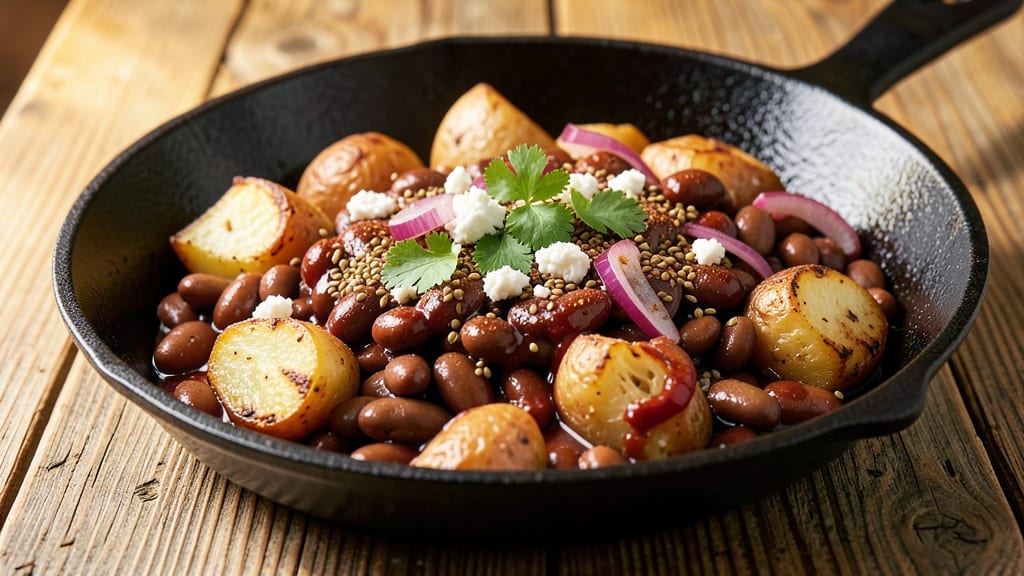
This vegetarian hobo beans recipe transforms simple pantry staples into a hearty, smoky-sweet one-pot wonder that tastes like a campfire classic. After years of perfecting the balance between tender beans, caramelized potatoes, and savory spices, I’ve created a version that’s foolproof for any stovetop—no outdoor cooking required.
The secret lies in slow simmering and layering flavors that develop as they cook, turning humble ingredients into something deeply satisfying.
What makes these hobo beans special is their versatility—ready in just 1 hour with minimal prep, they’re perfect for weeknight dinners, potlucks, or even a cozy weekend project.
The recipe starts with soaking beans overnight (or using canned for a quicker version), then builds depth through a mix of bacon substitute, onions, and spices that caramelize beautifully. Unlike traditional recipes, this version skips meat entirely while keeping that rich, smoky character.
By the end, you’ll have a pot of tender beans, perfectly caramelized potatoes, and a sauce thickened just enough to coat every bite. The aroma alone—smoky, slightly sweet, with hints of garlic and herbs—will have everyone at the table asking for seconds.
It’s the kind of dish that feels indulgent but comes together with simple ingredients and a little patience.
Serve with crusty bread to soak up every last drop, or top with cheese and herbs for extra richness. The beauty of this recipe is how adaptable it is—add corn for a Southern twist, swap in chickpeas for extra protein, or keep it classic.
Here’s everything you need to make it happen.
Ingredients for hobo beans
Simple pantry staples meet campfire-inspired flavors in this vegetarian hobo beans masterpiece.
| Ingredient | Amount | Notes |
|---|---|---|
| Dried Navy Beans 🌱 | 1 ½ cups | Uncooked, soaked overnight or canned |
| Russet Potatoes 🥔 | 2 medium | Peeled and cubed into 1-inch pieces |
| Onions 🧅 | 1 whole | Yellow or red, finely chopped |
| Garlic Cloves 🧄 | 4 cloves | Minced for aromatic depth |
| Smoked Paprika 🌶️ | 2 tbsp | For authentic smoky flavor |
| Ground Cumin 🌿 | 1 tbsp | Toasted for enhanced aroma |
| Dried Thyme 🌿 | 1 tsp | Or 1 tbsp fresh thyme leaves |
| Vegetable Broth 💧 | 3 cups | Low-sodium preferred |
| Tomato Paste 🍅 | 2 tbsp | For rich, concentrated flavor |
| Maple Syrup 🍯 | 2 tbsp | Pure grade B for depth |
| Extra-Virgin Olive Oil 🫒 | 2 tbsp | For caramelization |
| Sea Salt 🧂 | 1 ½ tsp | Diamond Crystal preferred |
| Black Pepper 🌶️ | ½ tsp | Freshly ground for heat |
| Vegetarian Bacon Bits 🥓 | 4 oz | Store-bought or homemade |
| Fresh Parsley 🌿 | ¼ cup | Chopped for garnish |
The smoked paprika and vegetarian bacon bits are non-negotiable for that authentic campfire essence. Source smoked paprika from Penzeys or bulk bins at specialty stores—their Kalamata smoked variety adds depth. For vegetarian bacon, Lightlife or Daiya brands deliver smoky satisfaction without compromise. The navy beans should be plump and uniform; Great Northern or cannellini work equally well. Russet potatoes with high starch content caramelize beautifully—avoid waxy varieties like red potatoes. Pre-peeling and cubing the potatoes (about 2 cups) saves time, though I prefer the rustic texture of leaving skins on for added heartiness.
No smoked paprika? Liquid smoke at half the amount mimics the smokiness, though fresh paprika is superior. Substitute vegetarian bacon with crumbled tempeh (marinated in soy sauce and smoked paprika) or mushroom stems for umami depth. The maple syrup can be swapped for brown sugar (reduce by 1 tbsp) or molasses (use 1 tbsp less). For a quicker version, pre-cooked canned beans (drained) cut soaking time entirely. The tomato paste should be San Marzano if available—its sweetness balances the smokiness perfectly. Trader Joe’s sells it in convenient 6 oz tubes, eliminating waste.
Store leftovers in an airtight container for up to 5 days in the fridge, though flavor peaks after 2 days of resting. Freeze for 3 months by portioning into 1-cup servings for easy reheating. The dish reheats beautifully—simmer on low heat with 1 tbsp water to prevent drying. Garnish with fresh parsley just before serving to preserve vibrancy. For meal prep, double the batch and freeze half immediately; thaw overnight in the fridge before reheating.
Why You'll Love This Recipe
- Dump-and-Go Magic: I swear by this recipe because it’s the kind of meal where you toss everything into a pot—no fancy steps, no stress. The potatoes and beans soften together while the onions caramelize just enough to sweetness the whole dish. Honestly, I’ve made it while scrolling through my phone, and it still turned out hearty and satisfying.
- Smoky Depth in Minutes: That smoked paprika? It’s the secret weapon. A single teaspoon transforms this into something rich and complex, like a campfire flavor without the effort. Between us, it’s the kind of taste that makes you want to eat it straight from the pot—no shame.
- Weeknight Workhorse: This feeds a crowd or stretches for lunches all week. I double the batch on Sundays, and by Wednesday, I’m reheating bowls for my kids (who pretend they don’t love it). It’s the kind of dish that works for game nights, lazy afternoons, or when you’re too tired to cook anything else.
- Budget-Friendly Powerhouse: Dried beans and potatoes? Check. Pantry staples? Double check. I spend about $5 for ingredients that stretch into six servings—no fancy labels, no waste. It’s the kind of meal that makes me feel like I’m feeding my family well without breaking the bank. (Yes, even on a Tuesday night.)
Step-by-step instructions for campfire-style hobo beans
This one-pot method delivers deep smoky sweetness with minimal effort—perfect for campfire cooking or weeknight meals.
Prepare the Beans and Vegetables
If using dried navy beans, sort through them and rinse thoroughly under cold water to remove any debris. Place them in a large Dutch oven or heavy pot and cover with plenty of fresh water—at least 4 cups. Bring to a boil over high heat, then reduce to a simmer for 30 minutes. This initial soaking softens the beans and reduces cooking time later.
While the beans simmer, peel and cube the 2 medium russet potatoes into 1-inch pieces. Finely chop the 1 whole onion and mince the 4 cloves garlic cloves. Set these aside—they'll form the flavor base for your hobo beans. The potatoes should be uniform in size to ensure even cooking throughout the dish.
Sauté the Aromatics and Build the Base
Drain the partially cooked beans, reserving the cooking liquid. In the same pot, heat the 2 tablespoons extra-virgin olive oil over medium heat until shimmering. Add the chopped onions and cook for 5-6 minutes until translucent and just beginning to caramelize—this builds sweetness that carries through the dish.
Add the minced garlic and cook for 30 seconds until fragrant. Immediately stir in the 2 tablespoons smoked paprika, 1 tablespoon ground cumin, and 1 teaspoon dried thyme. The spices will sizzle and release their aromas—this is when the dish starts developing its signature smoky depth. Cook for another 30 seconds to toast the spices lightly before adding the other ingredients.
Combine and Simmer the Hobo Beans
Return the drained beans to the pot along with the 2 medium cubed potatoes. Stir in the 2 tablespoons tomato paste, 2 tablespoons maple syrup, 3 cups vegetable broth, and the reserved cooking liquid (about 1 cup). Bring the mixture to a boil over high heat, then immediately reduce to a gentle simmer.
Add the 4 ounces vegetarian bacon bits and the 1.5 teaspoons sea salt. Partially cover the pot and simmer for 45-60 minutes, stirring occasionally, until the potatoes are fork-tender and the beans are fully cooked. The beans should be creamy but still hold their shape, and the potatoes should collapse easily when pierced with a fork. If the mixture gets too thick, add a splash of water or broth to maintain the proper consistency.
Finish and Serve
Once the beans and potatoes are tender, taste and adjust the seasoning with additional salt or pepper if needed. The dish should be richly smoky with a subtle sweetness from the maple syrup and tomato paste. Remove from heat and let the hobo beans sit for 5 minutes to allow the flavors to meld.
Before serving, stir in the 0.25 cup chopped fresh parsley. The parsley brightens the dish with a fresh finish and adds a pop of color. Serve immediately with crusty bread or over rice to soak up every last bit of the smoky, sweet broth. The beans should be tender, the potatoes creamy, and the flavors perfectly balanced—this is the hallmark of a well-made hobo bean dish.
Pro Tips For Making Hobo Beans
- SOAK BEANS OVERNIGHT: I learned this the hard way—skipping the soak means tough, mealy beans that won’t break down properly. Toss them in cold water with a pinch of salt for 8+ hours (or at least 2 hours in hot water), then drain. Your beans will stay creamy and absorb flavors like a dream.
- CUT POTATOES SMALL: Big chunks? Forget it. Dice those russets into ½-inch pieces—they’ll cook evenly and turn tender without falling apart. Yes, it takes 10 extra minutes, but mushy potatoes ruin the whole dish.
- LAY POTATOES LAST: Start with onions, garlic, and beans simmering first—let them cook for 10 minutes before adding potatoes. This way, the potatoes soak up all that smoky paprika flavor instead of just sitting there like wallflowers.
- STIR IN PAPRIKA LATE: Add that smoked paprika right at the end—when everything’s almost done—so it doesn’t burn. A teaspoon at the start makes the pot smell amazing, but the flavor gets bitter. Save it for the final 5 minutes.
Storing and reheating this dish
Refrigerator Storage
Leftovers keep beautifully in the fridge for up to 5 days, though I’ve found the flavors actually deepen after 2 days of resting. Transfer to an airtight container—I prefer glass Pyrex with snap-on lids—before the dish cools completely.
The thickened sauce helps preserve moisture, but if it looks dry after storage, stir in 1-2 tablespoons of water or broth when reheating. 🌱
Freezer Prep Tips
For long-term storage, freeze in 1-cup portions using silicone molds or freezer-safe bags. Leave 1-inch headspace for expansion and squeeze out excess air to prevent freezer burn.
I like to label bags with the date—these beans stay flavorful for up to 3 months. Thaw overnight in the fridge before reheating for best texture.
Stovetop Reheating
My preferred method is stovetop because it restores that creamy texture perfectly. Pour beans into a pot with 2 tablespoons water or broth, cover, and heat over medium-low for 10-15 minutes, stirring occasionally.
The gentle heat prevents splitting beans while reactivating those smoky aromas. Taste and adjust seasoning—leftovers often need a pinch more salt.
Microwave Shortcut
For quick meals, microwave covered portions on 50% power for 3-4 minutes, stirring halfway. Add 1 tablespoon water if the mixture looks dry. The microwave works in a pinch, but stovetop reheating preserves the dish’s depth of flavor.
I reserve microwave reheating for lunches when I’m truly pressed for time. ⏰
Campfire Revival
If you’re back at the campfire, transfer beans to a cast-iron skillet and warm over medium heat for 8-10 minutes, stirring occasionally. The smoky campfire ambiance actually enhances the flavors—it’s like giving the dish a second chance at its original setting.
Just keep an eye on it to prevent sticking.
Garnish Refresh
Before serving reheated beans, always finish with fresh parsley—it brightens the dish and makes it look restaurant-worthy. A sprinkle of crumbled vegan cheese or extra smoked paprika adds another layer of flavor.
The contrast between the warm, smoky beans and fresh garnishes is what makes this dish feel special every time. 💫
Nutrition facts
Frequently asked questions
Can I make hobo beans without soaking the beans overnight?
Yes! For a quicker version, use 2 (15 oz) cans of navy beans (drained and rinsed) instead of dried beans. This cuts prep time significantly while maintaining the same hearty texture. If using dried beans, you can also try a quick-soak method: cover beans with boiling water for 2 minutes, then let them sit off heat for 1 hour before cooking.
What's the best way to thicken the sauce if it's too watery?
Simmer uncovered for an extra 10-15 minutes to reduce the liquid naturally. If that's not enough, stir in 1 tablespoon cornstarch mixed with 2 tablespoons cold water and cook for 2-3 minutes until thickened. For a creamier texture, mash a few cooked beans with a fork and stir them back in. The sauce should coat the back of a spoon but remain spoonable.
Can I substitute other vegetables besides potatoes?
Swap potatoes for 1 cup corn kernels (fresh, frozen, or canned) for a Southern-inspired twist, or use 1 cup diced sweet potatoes for natural sweetness. For extra heartiness, add 1 cup chopped carrots or celery with the onions—they'll soften beautifully during simmering. Just adjust cooking time by 10-15 minutes if using denser vegetables.
Why do my hobo beans taste bland?
Bland flavor usually means the spices weren't toasted enough or the dish didn't simmer long enough for flavors to develop. Next time, cook the onions until deeply caramelized (8-10 minutes) and toast the spices until fragrant (1 minute). Also ensure the beans and potatoes simmer for the full 45-60 minutes—this lets the smoky, sweet flavors meld. A final boost of lemon juice or hot sauce can brighten the dish too.
How do I make this recipe vegan?
Skip the vegetarian bacon bits and use 4 oz marinated tempeh (crumbled) or mushroom stems instead. Ensure your broth is vegan vegetable broth, and check smoked paprika for animal-derived additives. For extra richness, stir in 1 tablespoon nutritional yeast at the end. The maple syrup and tomato paste are already vegan-friendly. All other ingredients are naturally plant-based!