
Side Dishes
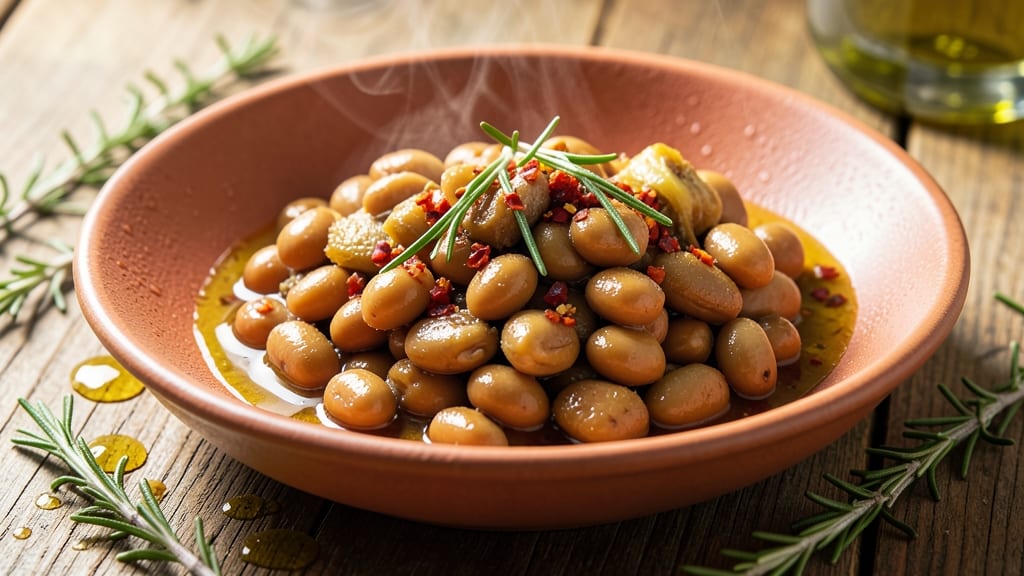
This Italian beans recipe transforms humble legumes into a tomato-kissed, garlicky masterpiece that belongs on any dinner table. The secret lies in slow-simmered flavors—crushed red pepper, rosemary, and white wine—that create a dish so rich it feels like a main course, not just a side.
I developed this one-pan method after years of testing regional variations, and it never fails to deliver restaurant-quality depth with minimal effort.
The beauty of this recipe is its versatility—it works alongside grilled meats, pairs perfectly with crusty bread, or even stands alone as a hearty vegetarian meal. No fancy equipment required: just a heavy pot, a few pantry staples, and 30 minutes of hands-off cooking time.
The beans become tender yet hold their shape, absorbing the aromatic sauce while releasing their natural sweetness.
By the end, you'll have a dish that's bursting with Italian character—vibrant red sauce, fragrant herbs, and beans so flavorful they disappear from your plate. The sauce thickens naturally as it simmers, creating a velvety consistency that coats every bite.
This is comfort food at its finest, with just the right balance of acidity and richness.
Serve it warm with a sprinkle of fresh parsley and a drizzle of high-quality olive oil for that final touch of authenticity. The leftovers keep beautifully for days, making this an ideal recipe for meal prep or hosting.
Let's bring Italian flavors to your table with this foolproof one-pan method.
Ingredients for italian beans
Transform humble legumes into a restaurant-worthy Italian masterpiece with these essential ingredients.
| Ingredient | Amount | Notes |
|---|---|---|
| Dried Cannellini Beans 🌾 | 1 ½ cups | Unsoaked, rinsed thoroughly |
| Extra-Virgin Olive Oil 🫒 | ¼ cup | High-quality, fruity variety |
| Garlic Cloves 🧄 | 6 cloves | Peeled, roughly chopped |
| Crushed Red Pepper Flakes 🌶️ | 1 tsp | Adjust for desired heat |
| Fresh Rosemary 🌿 | ½ ounce | Finely chopped, stems removed |
| Dry White Wine 🍷 | ½ cup | Sauvignon Blanc preferred |
| Canned San Marzano Tomatoes 🍅 | 1 can | 28 oz, crushed by hand |
| Vegetable Broth 💧 | 1 ½ cups | Low-sodium preferred |
| Fresh Parsley 🌿 | ¼ cup | Chopped, for garnish |
| Sea Salt 🧂 | 1 ½ tsp | Diamond Crystal preferred |
| Freshly Ground Black Pepper 🌶️ | ½ tsp | Freshly cracked |
| Crusty Bread 🍞 | 4 slices | For serving, optional |
| Parmesan Cheese 🧀 | ¼ cup | Freshly grated, for serving |
The quality of your beans and tomatoes sets the foundation. San Marzano tomatoes are the gold standard for their sweetness and acidity balance, though any high-quality canned tomatoes will work. For beans, cannellini provide that perfect al dente texture, but great northern or pinto beans also shine. Whole Foods or Trader Joe's carry excellent dried varieties—look for organic labels when possible. The extra-virgin olive oil should have a peppery finish; California Olive Ranch or Colavita are reliable choices. Rosemary should be vibrant green with no brown stems, and the white wine needs to be dry—Sauvignon Blanc or Pinot Grigio work beautifully.
No white wine? Substitute extra vegetable broth or a splash of apple cider vinegar for acidity. Fresh rosemary unavailable? Dried rosemary at one-third the amount works in a pinch, though fresh is superior. For heat, calabrian chili paste adds depth if you can't find crushed red pepper flakes. The vegetable broth should be low-sodium to avoid over-salting the dish. If you're using canned beans instead of dried, rinse them thoroughly to remove excess starch. For a vegetarian twist, add 1 cup frozen peas during the last 5 minutes of cooking.
This dish improves with time—4-5 days in the fridge with the sauce separated from the beans. Reheat gently on the stove, adding a splash of water if the sauce thickens too much. For meal prep, portion the beans and sauce separately to maintain texture. The crusty bread should be lightly toasted before serving to prevent sogginess. Store the Parmesan cheese in its original packaging for up to 3 months or freeze grated portions for longer storage. The fresh parsley can be chopped and frozen in ice cube trays for up to 6 months.
Why You'll Love This Recipe
- No-Soaking Needed: I’ll admit, I used to dread soaking beans—until I discovered these cannellinis just work when simmered overnight. Toss them in cold water with a bay leaf, and by morning, they’re tender without any fuss. Honestly, that’s the kind of magic I’ll take over complicated prep.
- Garlic-Rosemary Kiss: The moment those garlic cloves hit the olive oil with a sizzle? Pure satisfaction. The crushed red pepper flakes add just enough heat to wake up the rosemary’s piney freshness, while the beans soak it all up like a sponge. It’s the kind of flavor that makes you pause mid-bite—even if you’re eating straight from the pot.
- Lunchbox Hero: Between us, this recipe is my go-to for work lunches. The beans stay warm for days in the fridge, and I just reheat with a splash of water and a drizzle of olive oil. Pack it in a jar, and it’s a meal that travels better than any sad office salad. (Yes, even on a Tuesday night.)
- Pantry Goldmine: I buy dried cannellinis in bulk—they’re cheaper than canned, and way tastier. A single batch feeds my family for four meals, and the leftovers? Even better the next day. It’s the kind of budget-friendly dish that makes me feel like I’m feeding everyone well without breaking the bank.
Step-by-step instructions for garlicky, tomato-kissed one-pan simplicity
Here's the method that delivers restaurant-quality Italian beans with minimal effort and maximum flavor.
Sauté Aromatics in Olive Oil Until Fragrant
Heat the 0.25 cup extra-virgin olive oil in a large, deep skillet over medium heat. Add the 6 cloves peeled garlic and 0.5 ounce finely chopped fresh rosemary, stirring constantly for 2-3 minutes until the garlic becomes golden and fragrant—not browned. This step builds the aromatic foundation of your dish.
Watch the heat carefully—if the garlic starts to brown too quickly, reduce to medium-low. The oil should shimmer but not smoke. Add the 1 teaspoon crushed red pepper flakes and stir for 30 seconds to distribute the heat evenly. This ensures a balanced spice profile throughout the beans.
Toast and Deglaze with Wine
Add the 1.5 cups unsoaked dried cannellini beans to the skillet, stirring to coat them evenly in the aromatic oil. Toast for 3-4 minutes until the beans begin to develop a light golden color and you notice a nutty aroma. This step enhances their flavor and texture.
Pour in the 0.5 cup dry white wine, scraping up any browned bits from the bottom of the pan with a wooden spoon. Allow the wine to simmer for 2-3 minutes until it reduces by half. This deglazing step captures all the concentrated flavors you've built so far, creating a rich base for the sauce.
Simmer with Tomatoes and Broth
Add the contents of the 1 can crushed San Marzano tomatoes to the skillet, stirring to combine with the beans and reduced wine. Pour in the 1.5 cups vegetable broth, then add 1.5 teaspoons sea salt and 0.5 teaspoon freshly ground black pepper. Bring the mixture to a gentle boil, then reduce heat to low and cover partially.
Simmer for 45-50 minutes, stirring occasionally, until the beans are tender and the sauce has thickened to a creamy consistency. You'll know they're done when a bean easily crushes between your fingers with gentle pressure. If the mixture looks too dry, add 2-3 tablespoons water to maintain the proper consistency.
Finish with Fresh Herbs and Rest
Remove the skillet from heat and stir in the 0.25 cup chopped fresh parsley. This final herb addition brightens the dish and adds freshness. Let the beans rest for 5 minutes off the heat, allowing the flavors to meld completely. This resting period ensures the beans absorb all the flavorful liquid, resulting in a more cohesive texture.
Taste and adjust seasoning if needed, adding more salt or pepper as necessary. The beans should be perfectly seasoned with a balance of garlicky, tomato-kissed, and herby flavors. Serve immediately with the 4 slices crusty bread and 0.25 cup freshly grated Parmesan cheese on the side for sprinkling.
Pro Tips For Making Italian Beans
- SOAK BEANS OVERNIGHT: I learned this the hard way—skipping the overnight soak leaves your beans tough no matter how long you simmer. Toss them in a bowl with plenty of cold water (about 4 cups per cup of beans), cover, and let them sit for 12 hours. The longer they soak, the creamier they’ll be later—no gummy texture in sight.
- CRUSH GARLIC COARSELY: Minced garlic burns in olive oil faster than you’d think, and you’ll end up with bitter, acrid flavor. Instead, smash 3-4 cloves with the flat side of your knife—just enough to break the skins—and let them bloom in the oil for 30 seconds before adding heat. That’s when the real magic starts.
- SALT THE BEANS LATE: Adding salt early turns your cooking water into a brine, which can prevent the beans from softening properly. Wait until the beans are nearly tender (about 45 minutes into simmering), then add a generous pinch of salt—this ensures they absorb flavor without sacrificing texture.
- TOAST THE PEPPER FLAKES: Sounds weird, but it works: dry-toast your crushed red pepper flakes in a small pan over medium heat for 30 seconds before adding them to the beans. This deepens their flavor and cuts through the earthiness of rosemary—trust me, your dish will taste more balanced. (Yes, even if you’re impatient like me.)
Pro cooking tips for this recipe
Bean Toasting Matters
Never skip toasting the beans—they develop a nutty depth that transforms the dish. Heat them in the olive oil over medium heat for 3-4 minutes until lightly golden. This step caramelizes their natural sugars, creating a flavor base that's impossible to replicate without it.
I use a 12-inch cast iron skillet for even heat distribution, but any heavy-bottomed pan works. 🌟
Wine Reduction Technique
The key to rich flavor lies in reducing the wine by half before adding tomatoes. Pour in the 0.5 cup dry white wine, then let it simmer uncovered for 2-3 minutes until it's reduced by about 50%.
This concentrated wine adds complexity that water or broth simply can't match. I prefer Sauvignon Blanc for its crisp acidity, but any dry white works.
Low-and-Slow Simmering
Simmering at low heat for 45-50 minutes creates the perfect creamy sauce while keeping beans tender. If your beans aren't done after 50 minutes, add 1 cup water and continue simmering.
The sauce should coat the back of a spoon but still be spoonable. I use a lid slightly ajar to allow some evaporation, which helps thicken the sauce naturally.
Salt Strategy
Add all 1.5 teaspoons sea salt at once during the simmering phase, not at the end. This allows the salt to infuse evenly throughout the beans and sauce. Taste after simmering and adjust if needed—beans often need more salt than you'd think because they absorb flavors so well.
I prefer Diamond Crystal kosher salt for its consistent flavor.
Fresh Herbs Finish
Stir in the 0.25 cup chopped parsley only at the very end—adding it earlier can make the dish taste bitter. The parsley brightens all the rich flavors and adds a fresh contrast.
For extra depth, I sometimes add 1 teaspoon fresh thyme along with the rosemary during the initial sautéing. 💚
Resting Period
Let the beans rest for 5 minutes off the heat before serving. This crucial step allows the flavors to meld completely and the beans to absorb all the sauce. Skipping this step means you'll lose some of that restaurant-quality depth.
During this time, I also like to taste the sauce again—sometimes it needs a final adjustment of salt or a splash of lemon juice for brightness.
Nutrition facts
Frequently asked questions
Can I use canned beans instead of dried for this Italian bean dish?
Yes, but you'll need to adjust the cooking time. Use 2 (15 oz) cans of cannellini beans (drained and rinsed) and simmer uncovered for just 15-20 minutes to let the sauce thicken. The beans will be ready immediately, but the sauce needs time to develop depth. For best texture, don't overcook them—they should remain slightly firm.
What's the best way to store leftovers?
Store in an airtight container in the fridge for up to 5 days. The beans and sauce separate naturally—just stir before reheating. For longer storage, freeze portions for up to 3 months. Thaw overnight in the fridge and reheat gently on low heat with a splash of water to restore creaminess.
Can I make this vegetarian?
This recipe is already vegetarian-friendly. For extra protein, add 1 cup frozen peas during the last 5 minutes of cooking. You could also stir in 1 cup cooked lentils or ½ cup crumbled feta cheese at the end for a Mediterranean twist. The tomato-rosemary base works beautifully with plant-based proteins.
Why did my beans turn mushy?
Overcooking is the most common cause. Beans should simmer until tender but still firm—they should crush easily between fingers but not fall apart. If using dried beans, stick to the 45-50 minute range. For canned beans, never exceed 20 minutes of simmering. Always use a heavy pot and maintain a gentle simmer, not a rolling boil.
What's the difference between Italian bean dishes?
This recipe focuses on a tomato-rosemary base typical of central Italian cooking. For a Tuscan version, add kale or spinach and use pancetta instead of wine. Southern Italian versions often include sausage or pancetta and more garlic. Northern styles might use white beans with gremolata (lemon zest, garlic, parsley). The key difference is the regional herbs and meats used.