
Sauces & Condiments
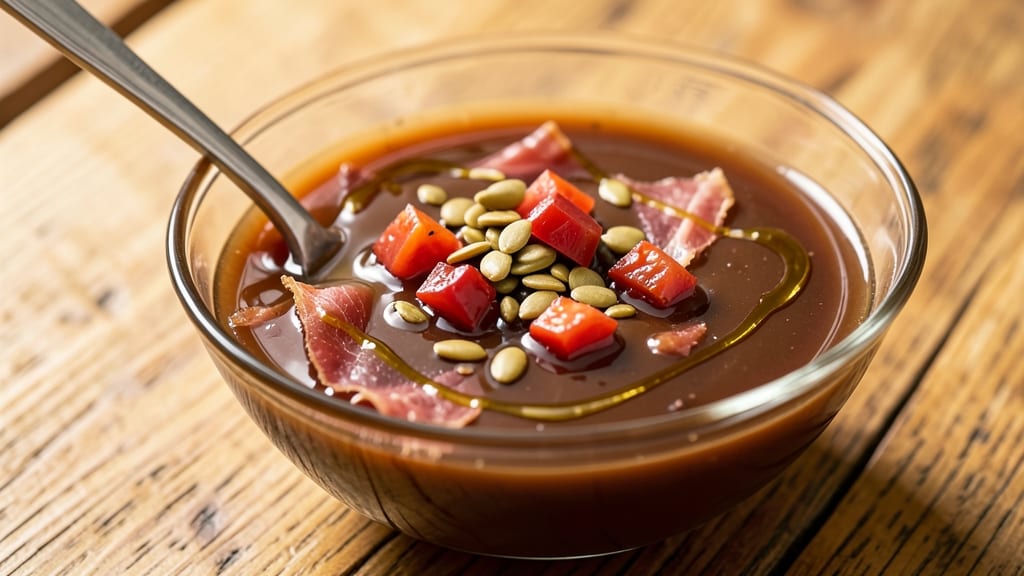
Creating a vegan mesquite bean jelly transforms simple sandwiches into a smoky-sweet Southwest masterpiece. This spread captures the deep, earthy flavors of mesquite and black beans in a thick, glossy texture that clings beautifully to bread.
I developed this recipe after years of experimenting with plant-based alternatives to traditional jellies—no gelatin or animal products needed here.
The process relies on simmering and reducing a blend of mashed beans, mesquite powder, and natural thickeners until it reaches that perfect jelly-like consistency. Unlike store-bought spreads, this version delivers authentic smoky depth with a subtle sweetness that balances perfectly.
It’s the kind of condiment that elevates even the simplest sandwich into something extraordinary.
What you’ll end up with is a rich, velvety spread that’s smooth yet slightly textured, with a flavor profile that’s both savory and sweet. The jelly sets beautifully at room temperature, making it ideal for meal prep or gifting.
It’s versatile enough to use on toast, wraps, or even as a glaze for grilled meats.
This recipe is foolproof, with clear steps for achieving the right consistency and flavor balance. Whether you’re a seasoned cook or a beginner, you’ll master this technique in no time. Let’s get started on creating your own smoky-sweet masterpiece.
Ingredients for mesquite bean jelly
Six simple ingredients transform into a smoky-sweet Southwest sandwich revelation—no gelatin, no compromise.
| Ingredient | Amount | Notes |
|---|---|---|
| Canned Black Beans 🌾 | 1 ½ cups | Drained and rinsed thoroughly |
| Mesquite Powder 🌿 | 1 tbsp | Pure, unsweetened variety |
| Maple Syrup 🍯 | ½ cup | Pure, grade B preferred |
| Apple Cider Vinegar 🍏 | 2 tbsp | For tangy balance |
| Tapioca Starch 🍠 | ¼ cup | For perfect jelly texture |
| Extra-Virgin Olive Oil 🫒 | 2 tbsp | For glossy finish |
| Smoked Paprika 🌶️ | 1 tsp | Enhances smoky depth |
| Ground Cinnamon 🌿 | ½ tsp | Warmth complement |
| Sea Salt 🧂 | ½ tsp | Diamond Crystal preferred |
| Fresh Lime Juice 🍋 | 1 tbsp | Brightens final flavor |
| Filtered Water 💧 | ½ cup | For thinning consistency |
| Cocoa Powder 🍫 | 1 tbsp | Optional for richer depth |
The mesquite powder is the heart of this recipe—look for pure, unsweetened varieties at specialty stores like Whole Foods or Natural Grocers. I always buy mine from Navajo Trading Post online when I need a big batch. The black beans should be low-sodium and drained thoroughly—rinsing removes any residual starch that could make your jelly gummy. For the maple syrup, grade B has more robust flavor than the lighter grade A, but either works. The tapioca starch is non-negotiable—it's what gives that perfect jelly texture. Bob's Red Mill sells it in bulk if you're making this often.
No mesquite powder? Smoked paprika plus a pinch of liquid smoke gets you close, though the flavor won't be identical. Running low on maple syrup? Agave nectar works 1:1, but it lacks the caramel notes. The apple cider vinegar can be swapped for white vinegar or lemon juice, though ACV gives that classic tang. For a richer version, add 1 tbsp cocoa powder—it deepens the smoky-sweet profile beautifully. If your jelly seems too thick, add water 1 tbsp at a time while reheating. Too thin? Simmer uncovered for another 5-10 minutes to reduce.
This jelly sets beautifully at room temperature—cover with parchment paper to prevent a skin from forming. Keeps in the fridge for 2 weeks sealed in a jar, or freeze for 3 months in ice cube trays for perfect portions. I always make a double batch—one for sandwiches, one to gift in pretty jars. The flavor actually improves after a day or two as everything melds together. For meal prep, store in small containers so you can grab just what you need without transferring.
Why You'll Love This Recipe
- Pantry Magic: I swear by this recipe—just open a can of beans, whisk in the mesquite powder, and let the maple syrup do its thing. No chopping, no fuss, and honestly? It feels like cheating when it comes out so good.
- Earthy-Sweet Surprise: That mesquite powder isn’t just a flavor—it’s a vibe. Smoky, deep, and just a hint of caramel from the maple syrup? It’s the kind of taste that makes you pause mid-bite, like discovering a hidden note in a song you know by heart.
- Game for Any Day: Spread it on toast for breakfast, drizzle it over roasted veggies for dinner, or slather it on a grilled cheese when you’re craving something unexpected. I’ve even used it as a glaze for chicken—yes, really—and it worked.
- Zero-Waste, Zero-Guilt: A single can of beans stretches into jars of this jelly, and it keeps for weeks in the fridge. Between us, I’ve made this twice in one week because it’s too good to waste, and the vinegar keeps it from going bad too fast. Budget-friendly? More like budget-brilliant.
Step-by-step instructions for mesquite bean jelly
Transform humble black beans into a velvety, smoky-sweet spread that's perfect for sandwiches or dipping.
Create the Bean Purée
Begin by draining and rinsing the 1.5 cups canned black beans thoroughly under cold water. Transfer them to a high-powered blender along with the 0.5 cup maple syrup, 2 tbsp apple cider vinegar, 2 tbsp extra-virgin olive oil, and 1 tbsp fresh lime juice. Blend until completely smooth, scraping down the sides as needed. The mixture should have a thick, pudding-like consistency—this is your base.
Here's the thing—don't skip the blending step. Even small bean fragments can create texture issues later. If the mixture seems too thick, add 1-2 tablespoons of filtered water and blend again. You want a purée that coats the back of a spoon smoothly, with no graininess. Taste and adjust seasoning with 0.5 tsp sea salt and 0.5 tsp ground cinnamon if needed.
Build the Jelly Texture
In a small bowl, whisk together the 0.25 cup tapioca starch with 0.5 cup filtered water until completely dissolved. This slurry is what transforms your purée into jelly. Transfer the bean purée to a medium saucepan and place it over medium heat. Stir in the starch slurry while whisking continuously to prevent lumps from forming.
Cook for 5-7 minutes, stirring constantly, until the mixture thickens noticeably and begins to pull away from the sides of the pan. You're looking for a consistency similar to thick applesauce—it should coat the back of a spoon but still be pourable. If it thickens too quickly, add 1 tablespoon of water at a time until you reach the desired texture. The key is patience here; rushing leads to grainy results.
Infuse with Smoky Depth
Once your mixture reaches the proper thickness, remove it from heat and stir in the 1 tbsp mesquite powder and 1 tsp smoked paprika. The mixture will darken slightly and develop an intense aroma—this is where the Southwest magic happens. For an optional richer flavor, whisk in the 1 tbsp cocoa powder at this stage. The cocoa enhances the smoky notes while adding subtle bitterness that balances the sweetness.
Return the pan to low heat and stir continuously for another 3-4 minutes. This step ensures all the spices are fully incorporated and the flavors meld together. You'll notice the mixture becomes glossy and develops a slight sheen—this indicates proper hydration and flavor integration. Taste and adjust seasoning one final time, adding more maple syrup if you want it sweeter or more apple cider vinegar for tang.
Set the Perfect Texture
Transfer the jelly to a clean glass bowl and press plastic wrap directly onto the surface to prevent a skin from forming. Let it cool to room temperature, then refrigerate for at least 4 hours—overnight is best. The jelly should set into a firm but still slightly wobbly texture, similar to commercial fruit preserves but with a bean-based body.
When ready to serve, give it a gentle stir to restore any separated liquid. The finished jelly should have a velvety mouthfeel with visible specks of spices throughout. For best results, serve it slightly chilled—this enhances the smoky-sweet balance. Store any leftovers in an airtight container in the refrigerator for up to 2 weeks, or freeze for longer storage.
Pro Tips For Making Mesquite Bean Jelly
- Mash Those Beans: Drain and rinse the canned black beans, then mash them with a fork until you’ve got a chunky, thick purée—no food processor needed. Too smooth? The texture loses its body and turns gummy. Too chunky? The jelly won’t set properly. Aim for a consistency like thick hummus.
- Bloom the Mesquite: Whisk the mesquite powder into the warm liquid (maple syrup + vinegar) first—before adding the beans. This stops it from clumping like a science experiment gone wrong. Stir for 30 seconds until it’s fully dissolved, or you’ll taste gritty bits in every spoonful.
- Simmer, Don’t Boil: Once the tapioca starch is mixed in, keep the heat at a gentle simmer—no rolling boil. I learned this after watching my first batch turn into glue. A steady, low bubble (barely visible) thickens the jelly evenly without breaking the starch. Check it every 2 minutes after adding the starch.
- Vinegar First, Then Sugar: Add the apple cider vinegar to the warm syrup before combining with the beans. This balances the sweetness and cuts through the earthiness of the mesquite powder right from the start. Skip this step, and you’ll end up chasing flavor with extra vinegar at the end—messy and unpredictable.
Regional styles of these flavors
Southwest Native Roots
The original inspiration for this jelly comes from traditional Navajo and Pueblo communities in the Southwest, where mesquite pods have been used for centuries as a sweetener and flavor enhancer.
Native cooks would grind mesquite pods into a powder and mix them with local ingredients like beans and corn to create thick, flavorful spreads. The smoky depth from mesquite pods was (and still is) a staple in indigenous cuisine, often used to preserve foods during long winters. 🌿
Modern adaptations like this jelly blend that earthy tradition with contemporary techniques. The black beans add protein and a creamy texture, while the maple syrup provides a sweetness that mimics the natural sugar content of mesquite pods.
This version keeps the spirit of indigenous cooking while making it accessible to home cooks everywhere.
Mexican-Inspired Adaptations
In Mexican cuisine, bean-based spreads like frijoles refritos or mole often incorporate smoky flavors, but this jelly takes it further by creating a spreadable consistency. Chefs in Oaxaca and Chiapas might use similar techniques with chiles and chocolate, but the mesquite adds a unique Southwest twist.
The apple cider vinegar and lime juice give it that familiar Mexican tang, while the cinnamon and cocoa add warmth and depth familiar in Mexican desserts like chocolate tablea.
For a true Mexican fusion, try adding 1 tsp ground cumin or ½ tsp chipotle powder to the jelly mixture. This turns it into a smoky-sweet salsa-like spread that works perfectly on tacos or grilled corn.
The combination of mesquite and chili creates a flavor profile that’s both bold and balanced—something you won’t find in traditional Mexican recipes.
Texas BBQ Twist
Texas BBQ culture loves smoky, sweet, and tangy flavors, and this jelly fits right in as a glaze or sandwich spread. Pitmasters in Central Texas often use mesquite wood for smoking brisket and ribs, so the flavor connection is natural.
This jelly makes an excellent topping for pulled pork sandwiches or as a glaze for grilled vegetables. The tapioca starch gives it the right consistency to cling to meats or bread without being too runny.
For a true Texas BBQ adaptation, serve the jelly on a brisket sandwich with pickled jalapeños and white cheddar cheese. The smoky-sweet jelly complements the rich, fatty meat perfectly.
You can also use it as a dipping sauce for ribs, adding a layer of complexity that cuts through the grease. It’s a great way to repurpose leftovers from a BBQ feast!
Modern Vegan Spreads
This jelly fits perfectly into the modern vegan pantry, offering a protein-rich, plant-based alternative to traditional jams and jellies. Unlike store-bought vegan spreads that often rely on agar-agar or pectin, this recipe uses tapioca starch and bean purée for a naturally thickened, creamy texture.
The mesquite powder adds a smoky depth that’s hard to find in other vegan products, making it stand out on toast or in smoothie bowls.
Vegan bakers and home cooks love this jelly because it’s versatile and shelf-stable. Use it as a glaze for vegan cakes, a filling for pastries, or even a drizzle for avocado toast.
The maple syrup and lime juice give it a bright, fresh flavor that pairs well with nut butters, coconut yogurt, or fresh fruit. It’s a great way to add Southwest flair to vegan meals without relying on processed ingredients.
Nutrition facts
Frequently asked questions
Why does my mesquite bean jelly turn out too thick or grainy?
The most common causes are either insufficient water during the starch slurry step or not blending the beans smooth enough. Always blend the bean purée until completely silky, and when making the tapioca slurry, ensure it's fully dissolved before adding to the pan. If it thickens too quickly, add 1 tbsp water at a time while stirring constantly. For graininess, strain through a fine-mesh sieve before setting.
Can I substitute other beans for black beans in this recipe?
Yes, but texture and flavor will vary. Pinto beans work best as they're similarly creamy, while kidney beans add a slightly earthier taste. Avoid chickpeas—they're too dense and won't blend smoothly. For a lighter version, try white beans, but reduce the maple syrup by 1 tbsp since they're less sweet. Always adjust liquid as needed for your chosen bean type.
How long does it take for the jelly to set properly?
The jelly needs at least 4 hours in the fridge to set, but overnight (8+ hours) gives the best texture. For faster setting, chill in the freezer for 1-2 hours first, then finish in the fridge. If it doesn't set at all, you likely used too much water during cooking. The ideal consistency should be firm enough to hold its shape but still slightly wobbly in the center when chilled.
What's the best way to store leftover mesquite bean jelly?
Store in an airtight glass container in the fridge for up to 2 weeks. For longer storage, portion into ice cube trays, freeze until solid, then transfer to a freezer bag for up to 3 months. To prevent crystallization, avoid storing it at room temperature for more than 2 days. The jelly actually improves in flavor after 24 hours as the spices meld together.
Can I make this jelly without tapioca starch?
You can try using cornstarch as a 1:1 substitute, but the texture will be slightly different—more opaque and less glossy. For a vegan alternative, agar-agar works but requires precise measurements (¼ tsp per ½ cup liquid) and creates a firmer set. If you're avoiding starches entirely, the jelly won't set properly without a thickener. The tapioca creates that perfect spreadable consistency that makes this recipe special.