
Side Dishes
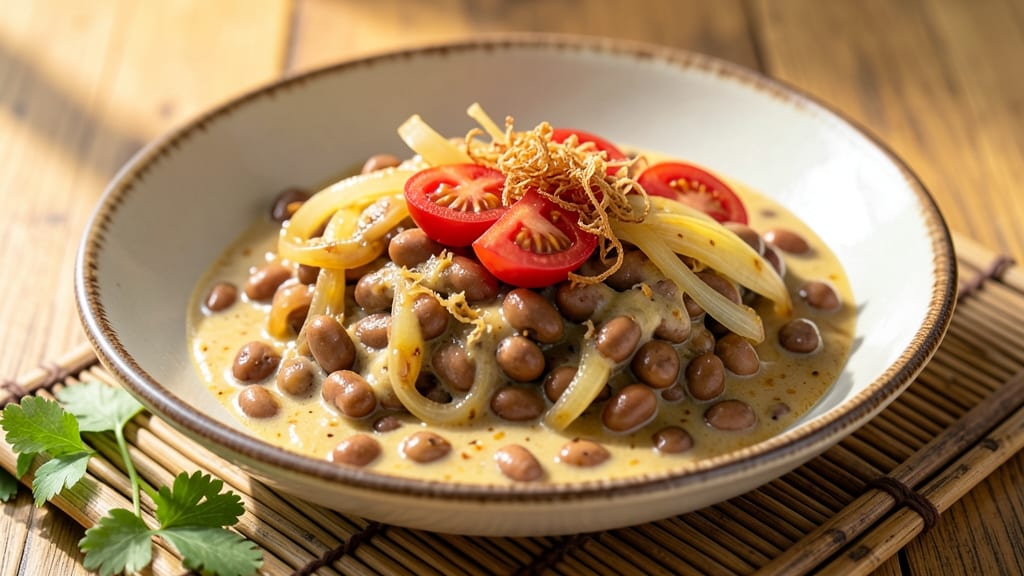
This one-pot creamy monggo beans recipe brings the comforting flavors of Filipino home cooking to your table, where tender beans and aromatic spices create a dish that pairs perfectly with steamed rice. 💛 The secret lies in slow simmering the beans with coconut milk and ginger until they reach that signature velvety texture, while garlic, onions, and tomatoes build a rich, savory base.
What makes this recipe special is its simplicity—just a handful of ingredients transform into a hearty, restaurant-quality side dish. The monggo beans soften beautifully as they absorb the creamy coconut milk, while the ginger adds a warm, spicy depth that balances the dish.
It’s the kind of comforting meal that feels like a hug in a bowl.
By the time you’re done, you’ll have a pot of luscious, creamy monggo beans with tender meat (pork, chicken, or beef) swimming in a fragrant broth. The aroma alone will have everyone gathering around the table, and the creamy texture makes it irresistible.
This is the dish that turns ordinary meals into something truly special.
Serve it alongside rice or crusty bread to soak up every last drop of that rich, coconut-infused sauce. Let’s get cooking—this recipe is about to become a family favorite.
Ingredients for monggo beans
Just 14 ingredients transform into this creamy, comforting Filipino classic—perfect with rice.
| Ingredient | Amount | Notes |
|---|---|---|
| Monggo Beans 🌾 | 1 ½ cups | Dried, soaked overnight |
| Coconut Milk 🥥 | 1 can | 13.5 oz can, full-fat preferred |
| Fresh Ginger 🌿 | 2 tbsp | Grated, freshly grated preferred |
| Yellow Onion 🧅 | 1 whole | Medium, finely chopped |
| Garlic Cloves 🧄 | 4 cloves | Minced, fresh preferred |
| Tomatoes 🍅 | 1 lb | Roma, diced, or 4 medium |
| Pork Shoulder 🥩 | 1 lb | Boneless, cut into chunks |
| Bay Leaves 🌿 | 2 whole | Dried, standard size |
| Salt 🧂 | 1 ½ tsp | Kosher or sea salt |
| Black Pepper 🌶️ | ½ tsp | Freshly ground preferred |
| Olive Oil 🫒 | 2 tbsp | Extra-virgin for richness |
| Sugar 🍚 | 1 tsp | White granulated |
| Green Onions 🧅 | 2 whole | Chopped, for garnish |
| Steamed White Rice 🍚 | 2 cups | Cooked, for serving |
The monggo beans are the star, so soak them overnight—this cuts cooking time dramatically. Filipino markets often carry them dried, but most Asian grocery stores stock them too. Look for plump, unbroken beans. For the pork, shoulder or belly works best—it stays tender while adding rich flavor. The coconut milk should be full-fat for that authentic creaminess; Thai Kitchen brand is widely available and reliable. Fresh ginger is non-negotiable here—it's what gives this dish its signature warmth.
No fresh ginger? Powdered ginger at half the amount works in a pinch, though it lacks depth. Short on pork? Chicken thighs or beef chuck hold up beautifully—just reduce cooking time slightly. The tomatoes can be canned (drained) if fresh aren't available, but Roma tomatoes are ideal for their meaty texture. For extra richness, add a tablespoon of coconut cream at the end. The bay leaves? Don't skip them—they're essential for that authentic Filipino aroma, but remove them before serving.
This dish tastes even better the next day as flavors meld. Store leftovers in an airtight container in the fridge for up to 5 days. The sauce thickens as it cools, so add a splash of water or coconut milk when reheating. For meal prep, make a double batch—freezes beautifully for 3 months. Garnish with green onions right before serving to keep them vibrant. The rice should be steamed separately and served alongside to soak up every creamy drop.
Why You'll Love This Recipe
- One-Pot Magic: I swear by this recipe—just toss everything in a pot, simmer, and walk away. No fancy techniques, no stress. The beans soften while the coconut milk and ginger build that rich, fragrant base all on their own.
- Creamy, Spicy, Perfect: That first bite? The tender monggo beans soaking up the coconut milk’s velvety depth, with the garlic and ginger adding just enough bite—it’s like a hug in a bowl. Honestly, the balance is chef’s kiss without trying.
- Lunchbox Hero: Between us, this reheats beautifully for work lunches or school meals. Pack it in a jar, and it stays warm, hearty, and way better than sad takeout. My kids actually finish their plates—no small feat.
- Budget-Friendly Staple: A can of beans, a can of coconut milk, a little onion—this feeds four for under $5. I’ll be real: it’s my go-to when groceries feel tight, but somehow still tastes like a restaurant dish. (Yes, even on a Tuesday night.)
Step-by-step instructions for creamy monggo beans in coconut milk
Here's how to create a rich, one-pot monggo bean stew with tender pork and aromatic coconut milk.
🍳 Step 1: Sauté Aromatics in Olive Oil
Heat the 2 tablespoons olive oil in a large, heavy pot over medium heat. Add the 1 whole yellow onion and cook for 5 minutes until softened and translucent. Add the 4 cloves garlic cloves and 2 tablespoons fresh ginger, cooking for another 1 minute until fragrant.
This foundational step builds flavor. Watch the garlic closely—it burns quickly. If it starts to darken, reduce heat slightly. The aromatics should smell sweet and pungent, signaling they're ready for the next ingredients.
🔥 Step 2: Brown the Pork Shoulder
Add the 1 pound pork shoulder cut into chunks to the pot. Increase heat to medium-high and sear for 6-8 minutes, stirring occasionally, until the pork develops a golden-brown crust. This step adds depth through the Maillard reaction.
Don't rush this step. The pork should release easily from the pot when ready. If it sticks, add 1 tablespoon water and scrape the bottom to deglaze. Once browned, push the pork to one side of the pot.
🥘 Step 3: Build the Base with Tomatoes and Monggo Beans
Add the 1 pound tomatoes (diced) to the same pot and cook for 3 minutes until they begin to break down. Stir in the 1.5 cups monggo beans (drained if previously soaked), 1.5 teaspoons salt, 0.5 teaspoon black pepper, and 1 teaspoon sugar. Cook for 5 minutes, stirring occasionally.
The sugar helps balance the acidity from the tomatoes while the monggo beans begin to absorb the flavors. You'll see the mixture thicken slightly as the beans release starch. This is when the one-pot magic starts happening.
🥘 Step 4: Simmer with Coconut Milk and Bay Leaves
Pour in the 1 can coconut milk, ensuring it's fully incorporated. Add the 2 whole bay leaves and bring the mixture to a gentle simmer. Reduce heat to low and cover partially. Let it cook for 45-50 minutes, stirring occasionally, until the pork is fork-tender and the monggo beans are soft.
Check the consistency periodically. If it becomes too thick, add 2-3 tablespoons water to maintain a creamy texture. The stew should have a velvety consistency with the pork falling apart easily. The bay leaves should be easily removed before serving.
🍽️ Step 5: Finish and Serve Over Rice
Remove the bay leaves and adjust seasoning if needed. Divide the 2 cups steamed white rice among serving bowls and ladle the creamy monggo stew over the top. Garnish with the 2 whole green onions (chopped) for freshness and color.
Serve immediately while hot. The creamy coconut milk should coat each bite of tender pork and soft monggo beans, creating a harmonious balance of textures and flavors. The rice soaks up the rich sauce, making every bite satisfying.
Pro Tips For Making Monggo Beans
- SOAK THE BEANS FIRST: Skip the soaking, and you’re fighting a losing battle—monggo beans need at least 4 hours (overnight is better) in water to soften properly. I used to skip this and ended up with a mushy, uneven texture, even after hours of simmering. Trust me, the extra time upfront saves you from a gummy disaster later.
- SWEAT THE AROMATICS LOW: Crank the heat to medium-high for the onions and garlic, and you’ll burn them before the ginger even gets a chance to sing. Keep it at a gentle sizzle—just enough to make the onions translucent and the garlic golden without browning. This isn’t a sear; it’s a slow, sweet perfume-building session.
- STIR THE COCONUT MILK: Coconut milk separates like a diva when left alone, turning your creamy sauce into a sad, oily mess. Stir it in gradually while the beans simmer, and keep it moving for the first 5 minutes. Yes, it’s tedious, but skipping this step turns your dish from velvety to greasy.
- GINGER: GRATE, DON’T CHOP: I used to hack ginger into chunks and toss it in, thinking it’d dissolve. Wrong. Freshly grated ginger (about 1 tablespoon, packed) releases its flavor and aroma instantly, while chopped pieces just sit there like awkward guests. No one wants a ginger surprise at the bottom of the pot.
Dietary considerations for this dish
Vegetarian Adaptations
Skip the pork entirely and use extra-firm tofu (pressed and cubed) or mushrooms (shiitake or cremini) for hearty texture. Sauté the tofu in 1 tablespoon olive oil until golden before adding tomatoes—this mimics the meat's sear.
For protein, add 1 cup cooked lentils or chickpeas (drained) along with the monggo beans. The coconut milk and ginger will still create that signature creamy depth. 🌱
Gluten-Free Assurance
This recipe is naturally gluten-free since it relies on simple ingredients like monggo beans, coconut milk, and fresh vegetables. Just double-check your coconut milk brand—some store versions may contain additives.
For extra safety, use certified gluten-free soy sauce (if adding any) and ensure your bay leaves are pure. The dish stays true to its roots while accommodating dietary needs. ✨
Low-Carb Options
Replace the rice with cauliflower rice (steamed) or a side of roasted Brussels sprouts to cut carbs. For thickness, add 1 tablespoon cornstarch to the coconut milk before simmering—this helps bind the stew without relying on beans or rice.
The pork remains optional, but if included, choose lean cuts like tenderloin to reduce fat content. 🥦
Allergen-Friendly Swaps
For dairy-free needs, the recipe already qualifies—just confirm your coconut milk is 100% pure. If someone has a nut allergy, avoid coconut milk and substitute with full-fat coconut cream (also nut-free) or heavy coconut cream.
For soy-free diets, omit any soy-based additives (like miso) and stick to the core ingredients. Always check labels on canned goods. 💡
Protein Boosts
Add 1 cup cooked quinoa or black beans to increase protein while keeping the dish vegetarian. For meat-eaters, swap pork for chicken thighs (bone-in for flavor) or shrimp (add in the last 5 minutes of cooking).
The monggo beans already provide 15g protein per cup, making this a balanced meal even without extra additions. 💪
Nutrition facts
Frequently asked questions
Why do I need to soak monggo beans overnight?
Soaking reduces cooking time by 40-50% and ensures even tenderness. Dried monggo beans contain hard-to-digest starches that soften dramatically after 8-12 hours in water. This step also removes any residual dirt or debris, giving you a cleaner-tasting dish.
Can I substitute pork with another protein?
Chicken thighs work beautifully—use 1.5 pounds and reduce cooking time by 10-15 minutes. For seafood lovers, shrimp or mussels add a briny contrast. Vegetarians should use extra-firm tofu or mushrooms as the base. The coconut milk will adapt to any protein choice.
What if my monggo beans stay hard after cooking?
This usually means they weren't soaked long enough or the heat wasn't low enough. If you're short on time, simmer them 30 minutes longer with 1 extra cup of water to break down the starches. For future batches, always soak 8+ hours and simmer at gentle low heat—never boiling.
How can I make this dish spicier?
Add 1-2 teaspoons of chili flakes or 1 sliced Thai chili when sautéing aromatics. For heat lovers, stir in 1 tablespoon of sambal oelek with the coconut milk. Freshly grated ginger already provides warmth—balance it with 1/2 teaspoon cayenne if needed.
Can I make this in an Instant Pot?
Yes! Sauté aromatics and pork first, then add all ingredients except coconut milk. Seal the lid, cook on high pressure for 15 minutes, then quick-release. Stir in coconut milk and simmer 5 minutes on sauté mode. The beans will soften perfectly while maintaining creamy texture.