
Desserts
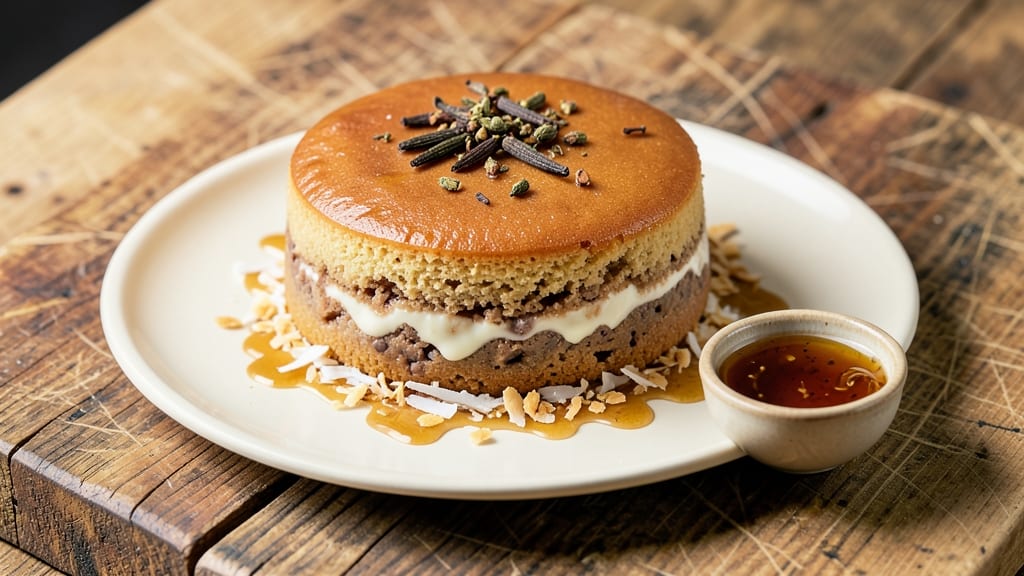
This mung bean cake recipe delivers a light, fluffy dessert that’s naturally gluten-free and packed with subtle spiced sweetness. After years of perfecting the texture—no dense, heavy results here—the secret lies in precise ingredient ratios and a gentle steaming method that creates that signature melt-in-your-mouth crumb.
I developed this version to balance traditional mooncake inspiration with modern ease, so you get restaurant-quality flavor without hours of prep.
The beauty of mung bean cake is its versatility—it works as a standalone treat or as a base for creative twists like chocolate swirls or matcha layers. For this recipe, we’ll focus on the classic spiced version with coconut, but I’ll share variations for those who want to experiment.
The batter comes together in under 15 minutes, and the steaming process takes just 45 minutes, making it perfect for special occasions or spontaneous dessert cravings.
What you’ll end up with is a cake that’s surprisingly light yet rich, with a delicate aroma from cinnamon and cardamom that lingers long after the first bite. The exterior stays tender, while the interior remains moist and airy—no dry crumbs here.
Whether you serve it plain, drizzled with coconut syrup, or dusted with powdered sugar, it’s a dessert that feels both elegant and approachable.
This recipe also works beautifully as a gift—wrap individual portions in banana leaves for an authentic touch. Let’s get started with the full instructions and variations that’ll make yours unforgettable.
Ingredients for mung bean cake
Fourteen ingredients transform into a delicate, spiced vegan dessert that feels restaurant-quality.
| Ingredient | Amount | Notes |
|---|---|---|
| Mung Beans 🌾 | 1 cup | Soaked overnight, drained |
| Coconut Milk (Full-Fat) 🥥 | 1 ½ cups | Canned, well-shaken |
| Coconut Sugar 🍯 | ½ cup | Lightly packed |
| Maple Syrup 🍁 | ¼ cup | Pure grade B |
| Ground Cinnamon 🌶️ | 1 tbsp | Freshly ground preferred |
| Ground Cardamom 🌿 | ½ tsp | Freshly ground |
| Vanilla Extract 🌸 | 1 tsp | Pure alcohol-free preferred |
| Shredded Coconut (Sweetened) 🥥 | ½ cup | Unsweetened works too |
| Tapioca Flour 🌾 | ¼ cup | For structure |
| Baking Powder 🧂 | ½ tsp | Aluminum-free |
| Salt 🧂 | ¼ tsp | Fine sea salt |
| Banana Leaves (Optional) 🌿 | 4 whole | For wrapping, dried works |
| Powdered Sugar 🍯 | ¼ cup | For dusting |
| Coconut Syrup (Optional) 🥥 | ¼ cup | For drizzling |
The mung beans are the heart of this cake, so soak them overnight—this ensures they’re tender and blends smoothly. I always grab organic mung beans from Trader Joe’s; they’re pre-washed and consistent. For coconut milk, full-fat canned is non-negotiable—it gives that rich, creamy texture. The coconut sugar adds caramel notes, but if you’re watching sugar, maple syrup does the trick too. Cardamom can be pricey, but a little goes a long way—spice shops like Penzeys sell it whole, which keeps longer. Freshly ground spices make all the difference here, so if you’ve got a mortar and pestle, use it.
No mung beans? Substitute with red bean paste (adzuki) at the same amount, but texture will differ slightly. Short on coconut milk? Cashew cream works in a pinch—blend soaked cashews with water until smooth. The tapioca flour is key for that signature fluffiness—don’t skip it. For a chocolate twist, fold in 2 tbsp melted vegan chocolate before steaming. Banana leaves add authenticity, but if you can’t find them, parchment paper works fine. The powdered sugar is just for dusting—skip it if you’re serving with coconut syrup.
Store the batter in an airtight container in the fridge for up to 2 days—steam fresh for best texture. Once steamed, it keeps for 3 days in the fridge or 1 month frozen. For gifting, wrap individual portions in banana leaves or parchment paper, then tie with twine. Reheat steamed slices in a dry pan for 30 seconds per side—they’re best warm, but also delicious at room temperature.
Why You'll Love This Recipe
- No-Soak Needed: Blanching those mung beans in boiling water for just 5 minutes does all the heavy lifting—no overnight soaking, no peeling, no fuss. Honestly, I’ve made this on days when I forgot to prep ahead, and it still comes out perfectly.
- Sweet Creamy Magic: That full-fat coconut milk? It turns this cake into a dreamy, moist bite with every forkful, while the maple syrup and coconut sugar add just the right caramelized warmth. Between us, the cinnamon makes it taste like dessert—but it’s breakfast too.
- Breakfast or Snack Hero: Slice it thin for a protein-packed snack, cube it into oatmeal, or serve it warm with a drizzle of extra maple syrup. I’ll be real: my kids grab these straight from the fridge when they need a quick pick-me-up, and I don’t even have to ask.
- Budget-Friendly Staple: Mung beans and coconut milk stretch this recipe into a whole batch for under $5, and it keeps for days in the fridge. Not the prettiest, but the taste makes up for it—and my wallet thanks me every time.
Step-by-step instructions for mung bean cake recipe
Here's how to create a light, fluffy mung bean cake with warm spices and tropical flavors.
Prepare the Mung Bean Batter
Begin by blending the soaked and drained 1 cup mung beans with the 1.5 cups coconut milk (full-fat) until completely smooth. I use a high-speed blender for this step—you want a silky texture with no visible chunks. The batter should be thick but pourable, similar to pancake batter consistency.
In a separate bowl, whisk together the 0.5 cup coconut sugar, 0.25 cup maple syrup, 1 tablespoon ground cinnamon, 0.5 teaspoon ground cardamom, 1 teaspoon vanilla extract, 0.25 cup tapioca flour, 0.5 teaspoon baking powder, and 0.25 teaspoon salt. This creates the spiced sweetener base that will infuse the cake with rich flavor. The cardamom adds a subtle floral note that pairs beautifully with the coconut and mung bean.
Combine Wet and Dry Ingredients
Gradually pour the mung bean-coconut milk mixture into the dry ingredients while whisking continuously. This prevents lumps from forming in the batter. I like to pour slowly in a thin stream while whisking vigorously—this ensures everything combines evenly. The batter should be smooth with a thick, cake-like consistency, similar to brownie batter.
Fold in the 0.5 cup shredded coconut (sweetened) using a spatula. You want the coconut evenly distributed throughout the batter. Here's the thing—don't overmix after adding the coconut. Just combine until you see a few small clumps remaining; this prevents the coconut from sinking to the bottom during baking.
Prepare for Baking with Optional Banana Leaves
If using the 4 whole banana leaves (optional), lightly oil them and place them in a baking dish. The banana leaves add an authentic tropical aroma and help create a moist, tender cake. Simply brush each leaf with a thin layer of coconut oil and arrange them in your baking pan—this prevents sticking and adds that distinctive flavor.
Pour the batter evenly into the prepared pan (or directly into the banana leaves if using). For a perfectly even cake, I recommend tapping the pan gently on the counter a few times to release any air bubbles. The batter should fill the pan about halfway—this ensures a thick, moist cake rather than a thin, dry one.
Bake to Golden Perfection
Preheat your oven to 350°F. Bake the cake for 45-50 minutes until a toothpick inserted in the center comes out clean. The cake should be golden brown on top with slightly domed edges. I always check for doneness at the 40-minute mark—your oven might run hot, so start checking early.
During the last 10 minutes of baking, you'll notice the edges start to pull away from the sides of the pan. This is your signal that the cake is nearly done. If the top browns too quickly, tent the cake with aluminum foil to prevent over-browning while the center finishes cooking.
Finish and Serve
Remove the cake from the oven and let it cool in the pan for 10 minutes. This resting period helps the cake set properly before you attempt to remove it. If using banana leaves, carefully lift the cake out while still warm—this preserves the leaves' flavor and prevents cracking.
Transfer the cake to a wire rack and dust generously with 0.25 cup powdered sugar. For an extra touch, drizzle with the optional 0.25 cup coconut syrup (optional) while the cake is still warm. The syrup will soak into the cake, adding moisture and a caramelized sweetness. Serve warm for the best texture and flavor experience—each bite should be tender with a delicate crumb and warm spiced notes.
Pro Tips For Making Mung Bean Cake
- Soak Overnight: I learned this the hard way—rushing the mung beans by just boiling them leaves them gummy and unappetizing. Soak them in water for 8-12 hours first, then drain and rinse. This ensures they cook evenly and hold their shape, giving that perfect tender yet firm texture.
- Sweat the Cinnamon: Don’t just dump the cinnamon in raw—bloom it first. Toast the ground cinnamon in a dry pan for 30 seconds until fragrant, then mix it into the warm coconut milk. This wakes up its flavor and cuts through the sweetness better than just stirring it in cold.
- Steam Don’t Boil: After blending the soaked mung beans with coconut milk and sweeteners, steam the batter in a lined basket over boiling water for 15-20 minutes. Boiling it directly risks a dense, gluey mess—steaming keeps the cake light and fluffy.
- Cool Before Cutting: I know, you’re hungry now, but slicing into the cake too soon makes it fall apart. Let it rest at room temperature for at least 30 minutes—this lets the starches set and gives you clean slices. (Yes, even if you’re impatient like me.)
Wine and beer pairings for these flavors
Coconut-Inspired Wines
Mung bean cake’s tropical coconut base pairs beautifully with dry Riesling from Germany or Austria—its crisp acidity and honeyed notes complement the cake’s caramelized sweetness. I love Dr. Loosen Blue Slate Riesling for its bright citrus finish that cuts through the richness.
For a bolder option, try a dry Gewürztraminer from Alsace—its lychee and rose aromas mirror the coconut’s floral undertones. 🍷
Spiced Red Wine Match
The warm spices in this cake—cinnamon and cardamom—call for a lightly spiced red wine like Pinot Noir from Oregon’s Willamette Valley. Look for bottles with vanilla and baking spice notes, such as Domaine Serene Pinot Noir.
The wine’s earthy red fruit balances the cake’s sweetness without overpowering it. A Gamay from Beaujolais also works, especially if it has a touch of peppery spice.
Creamy Dessert Beers
For beer lovers, a Belgian Witbier like Hoegaarden or Stella Artois (the original witbier) is a perfect match—their corianander and orange peel notes enhance the cardamom and cinnamon flavors. Alternatively, try a light lager with a hint of sweetness, like Mexican Modelo Especial.
The beer’s crispness contrasts beautifully with the cake’s tender texture, making each bite feel refreshing. 🍺
Non-Alcoholic Pairings
Skip the alcohol? A coconut-infused iced tea made with hibiscus and rose petals elevates the dessert’s floral notes. For something simpler, serve with chilled coconut water—its natural sweetness mirrors the cake’s tropical profile.
A vanilla chai latte (hot or iced) also complements the cardamom and cinnamon beautifully, especially if made with oat milk for extra creaminess. ✨
Seasonal Syrup Drizzles
For a dessert pairing, drizzle warm cake slices with ginger or pandan coconut syrup—both enhance the spiced flavors. In summer, a mango-lime reduction adds a tangy contrast, while in winter, dark chocolate ganache intensifies the cake’s richness.
I love pairing the cake with vanilla bean ice cream during warmer months for a melting contrast. 🥥
Nutrition facts
Frequently asked questions
Can I make this mung bean cake without banana leaves?
Banana leaves add authentic flavor but aren't essential. Use parchment paper or a lightly oiled baking dish instead. For extra moisture, brush the pan with coconut oil before pouring the batter. The cake will still turn out tender and delicious—just without that subtle tropical aroma.
Why does my mung bean batter look too thick?
This usually happens when mung beans aren't soaked long enough or the coconut milk is too thick. For a smoother texture, blend the soaked beans with 2 tablespoons extra coconut milk before combining with dry ingredients. If the batter is still too dense, whisk in 1 teaspoon tapioca flour slurry (mix 1 tsp flour with 1 tsp water) to lighten it. The consistency should resemble thick brownie batter.
Can I bake this cake instead of steaming?
Yes, but with adjustments! Reduce oven temperature to 325°F and bake for 50-60 minutes in a water bath (place pan in a larger pan with hot water halfway up the sides). Without steaming, the exterior may dry out faster, so tent with foil after 30 minutes. For best results, stick with steaming—it creates that signature moist, fluffy texture.
How do I store leftovers for maximum freshness?
Keep the cake in an airtight container at room temperature for 1 day, or refrigerate for up to 3 days. For longer storage, freeze individual slices wrapped in plastic wrap for 1 month. To reheat, warm in a dry skillet for 20-30 seconds per side or microwave for 10 seconds. The texture stays best when stored properly—no dry crumbs!
What's the best way to serve this cake for special occasions?
For an elegant presentation, slice the cake while warm and arrange on a platter with fresh coconut flakes. Dust with powdered sugar and drizzle with coconut syrup. Serve with vanilla bean ice cream or a side of hibiscus tea** for a tropical-inspired spread. For gifting, wrap individual slices in banana leaves or parchment paper tied with twine. The warm spices make it perfect for holidays or celebrations!