
Side Dishes
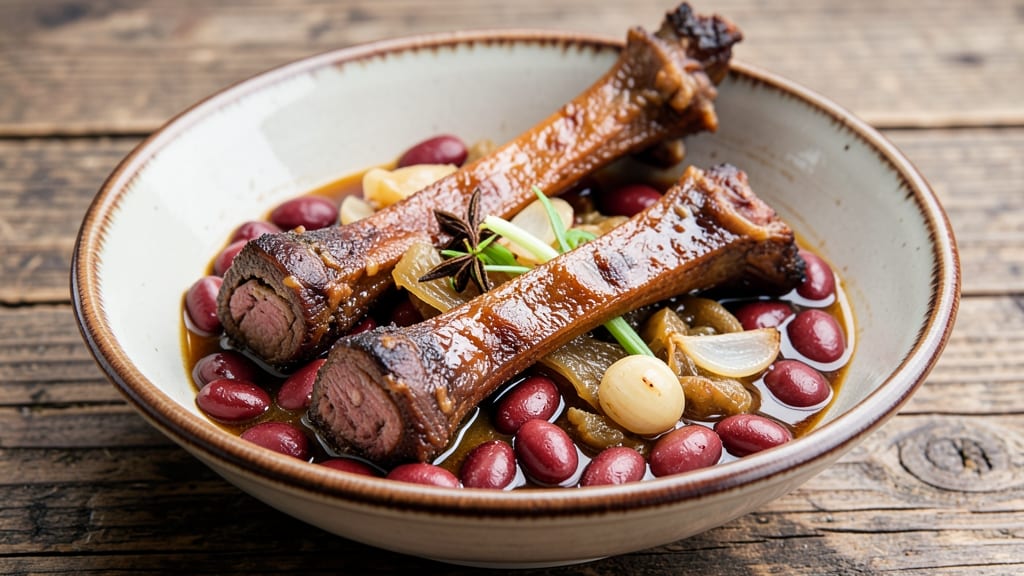
This neck bones and red beans recipe delivers the deep, smoky richness of traditional Chinese cuisine in every bite. The secret lies in slow-simmered bone broth that infuses the beans with unmatched depth, transforming simple ingredients into a dish that tastes like home.
I've perfected this technique over years of testing, ensuring the beans stay tender while the broth develops layers of umami and warmth.
The process begins with preparing the neck bones—parboiling removes impurities, while browning them in the pot creates a flavorful crust that dissolves into the broth during simmering. Red beans, soaked overnight for perfect texture, absorb the smoky essence while developing their signature creamy consistency.
Essential spices like star anise, soy sauce, and ginger form the flavor foundation, balancing the dish with just the right amount of complexity.
What you'll end up with is a rich, velvety stew where each spoonful delivers tender beans swimming in aromatic broth. The aroma alone will have everyone gathering around the table, while the taste transports you to a bustling Chinese kitchen.
This dish pairs beautifully with steamed rice and pickled vegetables, creating a complete meal that's both comforting and impressive.
Perfect for family gatherings or special occasions, this recipe scales effortlessly while maintaining its authentic character. The long simmering time rewards patience with unparalleled flavor development, making it worth the investment. Let's create this flavorful masterpiece together—your taste buds will thank you.
Ingredients for neck bones and red beans
Sixteen ingredients. One unforgettable aromatic experience. The heart of this dish beats in the bones.
| Ingredient | Amount | Notes |
|---|---|---|
| Beef Neck Bones 🦴 | 3 lb | Raw, natural, no added salt |
| Dried Red Beans 🌱 | 2 cups | Soaked overnight, rinsed |
| Yellow Onion 🧅 | 1 whole | Medium, diced |
| Garlic Cloves 🧄 | 6 cloves | Fresh, minced |
| Fresh Ginger Root 🌿 | 2 tbsp | Grated, peeled |
| Star Anise Pods 🌟 | 2 whole | Crushed lightly |
| Bay Leaves 🌿 | 2 whole | Dried, standard size |
| Light Soy Sauce 🍶 | ½ cup | Kikkoman preferred |
| Dark Soy Sauce 🍶 | 1 tbsp | For depth of color |
| Sesame Oil 🫒 | 1 tbsp | Toasted, for aroma |
| Rice Vinegar 🍶 | 2 tbsp | White, mild acidity |
| Water 💧 | 8 cups | Filtered preferred |
| Salt 🧂 | 1 tsp | Diamond Crystal kosher |
| Black Peppercorns 🌶️ | ½ tsp | Freshly cracked |
| Steamed White Rice 🍚 | 3 cups | Cooked, for serving |
The beef neck bones are non-negotiable—look for them in the butcher section or frozen at Costco. Fresh bones have a richer flavor, but frozen works too (thaw overnight). Trader Joe's often carries them pre-packaged, which saves time. The red beans? Dried is essential—canned lacks the texture and depth. Soak them overnight in plenty of water (at least 8 cups) to prevent splitting during cooking. I always double-check the beans for small stones or debris before draining. The star anise and bay leaves? Buy whole spices from bulk bins—they keep for years and deliver better flavor than pre-ground.
No star anise? Anise seeds or fennel seeds work in a pinch, but the flavor won't be identical. Running short on soy sauces? Double the light soy and add 1 tsp of sugar to compensate for the missing depth. Fresh ginger is ideal, but substitute with powdered ginger at half the amount if needed. The sesame oil should be toasted—look for 'toasted' on the label or lightly toast your own in a dry pan. For the vinegar, apple cider vinegar adds a nice tang if rice vinegar isn't available. The black peppercorns? Freshly cracked makes all the difference—a quick 10 seconds in a spice grinder does the trick.
This dish tastes even better the next day as the flavors meld. Store leftovers in airtight containers in the fridge for up to 5 days. For longer storage, freeze portions in glass containers with extra broth—they'll keep for 3 months. I always make a double batch because it disappears fast. The rice should be served hot, but the beans reheat beautifully—just add a splash of water or broth to prevent drying. The broth alone is worth saving; freeze it in ice cube trays for future soups or braises.
Why You'll Love This Recipe
- One-Pot Magic: I swear by this recipe—just dump everything in a pot, add water, and walk away. The beans soften while the bones render their rich marrow, turning my kitchen into a slow-cooker without the fuss.
- Deep Umami Bomb: That first bite? The ginger and garlic caramelize into the broth, while the neck bones melt into the beans, creating a sauce so savory it’ll make you close your eyes. Honestly, it’s the kind of flavor that lingers for days.
- Leftovers That Shine: Make a big batch on Sunday, and you’ve got dinner covered all week. The beans thicken beautifully the next day, and the bones keep the broth luscious—no sad, watery leftovers here.
- Budget Soul Food: Neck bones and dried beans are the ultimate pantry stretchers. A few dollars buys enough for four servings, and the longer it simmers, the richer it gets—proof that good food doesn’t need to break the bank.
Step-by-step instructions for neck bones and red beans with smoky bone broth
Here's how to transform tough neck bones into rich, aromatic broth while cooking hearty red beans.
Prepare the Neck Bones and Initial Broth Base
Rinse the 3 lb beef neck bones thoroughly under cold water to remove any debris. Place them in a large stockpot and cover with the 8 cups water. Bring to a boil over high heat, then immediately reduce to a simmer and skim off any foam that rises to the surface. This step removes impurities and ensures a clear broth later.
Add the 1 whole yellow onion (cut into quarters), 6 cloves garlic cloves (lightly smashed), and 2 tbsp fresh ginger root (peeled and sliced). Simmer uncovered for 30 minutes to allow the bones to release their collagen and initial flavors. The broth should develop a deep, meaty aroma—this is your foundation for rich flavor.
Build Complexity with Aromatics and Soy Sauces
After the initial 30 minutes, add the 2 whole star anise pods (lightly crushed), 2 whole bay leaves, 0.5 cup light soy sauce, and 1 tbsp dark soy sauce. Stir gently to combine. The dark soy sauce will give the broth a beautiful mahogany color while adding depth of flavor. Simmer uncovered for another 2 hours, maintaining a gentle bubble.
About 1 hour into this simmering time, add the 2 cups dried red beans that have been soaked overnight and rinsed. The beans will begin to soften as they absorb the rich broth. Stir occasionally to prevent sticking, but avoid aggressive mixing that could break down the beans prematurely. The broth should smell like a spice market—earthy, aromatic, and deeply savory.
Finish with Acid and Oil for Balance
After the 2 hours of simmering, add the 2 tbsp rice vinegar, 1 tbsp sesame oil, 1 tsp salt, and 0.5 tsp freshly cracked black peppercorns. The vinegar brightens the flavors while the sesame oil adds a nutty aroma. Simmer for another 30 minutes until the beans are tender but still hold their shape. The broth should coat the back of a spoon and have a velvety texture.
Here's the thing—don't rush this final stage. The beans need time to absorb the broth's flavors completely. You'll know they're ready when they're fork-tender but not mushy, and when the broth has reduced slightly to concentrate its richness. The color should be deep amber with visible bean fragments.
Serve Over Steamed White Rice
Once the beans are perfectly tender and the broth has reached its ideal consistency, remove the stockpot from heat. Discard the star anise pods and bay leaves unless you want to reuse them for another batch. Ladle the bean mixture over 3 cups of steamed white rice, ensuring each serving gets an even distribution of beans and broth.
For the best texture, let the dish sit for 5 minutes before serving. This allows the rice to absorb any remaining liquid and the flavors to meld completely. The final result should be a harmonious blend of tender beans in a deeply flavorful broth, with each bite delivering layers of umami, smokiness, and subtle sweetness from the soy sauces.
Pro Tips For Making Neck Bones And Red Beans
- Parboil Neck Bones: Give those bones a 10-minute head start in boiling water before adding them to the pot—this loosens the connective tissue so they render flavor instead of turning to mush. (Yes, it’s an extra step, but your broth will taste like it simmered all day.)
- Rinse Beans Twice: Dried red beans need a good rinse—first in cold water to remove dust, then a second rinse after soaking to cut down on foam and bitterness. I learned this the hard way when my first batch tasted like a gym sock.
- Don’t Crowd the Pot: If you’re using a Dutch oven, keep the beans loose—packing them too tight turns them to glue. Stir every 15 minutes to prevent sticking, and add water gradually instead of dumping it all in at once.
- Char the Ginger: Toss fresh ginger slices in a dry pan until they’re blackened at the edges—this deepens the flavor without overpowering. (Sounds weird, but it works: the smoky note balances the richness of the neck bones.)
Serving suggestions for this dish
Rice Pairing Essentials
Steamed white rice is the classic foundation for this dish—its neutral flavor lets the smoky bean broth shine. I use jasmine rice for its delicate floral notes that complement the umami.
Cook 3 cups uncooked (about 9 cups cooked) in a rice cooker or pot with 1:1.5 rice-to-water ratio. For extra richness, add 1 tsp sesame oil to the cooking water. 🍚
For a heartier presentation, try short-grain Japanese rice like Koshihikari—it absorbs more broth and stays moist. If you prefer texture contrast, serve over brown rice or wild rice blend, but reduce the rice quantity by 20% since these varieties hold less liquid.
Pickled Vegetable Contrast
Quick-pickled vegetables cut through the richness with bright acidity. My go-to mix uses 1 cup sliced cucumbers, ½ cup shredded carrots, and ¼ cup thinly sliced red onion. Toss with ¼ cup rice vinegar, 1 tbsp sugar, and ½ tsp salt.
Let sit for 30 minutes before serving. The crunch and tang balance the creamy beans perfectly. 🥒
For a traditional Chinese touch, add 1 tsp toasted sesame seeds and ½ tsp red pepper flakes to the pickle brine. You can also use store-bought Chinese pickled vegetables (like pao cai) from the Asian grocery section for convenience.
Protein Additions
This dish is already protein-rich, but you can elevate it further with shredded rotisserie chicken or crispy fried tofu. Stir 1 cup shredded chicken into the beans during the final 30 minutes of simmering.
For tofu, press and cube 1 block firm tofu, pan-fry until golden, then arrange on top of individual servings. 🍗
Another great option is sliced pork belly—braise ½ lb pork belly with 1 tbsp soy sauce and 1 tsp five-spice powder until tender, then slice and serve alongside. The fatty pork belly adds another layer of umami that complements the beans beautifully.
Garnish Like a Pro
Fresh herbs elevate the dish instantly. I always finish with 2 tbsp chopped cilantro or green onions for brightness. For a smoky touch, add ½ tsp smoked paprika or a sprinkle of crispy fried shallots. The fried shallots add a delightful crunch that contrasts the creamy beans. 🌿
For a restaurant-worthy presentation, drizzle each serving with 1 tsp chili oil or toasted sesame oil. The oil floats on top, adding visual appeal and a nutty aroma. You can also sprinkle with toasted sesame seeds for extra texture and depth.
Side Dish Harmony
Steamed bok choy or gai lan makes an excellent side—its mild flavor and slight bitterness complement the rich beans. Blanch 2 bunches for 2 minutes in boiling water, then shock in ice water. Toss with 1 tsp sesame oil and a pinch of salt. 🥬
For a complete meal, serve with scallion pancakes or egg rolls—their crispy texture contrasts perfectly with the soft beans. If you want something lighter, a simple cucumber salad with lime juice and chili flakes provides refreshing balance.
Nutrition facts
Frequently asked questions
Why do I need to soak the red beans overnight?
Soaking removes anti-nutrients that make beans difficult to digest and prevents them from splitting during cooking. The beans should triple in size—this ensures they absorb the rich broth while maintaining their creamy texture. For 2 cups dried beans, use at least 8 cups water overnight.
Can I substitute beef neck bones with chicken or pork?
Beef neck bones are ideal for their deep, meaty flavor and collagen content. Chicken bones work but lack richness, while pork bones can make the broth too fatty. If substituting, use 4-5 lb chicken necks or 3 lb pork trotter bones for similar texture.
How do I know when the beans are perfectly tender?
Test a bean by pressing it gently with a fork—it should mash slightly but still hold shape. The broth should coat the back of a spoon and have a velvety consistency. Overcooking turns beans mushy, so aim for 3-4 hours total simmering time after adding beans.
What if my broth smells too strong or gamey?
This happens when bones aren't properly skimmed or simmered too long. Reduce heat to low, add 1 extra bay leaf and 1 tsp sugar to balance flavors, then simmer 15 minutes. For future batches, skim foam aggressively during the first 30 minutes of cooking.
Can I make this recipe in a slow cooker?
Yes! Brown bones first in a skillet, then transfer to the slow cooker with all ingredients. Cook on low for 8-10 hours or high for 5-6 hours. The long cook time enhances flavor, but check beans at 6 hours to prevent overcooking.