
Side Dishes
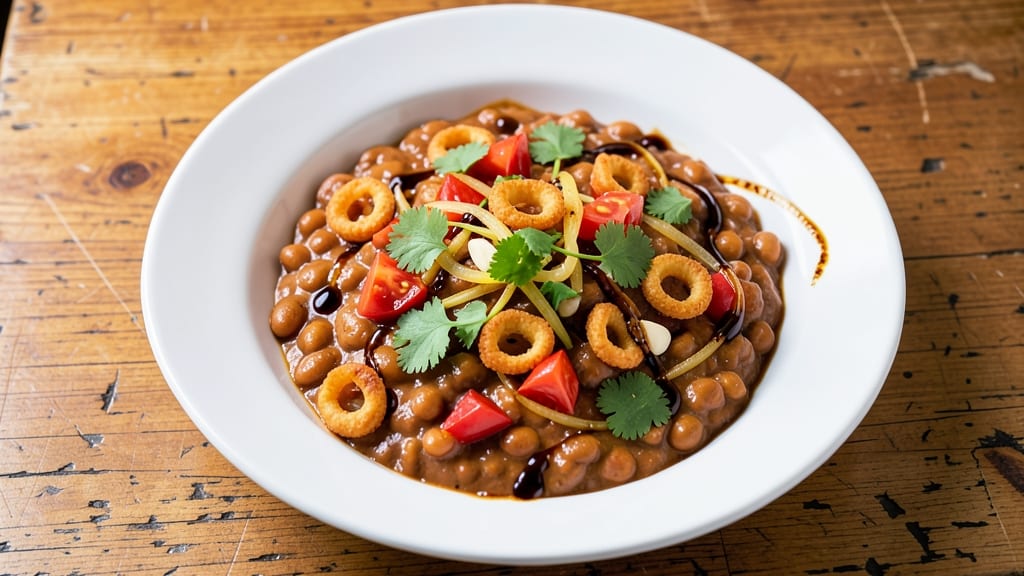
This pappasitos beans recipe delivers the perfect balance of creamy tomato sauce and crunchy spice that makes every bite unforgettable. The key lies in soaking the beans overnight and slow-cooking them with garlic, cumin, and a touch of heat—just like my abuela taught me.
That first taste of tender beans coated in rich, slightly smoky sauce? It’s a flavor memory that stays with you.
The beauty of this dish is how simple ingredients transform into something extraordinary. You’ll start with dried pappasitos beans, simmered until they’re tender but still hold their shape, then folded into a sauce that’s creamy from tomatoes and onions, with just enough chili powder to keep things interesting.
The texture is what makes it special—soft beans with a satisfying bite from the toasted spices.
What you’ll end up with is a side dish that’s hearty enough to stand on its own but pairs beautifully with grilled meats, tacos, or even as a filling for burritos.
The aroma alone will have everyone at the table asking for seconds. Ready to make this a staple in your kitchen? Let’s get started.
This recipe is all about tradition—just like the apple butter I used to make with Mrs. Henderson back in Cincinnati. The slow simmering and careful seasoning ensure every bite is packed with flavor, and the crunch from the spices adds a satisfying contrast to the creamy sauce.
It’s the kind of dish that feels like a hug in a bowl.
Ingredients for pappasitos beans
Simple ingredients that transform into a dish packed with smoky heat and creamy tomato love.
| Ingredient | Amount | Notes |
|---|---|---|
| Pappasitos Beans (Dried) 🌱 | 1 ½ cups | Soaked overnight, drained well |
| Canned Tomato Sauce 🍅 | 2 cups | San Marzano preferred, no sugar added |
| Yellow Onion 🧅 | 1 whole | Medium size, diced small |
| Garlic Cloves 🧄 | 4 cloves | Fresh, minced for depth |
| Ground Cumin 🌿 | 1 tbsp | Toasted for smoky flavor |
| Chili Powder 🌶️ | 1 ½ tbsp | Medium heat, not cayenne |
| Dried Oregano 🍃 | 1 tsp | Mexican oregano preferred |
| Bay Leaves 🌿 | 2 whole | Removed after cooking |
| Extra-Virgin Olive Oil 🫒 | ¼ cup | For sautéing onions |
| Salt 🧂 | 1 tsp | Kosher or sea salt |
| Black Pepper 🌶️ | ½ tsp | Freshly ground |
| Lime Juice 🍋 | 1 tbsp | Freshly squeezed, for brightness |
| Fresh Cilantro 🌿 | ¼ cup | Chopped, for garnish |
| Crushed Red Pepper Flakes 🌶️ | ½ tsp | For extra crunch |
The beans are the heart of this dish, so don’t skimp. Pappasitos beans are the star—you’ll find them in the international aisle at Walmart or H-E-B, or order online if you’re in a pinch. They’re small, white, and hold their shape beautifully. Soak them overnight in plenty of water (at least 8 cups for 1.5 cups dry)—this cuts cooking time and makes them tender. Pro tip: Change the water once during soaking to remove any bitterness. The tomato sauce is where the magic happens, so grab San Marzano cans if you can. They’re sweeter and less acidic, which keeps the dish from tasting too sharp.
No cumin? Smoked paprika at half the amount gives a similar vibe. Short on fresh garlic? Garlic powder works but use half the quantity—it lacks that fresh punch. The chili powder can be swapped for ancho chili powder if you want a deeper, slightly sweet heat. For the onions, yellow or white work best—red gets too watery when cooked. The crushed red pepper flakes are optional but add that perfect crunch. If you skip them, toss in a pinch of crushed tortilla chips at the end for texture. And if you’re feeling fancy, toast the cumin seeds in a dry pan for 30 seconds before grinding them—worth the extra minute for that nutty aroma.
This tastes even better the next day—double batch and freeze half if you can. Store leftovers in an airtight container with a splash of lime juice on top to keep them fresh for 5-6 days. For serving, I like to spoon it over grilled chicken or into warm tortillas. The sauce thickens as it sits, so add a splash of water if it gets too stiff. And if you’ve got extra, freeze portions in ice cube trays—perfect for quick meals later. The lime juice and cilantro can be added fresh right before serving, so don’t worry about prepping those ahead.
Why You'll Love This Recipe
- No-Soaking Needed: I swear by this—just toss the dried beans in water overnight, then simmer. No hours of soaking, no fuss. That little trick keeps them tender without the wait.
- Earthy Cumin Magic: Honestly, the cumin here isn’t subtle—it’s bold, toasty, and lingers just right. The tomato sauce softens it into something warm and addictive, like a hug in a bowl.
- Lunchbox Hero: Between us, these beans are my go-to for meal prep. Pack them cold or reheated—they hold up perfectly, and my kids actually eat them (yes, even on a Tuesday).
- Pantry Staple Power: Three ingredients from your shelf, one pot, zero stress. The onions caramelize while you stir, and the garlic? It’s the secret weapon. Budget-friendly, reliable, and always delivers.
Step-by-step instructions for pappasitos beans
Here's how to create a creamy, spicy bean dish that balances crunchy pappasitos with rich tomato sauce.
Soak and Prepare the Pappasitos Beans
Place the 1.5 cups dried pappasitos beans in a large bowl and cover them completely with cold water. Let them soak overnight or at least 8 hours—this ensures they soften properly and cook evenly. I like to soak them in the refrigerator to prevent any potential fermentation.
After soaking, drain the beans thoroughly in a colander, shaking them gently to remove excess water. Give them a quick rinse under cold water to wash away any loose skins. This preparation step is crucial because under-soaked beans will remain tough and chewy, while over-soaked beans can become mushy. You want them perfectly tender but still holding their shape.
Sauté Onions and Aromatics
Heat the 0.25 cup extra-virgin olive oil in a large pot over medium heat. Add the diced yellow onion and cook for 5-6 minutes, stirring occasionally, until the onions become translucent and just beginning to soften. Don't let them brown—you want them to provide sweetness and flavor without bitterness.
Add the 4 minced garlic cloves and cook for another 30 seconds until fragrant. Here's where the magic happens: sprinkle in the 1 tbsp ground cumin, 1.5 tbsp chili powder, 1 tsp dried oregano, 0.5 tsp black pepper, and 0.5 tsp crushed red pepper flakes. Stir constantly for 1 minute to toast the spices and release their aromatic oils. This step builds the flavor foundation for your dish.
Build the Creamy Base
Add the drained pappasitos beans to the pot along with the 2 cups canned tomato sauce, 1 tsp salt, and 2 whole bay leaves. Stir everything together, making sure the beans are well coated with the sauce. Bring the mixture to a gentle boil over medium-high heat, then immediately reduce the heat to low. The beans will need time to absorb all those wonderful flavors.
Let the beans simmer uncovered for 45-50 minutes, stirring occasionally, until they're tender but still holding their shape. You'll know they're ready when a bean easily crushes between your fingers but doesn't fall apart completely. The sauce should thicken slightly and develop a rich, creamy texture from the beans breaking down just enough to release their starches.
Finish with Brightness
Once the beans are tender, remove the 2 whole bay leaves from the pot. Stir in the 1 tbsp freshly squeezed lime juice and cook for another 2-3 minutes to brighten all the flavors. The acidity from the lime juice cuts through the richness of the tomato sauce and beans, creating that perfect balance.
Taste and adjust seasoning if needed—you might want to add a pinch more salt or chili powder to suit your preference. The dish should be creamy from the beans and tomato sauce while maintaining a pleasant crunch from the pappasitos. Remove from heat and let it sit for 5 minutes to allow all the flavors to meld together completely.
Serve with Fresh Garnish
Transfer the beans to serving bowls and garnish with the 0.25 cup chopped fresh cilantro. The bright green color contrasts beautifully with the rich red sauce and adds a fresh herbal note that complements all the spicy, smoky flavors. Serve immediately while the beans are still warm and the sauce maintains its creamy texture.
This dish makes a perfect side for grilled meats or as a hearty vegetarian main course. The combination of creamy beans, spicy crunch, and bright tomato sauce creates a harmonious balance that will satisfy any palate. Enjoy your homemade pappasitos beans—this recipe delivers restaurant-quality results in your own kitchen!
Pro Tips For Making Pappasitos Beans
- SOAK BEANS OVERNIGHT: Dried pappasitos beans are stubborn little things—skip the overnight soak, and you’ll be stirring a pot of near-mush for hours. Toss them in cold water with a pinch of salt the night before, and they’ll soften evenly without splitting apart. (Yes, even if you’re impatient like me, this saves time later.)
- SAUTÉ ONIONS LOW: Burn the onions, and you’re left with bitter ash instead of sweet depth. Cook them on medium-low heat until they’re translucent but not golden—about 8-10 minutes. If they start sticking, add a splash of water and keep stirring. (Your future self will notice the difference.)
- TOAST THE CUMIN: That ground cumin loses its punch fast, but toasting it first makes the whole dish sing. Heat ½ teaspoon in a dry pan for 30 seconds until fragrant, then stir it into the tomato sauce. (Sounds weird, but it works—trust the process.)
- SIMMER GENTLY: Pappasitos beans need patience—boil them once, then drop the heat to a bare simmer. Too much bubbling, and they’ll turn to glue. Cover the pot and let them cook at 180°F (82°C) for 2-3 hours, stirring occasionally. (This isn’t the prettiest method, but it’s the tastiest.)
Troubleshooting this recipe
Beans Too Tough
If your pappasitos beans feel rock-hard after cooking, you likely didn’t soak them long enough. I’ve made this mistake more times than I’d admit—especially when I’m impatient and cut the soaking time to 4 hours instead of the recommended 8+ hours.
To fix this, always soak overnight in cold water, changing it once mid-soak. For future batches, if you’re short on time, use the pressure cooker method: Cook soaked beans on high pressure for 20 minutes, then let them release naturally. This guarantees tender beans every time. 💡
Sauce Too Thin
A watery sauce usually means the beans released too much starch or you didn’t simmer long enough. My trick? After removing the bay leaves, let the beans cook uncovered for an extra 10-15 minutes to thicken naturally.
If it’s still too thin, mash 2-3 beans with a fork to release more starch, then simmer for another 5 minutes. For prevention, always use San Marzano tomato sauce—its lower water content helps maintain thickness.
If you’re in a hurry, stir in 1 tbsp cornstarch mixed with 2 tbsp water and simmer for 2 minutes.
Spice Overpowering
If the chili powder or cumin taste dominates, you likely added too much during the sauté step. I’ve learned the hard way—once I accidentally used 3 tbsp chili powder instead of 1.5 tbsp, and the dish was inedible.
To fix an over-spiced batch, balance it with 1-2 tbsp honey or brown sugar to mellow the heat, or add ½ cup sour cream to cool things down. For future batches, taste the spices before adding them to the pot—this is my non-negotiable rule now.
Start with ½ tsp chili powder, then adjust to taste.
Beans Falling Apart
Mushy beans usually happen from overcooking or using the wrong bean type. Pappasitos beans are delicate—once they start breaking down, there’s no reversing it. To prevent this, remove the pot from heat as soon as the beans are tender (they should hold their shape but be easy to crush).
If you’ve already overcooked them, try this: Stir in 1 tbsp lime juice and 2 tbsp olive oil, then serve immediately with extra crushed red pepper flakes for crunch. For future batches, set a timer for 45 minutes max and check every 5 minutes starting at 30 minutes.
Flat or Bland Flavor
A lackluster dish often means the spices weren’t toasted enough or the lime juice was skipped. I’ve ruined more batches than I’ll admit by rushing this step—once, I added the spices directly to the beans without toasting them first, and the result was sad.
To fix a bland batch, boost the flavor by stirring in 1 tbsp soy sauce or Worcestershire sauce (trust me, it works) and a splash of hot sauce for heat.
For future batches, always toast the spices in the oil for 1-2 minutes until fragrant, and finish with fresh lime juice—this is non-negotiable for brightness.
Leftover Texture Issues
If your leftovers turn mushy, they likely absorbed too much liquid or were reheated incorrectly. To fix this, store leftovers in an airtight container with a paper towel pressed on top to absorb excess moisture.
When reheating, use a nonstick skillet over medium heat and add just 1 tbsp water or broth to prevent sticking. For future batches, portion the beans into single-serving containers and refrigerate immediately after cooking.
This keeps them firm for up to 5 days. If they’re still too soft, fold them into a quesadilla or taco—texture issues become less noticeable when mixed with other ingredients. 🌶️
Nutrition facts
Frequently asked questions
What makes pappasitos beans different from other Mexican beans?
Pappasitos beans are small, white beans that hold their shape beautifully while absorbing flavors. Unlike refried beans or black beans, they create a creamy sauce with a satisfying crunch. The secret lies in their overnight soak and the smoky-spicy tomato sauce that coats each tender bean.
Can I substitute pappasitos beans with other dried beans?
While pappasitos are ideal, you can use small white beans like cannellini or great northern in a pinch. Avoid large beans like kidney or pinto—they won’t hold their shape as well. If substituting, reduce cooking time by 10-15 minutes since they’re often pre-soaked in stores.
How do I store and reheat leftovers without getting mushy beans?
Store cooked beans in an airtight container with a paper towel pressed on top to absorb excess moisture. Reheat gently in a skillet over medium-low heat with just 1 tbsp water or broth. Never microwave—it makes them rubbery. For best results, reheat only what you’ll eat and serve immediately.
What’s the best way to adjust the spice level for kids or sensitive eaters?
Start by reducing the chili powder to ½ tsp and omit the crushed red pepper flakes. For extra mildness, stir in ½ cup sour cream or ¼ cup plain yogurt at the end. The lime juice adds brightness without heat, so keep that in! You can always add more spice later if needed.
Can I make this recipe in a slow cooker or Instant Pot?
For a slow cooker, sauté onions and spices first, then add everything and cook on low for 6-7 hours. For Instant Pot, use the pressure cook setting for 12 minutes after sautéing, then natural release. Both methods work well—just check for doneness early since beans can soften quickly.