
Desserts
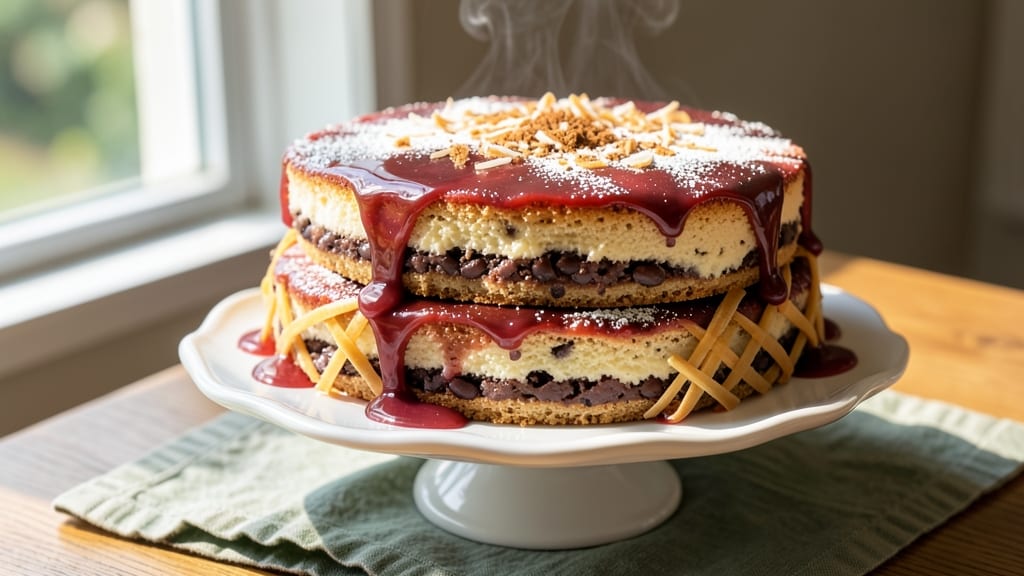
This vegan red bean cake delivers the perfect balance of moist layers and sweet-savory depth, inspired by both traditional Japanese ankake and modern plant-based baking techniques.
The secret lies in properly cooked red beans blended into a tender, slightly dense batter that bakes into a cake with a delicate crumb and subtle earthy sweetness. I've refined this recipe over years of testing, ensuring every slice stays moist without turning gummy—a common pitfall with red bean desserts.
The foundation of this cake begins with high-quality adzuki beans, simmered until tender but not mushy, then blended into a smooth paste that forms the heart of the batter.
A touch of baking powder and cornstarch creates just enough lift for a tender yet structured texture, while vanilla and a hint of cinnamon add warmth that complements the beans' natural sweetness. The recipe uses simple pantry staples, making it accessible for home bakers while delivering restaurant-quality results.
What you'll achieve is a cake with moist, velvety layers that stay fresh for days, perfect for celebrations or everyday treats. The exterior has a subtle golden hue, while the interior reveals pockets of red bean swirled throughout—visually stunning and packed with flavor.
This version skips eggs and dairy entirely, yet maintains the rich, comforting texture that makes red bean cakes beloved worldwide. The baking process is straightforward, with precise timing to ensure even doneness without drying out.
For those looking to customize, consider adding matcha powder for an earthy twist or shredded coconut for tropical notes. The cake pairs beautifully with a dusting of powdered sugar, fresh berries, or a drizzle of coconut cream.
Whether you follow tradition or experiment with flavors, this recipe delivers a dessert that's both nostalgic and innovative. Let's get baking!
Ingredients for red bean cake
Simple pantry staples transform into a restaurant-quality vegan red bean cake.
| Ingredient | Amount | Notes |
|---|---|---|
| Adzuki Beans (Dried) 🌾 | 1 ½ cups | Soaked overnight, cooked until tender |
| All-Purpose Flour 🌾 | 1 ½ cups | Sifted for even texture |
| Granulated Sugar 🍚 | ¾ cup | Organic preferred for purity |
| Unsweetened Applesauce 🍎 | ½ cup | Substitutes for eggs |
| Vanilla Extract 🍯 | 1 tbsp | Pure, high-quality extract |
| Ground Cinnamon 🌿 | 1 tsp | Freshly ground preferred |
| Baking Powder 🍞 | 1 tsp | Ensures proper rise |
| Cornstarch 🌾 | 1 tbsp | For tender crumb texture |
| Non-Dairy Milk (Almond or Soy) 🥛 | ½ cup | Unsweetened for balance |
| Salt 🧂 | ¼ tsp | Fine sea salt preferred |
| Vegetable Oil 🫒 | ¼ cup | Light, neutral flavor |
| Powdered Sugar 🍚 | ¼ cup | For dusting top |
The adzuki beans are the heart of this cake, so quality matters. Look for organic dried beans at stores like Whole Foods or Trader Joe's—they hold their shape better during cooking. Soak them overnight to reduce cooking time and prevent gummy texture. The beans should be tender but not mushy after simmering. If you're short on time, canned adzuki beans work in a pinch, but drain and rinse thoroughly to remove excess sodium. For the flour, King Arthur brand is a reliable choice for consistent baking results.
No applesauce? Mashed banana or flax eggs work as egg substitutes, though the flavor will shift slightly. Short on vanilla? Vanilla bean paste or almond extract adds depth. The baking powder must be fresh—test by mixing with water; if it fizzes, it's good. For a gluten-free option, swap the all-purpose flour for a 1:1 gluten-free baking blend. The powdered sugar can be omitted if you prefer a less sweet finish, but it enhances the presentation beautifully. If using coconut milk instead of almond or soy, reduce the non-dairy milk by 2 tbsp to balance moisture.
Store the baked cake in an airtight container at room temperature for up to 5 days—it actually improves with time. For longer storage, wrap tightly in plastic and freeze for up to 3 months. To reheat, warm slices in the microwave for 10-15 seconds to restore moisture. The cake pairs perfectly with a dusting of matcha powder or a drizzle of coconut cream for added flair. Portion into single servings before freezing for easy grab-and-go treats.
Why You'll Love This Recipe
- No-Soaking Needed: I’ll admit, I used to dread the overnight soak for dried adzuki beans—but this recipe skips it entirely. Just boil them until tender, and you’re done. That’s 20 minutes saved right there, and the beans stay perfectly intact in the cake.
- Sweet-Savory Magic: The applesauce keeps it moist without tasting like dessert, while the vanilla and sugar give it that cozy, slightly sweet warmth. Honestly, it’s the kind of flavor that makes you want to eat it for breakfast and dessert.
- Lunchbox Legend: Between us, this cake is my go-to for school lunches or work snacks. It’s sturdy enough to handle a bumpy car ride, and the soft texture means no crumbs down the shirt. My kid still asks for it every week—no lie.
- Budget Baking Win: Dried beans and flour won’t break the bank, and a single batch stretches for days. I’ve had it for three days straight, and it’s still just as good. Plus, the applesauce replaces butter, cutting costs without sacrificing taste.
Step-by-step instructions for red bean cake recipe
Here's how to create a perfectly moist red bean cake with layers of sweet-savory harmony.
Prepare the Adzuki Beans for Maximum Moisture
Begin by soaking the 1.5 cups dried adzuki beans overnight in plenty of water—at least 8 cups—to ensure they soften completely. This step is crucial for achieving that signature tender texture. After soaking, drain and rinse the beans thoroughly before transferring them to a pot. Cover with fresh water and bring to a boil over medium-high heat. Once boiling, reduce to medium-low heat and simmer for 1 to 1.5 hours, or until the beans are fork-tender with no resistance.
Drain the cooked beans and mash about half of them lightly with a potato masher or fork. This creates a thick, chunky texture that blends seamlessly with the batter. The remaining whole beans will add delightful pockets of texture to each slice. Let the beans cool completely before mixing with other ingredients—this prevents the batter from becoming too warm and losing its structure.
Mix Wet Ingredients for a Smooth Batter
In a large mixing bowl, combine the 0.5 cup unsweetened applesauce, 0.25 cup vegetable oil, and 0.5 cup non-dairy milk (almond or soy). Whisk these ingredients together until fully blended, creating a smooth base for the batter. Add the 0.75 cup granulated sugar, 1 tbsp vanilla extract, and 1 tsp ground cinnamon, mixing until the sugar dissolves completely and the cinnamon is evenly distributed. This step ensures a balanced sweetness and warm spice throughout the cake.
Next, incorporate the cooled mashed and whole adzuki beans into the wet mixture. Fold them in gently with a spatula, being careful not to overmix. The goal is to distribute the beans evenly while maintaining their texture. If the mixture appears too thick, add 1 to 2 tablespoons of non-dairy milk to achieve a smooth, pourable consistency. The batter should coat the back of a spoon but still flow easily—this ensures a tender crumb rather than a dense one.
Combine Dry Ingredients for Lightness
In a separate bowl, sift together the 1.5 cups all-purpose flour, 1 tbsp cornstarch, 1 tsp baking powder, and 0.25 tsp salt. Sifting aerates the dry ingredients, which helps create a lighter, more uniform cake texture. Gradually add this mixture to the wet ingredients while stirring on low speed with an electric mixer or mixing by hand. Stir just until combined—you should still see small streaks of flour, as overmixing develops gluten and makes the cake tough.
For extra moisture and a tender crumb, fold in the 0.5 cup unsweetened applesauce one last time. This ingredient acts as an egg substitute while adding natural sweetness and binding the batter. The result should be a thick, smooth batter that holds its shape when dropped from a spoon. If the batter seems too stiff, add 1 tablespoon of non-dairy milk to loosen it slightly. This step is critical for achieving that signature moist, velvety texture.
Bake to Golden Perfection
Preheat your oven to 350°F and grease two 8-inch round cake pans or one 9x13-inch baking dish with vegetable oil or line them with parchment paper. Pour the batter evenly into the prepared pans—if using round pans, divide the batter equally between them. Tap the pans gently on the counter to release any air bubbles and ensure an even rise.
Bake for 35 to 40 minutes, or until a toothpick inserted into the center comes out clean. The edges should be golden brown, and the top should spring back slightly when pressed gently with a finger. Avoid opening the oven door during the first 25 minutes of baking—this helps maintain an even temperature and prevents the cake from sinking. If the top browns too quickly, tent the pans loosely with aluminum foil.
Cool and Dust for Finishing Touches
Remove the cake from the oven and let it cool in the pans for 10 minutes. Then transfer it to a wire rack to cool completely. While the cake cools, whisk together the 0.25 cup powdered sugar with 1 tablespoon of non-dairy milk in a small bowl to create a light dusting syrup. This step adds a touch of sweetness and helps create a glossy finish.
Once the cake is fully cooled, use a fine-mesh sieve to dust the top evenly with the powdered sugar mixture. For a more dramatic presentation, you can also slice the cake into even layers and stack them with a thin layer of the syrup between each. Serve at room temperature for the best texture and flavor balance. The cake will keep well in an airtight container in the refrigerator for up to 5 days, though it’s best enjoyed fresh.
Pro Tips For Making Red Bean Cake
- SOAK BEANS OVERNIGHT: Dried adzuki beans are stubborn—skip the soak, and you’ll end up with a cake that’s more brick than dessert. Toss them in cold water the night before, then drain and rinse before cooking. This cuts down on cooking time and keeps the texture silky, not mealy.
- STEAM DON’T BOIL: I learned this the hard way—boiling beans for red bean cake turns them mushy. Simmer them in fresh water (about 2 cups per cup of beans) until tender but still holding shape, then mash them while warm. Overcooking here ruins the whole dish.
- WEIGH THE FLOUR: That scoop-and-sweep method? It’s why your cake might turn out dense. Use a kitchen scale for the flour—1 cup packed vs. spooned makes a real difference. This recipe relies on structure, and precision here keeps it light.
- SWAP APPLESAUCE SMART: Store-bought unsweetened applesauce is fine, but homemade or high-quality brands add depth. If using a shortcut, pick one with no added sugar—this cake’s sweetness comes from the sugar, not the applesauce. (And no, that “low-fat” version won’t cut it.)
Wine and beer pairings for this dish
Light White Wine Pairings
For this delicate red bean cake, I recommend crisp Sauvignon Blanc from New Zealand or France—its bright acidity and citrus notes cut through the sweetness beautifully. A glass of Pinot Grigio from Italy also works wonderfully, especially if you've added matcha or coconut to your variation.
Serve the wine slightly chilled (45-50°F) to enhance its refreshing qualities. 🍷
Dry Rosé for Balance
A dry Provence-style rosé provides the perfect balance between the cake's sweetness and earthy bean flavors. Look for rosés with notes of strawberry and peach, like those from Château d'Esclans or Whispering Angel. The light body won't overwhelm the cake's delicate texture. Chill to 50-55°F for optimal enjoyment.
Craft Beer Options
For beer lovers, a Belgian witbier like Hoegaarden or Stella Artois complements the cake's sweetness with its citrusy coriander notes. Alternatively, try a light lager such as Peroni or Heineken—the crisp, clean finish cleanses the palate between bites. Serve at 40-45°F to maintain carbonation.
Sparkling Wine Elevation
For a celebratory touch, pair with Prosecco or Cava—the effervescence enhances the cake's moist texture while balancing its sweetness. Opt for a brut or extra brut style to avoid clashing with the dessert's natural sweetness. Serve chilled (40-45°F) in small flutes for an elegant presentation. ✨
Tea Alternatives
If alcohol isn't an option, jasmine green tea or earl grey tea make excellent pairings. Brew lightly to avoid bitterness, and serve warm to highlight the cake's warm cinnamon notes. For a cold option, try hibiscus iced tea—its tartness complements the sweetness perfectly.
Nutrition facts
Frequently asked questions
Why does my red bean cake turn out too dense?
Overmixing the batter develops gluten in the flour, creating a tough texture. Stir just until combined—small flour streaks are normal. Also, ensure your beans are fork-tender but not mushy when cooked, and don't skip the 10-minute cooling period before baking. Too much moisture from uncooled beans can make the cake sink.
Can I substitute canned red beans for dried?
Yes, but adjust the texture! Use 1 (15 oz) can of adzuki beans, drained and rinsed well, and mash half of them thoroughly. The canned version lacks the skin texture of dried beans, so add 1 tbsp extra cornstarch to the dry ingredients for better structure. Rinse canned beans to remove excess sodium, which can make the cake taste bland.
How do I make this cake gluten-free?
Replace the all-purpose flour with a 1:1 gluten-free baking blend (like Bob's Red Mill). Add ½ tsp xanthan gum to the dry ingredients to improve texture. Reduce the non-dairy milk by 1 tbsp since gluten-free flours absorb more liquid. Test the batter consistency—it should be slightly thicker than traditional versions. Bake for 5-10 minutes longer as gluten-free cakes often need extra time.
What's the best way to store leftover red bean cake?
Keep it in an airtight container at room temperature for up to 5 days—it actually tastes better as flavors meld! For longer storage, wrap tightly in plastic and freeze for up to 3 months. To reheat, microwave slices for 10-15 seconds covered with a damp paper towel. Avoid refrigerating unless necessary, as cold temperatures can make the cake dry out faster.
Can I add chocolate or nuts to this recipe?
Fold in ½ cup chopped walnuts or pecans with the dry ingredients, or melt ½ cup dairy-free chocolate chips and swirl into the batter before baking. For a layered effect, place chocolate chips between cake layers when stacking. Start with ¼ cup if you're unsure about flavor balance—red beans pair beautifully with dark chocolate (70% cocoa or higher).