
Side Dishes
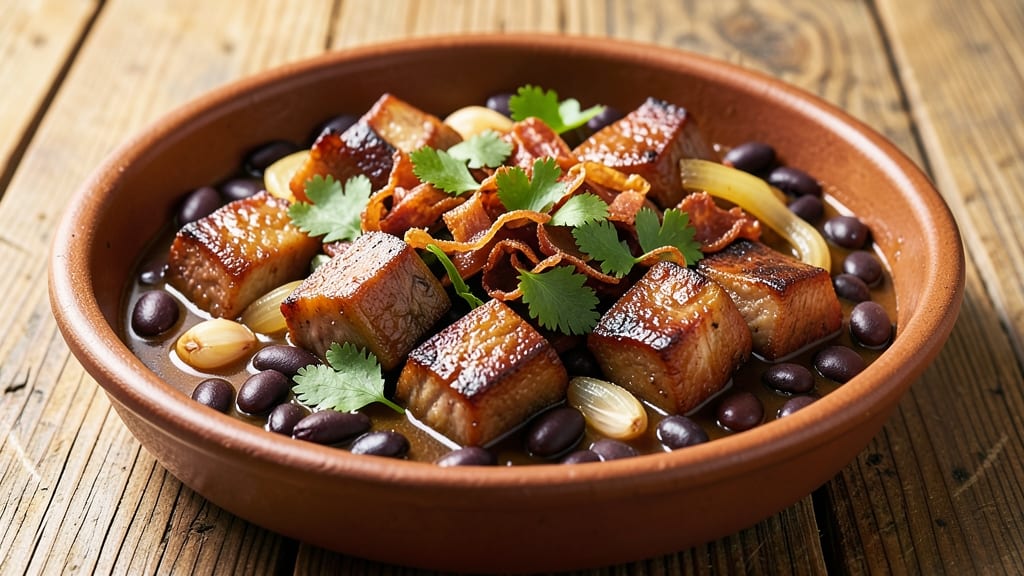
This Rio zape beans recipe transforms humble dried beans into a rich, smoky masterpiece that’s the heart of Brazilian feasts. The secret lies in slow-simmering pork cuts with molasses and spices until the flavors meld into something deeply satisfying.
I first tasted this dish at a family gathering in Rio, where it was served alongside crispy farofa and steamed collard greens—a meal that felt like home.
The recipe begins with soaking dried beans overnight, then simmering them with bacon, onions, and garlic until tender. Molasses adds that signature sweetness, while bay leaf, cumin, and oregano create layers of warmth.
The pork—whether ribs, bacon, or sausage—infuses the beans with smoky depth, making every bite unforgettable. This isn’t just a side dish; it’s a flavor experience that pairs perfectly with rice and farofa.
What makes this recipe special is its balance of textures and flavors—creamy beans, crispy pork, and a hint of caramelized sweetness. The slow cooking process ensures the beans are tender yet hold their shape, while the spices and molasses create a sauce that clings to every bite.
It’s the kind of dish that tastes even better the next day, making it ideal for meal prep or gatherings.
For those who prefer a vegetarian version, swap the pork for smoked paprika or mushrooms to mimic the smoky depth. Whether you’re serving it at a Brazilian feast or a weeknight dinner, this recipe delivers restaurant-quality results with minimal effort. Let’s get cooking!
Ingredients for rio zape bean
Six core ingredients transform dried beans into Brazil's beloved smoky-sweet staple.
| Ingredient | Amount | Notes |
|---|---|---|
| Black Beans (Dried) 🌱 | 2 cups | Unsoaked, rinsed thoroughly |
| Pork Shoulder (Bone-In) 🥓 | 1 ½ lb | Cut into 1-inch cubes |
| Pancetta or Bacon 🥓 | ½ lb | Diced, not smoked |
| Yellow Onions 🧅 | 2 whole | Diced, medium size |
| Garlic Cloves 🧄 | 6 cloves | Smashed, not minced |
| Unsweetened Molasses 🍯 | ¼ cup | Dark, not light syrup |
| Bay Leaves 🌿 | 2 whole | Dried, standard size |
| Ground Cumin 🌿 | 1 tbsp | Freshly toasted preferred |
| Dried Oregano 🍃 | 1 tsp | Mexican oregano if available |
| Salt 🧂 | 1 ½ tsp | Kosher or sea salt |
| Black Pepper 🌶️ | ½ tsp | Freshly ground preferred |
| Olive Oil 🫒 | 2 tbsp | Extra-virgin for richness |
| Water 💧 | 8 cups | Filtered preferred |
The pork shoulder is non-negotiable for authentic depth—look for well-marbled cuts at Whole Foods or your local butcher. If using bone-in, leave it intact for richer flavor. Pancetta adds fat without smoke; swap for bacon if needed, but render it first. The beans? Black beans are traditional, but pinto or kidney work too. Soak them overnight in plenty of water (discard soaking liquid)—this cuts cooking time by half. For molasses, Goya brand delivers consistent quality, but any dark, unsweetened variety will do. Toast your cumin seeds in a dry pan for 30 seconds before grinding—this unlocks their aroma.
No pork? Smoked paprika at 1 tbsp mimics the depth, while mushrooms (8 oz cremini) add umami. Short on time? Use canned beans (2 15-oz cans, drained), but add 1 extra cup water. The onions should caramelize—don't rush this step. For oregano, Mexican oregano (found in Latin markets) has a citrusy note, but regular dried works. Molasses substitutes? Dark brown sugar at half the amount (0.125 cup) works, but lacks depth. The olive oil matters here—use something fruity, like California Early Harvest, to balance the smokiness.
This dish tastes better reheated—3-4 days in the fridge, 3 months frozen. Portion into containers with a splash of water to prevent drying. For meal prep, double the batch and freeze half. When reheating, add 2 tbsp water per cup of beans to restore creaminess. The pork fat solidifies when cold—simmer gently to re-emulsify. Store molasses in the fridge after opening to preserve freshness. Bay leaves can be removed before serving, but leave them in during cooking for maximum flavor infusion.
Why You'll Love This Recipe
- One-Pot Magic: I swear by this—just toss everything into one pot, and let the pork shoulder and pancetta render their own flavors into the beans. No extra pans, no stress, and honestly? That rich, smoky aroma while it simmers is half the fun.
- Deep Umami Bomb: Between the bone-in pork shoulder and crispy pancetta, this dish builds flavor like a slow-cooked hug. The garlic and onions caramelize into something almost sweet, while the beans soak up every last bit—like a party in your mouth.
- Leftovers? Better Than New: This recipe actually tastes better the next day. The beans soften perfectly, the pork gets fall-apart tender, and I’ve reheated portions straight from the fridge for lunch without breaking a sweat. (Yes, even on a Tuesday.)
- Budget-Friendly Feast: Dried black beans and pork shoulder stretch across multiple meals, and pancetta adds that luxurious touch without breaking the bank. I’ve fed a crowd for under $15 per person—no takeout, no guilt, just pure satisfaction.
Step-by-step instructions for Rio zape beans
This slow-cooked bean dish delivers deep smoky flavors and perfect tenderness through precise timing and layering.
Render the Pork Shoulder and Pancetta
Heat a large Dutch oven over medium-high heat. Add the 2 tablespoons olive oil and let it warm for 1 minute. Add the 1.5 lb pork shoulder cut into 1-inch cubes and cook for 8-10 minutes, stirring occasionally, until the meat begins to brown deeply. Remove the pork and set aside.
In the same pot, add the 0.5 lb diced pancetta or bacon and cook for 5-6 minutes until golden brown and crispy. Remove the pancetta with a slotted spoon and set aside with the pork. You should have about 1 tablespoon of rendered fat remaining in the pot - this is your flavor foundation.
Sauté Aromatics and Build the Base
Add the 2 whole yellow onions (diced) to the Dutch oven and cook for 5 minutes until softened and translucent. Add the 6 smashed garlic cloves and cook for 1 minute until fragrant. Stir in the 1 tablespoon ground cumin and 1 teaspoon dried oregano, cooking for 30 seconds to toast the spices.
Pour in the 8 cups water and bring to a boil. Add the 2 whole bay leaves, 1.5 teaspoons salt, and 0.5 teaspoon black pepper. Return the pork shoulder and pancetta to the pot, along with any accumulated juices. The liquid should cover the meat by about 1 inch.
Simmer the Beans and Meat
Add the 2 cups dried black beans (rinsed thoroughly) to the pot. Reduce heat to low and bring to a gentle simmer. Cover partially and cook for 1.5 hours, stirring occasionally to prevent sticking. You'll notice the beans begin to soften and the liquid reduces slightly.
After 1.5 hours, check the beans - they should be mostly tender but still slightly firm. If they're not yet tender, continue cooking for another 30-45 minutes. The pork should be fork-tender at this point, falling apart easily when pierced.
Add Molasses and Finish Cooking
Remove the bay leaves. Stir in the 0.25 cup unsweetened molasses and cook uncovered for 15-20 minutes. The mixture should reduce slightly and develop a rich, glossy appearance. Taste and adjust seasoning with additional salt if needed - the molasses adds natural sweetness that balances the smoky flavors.
Continue cooking until the beans are completely tender and the sauce has thickened to a rich consistency that coats the back of a spoon. The total cooking time from start should be about 2.5-3 hours. Remove from heat and let sit covered for 10 minutes before serving.
Pro Tips For Making Rio Zape Bean
- Brown the Pork Slow: Start pork shoulder in a cold pot—no need to rush. After adding water, bring to a simmer, then turn heat to low and let it cook uncovered for the first 30 minutes. This slow start keeps connective tissue tender and avoids the greasy mess from high-heat splattering.
- Blanch the Beans First: Soak dried black beans overnight, then boil them for 10 minutes before adding to the pot. This pre-cook cuts down on total simmering time and prevents the beans from turning mushy later. (Yes, even if you’re impatient—trust me.)
- Render Pancetta Fully: Don’t toss in chopped pancetta until the pork has rendered its fat and the pot is dry. Cook the pancetta separately until crispy, then add it back in the last 20 minutes. This guarantees smoky flavor without a greasy, soggy mess.
- Slice Onions Thin: Use a mandoline or sharp knife to cut onions into 1/8-inch slices—thin enough to melt into the stew but not so fine they disappear. Thick slices sit stubbornly, while thin ones dissolve into sweet, caramelized goodness. (No, you won’t notice if you skip this—but you’ll regret it.)
Flavor customization for this recipe
Sweet Heat Balance
Adjust the molasses-to-spice ratio to control sweetness and heat. For extra depth, add 1 tbsp smoked paprika with the cumin—this mimics the smoky pork flavor. If you prefer tangy heat, stir in 1 tsp apple cider vinegar at the end for brightness.
I like using Goya molasses because its rich, caramelized notes pair perfectly with the beans' earthiness. 🌶️
Spicy Kick Options
For a fiery version, add 1-2 tbsp Calabrian chili paste when sautéing the onions. This Southern Italian condiment brings fruity heat without overpowering. If you love chili, sprinkle ½ tsp red pepper flakes at the end for a quick, smoky kick.
For a vegetarian twist, swap pork with 8 oz smoked mushrooms and add 1 tsp chipotle powder for depth.
Herb Variations
Swap dried oregano for fresh thyme or rosemary for a Mediterranean twist—just use 1 tbsp fresh herbs instead of the dried amount. For a Brazilian feast vibe, add 1 sprig fresh cilantro at the end, but remove it before serving.
I also love tossing in 2 bay leaves during the final 30 minutes of cooking for an extra aromatic punch.
Smoky Depth Boosters
Craving more smokiness? Crumble ½ cup smoked cheddar cheese into the beans during the last 10 minutes of cooking. For a vegan option, use 1 tbsp liquid smoke (like Colossal Smokehouse) mixed with 1 tbsp water—add it with the molasses.
If you have access to a smoker, grill the pork shoulder beforehand for an extra layer of char.
Creamy Texture Tweaks
For a richer, creamier finish, stir in ¼ cup coconut milk or 2 tbsp mashed avocado at the end. This works especially well with vegetarian versions. If your beans are too dry, add ¼ cup water or broth during the last 15 minutes of cooking.
The molasses helps balance any added liquid, keeping the dish cohesive.
Regional Twists
In Bahia, this dish often includes dendê oil (palm oil) for a vibrant red hue and nutty flavor—use 1 tbsp at the end. In Minas Gerais, cooks add corn kernels (about ½ cup) for texture.
For a Southern Brazilian touch, serve with farofa (toasted cassava flour) sprinkled on top—it adds crunch and soaks up the sauce beautifully.
Nutrition facts
Frequently asked questions
Can I make Rio zape beans with canned beans instead of dried?
Yes, but adjust the liquid! Use 2 (15-oz) cans of drained black beans and add 1 extra cup of water or broth to prevent drying. Simmer uncovered for 30 minutes after adding molasses to let the sauce thicken properly. The texture will be slightly softer than dried beans, but still delicious.
What's the best way to store leftovers?
Store in an airtight container for up to 4 days in the fridge. For longer storage, freeze portions with a splash of water to maintain creaminess. Reheat gently on low heat, adding 2 tbsp water per cup if needed. The flavors actually improve after 24 hours of resting!
How do I make this vegetarian?
Swap pork for 8 oz smoked mushrooms or 1 cup crumbled tempeh, and add 1 tbsp smoked paprika plus 1 tsp chipotle powder for depth. Use 1 extra cup vegetable broth instead of water. The molasses and spices will still create that signature rich flavor without meat.
Why does my Rio zape taste too sweet?
Start with ¼ cup molasses and taste before adding more. Balance sweetness with ½ tsp apple cider vinegar or extra cumin (½ tsp). The pork fat and spices should dominate—if molasses overpowers, reduce it by 2 tbsp next time. The beans' natural earthiness should shine through.
Can I cook this in a slow cooker?
Brown the pork and pancetta first, then transfer everything to a 6-quart slow cooker. Cook on low for 6-7 hours or high for 3-4 hours, adding molasses in the last 30 minutes. The slow cooking enhances the pork's tenderness and lets flavors meld beautifully.