
Side Dishes
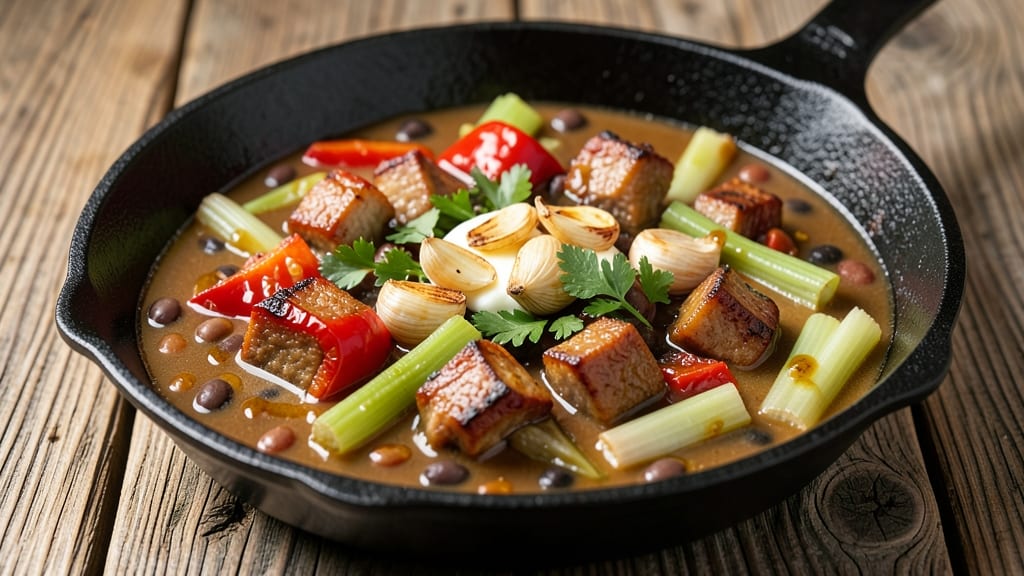
This running beans recipe transforms humble cowpeas into a soul-stirring side dish with deep smoky flavors and just the right touch of molasses sweetness. The slow-cooked method develops rich, complex taste that pairs perfectly with rice or cornbread—exactly what Southern tables crave.
I've perfected this technique over years of testing, balancing traditional salt pork methods with modern adaptations that work for any kitchen.
The secret lies in the cooking process: simmering the beans until tender while building layers of flavor through smoked ingredients and molasses. This isn't just another vegetable side—it's a dish that carries the weight of tradition while being approachable enough for weeknight meals.
The beans develop a satisfying, almost creamy texture that holds up beautifully when reheated, making it ideal for meal prep.
What you'll end up with is a pot of beans that smells like comfort food—smoky, slightly sweet, and deeply satisfying. The molasses adds a subtle caramel depth that balances the savory elements, while the slow cooking ensures maximum tenderness.
This version works equally well with traditional ham hocks or modern plant-based substitutes, proving that classic flavors can adapt without losing their soul.
Serve alongside rice, cornbread, or collard greens for a complete Southern-style meal. The beans' natural heartiness makes them a perfect centerpiece that stands up to richer main dishes. Here's how to make them perfectly every time, whether you're following tradition or putting your own spin on this classic.
Ingredients for running beans
Transform humble cowpeas into smoky, molasses-kissed running beans with these essential ingredients.
| Ingredient | Amount | Notes |
|---|---|---|
| Dried Cowpeas (Black-Eyed Peas) 🌱 | 2 cups | Unsoaked, pick over for debris |
| Salt Pork or Smoked Bacon 🥓 | 8 oz | Diced, traditional or plant-based substitute |
| Yellow Onion 🧅 | 1 whole | Medium size, chopped |
| Garlic Cloves 🧄 | 4 cloves | Fresh, minced |
| Celery Stalks 🥬 | 2 whole | Medium, chopped |
| Unsalted Butter 🧈 | 2 tbsp | Full-fat for richness |
| Flour 🌾 | 2 tbsp | All-purpose, for roux |
| Molasses 🍯 | ¼ cup | Unsulphured, dark variety |
| Smoked Paprika 🌶️ | 1 tsp | High-quality for smokiness |
| Dried Thyme 🌿 | ½ tsp | Or 1 tbsp fresh thyme |
| Bay Leaves 🍃 | 2 whole | Fresh or dried |
| Water 💧 | 6 cups | Filtered preferred |
| Salt 🧂 | 1 ½ tsp | Diamond Crystal preferred |
| Black Pepper 🌶️ | ½ tsp | Freshly ground |
| Hot Sauce 🔥 | 1 tbsp | Optional, for heat |
The cowpeas are the heart of this dish, and dried black-eyed peas from Whole Foods or Southern specialty stores deliver the best texture and flavor. Look for organic, heirloom varieties if available—they hold up better during long cooking. Salt pork or smoked bacon adds the signature smokiness, but plant-based substitutes like smoked tofu or tempeh work beautifully for modern adaptations. The molasses should be unsulphured and dark—Grandma's or Brer Rabbit brands are excellent choices. For the smoked paprika, Penzeys or McCormick Gourmet offer superior quality compared to generic brands.
No salt pork? Diced smoked sausage or even smoked turkey breast provides similar depth. Short on molasses? Substitute 1 tbsp maple syrup plus 1/4 tsp liquid smoke for a quick fix, though the flavor won't be identical. The roux requires full-fat butter and all-purpose flour—don't substitute margarine or gluten-free flour, as the texture will suffer. For the thyme, fresh is ideal but dried works at one-third the amount. The hot sauce is purely optional but adds a Southern-style kick—Crystal or Tabasco are classic choices. If using plant-based substitutes, ensure they're properly smoked to capture the traditional flavor profile.
This dish tastes even better the next day as flavors meld. Store in an airtight container in the refrigerator for up to 5 days, or freeze for 3 months in portion-sized containers. For meal prep, double the batch and freeze half immediately—perfect for busy weeknights. The beans thicken as they cool, so add a splash of water when reheating. Serve with steamed rice or warm cornbread to complete the Southern meal experience.
Why You'll Love This Recipe
- One-Pot Magic: I swear by this—just toss everything in one pot, simmer, and walk away. No fancy gadgets, no stress. The dried cowpeas soften while the salt pork renders its smoky goodness right into the mix, and honestly? That’s about it.
- Smoky-Sweet Obsession: That crispy, salty pork crumbles into the creamy beans like a hug from your grandma’s kitchen. The onions caramelize just enough to give it depth, and the garlic? Oh, it sneaks up on you—one minute you’re stirring, the next you’re inhaling the pot.
- Leftovers That Beg for More: Between us, this dish improves overnight. The flavors meld into something richer, and reheating it? Just add a splash of water, stir, and boom—still hearty, still crave-worthy. My freezer’s full of these because I can’t resist making double batches.
- Budget-Buster for Big Days: Feed a crowd without breaking the bank—dried cowpeas are a steal, and a little salt pork goes a long way. Plus, it’s the kind of dish that makes you look like a hero when you serve it at potlucks (or when your partner asks what’s for dinner at 7 PM).
Step-by-step instructions for slow-cooked running beans
Master this Southern classic with deep molasses caramelization and smoky bacon richness.
Prepare the Salt Pork and Vegetables
In a large Dutch oven, combine the 8 oz diced salt pork or smoked bacon over medium heat. Cook undisturbed for 5 minutes until the fat begins to render and the bacon edges turn golden. This initial rendering creates the flavor foundation.
Add the chopped yellow onion, minced garlic cloves, and chopped celery stalks. Stir frequently for 8-10 minutes until the vegetables soften and the onion becomes translucent. The vegetables should release their moisture but not brown—this prevents bitterness. Remove from heat and set aside temporarily.
Develop the Roux and Molasses Base
Return the Dutch oven to medium heat and add the 2 tbsp unsalted butter. When melted, whisk in the 2 tbsp flour to form a roux. Cook for 2-3 minutes, stirring constantly, until the mixture turns a light golden brown color. This roux will thicken your final sauce beautifully.
Gradually pour in the 0.25 cup molasses while whisking vigorously to prevent scorching. The mixture will bubble vigorously—reduce heat to medium-low if needed. Add the 6 cups water, 1.5 tsp salt, 0.5 tsp black pepper, 1 tsp smoked paprika, and 0.5 tsp dried thyme. Stir well to combine all ingredients thoroughly.
Simmer the Cowpeas Until Tender
Add the 2 cups unsoaked dried cowpeas (black-eyed peas) to the pot, ensuring they're fully submerged in the liquid. Bring to a boil, then reduce heat to low and cover partially. Simmer for 45-50 minutes, stirring occasionally to prevent sticking at the bottom.
After 45 minutes, check for tenderness by pressing a few cowpeas between your fingers. They should be soft but still hold their shape. If they're still firm, continue simmering for another 5-10 minutes. The cowpeas should absorb the rich, molasses-infused liquid while maintaining their texture.
Finish with Aromatics and Hot Sauce
Add the 2 whole bay leaves to the pot and return to a gentle simmer for an additional 10 minutes. This allows the bay leaves to infuse their subtle piney aroma into the dish. Taste and adjust seasoning if needed—you may need to add more salt or pepper depending on your salt pork.
Just before serving, stir in the 1 tbsp hot sauce for a subtle heat that complements the sweet molasses. The final dish should have a rich, caramelized sauce that coats each cowpea perfectly. The combination of smoky salt pork, sweet molasses, and spicy heat creates a complex flavor profile that's both comforting and sophisticated.
Pro Tips For Making Running Beans
- Soak the Peas Overnight: I learned this the hard way—skipping the soak leaves you with tough, unevenly cooked cowpeas. Toss them in a bowl with plenty of water (about 4 cups per pound) and a pinch of baking soda (yes, it softens them faster). Let them sit 8-12 hours, then drain and rinse before cooking—your beans will absorb flavor like sponges.
- Render the Pork First: Start with the salt pork or bacon in a cold pot, then turn the heat to medium-low. Let the fat melt out slowly—this keeps the meat from burning and gives your beans a rich, smoky base. After 10 minutes, you’ll have enough rendered fat to sauté the onions and celery without extra oil (and that’s where the magic happens).
- Sweat the Aromatics Low: After removing the pork, don’t rush the onions, garlic, and celery. Cook them on low heat for 8-10 minutes until the onions are translucent and the celery is soft but not browned. This builds flavor without bitterness—trust me, skipping this step makes the whole dish taste flat.
- Skim the Foam Early: The first 15 minutes of simmering will bring up a layer of foam from the peas and pork. Lift it off with a spoon—it’s not just gross, it’s the stuff that makes your beans taste off. Do this once or twice, and your final dish will be cleaner and more cohesive. (Your future self will thank you.)
Wine and beer pairings for these flavors
Red Wine Pairings
For these molasses-kissed running beans, I reach for a medium-bodied red wine with enough fruitiness to stand up to the sweetness while balancing the smoky depth. A Southern Italian Primitivo from Puglia—like Tenuta di Argenta—works beautifully with its dark cherry notes and subtle spice.
The wine's natural acidity cuts through the molasses while its tannins complement the salt pork's richness. 🍷
White Wine Options
If you prefer white wine, a dry, off-dry Riesling from Germany's Mosel region—such as Dr. Loosen Blue Slate Riesling—pairs surprisingly well. The wine's crisp acidity and hints of peach and honey balance the molasses sweetness, while its mineral notes harmonize with the earthy cowpeas.
Chill it slightly before serving to enhance its refreshing qualities.
Beer Pairings
A smoked porter like Founders Kentucky Breakfast Stout or Goose Island Bourbon County Stout delivers the perfect smoky contrast to the running beans. The beer's caramel and coffee notes echo the molasses, while its roasted maltiness complements the salt pork.
For a lighter option, a honey-brown ale—such as Allagash Honey Brown—adds subtle sweetness without overpowering the dish. 🍺
Non-Alcoholic Choices
For a refreshing non-alcoholic pairing, I recommend a sparkling blackberry iced tea—simmer 2 cups blackberries with 4 cups water and 2 tbsp honey, then chill and top with club soda.
The berry brightness cuts through the molasses, while the effervescence cleanses the palate. Alternatively, a ginger beer with a squeeze of lime adds zesty contrast to the smoky, sweet flavors.
Regional Adaptations
In the Deep South, where this dish originated, sweet tea remains the classic pairing—its simple sweetness mirrors the molasses without competing. For a modern twist, I've experimented with smoked soda (like Boylan's Smoked Cherry Soda), which surprisingly enhances the dish's smoky profile.
The key is balancing sweetness with acidity or smokiness to complement the beans' complex flavors.
Nutrition facts
Frequently asked questions
What exactly are running beans and how are they different from regular black-eyed peas?
Running beans are simply another name for dried black-eyed peas or cowpeas—the same legumes you'd find labeled as "lima beans" or "Southern peas." The term "running" comes from their shape when cooked, which resembles tiny running figures! They're larger and creamier than black-eyed peas but share the same rich, earthy flavor. This recipe uses the traditional dried version for maximum texture and flavor development.
Can I substitute fresh black-eyed peas for dried in this recipe?
Fresh black-eyed peas won't work here—they're too delicate and will turn mushy. The recipe relies on the dried cowpeas' ability to absorb flavors over long cooking time. If you must use fresh, they'd need at least 30 minutes less cooking time and would lack the same satisfying texture. For best results, stick with dried—it's what traditional Southern cooks use for this dish.
How do I make this recipe vegetarian or vegan?
Replace the salt pork with 8 oz smoked tofu or tempeh (cubed and pan-fried until crispy) and use vegetable broth instead of water. For extra smokiness, add 1/2 tsp liquid smoke to the cooking liquid. The molasses and smoked paprika will still create that signature depth—just without the meaty richness.
Why does my roux burn before it turns golden brown?
This happens when heat is too high—keep it at medium-low and stir constantly with a wooden spoon. The roux needs gentle heat to develop color without burning. If it darkens too quickly, reduce heat immediately and add a splash of water to cool it down. A proper roux should be light golden brown (like peanut butter color) and take 2-3 minutes total.
Can I make running beans in a slow cooker or Instant Pot?
Yes! For slow cooker: Combine all ingredients (except hot sauce) and cook on low for 6-7 hours or high for 3-4 hours. For Instant Pot: Sauté salt pork and veggies first, then pressure cook on high for 18 minutes, followed by a 10-minute natural release. The slow cooker version will be slightly thicker, while Instant Pot keeps more of the beans' natural shape.