
Side Dishes
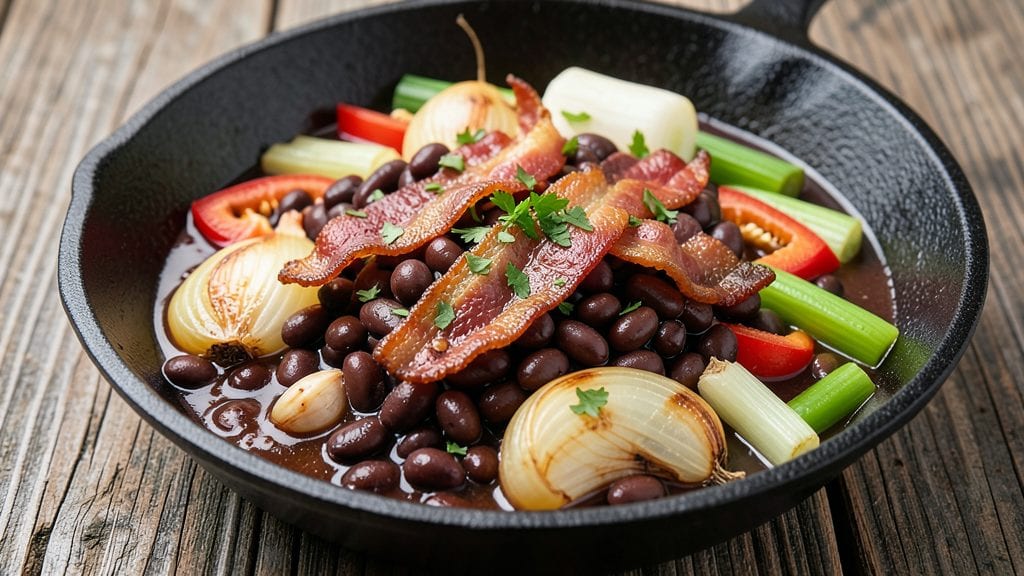
This Cajun-spiced shipwreck beans recipe transforms humble navy beans into a smoky, crunchy side dish with layers of flavor that feel like a coastal hug. The name comes from their history as a staple for shipwreck survivors—nutrient-dense, long-lasting, and packed with protein.
What makes this version special is the crispy bacon and Cajun seasoning that turn simple beans into a restaurant-worthy side.
The secret lies in the slow cooking process, which develops deep, smoky flavors while keeping the beans tender. We start with bacon for that unmistakable savory crunch, then build complexity with garlic, onions, and a blend of Cajun spices that bring heat and depth.
The result is a dish that pairs perfectly with grilled meats or stands alone as a hearty side.
By the time you serve these shipwreck beans, you’ll have a dish that’s rich in texture—crispy bacon bits, tender beans, and a sauce that clings to every bite. The smoky aroma alone will have everyone asking for seconds, and the Cajun seasoning ensures every mouthful is bold and satisfying.
This is comfort food with a coastal twist.
Perfect for family dinners, potlucks, or as a side for your favorite grilled dishes, these beans deliver big flavor with minimal effort. Let’s get cooking—your taste buds (and history buffs) will thank you.
Ingredients for shipwreck beans
Six ingredients make the base. Two spices seal the deal. Bacon turns it into a showstopper.
| Ingredient | Amount | Notes |
|---|---|---|
| Navy Beans 🍲 | 2 cups | Dried, soaked overnight |
| Thick-Cut Bacon 🥓 | 8 oz | Chopped into small pieces |
| Yellow Onion 🧅 | 1 whole | Diced, medium size |
| Garlic Cloves 🧄 | 4 cloves | Minced, fresh preferred |
| Celery Stalks 🥬 | 2 whole | Diced, about 1 cup |
| Bell Pepper 🌶️ | 1 whole | Green, diced, any color |
| Cajun Seasoning 🌶️ | 2 tbsp | Homemade or store-bought |
| Smoked Paprika 🌶️ | 1 tbsp | For extra smoky depth |
| Bay Leaves 🍃 | 2 whole | Fresh or dried |
| Chicken Broth 💧 | 3 cups | Low-sodium preferred |
| Apple Cider Vinegar 🍎 | 1 tbsp | For tangy brightness |
| Salt 🧂 | 1 tsp | Adjust to taste |
| Black Pepper 🌶️ | ½ tsp | Freshly ground |
| Green Onions 🧅 | 3 whole | Sliced, for garnish |
The bacon is non-negotiable here—thick-cut gives you the best crunch, and Costco or Trader Joe's usually have the best deals. Look for slices with good marbling, not the lean kind. The navy beans? Dried is key for that authentic texture—canned just won’t cut it. Soak them overnight in plenty of water, then drain. If you’re short on time, quick-soak works (boil for 2 minutes, then let sit for an hour). For the Cajun seasoning, Tony Chachere’s is the classic, but any good blend with paprika, cayenne, and thyme will do.
No thick-cut bacon? Regular bacon, chopped extra small works in a pinch, but it’ll be less crispy. Running low on celery? Substitute with an extra bell pepper or carrot—same flavor profile. Fresh garlic and onions are ideal, but dried minced garlic and onion powder at half the amount get you close. The smoked paprika is what gives these beans that signature coastal smokiness—Penzeys or Goya brands have the best quality. Want more heat? Add a pinch of cayenne or a dash of hot sauce at the end. The broth can be beef too, but chicken keeps it lighter.
These beans taste even better the next day—double batch if you can. Store in an airtight container in the fridge for up to 5 days, or freeze for 3 months. The bacon bits stay crispy if you reheat gently in a dry pan. For potlucks, portion into individual containers with a sprinkle of green onions on top. They reheat beautifully—just add a splash of water or broth to keep them moist. Leftovers make killer sandwiches too.
Why You'll Love This Recipe
- One-Pot Magic: I swear by this recipe because it’s basically a dump-and-go situation. Toss everything—beans, bacon, veggies—into one pot, simmer, and walk away. The bacon renders its fat into the beans, turning them into something ridiculously rich without extra effort.
- Bacon-Caramelized Crunch: That thick-cut bacon isn’t just for flavor—it’s for the texture. Crispy edges on the bacon, creamy centers in the beans, and the onions caramelizing right in the pot? It’s like a hug for your taste buds, and honestly, I’ll take that over fussy plating any day.
- Leftovers That Beg for Seconds: Between us, this dish improves overnight. The flavors meld, the beans get tender, and the bacon stays crispy if you store it right. I make a double batch on Sundays because it’s my go-to for lunches all week—zero guilt, all satisfaction.
- Budget Meal, Big Impact: Navy beans and bacon? That’s a powerhouse combo that won’t break the bank. I’ve fed my whole family (plus a couple of neighbors) with one big pot, and everyone leaves happy. It’s the kind of dish that makes you feel like you’re cooking a five-star meal without the five-star price tag.
Step-by-step instructions for Cajun-spiced crunch with smoky bacon
Here's how to transform simple ingredients into a hearty, smoky bean dish with crispy bacon and bold Cajun flavors.
👨🍳 Step 1: Cook the Bacon and Sauté the Vegetables
Place the 8 oz of thick-cut bacon in a large Dutch oven over medium heat. Let it cook undisturbed for 5-6 minutes until the edges become crispy and golden brown. I like to press down gently on the bacon pieces during the first minute—this prevents them from curling and ensures even contact with the pan.
Once the bacon is halfway cooked, use a slotted spoon to remove it and set it aside on a paper towel-lined plate, leaving the rendered fat in the pot. Add the 1 whole yellow onion, 4 cloves garlic, 2 whole celery stalks, and 1 whole bell pepper to the pot. Cook for 8-10 minutes, stirring occasionally, until the vegetables soften and the garlic releases its fragrant aroma. You'll know it's ready when the vegetables are tender and the garlic is lightly browned but not burned.
🍳 Step 2: Season and Toast the Spices
Stir in the 2 tbsp of Cajun seasoning and 1 tbsp of smoked paprika, coating the vegetables evenly. Cook for an additional 1-2 minutes until the spices are fragrant and the mixture is well combined. This step develops the deep, smoky flavor that makes this dish so special. Don't be tempted to rush this—letting the spices toast briefly brings out their full flavor potential.
Add the 2 cups of soaked navy beans to the pot, along with the 3 cups of chicken broth, 1 tbsp of apple cider vinegar, 1 tsp of salt, and 0.5 tsp of black pepper. Stir everything together, making sure the beans are fully submerged in the liquid. Add the 2 whole bay leaves and bring the mixture to a gentle boil over medium-high heat.
⏰ Step 3: Simmer Until Beans Are Tender
Once boiling, reduce the heat to low and cover the pot with a lid. Let the beans simmer gently for 45-60 minutes, stirring occasionally to prevent sticking. You'll know they're ready when they're fork-tender and easily mashable against the side of the pot. The beans should absorb most of the liquid, leaving a thick, hearty stew.
If the beans aren't quite tender after 60 minutes, continue cooking for another 10-15 minutes, adding a splash of water if needed to keep the mixture from drying out. The key is to let them cook slowly and evenly—this ensures they stay creamy rather than mushy.
🔥 Step 4: Finish and Garnish
Once the beans are tender, remove the 2 bay leaves and discard them. Return the reserved bacon to the pot and stir to combine, letting the crispy edges melt into the beans. Taste and adjust the seasoning if needed—you might want to add a pinch more salt or a dash of black pepper to balance the flavors.
Ladle the shipwreck beans into serving bowls and garnish each serving with the sliced 3 whole green onions. The bright green color and mild onion flavor cut through the richness of the bacon and beans, adding a fresh finish. Serve immediately with crusty bread or over rice to soak up every last bit of that smoky, spiced goodness.
Pro Tips For Making Shipwreck Beans
- CRISP THE BACON LOW: Thick-cut bacon needs patience—don’t rush it. Cook at 275°F (135°C) until the edges curl and the fat renders slowly, about 20-25 minutes. I learned this the hard way when my bacon turned greasy and chewy instead of crisp. Save the rendered fat for the beans later—it’s liquid gold.
- SOAK BEANS OVERNIGHT: Skip the quick-soak trick here. Navy beans stay firmer and absorb flavors better when soaked 8-12 hours in cold water. Drain and rinse just before cooking—no need to add extra water. I was skeptical until I tried it; the texture is noticeably creamier.
- SWIM THE ONIONS: Sauté the onions until they’re soft but still holding shape—about 8-10 minutes in bacon fat. If they turn mushy, you’ve overcooked them. Add a splash of water or broth halfway if needed, but don’t let them stick. This keeps the "holy trinity" (onion, celery, garlic) from turning into a sad, brown paste.
- SIMMER BEANS UNTIL TENDER: Shipwreck beans should be just tender—not mushy. Test at 45 minutes, then cook another 10-15 minutes if needed. If they’re still tough, add a splash of broth or water, but don’t overdo it—you’ll dilute the bacon flavor. I used to pull them too soon, and the texture suffered.
Make-ahead tips for this recipe
Overnight Prep
Start your shipwreck beans the night before by soaking the 2 cups dried navy beans in plenty of water. I use a large bowl with at least 4 cups of water to ensure they soften properly.
Cover and refrigerate overnight—this not only speeds up cooking time but also enhances texture. The next morning, drain and rinse the beans before using. This step is non-negotiable for tender beans. 🌱
Batch Cooking
Double the recipe and store leftovers in airtight glass containers in the fridge for up to 5 days. The flavors deepen overnight, making them perfect for quick meals. For even longer storage, freeze portions in quart-sized freezer bags for up to 3 months.
Thaw overnight in the fridge before reheating. I always keep a backup batch—these beans reheat beautifully with a splash of water or broth. ❄️
Bacon Prep Shortcut
Cook all the 8 oz thick-cut bacon at once and drain it on paper towels. Store the crispy bits in a small airtight container in the fridge for up to 1 week. When ready to serve, simply toss the bacon back into the beans during the final step.
This saves time and keeps the bacon from getting soggy. Pro tip: Use a mesh strainer to drain excess grease for crispier results. 🥓
Slow Cooker Adaptation
For hands-off cooking, combine everything except the bacon and green onions in a 6-quart slow cooker. Cook on low for 6-8 hours or high for 3-4 hours until beans are tender.
Stir in the bacon during the last 30 minutes to crisp it up. This method is perfect for busy days—just dump everything in and let it do the work. 🕒
Portion Control
Divide cooked beans into individual serving containers with a sprinkle of green onions on top. Store in the fridge for up to 4 days or freeze for 3 months.
When reheating, add 1-2 tbsp of water or broth to prevent drying. These portions are ideal for potlucks or meal prep—just grab and go. 📦
Freezer-Friendly Tips
For best results, freeze beans in their cooking liquid. Leave ½ inch headspace in containers to prevent expansion cracks. Label with the date and reheat directly from frozen in a pot with 1 extra cup of broth over medium-low heat for 15-20 minutes.
The bacon stays crispy if added fresh during reheating. 💡
Nutrition facts
Frequently asked questions
Why are these beans called "shipwreck beans"?
The name comes from their history as a survival food for shipwreck survivors. Navy beans were a staple because they're durable, nutrient-dense, and can be stored for long periods without spoiling. The smoky, bacon-rich version we make today keeps that hardy tradition alive while adding modern coastal flavors.
Can I use canned beans instead of dried?
While dried beans give the best texture, you can use 2 (15 oz) cans of navy beans in a pinch. Drain and rinse them well, then add them after cooking the bacon and vegetables. The beans will be softer and less creamy, but still delicious. For extra flavor, stir in 1 tbsp of bacon grease after cooking.
What makes the Cajun seasoning so important?
The Cajun blend adds the signature heat and depth that balances the smoky bacon. Look for a mix containing paprika, cayenne, thyme, and garlic powder. If you can't find it, substitute with 1 tbsp each of smoked paprika, garlic powder, and onion powder. The spices need to toast briefly in the bacon fat to release their full flavor.
How do I prevent the beans from getting mushy?
Keep the heat low during simmering and avoid overcooking. Beans are done when they're fork-tender but still hold their shape. If using dried beans, start checking tenderness at 45 minutes. Adding a splash of broth if the pot gets too dry also helps maintain texture. The bacon should crisp up nicely when added back at the end.
What's the best way to reheat leftovers?
Reheat in a pot over medium-low heat with 2 tbsp of water or broth to prevent drying. Stir occasionally until warmed through. For extra crispiness, add fresh bacon bits during reheating. Microwaving works too—cover with a damp paper towel and heat in 1-minute intervals until hot.