
Sauces & Condiments
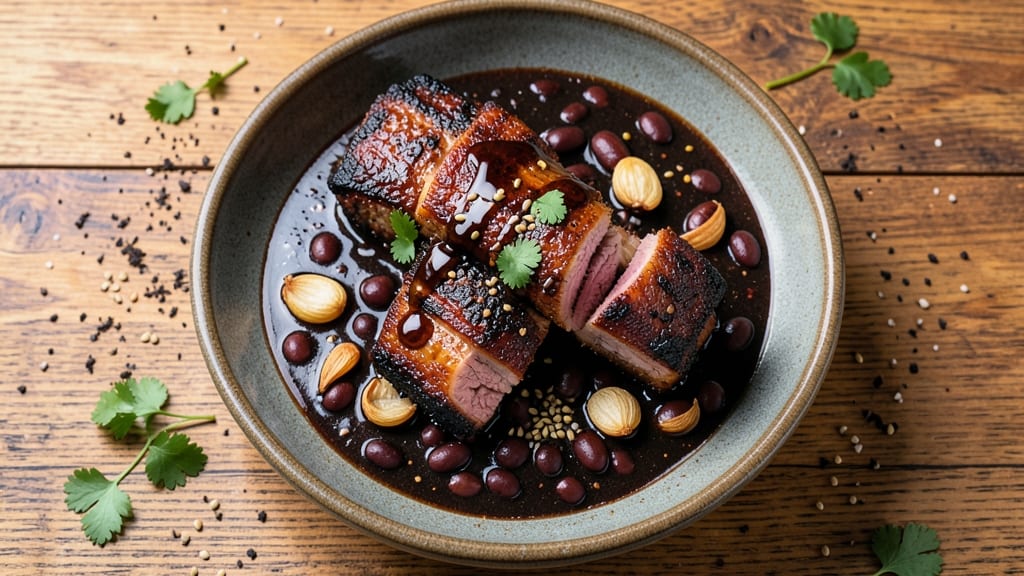
Mastering spareribs with black bean sauce transforms tough cuts into fall-off-the-bone tenderness with a rich, caramelized glaze. This recipe combines traditional slow-cooking techniques with a modern twist, delivering restaurant-quality results at home.
The black bean sauce—sweet, smoky, and deeply flavorful—penetrates the meat while creating a glossy finish that makes every bite irresistible.
The process begins with a simple marinade that tenderizes the ribs overnight, ensuring they’re perfectly prepared for the slow cook. Whether you choose the classic oven-braised method or a quicker air-fryer approach, the key lies in patience and precision.
The black bean sauce, made from canned black beans, molasses, and spices, simmers until thick and glossy, clinging to the ribs like a second skin.
By the end, you’ll have ribs that are tender enough to shred with a fork, bathed in a sticky-sweet sauce that balances smoky depth with subtle sweetness. This dish is hearty enough for a weekend family meal but simple enough for a weeknight dinner.
The sauce also doubles as a versatile condiment—perfect for drizzling over grilled chicken or serving alongside rice.
Ready in just under 3 hours (or with minimal hands-on time), this recipe proves that slow-cooked comfort food can be both rewarding and efficient. The aroma alone will have everyone gathering around the table, eager for a taste of that perfect caramelized finish.
Ingredients for spareribs with black bean sauce
Transform tough spareribs into melt-in-your-mouth perfection with this smoky-sweet black bean sauce masterpiece.
| Ingredient | Amount | Notes |
|---|---|---|
| Spareribs (Baby Back or St. Louis Style) 🍖 | 4 lb | Trimmed of excess fat |
| Black Beans 🌾 | 1 ½ cups | Canned, drained and rinsed |
| Molasses 🍯 | ½ cup | Unsulphured preferred |
| Brown Sugar 🍚 | ½ cup | Packed firmly |
| Apple Cider Vinegar 🍎 | ¼ cup | For tangy depth |
| Smoked Paprika 🌶️ | 2 tbsp | For authentic smokiness |
| Ground Cumin 🌿 | 1 tbsp | Toasted for warmth |
| Garlic Cloves 🧄 | 6 cloves | Minced for sauce |
| Yellow Onion 🧅 | 1 whole | Diced for sauce base |
| Fresh Ginger 🌿 | 1 ½ tbsp | Grated finely |
| Ketchup 🍅 | ¼ cup | For sauce balance |
| Worcestershire Sauce 💧 | 1 tbsp | For umami depth |
| Yellow Mustard 🌶️ | 1 tbsp | For tangy kick |
| Salt 🧂 | 1 ½ tsp | Diamond Crystal preferred |
| Black Pepper 🌶️ | ½ tsp | Freshly cracked |
The ribs form the foundation—baby back or St. Louis style both work, but St. Louis ribs have more meat per pound. Source them from a reputable butcher if possible, as they'll have better marbling and freshness. Costco or Whole Foods are reliable options for consistent quality. For the black beans, low-sodium canned beans are ideal, but rinse thoroughly to remove excess sodium. The molasses should be unsulphured for authentic flavor, and Trader Joe's carries an excellent option at a reasonable price. Fresh ginger and garlic are non-negotiable here—frozen works in a pinch, but fresh delivers superior depth of flavor when grated finely.
No molasses? Maple syrup at a 1:1 ratio works well, though it lacks the deep caramel notes. Substituting brown sugar for half the molasses is another option, but expect slightly less complexity. Smoked paprika is essential for that authentic BBQ flavor—Penzeys or McCormick brands provide consistent quality. For the onion, yellow or red both work, but avoid sweet onions like Vidalia. Fresh ginger can be swapped for ground ginger at one-third the amount, though texture will differ. The ketchup can be reduced by half if you prefer less sweetness, and Heinz or Hunts are reliable brands for consistent results.
Store any leftover ribs and sauce in an airtight container for up to 4 days in the refrigerator. The sauce reheats beautifully—simply warm in a saucepan over medium heat, stirring occasionally. For longer storage, freeze portions for up to 3 months. The sauce also doubles as a versatile condiment—drizzle over grilled chicken or serve alongside rice for a quick meal. When reheating, add a splash of water or apple cider vinegar to prevent thickening.
Why You'll Love This Recipe
- One-Pan Magic: I swear by this recipe for lazy nights—just ribs, beans, and a sticky glaze on one sheet. No chopping, no fussing, and that molasses-vinegar glaze caramelizes right on the pan while you sip your drink.
- Sweet-Savory Balance: The molasses and brown sugar give it that deep, smoky richness, but the apple cider vinegar cuts through it like a bright summer breeze. It’s the kind of flavor that makes you forget it’s actually healthy-ish.
- Budget Feast: A pound of ribs and a can of beans stretch this dish further than you’d think. I’ve made it for four people with leftovers for two more lunches, and honestly? The sauce’s better the next day.
Step-by-step instructions for spareribs with black bean sauce
Here's how to transform tough spareribs into tender, caramelized perfection with a rich black bean sauce.
Prepare the Ribs for Maximum Flavor and Tenderization
Begin by trimming any excess fat from the 4 lb spareribs, leaving just a thin layer to protect the meat. Pat them completely dry with paper towels—this ensures maximum browning and crispiness. In a small bowl, combine the 2 tbsp smoked paprika, 1 tbsp ground cumin, 1.5 tsp salt, and 0.5 tsp black pepper. Rub this mixture generously over both sides of the ribs, pressing it into the meat so it adheres well.
Place the ribs in a large baking dish and cover tightly with plastic wrap. Refrigerate for at least 4 hours or overnight. This dry-brining process not only enhances flavor but also helps tenderize the meat. The longer they marinate, the more flavorful and tender they'll become, so don't rush this step if time allows.
Build the Black Bean Sauce Foundation
In a large Dutch oven, combine the 1.5 cups black beans, 0.5 cup molasses, 0.5 cup packed brown sugar, 0.25 cup apple cider vinegar, 6 minced garlic cloves, 1 diced yellow onion, and 1.5 tbsp finely grated fresh ginger. Stir well to combine all ingredients thoroughly. Bring this mixture to a gentle boil over medium heat, then reduce the heat to low and let it simmer uncovered for 20 minutes, stirring occasionally.
During this time, the sauce will thicken and develop complex flavors from the caramelization of the sugars and the depth of the molasses. You'll notice the aroma becoming rich and slightly sweet with a tangy edge from the vinegar. This is the base that will later coat your ribs beautifully, so pay attention to the simmering process—it's where the magic begins.
Cook the Ribs Until Tender and Caramelized
Preheat your oven to 300°F. Once the sauce has thickened, carefully place the marinated spareribs on top of the sauce mixture in the Dutch oven, ensuring they're partially submerged. Cover tightly with a lid or foil and transfer to the preheated oven. Bake for 2 hours, turning the ribs halfway through the cooking time to ensure even exposure to the sauce and heat.
After 2 hours, increase the oven temperature to 425°F. Remove the lid and continue baking for an additional 30-45 minutes, or until the ribs are fork-tender and the sauce has thickened to a glossy consistency. You'll know they're ready when the edges of the ribs begin to caramelize and develop a beautiful golden-brown crust. This high-heat finish is crucial for achieving that perfect balance of tender meat and rich, sticky sauce.
Finish with Tangy Depth and Umami Richness
Remove the ribs from the oven and transfer them to a serving platter. In the Dutch oven, stir in the 0.25 cup ketchup, 1 tbsp Worcestershire sauce, and 1 tbsp yellow mustard. Simmer this mixture for an additional 5 minutes over medium heat, allowing the flavors to meld together. The sauce should now have a perfect balance of sweetness, tanginess, and umami depth.
Serve the spareribs immediately, spooning generous amounts of the black bean sauce over each portion. The ribs should be tender enough to pull apart easily with a fork, with a beautiful caramelized crust that contrasts perfectly with the rich, slightly sweet sauce. This dish serves 4 generously, making it ideal for family gatherings or special occasions where you want to impress with a showstopping main course.
Pro Tips For Making Spareribs With Black Bean Sauce
- Brown Sugar First: Toss the ribs with brown sugar before adding molasses—this helps it caramelize faster and stick better. I used to add everything at once, and the sauce ended up clumpy and uneven. A quick shake in a bag or bowl makes all the difference.
- Simmer the Beans: Reduce your black beans to a thick paste before mixing with the sauce—about 10 minutes on medium heat. This cuts down on watery sauce later and gives that rich, jammy texture. Skim off any foam that rises, or it’ll make the sauce bitter.
- Vinegar Last: Stir in the apple cider vinegar only at the very end, right before serving. Too early, and the acid will break down the molasses and soften the ribs faster than you want. A splash brightens the sauce without turning it sour.
- Dry the Ribs: Pat the ribs thoroughly with paper towels after searing—no wet spots. I learned this the hard way when my ribs steamed instead of caramelized. A dry surface = better crust, and that’s what holds the sauce properly.
Make-ahead tips for this recipe
Sauce Prep Ahead
Make the black bean sauce up to 3 days in advance and store it in an airtight container in the refrigerator. The flavors deepen over time, becoming richer and more complex.
When ready to use, reheat it gently in a saucepan over medium-low heat for 10-15 minutes, stirring occasionally to prevent sticking. If the sauce thickens too much, add 1-2 tablespoons of water or apple cider vinegar to restore its glossy consistency. 🌶️
Rib Marinade Timeline
Marinate the spareribs for at least 4 hours, but I recommend doing it overnight for maximum tenderness. Place the ribs in a ziplock bag or airtight container after applying the dry rub, then refrigerate.
This hands-off step ensures the meat absorbs all the smoky, spiced flavors without any extra effort on your part. Trust me, the wait is worth it! ⏰
Partial Cooking Shortcut
For busy weekends, partially cook the ribs the day before. After the initial 2-hour bake at 300°F, remove them from the oven, cool completely, then refrigerate in an airtight container.
The next day, finish them by increasing the oven temperature to 425°F and baking uncovered for 30-45 minutes. This saves you time while maintaining incredible flavor and texture. 💡
Freezer-Friendly Sauce
The black bean sauce freezes beautifully for up to 3 months in a freezer-safe container or ziplock bag. Thaw it in the refrigerator overnight before reheating. For the ribs, wrap them tightly in plastic wrap and then in aluminum foil before freezing.
When ready to cook, bake them straight from the freezer at 300°F for 30 minutes, then proceed with the original instructions. This makes meal prep a breeze! ❄️
Sauce Doubling Strategy
Make double the sauce and freeze half for future use. The extra sauce is perfect for drizzling over grilled chicken, tacos, or even as a dip for fries. Store it in ice cube trays for portion control, or freeze it in small jars for easy reheating.
This way, you always have a quick and flavorful sauce on hand. 🍗
Reheating Leftovers
Reheat leftover ribs and sauce together in a skillet over medium heat for 8-10 minutes, adding 2-3 tablespoons of water if needed to loosen the sauce. Alternatively, cover the ribs and sauce with damp paper towels and microwave on 50% power for 2-3 minutes, stirring halfway through.
The sauce will cling beautifully to the ribs, just like it did when freshly made. 🔥
Nutrition facts
Frequently asked questions
Can I use baby back ribs instead of St. Louis-style ribs for this recipe?
Both work beautifully, but St. Louis-style ribs have more meat per pound. Baby back ribs are leaner and cook faster—reduce your oven time by 15-20 minutes if using them. The black bean sauce will cling just as well to either cut.
How do I know when the ribs are fully tender?
The ribs are done when they pull apart easily with a fork and the edges begin to caramelize. For extra assurance, check the internal temperature—it should reach 195°F in the thickest part. If they're still tough, return them to the oven for 15-20 more minutes uncovered.
Can I make this recipe in a slow cooker instead of the oven?
Yes! Combine all sauce ingredients in your slow cooker, add the ribs, and cook on low for 6-8 hours or high for 3-4 hours. During the last hour, increase to high heat to thicken the sauce. The ribs will be tender but may lack the caramelized crust—broil for 5 minutes at the end if you want that texture.
What can I do if the sauce turns out too thick?
Simply stir in 1-2 tablespoons of water or apple cider vinegar while reheating. For extra richness, add a splash of beef broth. If the sauce is too thin, simmer uncovered for 5-10 minutes to reduce it. The key is balancing thickness with glossiness—this sauce should coat the back of a spoon but still drizzle.
Is this recipe suitable for meal prep?
Perfect for meal prep! Store ribs and sauce separately in airtight containers for up to 4 days. Reheat together in a skillet with 2 tablespoons of water to restore moisture. The sauce reheats beautifully—just warm gently over medium heat while stirring. For longer storage, freeze the sauce for up to 3 months.