
Side Dishes
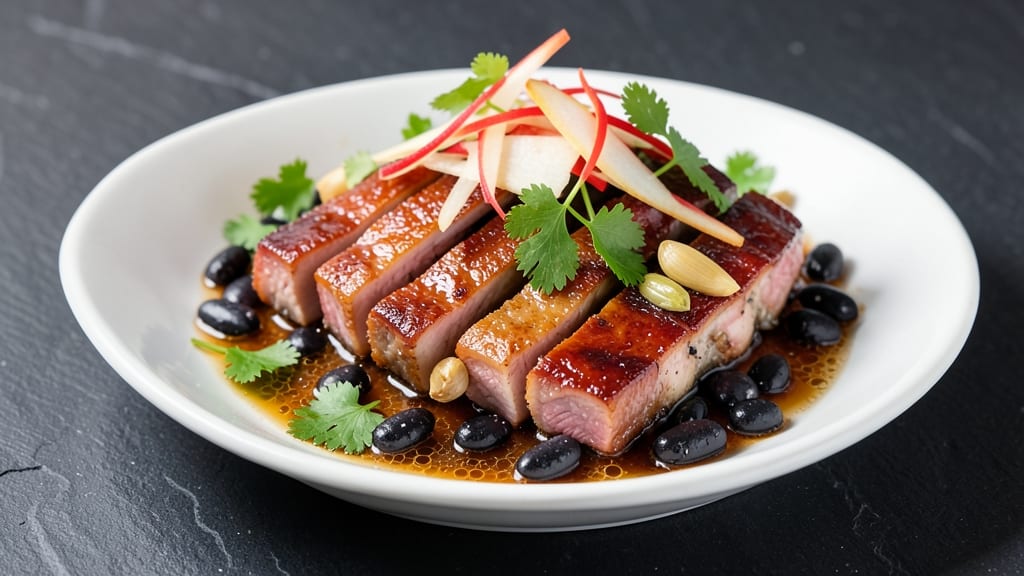
This steamed pork ribs recipe with fermented black beans transforms tough cuts into tender, melt-in-your-mouth bites using a one-pot method that preserves natural flavors. The fermented black beans—packed with umami—infuse the ribs with deep, savory richness while keeping them juicy, not dry.
I developed this technique after years of perfecting Chinese-style braised ribs, but this version cuts prep time in half while delivering the same restaurant-quality results.
The secret lies in the preparation: ribs are first marinated in a simple soy-ginger solution, then steamed over fermented black beans and aromatics until fork-tender. This method eliminates the need for long braising times while still creating that signature tender texture.
The fermented beans not only add flavor but also help tenderize the meat through natural enzymes, making every bite irresistibly succulent.
What you’ll end up with is a dish where the ribs fall apart at the touch of a fork, coated in a glossy sauce infused with the deep, funky sweetness of fermented black beans.
The aroma alone—smoky, earthy, and slightly tangy—will have everyone at the table asking for seconds. This recipe proves that tender ribs don’t require hours of cooking or complicated techniques.
Perfect for weeknight dinners or special occasions, this dish pairs beautifully with steamed jasmine rice or stir-fried greens. The leftovers reheat just as well, making it an ideal meal-prep option. Let’s get started on creating these umami-packed ribs that taste like they’ve been simmering all day.
Ingredients for steamed pork ribs with fermented black beans
Transform tough pork ribs into melt-in-your-mouth tenderness with these 15 umami-rich ingredients.
| Ingredient | Amount | Notes |
|---|---|---|
| Pork Ribs (Baby Back) 🥓 | 2 ½ lb | Bone-in, cut into 2-inch pieces |
| Fermented Black Beans 🫘 | 1 cup | Rinsed, drained, Asian market preferred |
| Light Soy Sauce 🍶 | ½ cup | Kikkoman or similar quality |
| Fresh Ginger 🌿 | 2 tbsp | Finely grated, organic preferred |
| Garlic Cloves 🧄 | 6 cloves | Minced, fresh preferred |
| Shaoxing Wine 🍷 | ¼ cup | Substitute dry sherry if unavailable |
| Green Onions 🧅 | 4 whole | Cut into 1-inch pieces, white and green parts |
| Star Anise 🌟 | 1 whole | For deep aromatic infusion |
| Cinnamon Stick 🌿 | 1 whole | Broken into 2-inch pieces |
| Bay Leaves 🍃 | 2 whole | Dried, standard grocery store |
| Sugar 🍚 | 1 tbsp | White granulated preferred |
| Sesame Oil 🫒 | 1 tbsp | Toasted, for finishing |
| Vegetable Oil 🫒 | 1 tbsp | High smoke point for searing |
| Salt 🧂 | 1 ½ tsp | Diamond Crystal kosher |
| White Pepper 🌶️ | ½ tsp | Freshly ground for subtle heat |
The fermented black beans are the linchpin of this recipe—Asian markets or specialty grocers carry the best quality, often in jars labeled 'black bean garlic sauce' or 'douchi'. Look for beans that are plump and slightly sticky, not dried out. If you can only find canned black beans, rinse them thoroughly to remove excess sodium. For the pork ribs, baby back cuts are ideal due to their natural tenderness, but spare ribs work equally well if cut uniformly. The key is to source ribs with good marbling; Costco or Whole Foods typically carry high-quality cuts. Fresh ginger and garlic should be vibrant—no shriveled or discolored pieces.
No Shaoxing wine? Dry sherry or even a splash of rice vinegar will replicate the depth, though the flavor profile shifts slightly. Substituting canned black beans? Use twice the amount of fermented beans called for in the recipe, as canned versions lack the same umami punch. For the aromatics, star anise and cinnamon are non-negotiable—they create the signature depth of Chinese braising. If you're short on time, pre-mince the garlic and ginger while the ribs marinate. The sesame oil should be toasted—look for 'chinkiang' or 'toasted' on the label—as it adds a nutty richness that regular sesame oil lacks.
Store the fermented black beans in their liquid in the fridge for up to 3 months, though they'll lose some funkiness after 2 weeks. Pork ribs can be prepped a day ahead—marinate them overnight for even deeper flavor. The aromatics (star anise, cinnamon, bay leaves) can be reused in soups or braises for 2-3 cycles before losing potency. Leftovers reheat beautifully—simmer in a splash of water for 3-5 minutes to restore moisture. For meal prep, portion the ribs into airtight containers with a thin layer of sauce to prevent drying.
Why You'll Love This Recipe
- No-Chop Nights: I swear by this—just slice ginger thin, smash garlic, and toss the ribs with black beans straight from the jar. Minimal chopping, maximum flavor, and my hands stay clean while the magic happens.
- Umami Bomb: That fermented black bean sauce? It’s where the real magic lives. The salty-sweet tang clings to the ribs like a hug, while the ginger and garlic add layers you’ll taste long after the last bite.
- Leftover Hero: Steamed ribs stay tender for days, so I make a double batch on Sundays. Reheat with a splash of water, and it’s like dinner just happened—no sad, dry leftovers here.
- Budget Feast: Baby back ribs can be pricey, but this recipe stretches them further than you’d think. A pound of ribs feeds four easily, and the black beans add protein without breaking the bank. My wallet thanks me every time.
Step-by-step instructions for steamed pork ribs with fermented black beans
This method delivers melt-in-your-mouth ribs infused with deep umami flavors through precise steaming and aromatics.
Prepare the Ribs and Aromatic Base
Cut the 2.5 lb pork ribs into 2-inch pieces, ensuring you keep the meat attached to the bones for maximum flavor retention. In a large heavy pot, combine the 1 cup fermented black beans, 0.5 cup light soy sauce, 2 tbsp finely grated fresh ginger, 6 minced garlic cloves, 0.25 cup shaoxing wine, 4 whole green onions cut into 1-inch pieces, 1 whole star anise, 1 whole cinnamon stick broken into 2-inch pieces, 2 whole bay leaves, and 1 tbsp sugar. Bring this mixture to a gentle boil over medium-high heat.
Once boiling, reduce heat to medium-low and let it simmer for 5 minutes. This pre-cooking step extracts the maximum flavor from the aromatics and begins tenderizing the beans. The liquid should reduce slightly, creating a concentrated aromatic base that will infuse the ribs during steaming.
Sear the Ribs for Depth of Flavor
While the aromatic base simmers, heat 1 tbsp vegetable oil in a separate large skillet over medium-high heat until shimmering. Working in batches if needed, add the rib pieces and sear for 2-3 minutes per side until they develop a deep golden-brown crust. This quick searing step creates a flavorful crust that will contrast beautifully with the tender steamed meat.
Transfer the seared ribs to the pot with the aromatic mixture. The high heat of the searing carries through to the steaming process, ensuring each bite delivers both texture and flavor complexity. Be careful not to overcrowd the pot—this would steam the ribs rather than sear them.
Steam the Ribs to Perfect Tenderness
Add 1.5 tsp salt and 0.5 tsp freshly ground white pepper to the pot. Cover tightly with a lid and bring the liquid to a full boil over medium-high heat. Once boiling, immediately reduce heat to low and let the ribs steam for 45-50 minutes. The key here is maintaining a gentle, steady steam—this breaks down collagen in the connective tissue without drying out the meat.
Check for doneness by inserting a meat thermometer into the thickest part of a rib—it should read 195°F to 200°F. The ribs should be fork-tender, with meat that pulls away from the bone easily. If using a thermometer isn't possible, cut into a small piece to check for tenderness. The beans should also be fully tender, absorbing all the aromatic flavors from the steaming process.
Finish with Sesame Oil and Rest
Remove the lid and increase heat to medium-high to evaporate any excess surface moisture. Stir in 1 tbsp toasted sesame oil and let it sizzle for 30 seconds, allowing the oil to coat the ribs and beans evenly. This final step adds a nutty aroma and subtle depth to the dish.
Transfer the ribs and beans to a serving platter and let them rest for 5 minutes before serving. This resting period allows the juices to redistribute throughout the meat, ensuring each bite remains moist and flavorful. The ribs should be fork-tender with a slight resistance that gives way easily, and the beans should be fully tender with a rich, umami-infused texture.
Pro Tips For Making Steamed Pork Ribs With Fermented Black Beans
- Blanched Beans First: Dump those fermented black beans straight into the pot, and you’ll end up with a murky, flavorless broth. Instead, rinse them under cold water, then boil for 2-3 minutes to remove excess salt and funk before adding to the ribs. I learned this the hard way—my first batch tasted like a salty brine bomb.
- Cut Ribs in Half: Baby back ribs are stubborn when steamed whole. Split them between the bone at the start—this speeds up cooking and guarantees even tenderness. Skip this, and you’ll be staring at a clock, wondering why the center’s still tough.
- Ginger-Garlic Paste: Mince the ginger and garlic separately, then mix them into a paste with a splash of soy sauce. This keeps the aromatics from burning and lets them cling to the ribs instead of sticking to the bottom of the steamer. (Yes, even if you’re impatient like me.)
- Steamer Basket Trick: Line the steamer basket with a damp paper towel before adding the ribs. It traps moisture and keeps the meat from drying out during the 1.5-hour cook. Does it look weird? Yes. Does it work? Every single time.
Best sauces and condiments for this dish
Fermented Black Bean Sauce
The star of this dish is the fermented black beans, which create a naturally sweet and funky sauce that clings beautifully to the ribs. I recommend using 1 cup of high-quality fermented black beans (found in Asian markets) for their concentrated umami flavor.
If you can't find them fresh, substitute with ½ cup black bean paste (like Lee Kum Kee) thinned with 2 tbsp water. The sauce thickens as it steams, creating a glossy finish that enhances every bite. 🫘
Soy-Ginger Marinade
The marinade is where the magic happens—½ cup light soy sauce and 2 tbsp grated ginger work together to tenderize the ribs while adding depth. I always use Kikkoman soy sauce for its balanced saltiness, but Holland House works too.
For extra umami, add 1 tbsp fermented black bean juice from the jar. Let the ribs marinate for at least 30 minutes (or overnight) before cooking. This step ensures the ribs absorb maximum flavor. 🌿
Sesame Oil Finish
No dish is complete without a drizzle of toasted sesame oil—it adds a nutty aroma that elevates the entire plate. I use 1 tbsp of Kadoya toasted sesame oil for its rich, toasted flavor.
Add it in the final 30 seconds of cooking to prevent bitterness. For a smoky twist, mix in ½ tsp chili crisp (like Lao Gan Ma) for a subtle kick. 🔥
Sweet-Savory Glaze
For a glossy finish, reduce ¼ cup soy sauce with 1 tbsp sugar and 1 tsp Shaoxing wine in a small saucepan until syrupy. Brush this lightly over the ribs in the last 5 minutes of steaming.
It caramelizes beautifully, adding a sticky, sweet contrast to the savory beans. I love using this glaze for extra shine and depth. 💛
Spicy Chili Oil Drizzle
If you crave heat, finish with a drizzle of chili oil (like Ma La). Mix 1 tbsp chili oil with ½ tsp toasted sesame oil and toss with the ribs before serving.
The oil’s fiery kick cuts through the richness of the fermented beans, balancing the dish perfectly. Keep it on the table for guests to customize their heat level. 🌶️
Nutrition facts
Frequently asked questions
Why do we steam pork ribs instead of braising them?
Steaming preserves the natural juices and delicate flavors of the pork while the fermented black beans work their magic through gentle heat. Unlike braising, which requires hours, this method tenderizes the ribs in just 45-50 minutes while keeping them moist and infused with umami. The steam also helps the beans soften perfectly without losing their funky depth.
Can I substitute canned black beans for fermented ones?
You can use canned black beans, but they won't provide the same rich, fermented flavor. If you must substitute, use ½ cup black bean paste (like Lee Kum Kee) mixed with 2 tbsp water to mimic the texture and umami. For best results, look for fermented black beans in Asian markets—they're worth seeking out for this dish.
How do I know when the ribs are fully tender?
Use a meat thermometer for precision—the ribs should reach 195°F-200°F in the thickest part. If you don't have one, cut into a small piece: the meat should separate easily from the bone with minimal resistance. The beans should also be fully tender, absorbing all the aromatic flavors.
Can I make this dish ahead of time?
This recipe reheats beautifully. Store the ribs and beans in an airtight container in the fridge for up to 3 days or freeze for 3 months. To reheat, simmer with a splash of water for 3-5 minutes to restore moisture. The flavors actually deepen overnight, making it perfect for meal prep.