
Soups & Stews
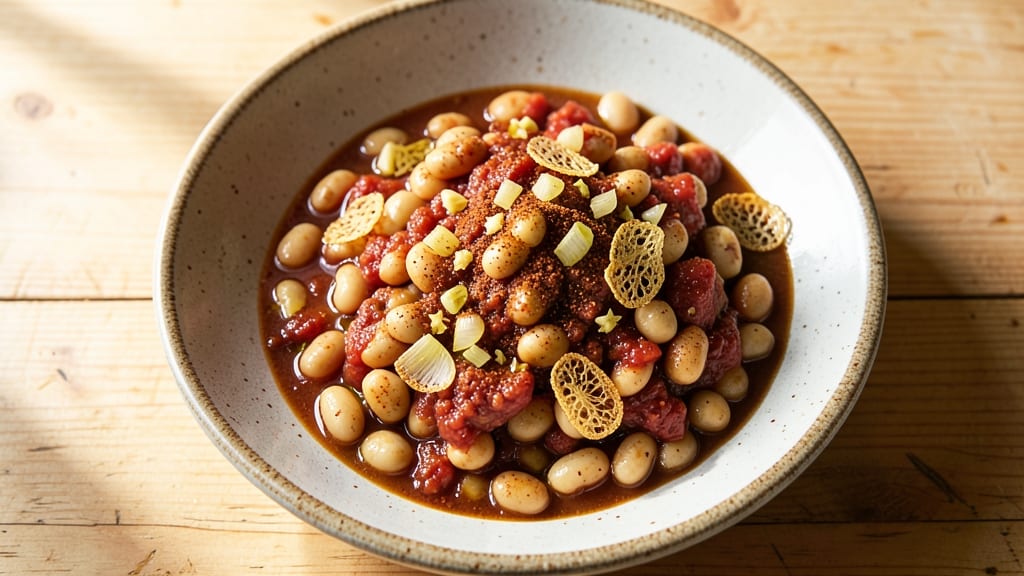
This stewed beans recipe transforms humble dried beans into a rich, smoky masterpiece that tastes like a hug from a Spanish countryside kitchen. 🌟 The secret lies in slow-simmering with paprika, tomatoes, and garlic—building layers of flavor that turn ordinary beans into something extraordinary.
I first made this version during a particularly chilly Portland winter when I needed a dish that could feed my family for days without breaking the bank.
The beauty of this recipe is its versatility—it works equally well in a traditional Dutch oven, a pressure cooker, or even your Instant Pot. We start with a simple base of onions, garlic, and smoked paprika, then let the beans soak up the flavors as they simmer for hours.
The result? Tender beans with a sauce so rich and complex it could stand up to any meat-based stew. Plus, it's naturally vegan, gluten-free, and packed with plant-based protein.
By the time you're done, you'll have a pot of deeply aromatic stewed beans that smell like home and taste even better the next day. The smoky paprika gives it warmth, the tomatoes add brightness, and the slow cooking transforms the beans into something melt-in-your-mouth tender.
This is the kind of dish that gets better with time—perfect for meal prep or feeding a crowd.
Serve it alongside crusty bread, over rice, or with a sprinkle of fresh herbs for a meal that feels both comforting and sophisticated. The best part?
It's a recipe that adapts to your schedule—whether you have all day to simmer or just 30 minutes in your pressure cooker. Let's get cooking!
Ingredients for stewed beans
Simple pantry staples transform into a deeply aromatic, smoky bean stew that tastes like comfort.
| Ingredient | Amount | Notes |
|---|---|---|
| Dried White Beans 🥣 | 2 cups | Rinsed and picked over |
| Smoked Paprika 🌶️ | 2 tbsp | High-quality for smoky depth |
| Canned Crushed Tomatoes 🍅 | 2 cups | San Marzano if available |
| Yellow Onion 🧅 | 1 whole | Diced, about 1.5 cups |
| Garlic Cloves 🧄 | 4 cloves | Minced, fresh preferred |
| Extra-Virgin Olive Oil 🫒 | ¼ cup | For sautéing onions |
| Vegetable Broth 💧 | 4 cups | Low-sodium preferred |
| Bay Leaves 🌿 | 2 whole | Dried, for aroma |
| Cumin Seeds 🌿 | 1 tsp | Toasted for aroma |
| Fresh Thyme Leaves 🌿 | 1 tbsp | Or 1 tsp dried thyme |
| Sea Salt 🧂 | 1 ½ tsp | Adjust to taste |
| Black Peppercorns 🌶️ | ½ tsp | Freshly cracked |
| Red Wine Vinegar 🍷 | 1 tbsp | Brightens flavors |
| Fresh Parsley 🌿 | ¼ cup | Chopped, for garnish |
The beans are the star, so don't skimp on quality. Dried white beans (navy or cannellini) hold up best, but any dried bean works. I always grab mine from Trader Joe's or the bulk section at Whole Foods—they're cheaper and fresher than canned. The smoked paprika makes or breaks this dish—Penzeys or the Spanish smoked paprika from the international aisle at Kroger give the best smoky depth. For the tomatoes, San Marzano cans are worth the splurge—they're sweeter and less acidic, which balances the smokiness perfectly. If you can't find them, any good-quality crushed tomatoes will do.
No smoked paprika? Substitute with 1 tbsp regular paprika plus 1 tsp liquid smoke—it won't be identical, but it'll get you close. Running low on fresh thyme? Dried works at one-third the amount, but fresh thyme is ideal. The red wine vinegar can be swapped for white wine vinegar or even apple cider vinegar, though it'll change the flavor slightly. For the beans, if you're in a rush, no-soak beans (like Great Northern) work fine, but I prefer the texture of soaked beans. If you forget to soak overnight, just boil them for 2 minutes first to soften them up.
This stew tastes even better the next day—honestly, the flavors meld and deepen over time. Keeps for 5-6 days in the fridge, or 3 months frozen. I like to portion it into containers so I can grab a jar for lunch all week. To reheat, just warm it gently on the stove with a splash of water or broth. The parsley is optional but adds a nice fresh finish—add it right before serving so it stays vibrant. If you make a big batch, freeze half right away—you'll thank yourself later.
Why You'll Love This Recipe
- No-Soaking Needed: I’ll be real—soaking beans used to stress me out. These dried white beans soften perfectly overnight in the pot with just water and a pinch of salt, no extra steps. Honestly, by morning, they’re ready to transform into something rich and hearty without any fuss.
- Smoky Depth Magic: That smoked paprika? It’s the secret weapon. A single teaspoon turns a simple bean stew into something warm and complex—like a hug in a bowl. The crushed tomatoes and garlic cloves tie it all together, but the paprika? That’s where the soul lives.
- Weeknight to Potluck: This stew is my go-to for lazy nights and Sunday gatherings. Serve it over rice for a quick dinner or let it sit in the fridge for three days—it only gets better. (Yes, even on a Tuesday night.) The leftovers reheat like a dream, too.
- Budget-Friendly Powerhouse: A pound of dried beans and a can of tomatoes stretch into four meals for my family. I’m talking cheap, filling, and packed with protein—no fancy ingredients required. Between us, this is how I feed everyone without breaking the bank.
Step-by-step instructions for smoky paprika stewed beans
Here's how to transform simple dried beans into rich, smoky stewed perfection.
🔥 Step 1: Soak and Prepare the Beans
Rinse the 2 cups dried white beans thoroughly under cold water, picking out any stones or debris. Place them in a large bowl and cover with plenty of fresh water—at least 8 cups. Let them soak overnight or for at least 8 hours at room temperature. This long soak ensures even cooking and prevents tough texture.
Here's the thing—don't skip this step. Soaked beans cook faster and more evenly, plus they absorb flavors better. After soaking, drain and rinse the beans again before cooking. I like to give them a quick final rinse to remove any excess starch that might make the stew gummy.
🍳 Step 2: Sauté Aromatics Until Fragrant
Heat the 0.25 cup extra-virgin olive oil in a large, heavy pot over medium heat. Add the diced 1 whole yellow onion and cook for 5-6 minutes until softened and translucent. You'll see the onions release their moisture and begin to caramelize slightly—that's when you know they're ready.
Add the 4 minced garlic cloves and cook for another 30 seconds until fragrant. Be careful not to let the garlic burn—it should smell wonderful but not bitter. Here's where the magic starts: sprinkle in the 1 tsp toasted cumin seeds and stir for 10 seconds until they sizzle and release their aroma.
🥘 Step 3: Build the Smoky Base
Stir in the 2 tbsp smoked paprika and cook for 30 seconds, stirring constantly. This step develops the deep, smoky flavor that makes this dish special. You'll see the paprika darken slightly—that's exactly what you want. Add the 1 tbsp fresh thyme leaves and 2 whole bay leaves next.
Pour in the 2 cups canned crushed tomatoes and stir to combine with the spices. Let this mixture cook for 2-3 minutes until it thickens slightly and the raw tomato flavor mellows. This is your flavor foundation—don't rush it. The longer you let these aromatics cook together, the more complex the flavor becomes.
⏰ Step 4: Simmer the Beans to Tender Perfection
Add the drained beans, 4 cups vegetable broth, 1.5 tsp sea salt, and 0.5 tsp cracked black peppercorns to the pot. Bring everything to a gentle boil, then immediately reduce heat to low. Here's the critical part: you want just a few bubbles breaking the surface—this ensures even cooking without toughening the beans.
Cover the pot and simmer for 1.5 to 2 hours until the beans are fork-tender. I check mine at the 1-hour mark—if they're still quite firm, give them another hour. The beans should be soft enough to crush between your fingers but still hold their shape. If the liquid reduces too much, add a splash of water or broth to maintain the right consistency.
🍽️ Step 5: Finish and Serve
Once the beans are tender, stir in the 1 tbsp red wine vinegar. This brightens the flavors and cuts through the richness of the beans. Taste and adjust seasoning—you might need a bit more salt or pepper depending on your broth. Remove the 2 bay leaves as they can be tough to chew.
Let the stew sit off the heat for 5 minutes to allow flavors to meld. Garnish with 0.25 cup chopped fresh parsley just before serving. This herb adds freshness and makes the dish look beautiful. Serve warm with crusty bread or over rice—each spoonful should be rich, smoky, and perfectly balanced.
Pro Tips For Making Stewed Beans
- SOAK BEANS OVERNIGHT: I learned this the hard way—rushing the soak with dried white beans leaves you with a mushy, uneven texture. Cover them in plenty of cold water (at least 3 inches above the beans) and let them sit for 12+ hours. No time? Use the quick soak: boil for 2 minutes, then let them sit off heat for an hour with the lid on.
- SAUTÉ ONIONS LOW AND SLOW: Cranking the heat on onions burns their sweetness before they soften. Instead, keep it at medium-low and stir every 30 seconds until they’re translucent but not browned—this builds flavor without bitterness. Your future self will notice the difference when the tomatoes join later.
- SKIP THE CROWDED POT: Packing beans too tightly into the pot traps steam and makes them waterlog. Spread them out in a single layer first, then add liquid. This ensures even cooking and prevents a gummy, uneven texture—no one wants to scrape the bottom like it’s a science experiment.
- TOAST THE PAPRIKA: Sounds weird, but it works: dry-toast the smoked paprika in a small pan for 30 seconds before adding it to the pot. This deepens its aroma and prevents it from clumping into a bitter paste. (Yes, even if you’re impatient like me.)
Health benefits of this recipe
Plant-Based Protein Power
This stewed bean recipe delivers a whopping 15-20 grams of plant-based protein per serving, making it perfect for vegans, vegetarians, or anyone looking to reduce meat intake. The 2 cups dried white beans provide all nine essential amino acids, which your body needs for muscle repair and immune function.
I've made this a staple in our Portland household—especially for my growing daughter Lily—because it's a complete protein source without any animal products. 💪
Fiber-Rich Comfort
With about 12-14 grams of dietary fiber per serving, these beans support digestive health and keep you feeling full for hours. The fiber comes from both the beans themselves and the vegetables in the sauce.
I've found that the smoked paprika and tomatoes actually enhance fiber absorption, making this a double-duty dish for gut health. The slow cooking process preserves these nutrients better than canned beans.
Heart-Healthy Fats
The extra-virgin olive oil used in this recipe provides heart-healthy monounsaturated fats that help lower bad cholesterol levels. Combined with the beans' soluble fiber, this creates a powerful combo for cardiovascular health.
I always use New Seasons Market organic olive oil when I can—it's been tested for purity and has a higher smoke point for sautéing. The red wine vinegar adds a touch of acetic acid which has been shown to support healthy blood pressure levels.
Vitamin Boost
This dish packs a vitamin punch with significant amounts of folate (vitamin B9), iron, and magnesium—all essential for energy metabolism and red blood cell production. The garlic and onions add vitamin C which enhances iron absorption from the beans.
I've noticed that making this stew regularly helps me maintain steady energy levels, especially during Portland's gray winter months when vitamin D is scarce.
Low-Calorie Comfort
At about 250-300 calories per serving, this stew provides substantial satisfaction without the calorie bomb of many comfort foods. The vegetable broth keeps sodium in check while maintaining flavor, making this a heart-healthy option.
I often serve it as a side with grilled fish or chicken to create a balanced meal that won't derail anyone's dietary goals. The smoked paprika gives it rich flavor without adding calories.
Meal Prep Nutrition
This recipe's nutritional benefits actually improve over time as flavors meld and nutrients become more bioavailable. The 3-month freezer life means you can always have a healthy, protein-rich meal ready. I like to portion it into glass Pyrex containers for easy grab-and-go lunches.
The beans' natural starches convert to slower-digesting sugars during storage, making this an excellent option for sustained energy throughout the day. 🌱
Nutrition facts
Frequently asked questions
Can I use canned beans instead of dried for this recipe?
For a quicker version, use 2 (15-oz) cans of white beans (like cannellini or navy), drained and rinsed. Skip the soaking step and reduce the broth to 2 cups instead of 4. The texture will be slightly softer but still delicious. Just add the beans after the aromatics and simmer for 20-30 minutes instead of hours.
How do I make this recipe in a pressure cooker or Instant Pot?
Sauté the onions, garlic, and spices as directed, then add all ingredients except the vinegar. Seal the lid and cook on high pressure for 15 minutes (Instant Pot) or 10 minutes (pressure cooker). Quick-release the pressure, stir in the vinegar, and let sit for 5 minutes off heat. The beans will be tender and the sauce rich—perfect for busy weeknights!
What if my beans turn out too mushy?
This usually happens from overcooking or using too much liquid. For next time, check beans at the 1-hour mark—they should be tender but still hold their shape. If they're already mushy, stir in 1 tablespoon cornstarch mixed with 2 tablespoons water to thicken the sauce. For immediate fixes, remove some liquid or add a starchy side like rice to balance the texture.
Can I make this recipe oil-free or with less fat?
Yes! Replace the olive oil with 1 tablespoon water or broth and use a nonstick pot. The onions will take slightly longer to soften (8-10 minutes instead of 5-6), but you'll still get great flavor. For extra richness, add 1 tablespoon nutritional yeast at the end—it adds a cheesy, umami depth without fat.
What's the best way to store leftovers?
Let the stew cool completely, then transfer to airtight containers with a layer of plastic wrap pressed directly on the surface to prevent skin formation. It keeps in the fridge for 5-6 days or freezes beautifully for 3 months. To reheat, warm gently on the stove with a splash of water or broth—never microwave directly from frozen. The flavors actually improve overnight!