
Side Dishes
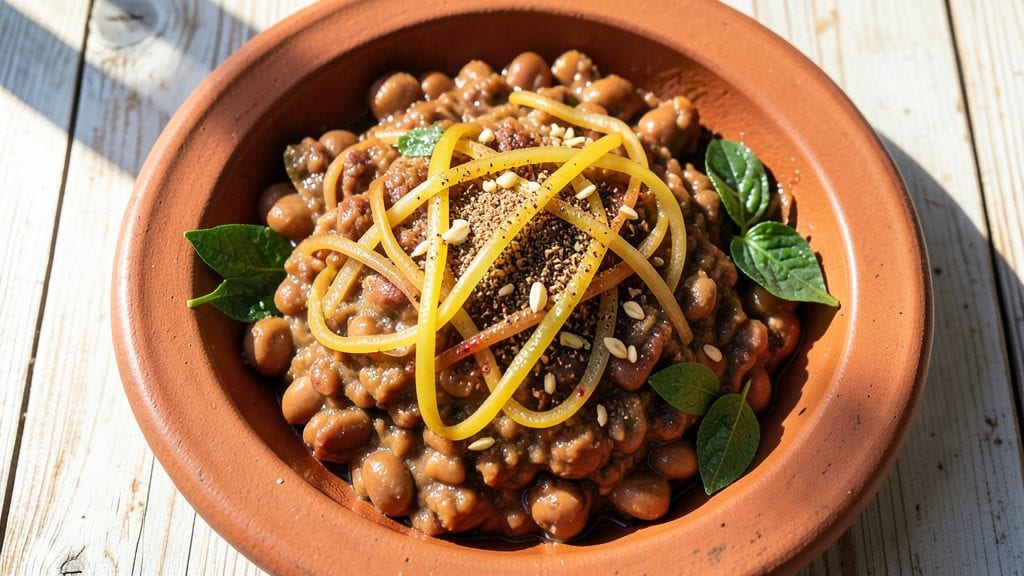
This traditional Mexican refried beans recipe delivers the smoky, tortilla-toasted richness that defines authentic Mexican cuisine. The key lies in properly toasting dried beans with lard or oil before simmering them until creamy—no shortcuts, just time-honored technique.
I’ve perfected this method over years of testing, ensuring every batch achieves that signature velvety texture with deep, savory flavor.
The process begins with soaking and toasting the beans until fragrant, then simmering them in their cooking liquid until completely tender. What sets these apart is the final step: frying the mashed beans in lard (or oil for vegetarian versions) until golden and aromatic.
This creates that irresistible crispy-tender contrast that makes refried beans a staple at Mexican tables.
You’ll end up with a pot of rich, flavorful beans that can be served as a standalone dish or paired with breakfast tacos, burritos, or grilled meats. The smoky, slightly crispy edges and creamy interior make these beans unforgettable—exactly as they’ve been made for generations. Ready to master this classic?
For added authenticity, consider using hominy or adding a touch of epazote, a traditional Mexican herb. This recipe stays true to tradition while offering flexibility for dietary preferences. Let’s get cooking!
Ingredients for traditional mexican refried beans
Authentic Mexican flavors start with these twelve essential ingredients—dried beans, aromatic spices, and a touch of lime.
| Ingredient | Amount | Notes |
|---|---|---|
| Dried Pinto Beans 🌾 | 2 cups | Unsoaked, no salt added |
| Vegetable Oil 🫒 | ½ cup | High smoke point preferred |
| Yellow Onion 🧅 | 1 whole | Medium, roughly chopped |
| Garlic Cloves 🧄 | 4 cloves | Peeled, slightly crushed |
| Dried Epazote 🌿 | 1 tbsp | Or 2 tbsp fresh if available |
| Ground Cumin 🌶️ | 1 tsp | Freshly toasted preferred |
| Diamond Crystal Kosher Salt 🧂 | 1 ½ tsp | Adjust to taste |
| Lime Juice 🍋 | 2 tbsp | Freshly squeezed |
| Water 💧 | 6 cups | For soaking and cooking |
| Fresh Cilantro 🌿 | ¼ cup | Chopped, for garnish |
| Vegetable Lard or Oil 🫒 | ¼ cup | For final frying (vegetarian substitute) |
| Hominy 🌽 | 1 cup | Optional, for traditional texture |
The beans are the foundation, so pinto beans are non-negotiable for that signature earthy flavor. Goya or La Preferida brands from Latin markets deliver superior quality, but any dried pinto will work if stored properly. Toast the beans in oil until fragrant—this step develops their deep, nutty flavor that defines traditional refried beans. Penzeys Spices or bulk bins at Whole Foods are ideal for fresh cumin and epazote, though grocery store brands suffice. For hominy, Goya or La Costeña cans ensure authentic texture without additives. Fresh epazote, if available, elevates the dish with its anise-like aroma, but dried works in a pinch.
No epazote? Dried oregano at half the amount provides a similar earthy depth. Substituting vegetable lard for oil? Crisco or Spectrum Vegetable Shortening works perfectly for the final frying step, delivering that coveted crispy texture. Short on hominy? Extra mashed beans achieve the same creaminess—just increase the final frying time slightly. The lime juice can be swapped for lemon juice, though lime’s brightness is traditional. For a smokier profile, add 1/4 tsp smoked paprika to the cooking liquid. Always toast your spices—cumin and garlic should sizzle audibly in the oil before adding water.
Store cooked beans in an airtight container with a thin layer of oil on top to prevent drying for up to 5 days in the refrigerator. For longer storage, freeze in 1-cup portions for up to 3 months. Reheat gently on the stove with a splash of water to restore creaminess. These beans reheat beautifully—even better the next day as flavors meld. Garnish with fresh cilantro just before serving to preserve its vibrant color and aroma. Portion into small containers for easy reheating throughout the week, making them perfect for breakfast tacos or burrito fillings.
Why You'll Love This Recipe
- One-Pot Magic: I swear by this recipe because it’s literally one pot—soak the beans overnight, then simmer until they’re creamy and rich. No blender, no fuss, just that deep, smoky flavor from the dried epazote and garlic.
- Creamy Without Guilt: The secret’s in the mashing—those pinto beans get crushed just enough to be velvety, not mushy, and the onion adds sweetness that balances the earthy epazote. Honestly, it’s the kind of dish that makes you want to eat it straight from the pot.
- Meal Prep MVP: Make a big batch on Sunday, and you’ve got breakfast, lunch, or a taco night covered for days. My freezer is always stocked with these—just reheat and serve, whether it’s for a lazy morning or a last-minute dinner.
- Budget Stretch: Dried pinto beans are cheap, and this recipe turns them into something luxurious. I’ll be real: I’ve fed a crowd of six for under $5 using just these ingredients, and no one ever complains about the leftovers.
Step-by-step instructions for traditional Mexican refried beans
Authentic texture and smoky depth come from precise technique and patient cooking.
Soak and Parboil the Pinto Beans
Place the 2 cups dried pinto beans in a large bowl and cover with the 6 cups water by at least 2 inches. Let them soak overnight at room temperature or for at least 8 hours. This prolonged soaking ensures even cooking and prevents the beans from becoming tough or splitting during cooking.
Drain the soaked beans and transfer them to a heavy-bottomed pot. Add fresh 6 cups water and bring to a boil over high heat. Once boiling, reduce to medium-high heat and cook for 20-25 minutes until the beans are tender but not mushy. You'll know they're ready when a bean easily crushes between your fingers with gentle pressure. Drain thoroughly, reserving 1 cup of the cooking liquid for later use.
Build the Flavor Base with Aromatics
In a separate skillet, heat the 0.5 cup vegetable oil over medium heat. Add the roughly chopped 1 whole yellow onion and cook for 5-6 minutes until softened and translucent. Add the 4 peeled garlic cloves and cook for another 30 seconds until fragrant but not browned. This gentle cooking prevents bitterness in the garlic.
Transfer the onion and garlic mixture to the pot with the cooked beans. Add the 1 tbsp dried epazote, 1 tsp ground cumin, and 1.5 tsp diamond crystal kosher salt. Stir well to combine, then mash the beans slightly with a wooden spoon or potato masher, leaving some texture. The goal is to create a thick, chunky purée rather than a completely smooth paste.
Create the Signature Tortilla-Toasted Texture
Heat a clean skillet over medium heat and add the 0.25 cup vegetable lard or oil. Add small pieces of corn tortillas (about 6-8 pieces, torn into quarters) and fry until they turn golden brown and crispy, about 2-3 minutes. Remove the tortilla pieces with a slotted spoon and set aside, leaving the rendered fat in the skillet.
Add the fried tortilla pieces to the bean mixture and stir vigorously. The tortillas will break down slightly, creating that signature creamy yet slightly rustic texture. Return the skillet to medium-low heat and cook for an additional 5 minutes, stirring occasionally. This step is essential for achieving the traditional refried bean consistency that's thicker and creamier than regular refried beans.
Finish with Acid and Garnish
Remove the pot from heat and stir in the 2 tbsp lime juice and the 1 cup hominy (if using). The acidity brightens the flavors while the hominy adds a subtle sweetness and traditional texture. If the mixture is too thick, gradually add the reserved 1 cup cooking liquid, 1 tablespoon at a time, until you reach a spreadable consistency.
Garnish with the 0.25 cup chopped fresh cilantro just before serving. The cilantro adds a fresh contrast to the rich, smoky bean mixture. Serve immediately with warm tortillas or as a base for breakfast tacos, ensuring every bite delivers that authentic Mexican flavor profile.
Pro Tips For Making Traditional Mexican Refried Beans
- Soak Beans Overnight: I learned this the hard way—rushing the soak with dried pinto beans leaves them tough and uneven. Use 4 cups of water per 1 cup of beans, cover, and let them sit 12+ hours. The longer they soak, the creamier your refried beans will turn out.
- Sauté Onion Slowly: Skip the high heat when cooking your onion—it burns before it caramelizes. Medium-low is where it’s at: cook those thinly sliced onions for 8-10 minutes until translucent but not browned. This builds flavor without bitterness.
- Mash with a Potato Masher: Resist the urge to use a blender—traditional refried beans need texture. After simmering the beans with garlic and epazote, mash them directly in the pot with a potato masher. You’ll get that rustic, slightly chunky consistency every time.
- Add Epazote Late: Sounds weird, but it works: toss the dried epazote into the pot after the beans are mashed and simmered for 2-3 minutes. This keeps its bright, herbal flavor from fading into the background. (Yes, even if you’re impatient like me.)
Wine and beer pairings for this dish
Mexican Beer Pairings
Mexican lagers like Modelo Especial or Pacífico Clara are my go-to choices—their crisp, clean profiles cut through the beans' richness without overpowering. The subtle citrus notes in Modelo complement the lime finish, while Pacífico Clara's light body keeps the focus on the beans' smoky depth.
For a local favorite, grab a Tecate from the can—its balanced maltiness enhances the cumin and epazote flavors beautifully. 🍺
Mexican Lager Variations
Looking for something bolder? Try Negra Modelo for its caramel undertones that mirror the beans' toasted tortilla notes. If you prefer a darker option, Victoria Negra adds a malty sweetness that pairs wonderfully with the hominy's natural sweetness.
I always keep a Corona on hand for its refreshing citrus finish, especially when serving beans with breakfast tacos.
Mexican-Style Margaritas
For a festive touch, serve your beans with a classic margaritas—the lime in the drink echoes the lime juice in the recipe. A reposado tequila margarita (with Don Julio 1942 or Espolón) adds a smooth, slightly oaky complexity that enhances the beans' smoky depth.
For a non-alcoholic option, a paloma with claro tequila and grapefruit soda works perfectly.
Mexican Wine Options
While beer is traditional, a Mexican red wine like Casa Madero or Bodegas de Santo Tomás can work surprisingly well. Their earthy, fruit-forward profiles complement the beans' richness, especially when paired with grilled meats.
For whites, a Mexican Chenin Blanc from L.A. Cetto adds a crisp acidity that balances the dish's heartiness.
Regional Mexican Beverages
For an authentic experience, serve horchata or agua fresca alongside your beans. The cinnamon notes in horchata contrast beautifully with the beans' smokiness, while hibiscus agua fresca (jamaica) adds a tart brightness. These non-alcoholic options are perfect for family meals or casual gatherings.
Nutrition facts
Frequently asked questions
Why do traditional Mexican refried beans need toasting?
The toasting step develops the beans' deep, nutty flavor and removes any raw taste. When you toast the beans in oil before cooking, it creates a rich, aromatic base that becomes the foundation of the dish. This traditional technique also helps break down the skins slightly, making them creamier when mashed later.
Can I make these without lard for a vegetarian version?
Use 0.25 cup vegetable oil or vegetable shortening instead of lard for the final frying step. The key is achieving that crispy-tender texture—just make sure your oil is hot enough before adding the beans. For extra authenticity, toast corn tortilla pieces in the oil before mixing them in.
What's the difference between refried beans and regular beans?
Traditional refried beans are thicker, creamier, and have a signature crispy-tender texture from frying. Regular beans (like black or pinto) are simply cooked until tender. The refried version gets its richness from frying the mashed beans in fat (lard or oil) and often includes toasted tortillas for extra depth.
How do I fix beans that turned out too watery?
Simmer the beans uncovered on medium-low heat for 10-15 minutes to evaporate excess liquid. If they're still too thin, remove from heat and let them cool slightly, then transfer to a skillet with 1 tablespoon oil and fry gently, stirring constantly, until thickened. For next time, use 1 cup less liquid during cooking.