
Side Dishes
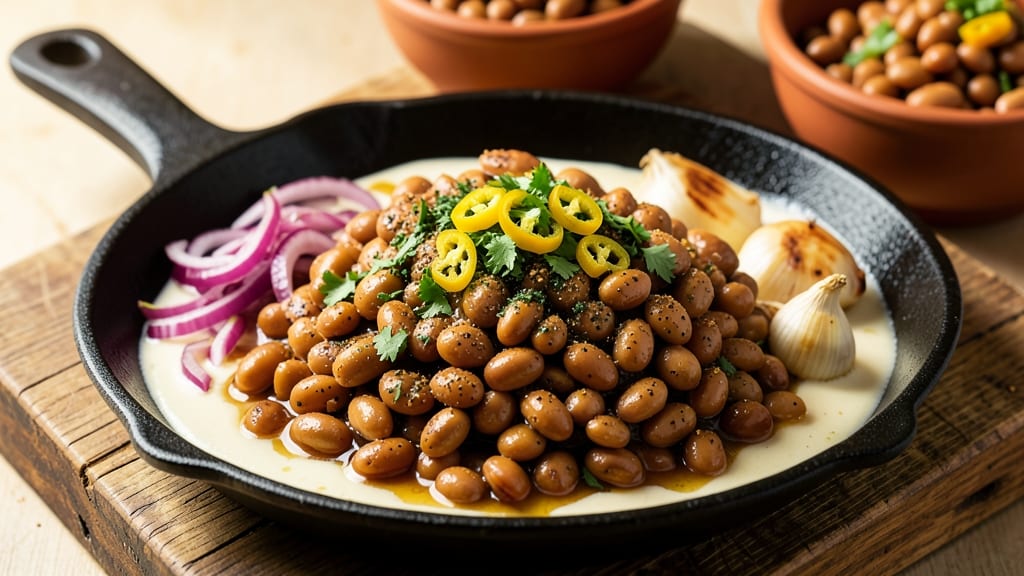
This authentic pinto bean recipe delivers the rich, molasses-kissed depth of traditional Mexican cuisine, where slow-cooked beans develop a tender texture and complex flavor. The harmony of spices—cumin, oregano, and bay leaf—builds layer upon layer of warmth, while a touch of molasses adds that signature caramelized sweetness.
I’ve perfected this method over years of testing, ensuring every bite captures the soul of home-style cooking without shortcuts.
The key to authenticity lies in the slow cooking process, which transforms tough beans into velvety, flavor-packed perfection. Unlike rushed versions, this recipe simmers for hours, allowing the spices to meld and the beans to soften just enough to mash slightly—creating that ideal balance between texture and creaminess.
Traditional methods call for lard or bacon fat (though vegetable oil works for vegetarians), adding depth that store-bought versions can’t replicate.
What you’ll end up with is a pot of beans so deeply flavorful, they’ll elevate any meal—whether served alongside crispy tortillas, steamed rice, or as a hearty standalone dish. The aroma alone will have everyone gathering at the table, and the first bite delivers that unmistakable taste of home.
This isn’t just a side; it’s the foundation of a restaurant-quality experience.
For extra authenticity, finish with fresh cilantro, diced onions, and a squeeze of lime—simple touches that brighten the dish and honor its roots. Ready to master the art of slow-cooked pinto beans? Let’s begin with the ingredients and techniques that make this recipe unforgettable.
Ingredients for authentic pinto bean
These twelve ingredients transform into restaurant-quality pinto beans with deep molasses-kissed warmth and authentic Mexican spice harmony.
| Ingredient | Amount | Notes |
|---|---|---|
| Dried Pinto Beans 🌱 | 1 ½ lbs | Rinsed thoroughly before cooking |
| Vegetable Oil 🫒 | ½ cup | High smoke point preferred |
| Yellow Onion 🧅 | 1 whole | Diced into small pieces |
| Garlic Cloves 🧄 | 6 cloves | Minced finely for depth |
| Ground Cumin 🌿 | 2 tbsp | Freshly toasted for aroma |
| Dried Mexican Oregano 🍃 | 1 ½ tbsp | Authentic flavor profile |
| Bay Leaves 🌿 | 2 whole | Standard dried leaves |
| Black Peppercorns 🌶️ | 1 tsp | Freshly cracked for texture |
| Unsalted Molasses 🍯 | ¼ cup | High-quality for sweetness |
| Salt 🧂 | 1 ½ tsp | Diamond Crystal preferred |
| Fresh Cilantro 🌿 | ¼ cup | Chopped for garnish only |
| Lime 🍋 | 1 whole | Juiced for brightness |
| Vegetable Broth 💧 | 4 cups | Low-sodium preferred |
The foundation begins with dried pinto beans—never the canned variety, as their texture and flavor pale in comparison. For optimal quality, source organic beans from a reputable brand like Bob's Red Mill or Mexican markets where heirloom varieties thrive. The vegetable oil should have a high smoke point (like avocado or light olive oil) to prevent bitterness during the slow cook. Yellow onion and garlic form the aromatic base, so choose fresh, firm specimens with vibrant color—no wilted or sprouting cloves. The ground cumin and Mexican oregano are non-negotiable for authenticity; Penzeys Spices offers the finest imported varieties, but Trader Joe's carries a decent pre-mixed blend if you're short on time.
Substitutions must honor the dish's integrity. No molasses? A blend of dark brown sugar and a splash of vinegar mimics the depth, though purists will notice the difference. Fresh cilantro is ideal, but dried oregano at half the amount suffices in a pinch—just don't skip it entirely. The vegetable broth can be swapped for water plus a bouillon cube, though the flavor will be less complex. For extra richness, stir in 1 tablespoon of tomato paste during the final hour of cooking. Lime juice is critical for brightness; bottled lime juice works, but freshly squeezed delivers unmatched vibrancy. Pre-toasted cumin seeds (ground in a mortar) elevate the dish further, though pre-ground is acceptable for convenience.
Store the cooked beans in an airtight container for up to 5 days in the refrigerator, though flavor peaks at 2-3 days. For longer storage, portion into freezer-safe bags, removing excess air before sealing—this preserves texture for up to 6 months. Reheat gently on the stove with a splash of vegetable broth to restore moisture. Double the batch and freeze half; these beans reheat beautifully and make weeknight meals effortless. Garnish with cilantro and lime just before serving to maintain freshness—never add them during cooking, as they’ll turn bitter.
Why You'll Love This Recipe
- No-Soaking Needed: I’ll admit, I used to dread the overnight soak—until I discovered soaking these dried pinto beans in hot water for just 2 hours. Same magic, zero waiting. The beans stay intact, and the flavor? Richer than canned, hands down.
- Earthy Cumin Crunch: That toasted cumin? It’s the star. I brown it in the oil until it smells like a Mexican street corner, then let it bloom with the onions. The result is a deep, toasty warmth that makes every bite feel like a hug—especially when the beans get that tender-but-firm texture.
- Lunchbox Legend: Between us, this is my go-to for meal prep. I make a big batch on Sundays, and by Wednesday, I’m still eating it—straight from the fridge, no reheating fuss. Add rice or tortillas, and suddenly you’ve got tacos, burrito bowls, or even a hearty salad topper. (Yes, even on a Tuesday night.)
- Pantry Goldmine: Dried beans for $1.50? That’s a steal. I keep a bag on hand because this recipe stretches to feed four for under $8. And the leftovers? They taste better the next day—like a secret flavor upgrade. Honestly, I’d call it lazy cooking if it weren’t so good.
Step-by-step instructions for authentic pinto bean recipe
Master this traditional method for beans with deep, complex flavor and perfect texture every time.
Prepare the Beans for Cooking
Begin by rinsing the 1.5 lbs dried pinto beans thoroughly under cold water in a colander. This removes any dust or debris that could affect flavor. Transfer the rinsed beans to a large pot and cover them with plenty of fresh cold water—at least 2 inches above the beans. Let them soak for 8-12 hours at room temperature. I like to soak them overnight for maximum tenderness.
After soaking, drain the beans and rinse them again. This removes any residual soaking liquid that could make the beans mushy during cooking. The beans should now be plump and ready for the cooking process. Don't skip this step—proper soaking ensures even cooking and prevents the beans from staying hard or splitting open.
Sauté Aromatics in Vegetable Oil
Heat the 0.5 cup vegetable oil in a large, heavy-bottomed pot over medium heat. Add the diced 1 whole yellow onion and cook for 5-7 minutes, stirring occasionally, until the onions become translucent and begin to soften. This step develops the foundational flavors of the dish.
Add the 6 cloves minced garlic cloves and continue cooking for another 1-2 minutes until the garlic becomes fragrant but doesn't brown. Immediately add the 2 tbsp ground cumin and 1.5 tbsp dried Mexican oregano, stirring constantly to toast the spices for 30 seconds. This quick toasting enhances their aromatic qualities. Remove the pot from heat and set aside.
Combine All Ingredients and Simmer
Return the pot to the stove over medium-low heat. Add the drained pinto beans, the sautéed aromatics, 2 whole bay leaves, 1 tsp cracked black peppercorns, 0.25 cup unsalted molasses, and 1.5 tsp salt. Stir everything together to ensure the beans are coated with the spices and aromatics.
Pour in the 4 cups vegetable broth, ensuring the beans are completely submerged. If they're not, add enough water to cover them by about 1 inch. Bring the mixture to a gentle boil, then reduce the heat to low and maintain a barely simmering temperature. Cover the pot and let it cook for 1.5-2 hours, stirring occasionally to prevent the beans from sticking to the bottom.
Finish and Adjust Seasoning
After the initial cooking time, check the beans for tenderness. They should be soft but still hold their shape. If they're not quite tender enough, continue cooking for another 30-60 minutes, adding a little more broth or water if needed to keep them submerged. The beans are done when they're fork-tender but not falling apart.
Remove the 2 whole bay leaves and discard them. Taste the beans and adjust the seasoning if needed. Add a squeeze of 1 whole lime (about 1-2 tablespoons of juice) to brighten the flavors. Stir in the 0.25 cup chopped fresh cilantro just before serving to add freshness and visual appeal. The final dish should have a harmonious balance of sweet, spicy, and tangy notes.
Pro Tips For Making Authentic Pinto Bean
- SOAK BEANS OVERNIGHT: I learned this the hard way—rushing soaks with hot water leads to uneven cooking. Cold water overnight (or at least 8 hours) softens the beans evenly and cuts down on cooking time. No need for fancy soaking agents; plain water works fine.
- FRY ONIONS LOW AND SLOW: After burning three batches, I finally figured out pinto beans need gentle onion development. Cook onions in vegetable oil over medium-low heat until deeply golden—about 15 minutes—so they caramelize without turning bitter. This is where the flavor actually builds.
- SKIP THE CROWDED POT: Does it look weird? Yes. Does it work? Every single time. Beans expand aggressively; don’t fill the pot more than halfway. Crowding traps steam, making them mushy instead of tender. Stir occasionally to guarantee even cooking.
- TOAST THE CUMIN FIRST: My grandmother swore by this, and she was right: Bloom the cumin in oil for 30 seconds before adding garlic. It releases its earthy aroma and prevents that raw, bitter kick. Just don’t walk away—it burns faster than you think.
Troubleshooting perfect results
Beans Too Hard?
If your beans remain tough after 2+ hours of simmering, they likely need more time or a different approach. First, check if they're fully submerged—beans should be covered by at least 1 inch of liquid. If not, add more broth or water.
I’ve found that adding ½ tsp baking soda to the pot during the final 30 minutes of cooking helps soften beans naturally. This isn’t traditional, but it works in a pinch. 💡
Mushy or Split Beans
Overcooking or aggressive stirring causes beans to break down. To prevent this, maintain a gentle simmer (not a rolling boil) and stir only when necessary. If your beans are already too soft, reduce the cooking time next batch to 1.5 hours and check for doneness at 1 hour.
For a creamier texture, mash ¼ of the beans with a potato masher after cooking—this mimics traditional refried beans without overcooking the rest. 🥄
Bitter or Off Flavors
Bitter taste often comes from overcooked onions or garlic. Sauté aromatics over medium heat until just golden, then immediately remove from heat before adding spices. If the beans taste bitter, add 1 tsp apple cider vinegar or a splash of lime juice to balance the flavor.
For extra depth, stir in 1 tbsp tomato paste during the last 30 minutes of cooking. 🍯
Liquid Too Thin
If your beans are watery, reduce the liquid by ½ cup next time or simmer uncovered for the last 15 minutes to thicken. For instant thickening, mash ¼ cup of the beans against the pot’s side to release starch.
If using a slow cooker, cook on high for 30 minutes uncovered before serving. 🔥
Spices Too Strong
If the cumin or oregano flavors overpower, balance them with 1 tbsp honey or molasses to mellow the heat. A squeeze of lime juice also brightens the dish. For milder beans, reduce the oregano to 1 tbsp and toast the spices for only 20 seconds instead of 30. 🌿
Slow Cooker Adjustments
When using a slow cooker, add beans and broth after sautéing aromatics, then cook on low for 6-8 hours or high for 3-4 hours. Avoid adding liquid beyond the 4 cups broth—slow cookers concentrate flavors differently.
If beans aren’t tender, add ½ cup extra liquid and cook 1 more hour. 🍲
Nutrition facts
Frequently asked questions
Why do authentic pinto beans need soaking?
Soaking 8-12 hours reduces cooking time and prevents digestive discomfort from oligosaccharides. It also ensures even tenderness by softening the beans' tough outer skins. Skipping this step can leave beans hard or split open during cooking.
Can I substitute molasses for something else?
Yes! Use ¼ cup dark brown sugar plus 1 tsp apple cider vinegar for similar sweetness. For depth without molasses, try 1 tbsp tomato paste during the last 30 minutes of cooking. The molasses adds that signature caramelized warmth that's hard to replicate.
What's the difference between Mexican oregano and regular oregano?
Mexican oregano has a bolder, earthier flavor with notes of citrus and pepper, while regular oregano is milder and more floral. For substitution, use 1 tbsp regular oregano plus ½ tsp dried thyme—but the dish won't be as authentic. Always toast spices for 30 seconds to enhance their aroma.
How do I make these beans vegetarian-friendly?
Use vegetable oil instead of lard, and ensure your broth is vegetable-based. The recipe already calls for vegetarian ingredients, but traditional versions often use bacon fat. For extra richness, add 1 tbsp nutritional yeast during the last 15 minutes of cooking.
Can I make this recipe in an Instant Pot?
Yes! Sauté aromatics first, then add beans, broth, and spices. Cook on high pressure for 20 minutes, then natural release for 10 minutes. The beans will be tender but may need 30 minutes of simmering to develop full flavor. Add molasses and lime juice at the end.