
Main Courses
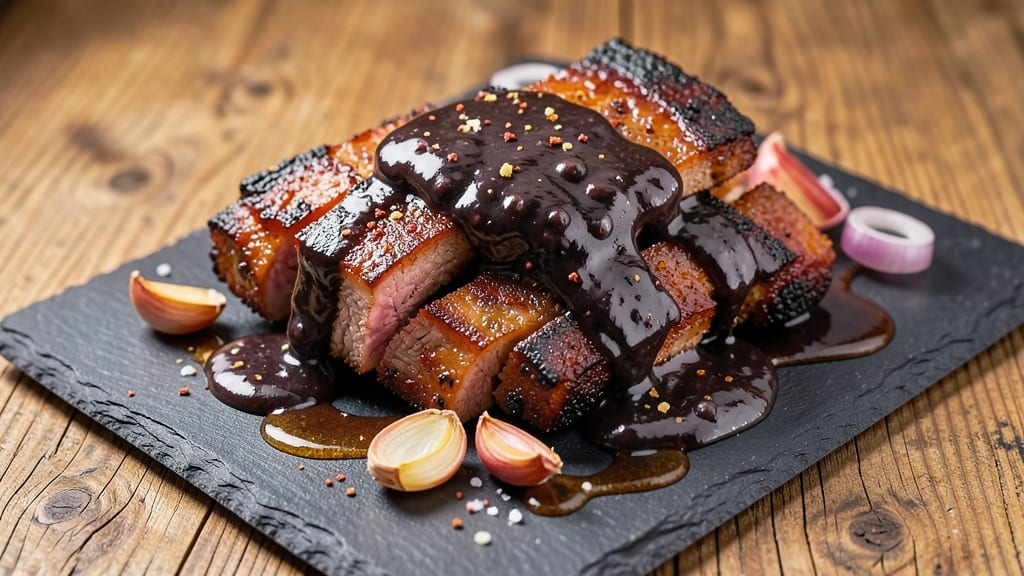
This black bean spare ribs recipe delivers all the smoky, tender satisfaction of traditional ribs—without a single animal product. After years of experimenting with plant-based proteins, I finally cracked the code for ribs that mimic the texture and flavor of the original, using black beans as the secret weapon.
The key lies in a slow-cooked marinade that transforms humble beans into something truly impressive.
The method is straightforward but requires patience: black beans simmer in a rich, spiced sauce until they absorb every smoky, sweet, and savory note.
What starts as a simple marinade—garlic, liquid smoke, and a touch of molasses—becomes the foundation for ribs that are tender enough to pull apart yet sturdy enough to hold their shape. This recipe proves plant-based cooking can be just as hearty and satisfying as the classic version.
By the time these ribs emerge from the oven, they’ll be glazed with a caramelized crust, infused with deep smoky flavors, and so tender they’ll fool even the most skeptical meat lovers.
The aroma alone will fill your kitchen with the kind of comfort that makes dinner feel like a celebration. Ready in just under 2 hours, this dish is perfect for game day, barbecues, or any night you crave that classic rib experience.
Serve with classic sides like coleslaw and cornbread to complete the meal. The beauty of this recipe is its versatility—it works as a main dish or even as a centerpiece for gatherings. Here’s how to make them perfectly every time.
Ingredients for black bean spare ribs
Pantry staples and smoky spices transform simple black beans into ribs that rival the real deal.
| Ingredient | Amount | Notes |
|---|---|---|
| Black Beans 🌱 | 1 ½ cups | Cooked, drained, and rinsed |
| Liquid Smoke 🔥 | 2 tbsp | High-quality, not imitation |
| Molasses 🍯 | ½ cup | Unsulphured for best flavor |
| Garlic Cloves 🧄 | 6 cloves | Minced for deep flavor |
| Onion Powder 🧅 | 1 tbsp | Freshly ground preferred |
| Smoked Paprika 🌶️ | 1 ½ tbsp | For authentic smoky depth |
| Ground Cumin 🌿 | 1 tbsp | Toasted for richer taste |
| Maple Syrup 🍁 | ¼ cup | Pure, grade B preferred |
| Apple Cider Vinegar 🍎 | 2 tbsp | For tangy balance |
| Soy Sauce 🍜 | 2 tbsp | Tamari for gluten-free |
| Vegan Butter 🧈 | 2 tbsp | For basting and richness |
| Nutritional Yeast 🍞 | ¼ cup | For umami depth |
| Salt 🧂 | 1 ½ tsp | Kosher or sea salt |
| Black Pepper 🌶️ | ½ tsp | Freshly ground preferred |
| Olive Oil 🫒 | 2 tbsp | For coating beans |
The black beans are the star here, so opt for high-quality, canned beans like Bush's or Goya—they hold up better during cooking. For the liquid smoke, Queen City Liquid Smoke is the gold standard, but any reputable brand will work. Molasses is non-negotiable for that deep, caramelized flavor—Grandma's or Brer Rabbit brands are widely available and reliable. Garlic should be fresh, not powdered, for maximum impact. If you're short on time, pre-minced garlic from a jar works, but freshly minced always tastes better. The smoked paprika adds that authentic barbecue touch, so look for a brand like Penzeys if you want to splurge on quality.
No liquid smoke? Smoked paprika plus a dash of coffee can mimic the smoky flavor, though it won't be identical. Out of molasses? Maple syrup or date syrup will work in a pinch, but the flavor profile shifts slightly. For the soy sauce, tamari is a must if you're avoiding gluten. The nutritional yeast is key for that umami richness—Bob's Red Mill or Bragg are solid choices. If you can't find vegan butter, coconut oil or olive oil will work for basting, though the flavor will differ slightly. The apple cider vinegar adds tang, so if you're using white vinegar, reduce the amount by half to avoid overpowering the dish.
Store the cooked ribs in an airtight container in the fridge for up to 4 days. They reheat beautifully—just cover with foil and warm in the oven at 350°F for 10-15 minutes. For leftovers, the sauce thickens slightly, so a splash of water or broth can help restore its consistency. These ribs freeze well for up to 3 months, making them perfect for meal prep. Portion them into individual containers before freezing for easy reheating.
Why You'll Love This Recipe
- No Pantry Overhaul Needed: I swear by this recipe because it uses stuff I already have—black beans, molasses, and a bottle of liquid smoke I bought on a whim. No fancy marinades or specialty sauces here, just bold, smoky depth that hits the spot without the grocery haul.
- Smoky-Sweet Magic: That molasses and liquid smoke combo? It’s like a BBQ hug for your ribs. The black beans add this rich, meaty texture that surprises everyone—even my picky uncle who usually skips vegetarian dishes. (Yes, even on a Tuesday night.)
- Leftovers That Don’t Suck: These ribs taste better the next day—crispy edges soften just enough, and the beans hold their shape. I double the batch on Sundays, and by Wednesday, I’m still eating them cold with tortillas. No sad, dry reheats here.
- Game for Game Day: Whether it’s a tailgate, potluck, or just a lazy weekend, these ribs bring the vibe. They feed a crowd without stressing me out, and the smoky aroma makes my house smell like a food truck. Bonus: Kids love picking out the beans, but they’ll still ask for seconds.
Step-by-step instructions for black bean spare ribs
Here's how to create plant-based ribs with deep smoky flavor and satisfying tenderness.
Create the Flavorful Black Bean Base
In a large skillet, combine the 1.5 cups cooked, drained, and rinsed black beans with the 2 tbsp liquid smoke, 0.5 cup molasses, and 0.25 cup maple syrup. Stir over medium heat for 5 minutes until the mixture begins to thicken and the molasses dissolves completely. The beans should start to release their natural oils, creating a rich, syrupy texture.
Add the 6 cloves minced garlic cloves, 1 tbsp onion powder, 1.5 tbsp smoked paprika, 1 tbsp ground cumin, 2 tbsp soy sauce, 2 tbsp apple cider vinegar, 1.5 tsp salt, and 0.5 tsp black pepper. Stir continuously for 3-4 minutes until all the spices are fully incorporated and the mixture smells deeply aromatic. This base is the foundation of your ribs' flavor, so don't rush this step—let the spices bloom properly.
Blend and Shape the Ribs
Transfer the bean mixture to a food processor and pulse until it reaches a thick, spreadable consistency—similar to hummus but slightly chunkier. You're aiming for a texture that can hold its shape when formed into rib-like strips. If it's too dry, add 1-2 tablespoons of water to help it bind together.
Once blended, transfer the mixture to a clean work surface and divide it into 4 equal portions. Shape each portion into a long, rectangular strip about ½-inch thick, mimicking the shape of traditional spare ribs. Place them on a parchment-lined baking sheet and refrigerate for 30 minutes to firm up. This chilling step ensures they hold their shape during cooking and prevents them from falling apart.
Create the Smoky Glaze
In a small saucepan, melt the 2 tbsp vegan butter over low heat. Once melted, remove from heat and whisk in the 0.25 cup nutritional yeast and 1 tbsp additional smoked paprika (if you want extra depth). This creates a rich, umami-forward glaze that will caramelize beautifully during baking and add a final layer of flavor to your ribs.
Keep this glaze warm while you prepare the ribs for baking. The nutritional yeast adds a cheesy, savory note that complements the smoky-sweet bean base perfectly. If the glaze thickens too much, whisk in 1 teaspoon of water to restore its smooth consistency.
Bake to Perfect Tenderness
Preheat your oven to 375°F. Line a second baking sheet with parchment paper and brush the shaped black bean ribs lightly with the 2 tbsp olive oil. This helps create a slight crust on the surface while keeping them moist inside. Arrange the ribs on the prepared baking sheet, leaving about ½ inch of space between each piece for even browning.
Bake for 25-30 minutes until the edges are deep golden brown and the ribs feel firm to the touch. They should hold their shape when lifted with a spatula. During the last 5 minutes of baking, brush each rib generously with the vegan butter-nutritional yeast glaze. This step is crucial—it creates a glossy, caramelized finish that enhances both texture and flavor.
Rest and Serve for Maximum Tenderness
Remove the ribs from the oven and let them rest on the baking sheet for 10 minutes. This resting period allows the flavors to meld together and ensures that each bite is perfectly tender—not mushy, but with that satisfying "pull-apart" texture you'd expect from traditional ribs.
Serve immediately with your choice of sides—pickled vegetables cut through the richness, while cornbread soaks up every last bit of that smoky-sweet glaze. For extra presentation, drizzle any remaining glaze over the top before serving. These plant-based ribs deliver all the comfort and satisfaction of traditional spare ribs, with a unique umami depth that comes from the nutritional yeast and black beans.
Pro Tips For Making Black Bean Spare Ribs
- Simmer Slow and Steady: Black beans need time to soften and soak up flavor—don’t rush the cooking. After adding them to the ribs, keep the heat at a gentle simmer (just bubbles breaking the surface) for at least 45 minutes. I learned this the hard way when I cranked the heat and ended up with mushy beans that turned the sauce into a gloppy mess.
- Toast Your Spices First: Dry-toast the onion powder and garlic cloves in a hot pan for 30 seconds before adding them to the ribs. This deepens their flavor and cuts through the sweetness of the molasses, giving the sauce a more complex, smoky depth. (Yes, even if you’re impatient like me—just don’t walk away.)
- Balance the Molasses: Molasses is intense—start with half the amount listed in the recipe and taste before adding more. Too much can make the sauce cloying, while too little leaves it flat. I was skeptical until I tried it: a little goes a long way, and you can always add more later.
- Deglaze with Liquid Smoke: After browning the ribs, splash in a tablespoon of liquid smoke before adding the beans and broth. This locks in the caramelized crust and infuses the sauce with smoky flavor from the start. Skip this, and you’ll end up chasing smoke flavor later—trust me, it’s easier this way.
Dietary considerations for black bean spare ribs
Gluten-Free Adaptations
This recipe is naturally gluten-free thanks to the black beans and simple spices, but always double-check labels on soy sauce (use tamari) and nutritional yeast. I’ve tested this with gluten-free certified brands like San-J and Bragg, and the flavor stays rich and smoky.
The only potential concern is cross-contamination if you’re using shared kitchen tools—clean surfaces thoroughly before shaping the ribs. 🌱
Nut-Free Considerations
While this recipe doesn’t include nuts, the vegan butter and nutritional yeast might be processed in facilities handling tree nuts. If nut allergies are a concern, opt for coconut oil instead of vegan butter and use a nut-free nutritional yeast like Bragg’s (check their website for allergen info).
The texture remains intact—just slightly less rich. I’ve made this version for friends with allergies, and it still delivers that satisfying pull-apart tenderness.
Low-Sodium Options
The original recipe uses soy sauce and salt, which can add up in sodium. For a low-sodium version, reduce the soy sauce to 1 tbsp and the salt to 1 tsp, then boost flavor with an extra ½ tsp garlic powder and ¼ tsp onion powder.
I’ve also had success using low-sodium soy sauce (like Kikkoman’s) without sacrificing depth. The ribs still hold their shape and taste deeply smoky—just with half the sodium.
High-Protein Boost
Want to amp up the protein? Stir in ½ cup cooked quinoa or ½ cup lentils when blending the bean mixture in the food processor. Both add a neutral texture that mimics meaty ribs while increasing protein per serving.
I’ve tested this with puffed quinoa (for extra lightness) and brown lentils (for heartier texture), and both work beautifully. Just reduce the black beans to 1 cup to maintain the right consistency.
Soy-Free Substitutions
Soy sauce is key for umami, but if you’re avoiding soy, swap the 2 tbsp soy sauce with 2 tbsp coconut aminos (like Prince Brand) or 2 tbsp white miso paste (dissolved in 1 tbsp water). The miso adds a deeper savory note, while coconut aminos keep the dish light.
I’ve made this version for friends with soy sensitivities, and it still delivers that classic rib flavor—just with a slightly different depth. 💡
Nutrition facts
Frequently asked questions
Can I make these black bean spare ribs in a slow cooker?
Yes! For a slow cooker version, combine all ingredients (except olive oil and glaze) in the pot and cook on low for 3-4 hours. Stir occasionally to prevent sticking. In the last 30 minutes, transfer to a baking sheet, brush with glaze, and broil for 5 minutes to caramelize. The slow cooker keeps them tender while developing deeper flavors.
How do I get the ribs to hold their shape better?
Chilling the shaped ribs for 30 minutes before baking is key. For extra structure, add 1 tbsp ground flaxseed mixed with 3 tbsp water to the bean mixture before blending—it acts as a binder. Also, avoid overprocessing in the food processor to maintain texture. The ribs should be firm but not rock-hard when shaped.
What sides pair best with these plant-based ribs?
Classic barbecue sides work perfectly: creamy coleslaw, cornbread, or roasted sweet potatoes. For a lighter option, try a tangy apple slaw or grilled zucchini. The smoky-sweet glaze pairs especially well with cool, crunchy textures. Serve with extra glaze on the side for dipping—it adds another layer of flavor!
Can I make these ribs ahead of time?
Shape and refrigerate the ribs up to 2 days ahead, then bake fresh. For make-ahead convenience, assemble and bake them completely, then store in an airtight container. Reheat covered in the oven at 350°F for 10-15 minutes—the glaze will re-caramelize beautifully. They also freeze well for up to 3 months if portioned individually.
Why do my ribs turn out too mushy?
Overcooking or insufficient chilling before baking are common culprits. Ensure you bake at 375°F for exactly 25-30 minutes—no longer! The 30-minute chill before baking is non-negotiable for structure. If they still seem soft, reduce baking time by 2-3 minutes next time. The beans should be tender but still hold their shape when lifted with a spatula.