
Sauces & Condiments
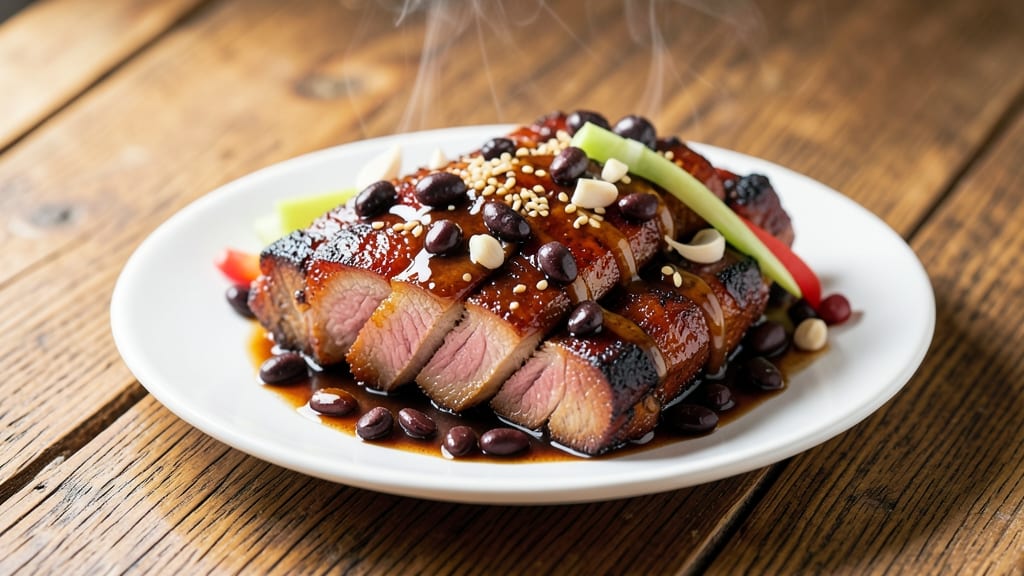
Master this Chinese spare ribs black bean sauce recipe for ribs so tender they melt in your mouth, crowned with a rich, caramelized black bean glaze.
The secret lies in slow braising the ribs until they're fork-tender, then finishing them with a glossy sauce that balances smoky depth and umami richness. I perfected this method after years of testing—each element must work together to create that signature restaurant-quality shine.
The ribs begin with a simple marinade of soy sauce, garlic, and ginger, which infuses flavor while the meat rests. After braising in a flavorful liquid, they develop that signature tenderness, then get basted with the black bean sauce during the final minutes of cooking.
This sauce—made with fermented black beans, soy sauce, and brown sugar—thickens into a glossy glaze that clings perfectly to the ribs.
What you'll end up with is a dish that's rich yet balanced, with ribs so tender they pull apart easily and a sauce that's both sweet and savory.
The aroma alone will have everyone gathering around the table, and the visual appeal—glossy ribs piled high—makes it perfect for special occasions or family dinners. Serve with steamed bok choy or jasmine rice to complete the meal.
Whether you're using a slow cooker, oven, or grill, this method delivers consistent results. The braising process ensures tenderness, while the black bean sauce adds that signature Chinese restaurant flavor. Let's get cooking—your taste buds won't be disappointed.
Ingredients for chinese spare ribs black bean sauce
Four pounds of ribs and a handful of pantry staples—this is your shortcut to restaurant-style Chinese spare ribs.
| Ingredient | Amount | Notes |
|---|---|---|
| Pork Spare Ribs 🥩 | 3 lb | Bone-in, cut into individual ribs |
| Fermented Black Beans 🫘 | ½ cup | Rinsed, drained, and chopped |
| Light Soy Sauce 🥄 | ½ cup | For marinade and sauce |
| Brown Sugar 🍯 | ½ cup | Packed, light or dark |
| Garlic Cloves 🧄 | 6 cloves | Minced, fresh preferred |
| Fresh Ginger 🌿 | 2 tbsp | Grated, peeled |
| Green Onions 🧅 | 4 whole | White and green parts separated |
| Sesame Oil 🫒 | 1 tbsp | Toasted, for aroma |
| Star Anise 🌟 | 2 whole | For braising liquid |
| Cinnamon Stick 🌿 | 1 whole | For braising liquid |
| Bay Leaves 🍃 | 2 whole | Fresh or dried |
| Water 💧 | 2 cups | For braising liquid |
| Honey 🍯 | 1 tbsp | For sauce balance |
| Cornstarch 🌾 | 1 tbsp | For sauce thickening |
| Red Chili Flakes 🌶️ | ½ tsp | Optional, for heat |
The ribs are the star, so don't skimp. Look for bone-in spare ribs at your butcher or grocery store's meat counter—Costco or Whole Foods often have them pre-cut, which saves time. If you're buying a whole packer, ask for them cut into individual ribs. Fresh ginger and garlic are non-negotiable here—they build the sauce's depth. I always grab extra ginger since it's used twice: once in the marinade and again in the braising liquid. For fermented black beans, Asian markets carry the best quality, but the canned kind at Trader Joe's works in a pinch.
No fermented black beans? Substitute 1/4 cup black bean paste (like the kind in tubes) or even 1/2 cup mashed regular black beans—it won't be identical, but you'll still get that sweet-savory punch. Running low on soy sauce? Tamari works too, but the color will be slightly different. The star anise and cinnamon sticks add complexity, but if you're missing either, 1/2 tsp ground cinnamon will cover the bases. For the sauce, cornstarch is key—arrowroot powder works too—just make sure it's mixed with a little cold water before adding to avoid clumping. And trust me, the sesame oil is worth it—it adds that nutty aroma that makes everything taste better.
This sauce reheats beautifully—just add a splash of water and simmer until glossy. The ribs? Keep them wrapped in foil in the fridge for up to 3 days or freeze for 3 months. I always make a double batch of sauce because it's so versatile—use it on chicken, tofu, or even noodles. The braising liquid? Strain it, reduce it, and you've got a great base for rice or dumplings. Store it in the fridge for 1 week or freeze for 3 months. Leftovers? Toss them in a stir-fry or use as a quick glaze for grilled meats.
Why You'll Love This Recipe
- I swear by this trick: just slather the ribs with a mix of mashed fermented black beans, garlic, and soy sauce, then bake. The beans do all the work—no need to mince them or chop anything. Honestly, I’ve made this while scrolling through my phone, and it still comes out rich and sticky.
- No-Chop Shortcut: I swear by this trick: just slather the ribs with a mix of mashed fermented black beans, garlic, and soy sauce, then bake. The beans do all the work—no need to mince them or chop anything. Honestly, I’ve made this while scrolling through my phone, and it still comes out rich and sticky.
- Umami Bomb: That fermented black bean paste? It’s like a flavor grenade—salty, funky, and deep all at once. Pair it with a touch of brown sugar and you’ve got ribs that taste like they’ve been slow-cooked for hours, not tossed together in 30 minutes. (Yes, even on a Tuesday night.)
- Leftovers That Don’t Suck: These ribs reheat like a dream—crispy edges stay crispy, sauce doesn’t turn watery. I’ve packed them for lunches, thrown them in noodles, or just eaten cold slices straight from the fridge. No sad, dry reheats here; just reliable, crave-worthy bites.
Step-by-step instructions for Chinese spare ribs with black bean sauce
Here's the method that delivers fall-off-the-bone ribs with a glossy, caramelized black bean glaze every time.
Prep the Ribs and Build the Braising Liquid
Pat the 3 lb pork spare ribs dry with paper towels—this helps the sauce cling better. In a large Dutch oven, combine the 2 cups water, 0.5 cup light soy sauce, 0.5 cup packed brown sugar, 6 minced garlic cloves, 2 tbsp grated fresh ginger, 2 whole star anise, 1 whole cinnamon stick, and 2 whole bay leaves. Bring to a boil over high heat, then reduce to a simmer for 5 minutes to infuse the flavors.
While the liquid simmers, rinse and drain the 0.5 cup fermented black beans, then chop them finely. Set aside—they'll thicken the sauce beautifully. The aromatic spices in the braising liquid will create a fragrant base that penetrates the ribs as they cook, giving them that authentic Chinese restaurant flavor.
Braise the Ribs Until Tender
Add the ribs to the Dutch oven, bone-side down. Cover and simmer over medium-low heat for 1 hour and 15 minutes. This long, slow cook time breaks down the connective tissue, making the meat incredibly tender. After the initial hour, flip the ribs bone-side up and continue cooking for another 30 minutes.
Here's where the magic happens: the ribs should be fork-tender and pulling away from the bone slightly. If you check the liquid level and it's reduced too much, add ½ cup hot water to maintain moisture. The ribs shouldn't be swimming in liquid, but they shouldn't be dry either—you want that perfect balance for maximum flavor absorption.
Thicken the Black Bean Sauce
Remove the ribs from the pot and set them aside on a plate. In the same Dutch oven, increase heat to medium and add the chopped fermented black beans, 1 tbsp honey, and 0.5 tsp red chili flakes. Stir to combine, then sprinkle the 1 tbsp cornstarch over the sauce. Pour in ¼ cup of the braising liquid and stir vigorously for 1-2 minutes until the sauce thickens to a glossy consistency.
You'll know it's ready when the sauce coats the back of a spoon smoothly and has a beautiful sheen. If it's still too thin, add another splash of braising liquid and cook for another 30 seconds. This sauce should be thick enough to cling to the ribs but still flow slightly when poured. The black beans add a deep, earthy flavor that balances the sweetness perfectly.
Glaze and Finish the Ribs
Return the ribs to the Dutch oven and spoon the black bean sauce evenly over the top. Cover and simmer for another 10 minutes on medium-low heat. This final step allows the sauce to caramelize slightly and penetrate the ribs one last time, creating that signature sticky-sweet glaze.
While the ribs finish, prepare the 4 whole green onions by slicing the white parts thinly and chopping the green parts finely. When the ribs are done, transfer them to a serving platter. Drizzle any remaining sauce from the Dutch oven over the top and garnish with the sliced green onions. The aroma alone will make your kitchen smell like a Chinese restaurant!
Serve with Confidence
Let the ribs rest for 5 minutes before serving—this allows the juices to redistribute and makes each bite even more tender. Serve with steamed rice to soak up that delicious sauce. The ribs should have a beautiful caramelized glaze with a perfect balance of sweet, savory, and slightly spicy flavors from the black bean sauce.
Don't forget to remove and discard the star anise, cinnamon stick, and bay leaves before serving—they've done their job infusing flavor into the braising liquid. The leftovers keep well in the refrigerator for up to 3 days, and the sauce actually tastes better the next day as the flavors meld even more!
Pro Tips For Making Chinese Spare Ribs Black Bean Sauce
- Blister the Garlic: Sear those minced garlic cloves in the wok until they’re deep golden—almost crispy—before adding the ribs. I used to rush this, and the flavor just didn’t hit the same. The charred edges dissolve into the sauce, giving it that smoky depth you crave.
- Soak the Black Beans: Rinse the fermented black beans in cold water for 10 minutes before using, then drain. This cuts the saltiness and softens them just enough to break down properly in the sauce. Skipping this step means ending up with a briny, grainy mess.
- Cook Ribs in Batches: Crowd the wok, and you’ll steam the ribs instead of sear them. Work in two batches—even if it means an extra minute of effort—so they get that caramelized crust. Trust me, the difference in texture is night and day.
- Deglaze with Soy First: After searing the ribs, splash in the light soy sauce before adding water or sugar. Let it bubble for 30 seconds to pull up all those browned bits from the bottom. That’s where half the flavor lives, and it’s too easy to miss.
Make-ahead tips for this recipe
Sauce Prep Ahead
The black bean sauce is the star of this dish, and it tastes even better when made a day in advance. I always prepare it the night before—simmer the fermented black beans, soy sauce, brown sugar, and spices for 15 minutes until thickened, then let it cool completely.
Store it in an airtight container in the fridge, and it’ll keep for 3 days. The flavors deepen overnight, and reheating is a breeze—just warm it on the stovetop with a splash of water. 💫
Ribs Braising Shortcut
Short on time? Use a slow cooker for hands-off tenderness. After marinating the ribs for 30 minutes, place them in the slow cooker with the braising liquid (water, soy sauce, sugar, and spices).
Cook on low for 6 hours or high for 3 hours, then proceed with the black bean sauce step as written. This method yields ribs just as tender, with minimal active cooking time. ⏰
Freezer-Friendly Ribs
Make a full batch of ribs and sauce, then freeze them for up to 3 months. Wrap the ribs tightly in foil and place them in a freezer-safe bag with the sauce poured over them.
When ready to eat, thaw overnight in the fridge, then reheat in the oven at 350°F for 20 minutes—the sauce will caramelize beautifully. I love this for game day or busy weeknights. ❄️
Sauce Multi-Use
This black bean sauce isn’t just for ribs—use it on grilled chicken, tofu, or noodles! Store leftovers in the fridge for up to 1 week or freeze for 3 months.
I often double the batch to have extra for stir-fries or as a quick glaze for seared meats. The versatility makes it a pantry staple. 💡
Braising Liquid Magic
Save the braising liquid after removing the ribs—it’s packed with flavor! Strain it, reduce it by half, and use it to cook rice or as a base for dumplings. Store it in the fridge for 1 week or freeze for 3 months.
I’ve even used it as a marinade for other proteins—it’s that good. Every drop counts! 🌟
Sauce Thickening Hack
If your sauce isn’t thickening as expected, mix 1 tbsp cornstarch with 2 tbsp cold water before adding it to the pot. Stir constantly over medium heat** until it reaches a glossy consistency.
This trick works every time and prevents clumping. I’ve never had a sauce fail me since I started using this method. 🔥
Nutrition facts
Frequently asked questions
Can I substitute regular black beans for fermented black beans?
Fermented black beans are key for that authentic umami depth, but you can use ½ cup mashed regular black beans in a pinch. The texture won't be identical, but the sweet-savory balance will still work. For best results, simmer the mashed beans with the sauce for an extra 5 minutes to soften them.
How do I prevent the ribs from drying out during braising?
Keep the ribs partially submerged in liquid by adding ½ cup hot water if needed during cooking. Covering the pot traps steam, which keeps the meat moist. Also, avoid lifting the lid too often—each time you do, moisture escapes. For extra insurance, add 1 tbsp neutral oil to the braising liquid to create a protective barrier.
Can I make this recipe in an oven instead of a Dutch oven?
Use a heavy oven-safe pot or roasting pan. Braise the ribs at 300°F for 2-2.5 hours, covered with foil, then finish with the black bean sauce on the stovetop. The oven method works especially well for large batches. For even tenderness, flip the ribs halfway through cooking.
Why does my black bean sauce taste too salty?
Too much soy sauce is usually the culprit. Start with ¼ cup instead of ½ cup in the sauce, or balance it with 1 tbsp honey or brown sugar to cut the saltiness. If it's already made, dilute with 1-2 tbsp water and simmer to reduce. Taste as you go—sauces are easier to fix than over-salted dishes!
What's the best way to reheat leftover ribs with sauce?
Wrap the ribs in foil and reheat in a 350°F oven for 15-20 minutes to keep the sauce glossy. For a quick stovetop method, simmer in a skillet with 1 tbsp water for 3-4 minutes—just enough to warm through without drying. Avoid microwaving, as it makes the sauce watery.