
Sauces & Condiments
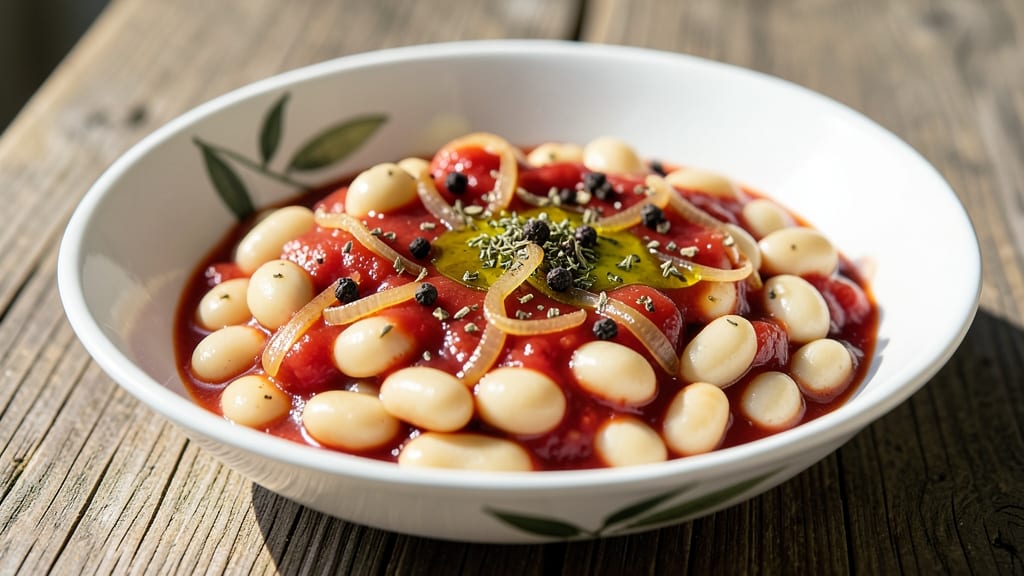
Transforming simple canned beans into a one-pot hearty meal in just 20 minutes is easier than you think—this tomato sauce recipe delivers restaurant-quality depth with minimal effort.
The key lies in building flavor through aromatics and slow simmering, turning humble ingredients into a satisfying vegetarian dish that works as a main or side. I developed this method after realizing how often canned beans get overlooked in home cooking; with the right technique, they become the star.
This recipe focuses on three essential components: sautéed onions and garlic for aromatic depth, crushed tomatoes for acidity, and canned beans for protein and texture.
The beauty of this method is its flexibility—swap beans for lentils or chickpeas, adjust spices to your taste, and even add sautéed vegetables for extra nutrition. What sets this apart is the way the sauce thickens naturally as it simmers, creating a rich, velvety consistency that coats every bean perfectly.
By the end, you'll have a one-pot meal with tender beans swimming in a deeply flavorful tomato sauce—ready to serve over rice, with crusty bread, or even as a hearty pasta topping.
The aroma alone will have everyone at the table asking for seconds, proving that simple ingredients can deliver professional results when prepared with care. Let's get cooking!
Perfect for busy weeknights, meal prep, or when you want to stretch ingredients without sacrificing flavor. The technique scales effortlessly, making it ideal for feeding a crowd or saving leftovers for tomorrow's lunch. This is comfort food at its finest—warm, satisfying, and impossible to resist.
Ingredients for canned beans in tomato sauce
Transform humble canned beans into a restaurant-quality one-pot meal with these essential ingredients.
| Ingredient | Amount | Notes |
|---|---|---|
| Canned White Beans 🥫 | 15 oz | Drained and rinsed thoroughly |
| Canned Crushed Tomatoes 🍅 | 15 oz | San Marzano preferred for sweetness |
| Yellow Onion 🧅 | 1 medium | Diced finely for even cooking |
| Garlic Cloves 🧄 | 4 cloves | Minced for aromatic release |
| Extra-Virgin Olive Oil 🫒 | 2 tbsp | High quality for flavor |
| Dried Oregano 🌿 | 1 tsp | Crushed between fingers |
| Ground Black Pepper 🌶️ | ½ tsp | Freshly ground preferred |
| Diamond Crystal Kosher Salt 🧂 | 1 tsp | Adjust to taste |
| Vegetable Broth 💧 | 1 cup | Low-sodium preferred |
| Bay Leaves 🌿 | 2 whole | Removed before serving |
| Fresh Basil Leaves 🌿 | ¼ cup | Chopped for garnish |
| Red Bell Pepper 🌶️ | ½ cup | Diced for added texture |
| Crusty Bread 🍞 | 4 slices | For serving |
The foundation starts with San Marzano canned tomatoes—their natural sweetness elevates the dish without overpowering. For the beans, white beans provide a neutral base that absorbs flavors beautifully, though kidney or chickpeas work equally well. Yellow onions should be diced uniformly to ensure even cooking throughout the sauce. Garlic cloves must be minced finely for optimal aromatic release. Sourcing these staples at Whole Foods or Trader Joe's guarantees freshness, though any reputable grocery store carries quality options. Extra-virgin olive oil from California or Italy adds depth, while Diamond Crystal kosher salt provides the cleanest flavor profile for seasoning.
No San Marzano tomatoes? Any quality canned tomatoes will suffice, though fire-roasted varieties add smoky depth. Substitute dried oregano with fresh at half the amount for a brighter flavor. Vegetable broth can be swapped for water if needed, though the umami difference is noticeable. Bay leaves are essential for that classic tomato sauce aroma, while fresh basil at the end brightens the dish. For extra texture, diced red bell pepper adds a subtle sweetness that balances the acidity. Crusty bread for serving can be any variety, though sourdough pairs perfectly with the rich sauce.
Store the sauce in an airtight container for up to 5 days in the refrigerator, though it tastes best within 2 days. For longer storage, freeze portions for up to 3 months. The crusty bread should be kept separately and toasted just before serving to maintain crispness. This dish reheats beautifully—simmer gently on the stove to preserve texture. Portion into meal prep containers for easy lunches, or double the batch for a crowd.
Why You'll Love This Recipe
- Here’s what sold me: a whole meal for under $5, and it feeds four. Canned beans and tomatoes stretch forever, plus you’re not sacrificing taste. My college budget would cry if it saw how well this treats me now.
- Pantry Magic: I swear by this one—no fresh herbs, no fancy prep. Just open a can of beans, crush some tomatoes, and let the olive oil and garlic work their magic. That’s it. The kind of meal you can make while scrolling through your phone.
- Garlic-Tomato Bliss: Honestly, the combo of caramelized onions and crushed tomatoes simmered with garlic? It’s dangerously good. The beans soak up all the flavor like a sponge, giving you that rich, hearty taste without the fuss.
- Meal Prep MVP: Between us, this is my go-to for lunches all week. Double the batch, store it in jars, and reheat it straight from the fridge. It’s solid cold or warm—perfect for busy mornings when you need something filling fast.
Step-by-step instructions for canned beans in tomato sauce
This one-pot method delivers a rich, flavorful dish using pantry staples while keeping prep simple.
Sauté Aromatics in Olive Oil
Heat the 2 tablespoons extra-virgin olive oil in a large Dutch oven or deep skillet over medium heat. Add the 1 medium yellow onion, diced finely, and cook for 5 minutes until softened and translucent. You'll notice the onions begin to caramelize slightly at the edges—that's when you know they're ready for the next step.
Add the 4 cloves garlic cloves, minced, and the 0.5 cup red bell pepper, diced, to the pan. Continue cooking for another 3-4 minutes until the garlic becomes fragrant and the bell pepper begins to soften. This foundational step builds the flavor base for your entire dish. If the garlic starts to brown too quickly, reduce the heat slightly to prevent burning.
Build the Tomato-Bean Sauce
Pour in the 15 oz canned crushed tomatoes and stir to combine with the sautéed vegetables. Add the 1 teaspoon dried oregano, 0.5 teaspoon ground black pepper, 1 teaspoon diamond crystal kosher salt, and the 2 whole bay leaves. Bring the mixture to a gentle simmer over medium-low heat, allowing it to cook for 5 minutes to let the flavors meld together.
Drain and rinse the 15 oz canned white beans thoroughly to remove any excess sodium. Add the beans to the pot along with the 1 cup vegetable broth. Stir gently to combine, then increase the heat to medium-high and bring the mixture to a boil. Once boiling, reduce the heat back to medium-low and let it simmer uncovered for 10 minutes, stirring occasionally. This simmering time allows the beans to absorb the tomato flavors and the sauce to thicken slightly.
Finish and Garnish
Remove the 2 whole bay leaves from the sauce. Taste and adjust the seasoning if needed—this is where you can fine-tune the balance of salt and pepper to your preference. The sauce should be rich and slightly thickened, with the beans fully coated in the tomato mixture.
Chop the 0.25 cup fresh basil leaves finely and stir them into the sauce during the last 2 minutes of cooking. This ensures the basil remains vibrant and fresh rather than becoming bitter. Remove the pot from heat and let the sauce sit for 2-3 minutes to allow the flavors to settle together. Serve immediately over the 4 slices crusty bread to soak up every last bit of the hearty tomato-bean mixture.
Pro Tips For Making Canned Beans In Tomato Sauce
- Sauté Onions Low and Slow: I learned this the hard way—cranking the heat to brown onions fast just burns them before the garlic even hits the pan. Keep it at medium-low, stirring every 30 seconds, until they’re soft and translucent. That’s when the garlic should join, and you’ll smell the difference.
- Drain and Rinse Beans: Skipping this step leaves your sauce with a metallic, canned-bean aftertaste that’s hard to shake. Drain the beans, then rinse them under cold water for 10 seconds. It’s a tiny effort that makes a real difference in flavor.
- Simmer, Don’t Boil: After adding the tomatoes, let the sauce bubble once, then drop the heat to a gentle simmer. Boiling can turn the tomatoes mealy and make the sauce taste flat. A low simmer for 15-20 minutes lets the flavors meld without breaking down the texture.
- Toast Garlic Until Golden: I was skeptical until I tried it—sautéing minced garlic in olive oil until it’s just golden (not burnt) adds a nutty depth that plain raw garlic can’t match. Pull the pan off heat the second it hits that color, or it’ll turn bitter. Worth the few extra seconds.
Dietary considerations for this canned beans in tomato sauce
Gluten-Free Adaptations
This recipe is naturally gluten-free as written, but always double-check your canned beans and broth for hidden gluten. I recommend Annie’s Organic or Bush’s Best canned beans, which are certified gluten-free. For extra insurance, use gluten-free vegetable broth like Pacific Foods or Imagine.
The crusty bread can be replaced with gluten-free baguette slices from Canyon Bakehouse or Schar—just toast them for serving. 🌾
Low-Sodium Options
Canned beans often contain high sodium, so rinse them thoroughly before using. Opt for low-sodium canned beans like Woodstock or Low Sodium brands from Great Value. Use no-salt-added vegetable broth to further reduce sodium.
Taste your sauce before serving—you may need to add extra Diamond Crystal kosher salt to balance flavors, but this keeps the dish heart-healthy. 💡
Vegan-Friendly Adjustments
The recipe is already vegan, but you can enhance it with plant-based ingredients. Swap vegetable broth for mushroom broth for deeper umami. Add nutritional yeast (about 1 tablespoon) for a cheesy flavor without dairy.
For extra protein, stir in 1 cup cooked quinoa or 1 cup lentils during the final 5 minutes of simmering. 🌱
High-Protein Boost
To increase protein, add ½ cup cooked lentils or ½ cup crumbled tofu to the pot during the last 5 minutes of cooking. For a meaty texture, include ½ cup diced tempeh (marinated in 1 tablespoon soy sauce and pan-fried first).
These additions keep the dish vegetarian while adding satisfying substance. 💪
Allergen-Free Considerations
For nut allergies, avoid garnishes like pine nuts and stick to fresh basil or parsley. If shellfish allergies are a concern, ensure your broth is shellfish-free—brands like Pacific Foods clearly label allergens.
For soy allergies, skip soy-based marinades for tempeh and use seitan-free alternatives like extra beans or quinoa. Always read labels carefully! 🚫
Meal Prep Flexibility
This dish preps beautifully for meal prep—just store the sauce in an airtight container for up to 5 days in the fridge or 3 months in the freezer. For reheating, simmer on the stove over low heat to avoid breaking down the beans.
Serve with quinoa or rice to stretch it further, making it a complete, balanced meal. Double the batch for easy leftovers! ⏰
Nutrition facts
Frequently asked questions
Can I use any type of canned beans in this tomato sauce?
While white beans work perfectly, you can swap them for kidney beans, chickpeas, or black beans. Each brings a different texture and flavor—kidney beans add a firmer bite, while chickpeas create a creamier consistency. Just adjust cooking time slightly if using denser beans like chickpeas.
How do I prevent the sauce from becoming too watery?
Simmer the sauce uncovered for the full 10 minutes to let excess liquid evaporate naturally. If it's still too thin, mash 2-3 beans with a fork to thicken it or stir in 1 tablespoon cornstarch mixed with cold water. Avoid adding flour—it can make the sauce grainy.
Can I make this recipe without fresh herbs?
Yes! If you don't have fresh basil, use 1 teaspoon dried basil or ½ teaspoon dried oregano instead. For extra depth, add ½ teaspoon red pepper flakes to mimic the brightness of fresh herbs. The dish will still taste delicious—just slightly less vibrant.
What's the best way to serve this tomato-bean dish?
This hearty sauce pairs perfectly with crusty bread for dipping, over steamed rice or quinoa for a complete meal, or as a topping for pasta like spaghetti or penne. For extra protein, serve with a side of grilled chicken or roasted vegetables.
Why did my sauce taste bland after simmering?
Blandness often comes from insufficient seasoning or undercooked aromatics. Always sauté onions and garlic until fragrant, and taste frequently during simmering. Boost flavor by adding 1 teaspoon balsamic vinegar at the end or a pinch of smoked paprika. A splash of red wine** (½ cup) during cooking also adds complexity.