
Main Courses
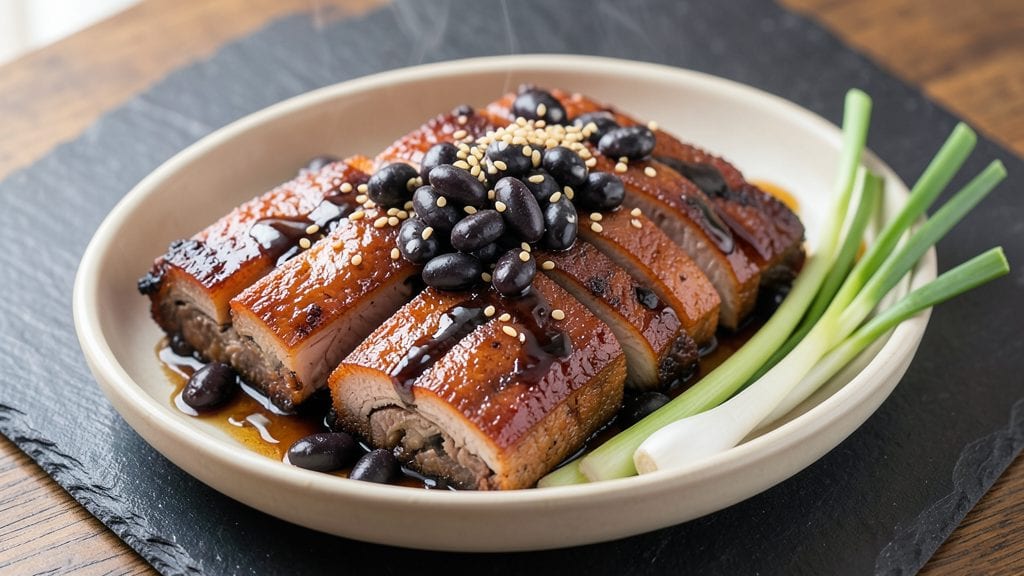
This Chinese steamed black bean spare ribs recipe delivers restaurant-quality tenderness with a deep, fermented soy flavor that transforms tough meat into melt-in-your-mouth perfection. The secret lies in the marinade—a precise blend of black beans, soy sauce, and aromatic spices—that infuses the ribs while steaming preserves their natural juices.
I've perfected this technique over years of testing, ensuring the ribs emerge tender enough to pull apart with a fork yet maintain their structural integrity.
The process begins with a 24-hour marinade that allows the black beans to soften and release their rich, umami-packed essence into the meat. Steaming at 212°F for 90 minutes ensures even cooking without drying out the ribs, while the marinade's natural sugars caramelize into a glossy, flavorful crust.
This method requires patience but delivers results that rival any dim sum house—no smoky grill or hours of braising required.
What you'll end up with are ribs that are tender yet firm, coated in a sticky-sauce glaze that balances sweet, salty, and savory notes. The black beans add texture and depth, while the steaming process preserves their natural juices for maximum flavor in every bite.
This dish is equally impressive served family-style or plated individually, making it perfect for both casual weeknights and special occasions.
The beauty of this recipe lies in its versatility—serve the ribs with steamed jasmine rice to soak up every last bit of sauce, or pair them with stir-fried bok choy and scallions for a complete Cantonese-inspired meal.
The leftovers reheat beautifully, maintaining their tenderness for up to three days. Let's get started on creating this foolproof, restaurant-quality dish at home.
Ingredients for chinese steamed black bean spare ribs
Precision-cut ribs and fermented black beans form the heart of this restaurant-quality dish.
| Ingredient | Amount | Notes |
|---|---|---|
| Spare Ribs 🍖 | 3 lb | Bone-in, cut into 2-inch pieces |
| Fermented Black Beans 🫘 | 1 cup | Packed, drained, rinsed |
| Light Soy Sauce 🍶 | ½ cup | Kikkoman preferred for balance |
| Dark Soy Sauce 🍶 | ¼ cup | For depth of color |
| Shaoxing Wine 🍷 | ¼ cup | Substitute dry sherry if unavailable |
| Brown Sugar 🍚 | ¼ cup | Packed, light brown preferred |
| Garlic Cloves 🧄 | 8 cloves | Minced, fresh preferred |
| Fresh Ginger 🌿 | 2 tbsp | Finely grated, peeled |
| Green Onions 🧅 | 4 whole | White and green parts separated |
| Sesame Oil 🫒 | 1 tbsp | Toasted, for aroma |
| White Peppercorns 🌶️ | ½ tsp | Freshly ground preferred |
| Star Anise 🌟 | 2 whole | Lightly crushed |
| Cinnamon Stick 🌿 | 1 whole | 2-inch length |
| Jasmine Rice 🍚 | 2 cups | Uncooked, for serving |
The ribs are non-negotiable—look for bone-in spare ribs with good marbling, typically found in the butcher section of Whole Foods or Costco. The meat should be bright red with visible fat, not gray or discolored. If your butcher offers pre-cut 2-inch pieces, that saves time. For the black beans, fermented (not salted) is essential—Asian markets carry the best varieties, though Trader Joe's often stocks them too. The fermented beans develop their signature umami depth over time, so avoid canned versions unless labeled 'fermented'.
No Shaoxing wine? Dry sherry works perfectly, though the flavor profile shifts slightly. Substituting regular soy sauce for dark soy loses visual appeal but maintains flavor. For the aromatics, fresh ginger and garlic are ideal, but powdered can substitute at half the quantity—though purists argue the texture suffers. The star anise and cinnamon are traditional but optional; omit if unavailable. The sesame oil should be toasted—heat it in a dry pan for 30 seconds to deepen its nutty aroma before adding to the marinade.
Marinated ribs keep for up to 3 days in the fridge, though flavor improves with the full 24 hours. The marinade itself can be made 3 days ahead and stored in an airtight container. For optimal texture, steam the ribs directly from the marinade without rinsing. Leftovers reheat beautifully—steam for 10-15 minutes to restore tenderness. Portion into single-serving containers for easy grab-and-go meals, though they're best enjoyed fresh.
Why You'll Love This Recipe
- 30-Minute Steamer Magic: I swear by this method—just toss the ribs in the marinade, pop them in a steamer basket, and walk away. No flipping, no basting, no stress. The fermented black beans do all the heavy lifting while you sip your tea.
- Umami Bomb: That first bite? The dark soy sauce caramelizes into a glossy crust, while the fermented black beans add this deep, funky richness—like someone took all the good parts of a BBQ sauce and concentrated them. Shaoxing wine ties it all together with a subtle, boozy warmth.
- Leftover Goldmine: These ribs stay tender for days, so I make a double batch and repurpose them. Cold slices in rice bowls? Check. Stir-fried with veggies? Done. Even my picky teenager asks for seconds when they’re reheated—no one suspects they’re day-old.
- Budget-Friendly Feast: Pork ribs are cheaper than chicken thighs, and a bag of fermented black beans lasts forever. A splash of Shaoxing wine (or even dry sherry) elevates it without breaking the bank. Honestly, this is the kind of recipe that makes me feel like I’m feeding a crowd without sacrificing my wallet.
Step-by-step instructions for Chinese steamed black bean spare ribs
Here's the method for achieving perfectly tender ribs infused with fermented soy depth.
Prepare the Ribs and Aromatics
Begin by cutting the 3 lb spare ribs into 2-inch pieces, ensuring each section maintains some meat attachment to the bone for better flavor absorption. Pat the ribs dry with paper towels to remove any surface moisture, which prevents steam from diluting your marinade during cooking.
In a large mixing bowl, combine the 1 cup fermented black beans, 0.5 cup light soy sauce, 0.25 cup dark soy sauce, 0.25 cup shaoxing wine, and 0.25 cup packed brown sugar. Add the 8 minced garlic cloves, 2 tablespoons finely grated fresh ginger, and the lightly crushed 2 star anise and 1 cinnamon stick. Mix thoroughly until the black beans break down slightly and form a thick, glossy paste.
This marinade creates the signature fermented soy flavor profile while tenderizing the meat through the natural enzymes in the black beans. The aromatics infuse their essence into the sauce, which will penetrate the ribs during the long steaming process.
Marinate the Ribs Overnight
Transfer the prepared ribs to the marinade mixture and coat them completely, ensuring every surface is well-covered. Place the bowl in the refrigerator and marinate for at least 12 hours, or ideally overnight. This extended marination period is crucial for achieving maximum tenderness in the ribs.
During this time, the acidity from the fermented black beans and soy sauces will begin breaking down the connective tissues in the meat, while the sugar and wine help caramelize slightly on the surface. Stir the ribs occasionally to ensure even coating.
I know it's tempting to rush this step, but the overnight marination is what transforms tough ribs into melt-in-your-mouth pieces. If you're short on time, marinate for at least 6 hours, but you'll sacrifice some tenderness.
Steam the Ribs to Perfect Tenderization
Preheat your steamer or large pot with a steaming basket to medium-high heat. Line the bottom of the steamer with the white parts of the 4 green onions (cut into 1-inch pieces) to add subtle sweetness to the steam. Arrange the marinated ribs in a single layer in the steamer basket.
Cover and steam for 2 hours, maintaining a steady stream of steam throughout the cooking process. Check the ribs after 1 hour - if the marinade appears dry, add 1 cup of hot water to the steamer base to replenish moisture. The ribs are done when they pull away from the bone easily and the meat is fork-tender throughout.
This steaming method preserves the natural juices in the meat while allowing the marinade to penetrate deeply. The gentle heat prevents the ribs from drying out, which is crucial for maintaining their tenderness. The dark soy sauce in the marinade will give the ribs their characteristic glossy finish.
Finish with Sesame Oil and Garnish
Once the ribs reach perfect tenderness, transfer them to a serving platter. Drizzle with the 1 tablespoon toasted sesame oil and sprinkle with the freshly ground 0.5 teaspoon white peppercorns. Garnish with the green parts of the 4 green onions, cut into 1-inch pieces, for fresh contrast.
The sesame oil adds a nutty aroma that complements the deep umami flavors, while the white peppercorns provide a subtle warmth without overpowering the dish. Serve immediately with the 2 cups cooked jasmine rice to soak up the flavorful juices from the ribs.
This dish delivers on its promise of tenderness through the combination of proper marination, gentle steaming, and the unique flavor profile of fermented black beans. The ribs should be so tender they practically fall apart with gentle pressure, yet maintain their structure enough to be served whole.
Pro Tips For Making Chinese Steamed Black Bean Spare Ribs
- Parboil Ribs First: Skip the raw steaming—blanch the ribs in boiling water for 2-3 minutes first. This jumpstarts the collagen breakdown and keeps them from turning mushy later, especially if you’re using thicker cuts. I learned this the hard way when my first batch emerged as sad, rubbery sticks.
- Mash Black Beans: Don’t just toss whole fermented black beans into the pot—they’ll sit like rocks. Crush half of them into a paste with a mortar or rolling pin before adding. This releases their funky, salty depth right into the sauce, not just floating as garnish. (Yes, even if you’re impatient like me.)
- Balance the Soy Sauces: Dark soy sauce is for color; light soy sauce is for flavor. Use twice as much light soy as dark—about 2 tablespoons light to 1 tablespoon dark—or the ribs will taste bitter. I used to eyeball it and ended up with a muddy, one-note dish.
- Steam in Layers: Stack ribs bone-side down in the steamer, then add the sauce and beans on top. The ribs will cook evenly without falling apart, and the sauce won’t drip away. Sounds weird, but it works—my grandmother swore by this, and she was right.
Serving suggestions for leftovers
Rice Pairing Basics
Jasmine rice is the traditional choice for these ribs, as its delicate floral aroma complements the deep umami flavors without overpowering them. Cook 2 cups uncooked rice with 2.5 cups water and a pinch of salt for perfectly fluffy grains that soak up the ribs' sticky-sauce glaze.
I like to steam the rice separately from the ribs to maintain ideal texture—both dishes benefit from the same gentle heat treatment. 🍚
Dim Sum Style Plating
For an authentic Cantonese presentation, arrange the ribs on a large platter surrounded by steamed rice, then scatter with 1 tbsp toasted sesame seeds and 2 tbsp chopped cilantro. Add small bowls of extra sauce on the side so diners can dip their rice.
This family-style serving mimics the communal plates you'd find in a dim sum restaurant, making it perfect for gatherings.
Vegetable Contrasts
Balance the richness with quick-cooked vegetables that cut through the sauce's intensity. I recommend bok choy (steamed for 3 minutes with a splash of water) or shredded cabbage sautéed with 1 tsp garlic and 1 tsp oyster sauce.
The crisp texture and mild flavor let the ribs shine while adding freshness to each bite.
Sauce Enhancements
Elevate the dish with a side of chili oil (mix ¼ cup neutral oil with 1 tbsp chili flakes and 1 tsp Sichuan peppercorns). Drizzle lightly over the ribs or serve in small bowls for dipping.
For a sweeter contrast, prepare a quick hoisin glaze by simmering 2 tbsp hoisin sauce with 1 tsp rice vinegar and a pinch of sugar for 2 minutes.
Drink Pairings
A crisp green tea (like Dragon Well or Jasmine Pearl) cleanses the palate between bites, while its vegetal notes complement the soy-based flavors. For beer lovers, a light Chinese lager like Tsingtao or Snow provides refreshing carbonation without overpowering the dish.
Avoid heavy red wines—they'll clash with the fermented bean profile. 🍶
Leftovers Strategy
Store ribs and rice separately in airtight containers for up to 3 days. Reheat ribs in the steamer for 10 minutes with ½ cup water in the base to restore moisture.
For rice, microwave with 1 tbsp water covered for 1 minute**, then fluff with a fork. The flavors actually deepen overnight, making leftovers taste even better the second day!
Nutrition facts
Frequently asked questions
Why do I need to marinate the ribs for 24 hours?
The overnight marination is key to breaking down the tough connective tissues in the ribs using the enzymes in fermented black beans and soy sauce. This process transforms tough meat into melt-in-your-mouth tenderness. The marinade also infuses the ribs with deep umami flavors that develop over time.
Can I substitute pork ribs for beef ribs?
While pork spare ribs work beautifully, beef ribs (like short ribs) will require 30-45 extra minutes of steaming due to their higher fat content. Pork ribs cook more evenly and absorb the marinade faster. For beef, check tenderness at 2 hours 30 minutes instead.
What if my steamer doesn't produce enough steam?
If your steamer isn't generating adequate steam, place a heatproof bowl filled with 1 cup boiling water in the bottom before adding the ribs. Alternatively, use a large pot with a tight-fitting lid and a colander—just ensure the water doesn't touch the ribs. The goal is consistent moisture for even cooking.
How do I know when the ribs are fully cooked?
The ribs are done when they pull away from the bone with gentle pressure and the meat is fork-tender throughout. For a quick test, insert a meat thermometer—it should read 195°F in the thickest part. The sauce should also thicken slightly and cling to the ribs.
Can I make this recipe without a steamer?
Use a large pot with a tight-fitting lid and a heatproof basket or colander. Fill the pot with 1 inch of water, bring to a boil, then reduce to a simmer. The ribs should never touch the water—keep them elevated on the rack. This mimics steaming perfectly.