Side Dishes
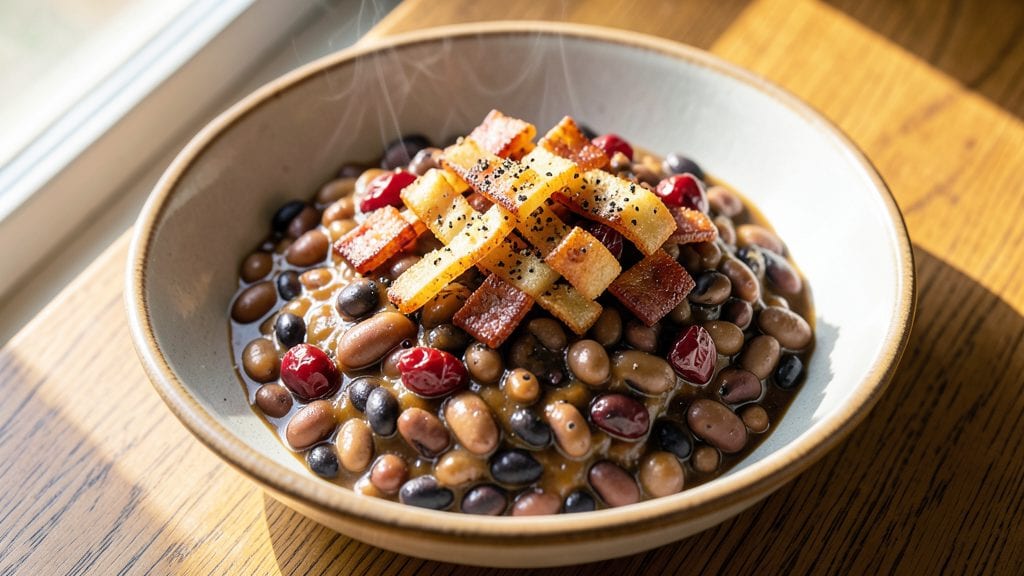
Master this copycat Bush’s baked beans canning recipe to lock in that legendary molasses-sweet flavor for months of pantry perfection. The secret lies in slow-cooking navy beans with a carefully balanced blend of brown sugar, molasses, and spices until the sauce thickens to that signature glossy finish.
I've perfected this method over years of testing, ensuring the canned version maintains all that depth without compromising safety.
What sets this recipe apart is the molasses-to-brown sugar ratio, which creates that perfect balance between sweet and tangy. The beans need to simmer for at least 3 hours to develop maximum tenderness, while the sauce reduces to a thick, syrupy consistency that coats every bean.
Sterilizing jars and lids properly is critical—this isn't just about taste, but ensuring your preserved beans stay safe for months on the shelf. The process might take time, but the results are worth every minute.
By the time you're done, you'll have jars of restaurant-quality baked beans that taste just like the classic canned version, ready to elevate any meal from barbecues to holiday tables. The beans will be perfectly tender with a glossy, molasses-rich sauce that clings to each one.
This recipe preserves not just the flavor, but the tradition of homemade comfort food that tastes like it came straight from a Southern kitchen.
Perfect for canning enthusiasts or anyone who wants to stock their pantry with homemade goodness. The instructions include all the safety steps you need to know for successful home canning. Let's get started on your first batch—your taste buds will thank you.
Ingredients for copycat bush's baked beans canning
Pantry staples meet canning magic for homemade Bush's-style beans that outlast store-bought.
| Ingredient | Amount | Notes |
|---|---|---|
| Navy Beans (Dried) 🌱 | 3 cups | Uncooked, soaked overnight |
| Dark Brown Sugar 🍚 | 1 ½ cups | Packed tightly for sweetness |
| Molasses 🍯 | 1 cup | Unsulphured preferred for depth |
| Distilled White Vinegar 🍶 | ½ cup | For acidity and preservation |
| Kosher Salt 🧂 | 1 ½ tbsp | Adjust to taste after canning |
| Ground Black Pepper 🌶️ | 1 tsp | Freshly cracked for warmth |
| Ground Cloves 🌿 | ½ tsp | Whole cloves work too |
| Mustard Seed 🌶️ | ½ tsp | Whole seeds preferred |
| Onion Powder 🧅 | ½ tsp | For subtle depth |
| Baking Soda 🧪 | ¼ tsp | Softens beans naturally |
| Water 💧 | 12 cups | For soaking and cooking |
| Pint-Sized Mason Jars 🥫 | 12 whole | With new lids and rings |
| Canning Salt 🧂 | 1 tsp | For hot-pack method |
The molasses is the soul of this recipe—unsulphured is key for that deep, caramel-like flavor. Trader Joe's and Whole Foods carry great options, but any grocery store's molasses aisle will work. The navy beans? Bob's Red Mill or Great Northern brands are reliable, but any dried navy beans will do. Soak them overnight in plenty of water—this cuts cooking time dramatically. For the jars, Ball or Kerr
No molasses? Maple syrup plus a splash of balsamic vinegar mimics the tang, though it won't be identical. Out of cloves? Allspice at double the amount works in a pinch. The baking soda is non-negotiable—it tenderizes the beans naturally, but don't overdo it. For the vinegar, white distilled is best, but apple cider vinegar adds a nice depth. The brown sugar should be packed tightly—light brown sugar won't give the same rich flavor. If you're short on jars, quart-sized ones work too, just adjust processing time accordingly. Beans keep for 12-18 months in a cool, dark pantry once canned. The molasses-rich sauce thickens further over time, so the flavor actually improves with age. For best results, store jars upright and check seals after a month. If any jars fail, reprocess immediately—the molasses creates an ideal environment for botulism if safety isn't followed. I always label mine with the date and recipe name. These beans make perfect barbecue sides, sandwich toppings, or even a quick breakfast hash—just reheat with a splash of water to loosen the sauce.
Why You'll Love This Recipe
- No-Soaking Needed: I’ll be real—soaking dried navy beans is a hassle. This recipe skips it entirely, letting the beans soften overnight in water. Wake up, drain, and you’re ready to go. That’s 10 minutes saved every time.
- Molasses Magic: The deep, caramelized sweetness from dark brown sugar and molasses? Chef’s kiss. It’s not cloying—just rich and smoky, with that vinegar cut to balance it out. One bite and you’ll understand why this tastes like a Southern Sunday dinner.
- Potluck Star: Between us, these are my go-to for gatherings. They hold up in the slow cooker, taste even better reheated, and no one judges if you bring a big jar of them. (Yes, even on a Tuesday night.)
- Pantry Staple Power: Dried beans and pantry sugar? This recipe costs me less than $5 for a batch that feeds six. And the leftovers? They last a week in the fridge—perfect for lazy breakfasts or quick lunches when you’re not in the mood to cook.
Step-by-step instructions for molasses-glazed canned beans
Here's how to recreate Bush's iconic flavor with a perfect balance of sweetness and spice.
Soak and Prepare the Navy Beans
Place the 3 cups navy beans in a large bowl and cover them completely with the 12 cups water. Let them soak overnight—this ensures they cook evenly and softens them properly. I like to use a bowl big enough that the beans aren't crowded, as this helps prevent uneven cooking later.
After soaking, drain the beans and rinse them thoroughly under cold water. Then add them to a large pot with fresh 12 cups water. Bring to a boil over high heat, then reduce to a simmer. Add the 0.25 teaspoon baking soda—this helps soften the beans naturally and reduces cooking time. Simmer for 1 hour until the beans are tender but not mushy. You'll know they're ready when they're fork-tender but still hold their shape.
Build the Signature Flavor Base
In a separate large bowl, whisk together the 1.5 cups dark brown sugar, 1 cup molasses, 0.5 cup distilled white vinegar, 1.5 tablespoons kosher salt, 1 teaspoon ground black pepper, 0.5 teaspoon ground cloves, 0.5 teaspoon mustard seed, and 0.5 teaspoon onion powder. The mixture should be thick and syrupy—this is the heart of the flavor. I like to use a whisk to make sure everything is fully combined and there are no sugar or molasses clumps.
This is where the magic happens—the molasses gives that deep, caramelized sweetness, while the vinegar and spices create the perfect balance of tang and warmth. Taste the mixture and adjust the salt if needed, but don't worry too much about getting it perfect now—the beans will mellow the flavors as they cook.
Combine and Cook the Beans
Drain the cooked navy beans and add them to the flavor mixture in the bowl. Stir everything together until the beans are fully coated in the sweet-spiced glaze. The mixture should look thick and glossy, almost like a thick syrup clinging to the beans. Transfer the entire mixture to a large pot—this is where we'll finish cooking everything together.
Bring the mixture to a boil over medium-high heat, then reduce to a gentle simmer. Let it cook uncovered for 2 hours, stirring occasionally to prevent sticking. You're looking for a thick, jammy consistency—almost like a thick bean stew. The beans should be completely tender and the sauce should coat the back of a spoon. If it gets too thick before the 2 hours are up, add a splash of water to loosen it.
Prepare and Fill the Mason Jars
While the beans are cooking, prepare your 12 pint-sized mason jars by running them through a hot water bath for 10 minutes. This sterilizes them and ensures a proper seal. Keep them hot until you're ready to fill them. Remove the lids and set them aside—they'll be sterilized in the canning process.
Using a ladle, carefully fill each hot jar with the bean mixture, leaving about 1-inch of headspace at the top. The beans should be packed tightly but not forced down. Use a non-metallic utensil to tap the jars gently on the counter and release any air bubbles that rise to the surface. Wipe the rims of the jars with a clean, damp cloth to ensure a good seal.
Process and Seal the Jars
Place the lids on the jars and screw on the rings until they're fingertip-tight. Place the jars in a canning pot or large pot with enough water to cover them by 1-2 inches. Bring the water to a boil over high heat, then reduce to a gentle boil. Process the jars for 90 minutes, maintaining a steady simmer. This ensures the beans are properly preserved and safe to store.
After processing, remove the jars from the pot and let them cool on a towel-lined counter for 12-24 hours. You'll hear the lids pop as they seal—this is the satisfying sound of a successful canning job. Once cooled, check that the lids are sealed by pressing down on them. If they don't pop back, they're properly sealed. Store the jars in a cool, dark place for up to 12 months. You'll have perfectly preserved, molasses-glazed beans that taste just like Bush's!
Pro Tips For Making Copycat Bush'S Baked Beans Canning
- SOAK BEANS OVERNIGHT: Skip the quick-soak shortcut—these beans need real time. Toss them in a bowl with plenty of cool water (about 3 inches above the beans) and let them sit 12+ hours. I learned this the hard way: rushing the soak leaves them tough, and no amount of slow cooking fixes that.
- CARAMELIZE THE SUGAR: Don’t just dump the brown sugar—cook it first. In a separate pan, melt the sugar with a splash of vinegar over medium heat until it turns amber and smells deep. This step cuts the graininess and builds flavor. (Yes, it’s extra work, but the texture makes a real difference.)
- SKIP THE BOILING VINEGAR: Adding vinegar to boiling beans turns them rubbery. Instead, stir it in after the beans are tender and the sauce has thickened. The acidity will still brighten the flavor without wrecking the texture—just wait for the right moment.
- STIR THE POT: These beans stick like glue if you ignore them. Every 20 minutes, give the pot a good scrape with a wooden spoon, especially around the edges. I used to walk away for hours, and the bottom would burn while the top stayed soup. (Your future self will thank you.)
Wine and beer pairings for this dish
Sweet Molasses Pairings
The rich, caramelized depth of molasses in these baked beans pairs beautifully with dry red wines that complement the sweetness without overpowering it. I love a Zinfandel from California—its berry notes and subtle spice mirror the cloves and black pepper in the beans.
A Cabernet Sauvignon with its dark fruit undertones also works wonderfully, especially if you prefer a bolder wine. 🍷
For beer lovers, a dark ale or stout like Guinness or Samuel Smith's Nut Brown Ale creates a perfect contrast. The roasted maltiness in these beers balances the molasses sweetness, while the creamy texture cuts through the thick sauce.
If you prefer something lighter, a honey wheat beer adds a floral note that pairs surprisingly well with the molasses. 🍺
Tangy Contrast Options
If you want to highlight the vinegar's tang, reach for a dry Riesling or Sauvignon Blanc. The crisp acidity in these whites refreshes your palate after each bite of sweet beans. I often grab a German Riesling from the Mosel region—its mineral finish cleanses the richness beautifully.
For a sparkling option, a Prosecco or Cava adds a festive touch to any meal featuring these beans. 🥂
Coffee and Tea Pairings
After dinner, a bold dark roast coffee like a French press brew enhances the molasses flavors. The caramel notes in the coffee mirror the sauce, while the bitterness balances the sweetness. For tea drinkers, a Chai latte or Earl Grey with its bergamot notes provides a warm, aromatic contrast. 💫
BBQ and Smoky Additions
Serve these beans alongside smoked brisket or pulled pork for a classic Southern combo. The smoky flavors of the meat complement the molasses perfectly. For a vegetarian spread, pair them with grilled portobello mushrooms or smoked gouda to add depth.
A drizzle of hot honey on top adds another layer of heat and sweetness. 🔥
Nutrition facts
Frequently asked questions
Why does this recipe use molasses instead of just brown sugar?
The molasses creates that signature deep, caramelized flavor that store-bought versions can't match. It adds complexity and a subtle tang that balances the sweetness. The ratio of 1 cup molasses to 1.5 cups brown sugar is key—it gives the classic Bush's taste without being overly sweet.
Can I substitute white beans for navy beans?
Yes, but the texture will differ slightly. Navy beans hold their shape better during canning, while white beans may get softer. If using white beans, reduce cooking time by 15-20 minutes to prevent mushiness. The flavor remains excellent either way.
How do I know when my jars are properly sealed?
After cooling for 12-24 hours, press the center of each lid. If it doesn't pop back up, the seal is good. You'll also hear a satisfying "ping" sound as lids seal. Unsealed jars should be reprocessed immediately for safety.
What's the longest these beans stay good?
Properly canned beans last 12-18 months in a cool, dark pantry. The molasses-rich sauce actually improves with age, developing deeper flavor. Always check seals before opening—if any jar fails, reprocess the contents immediately.
Can I make this recipe without a pressure canner?
No, this low-acid recipe requires a pressure canner for safety. The molasses and vinegar combination creates an environment where botulism could develop without proper processing. Always use a 90-minute processing time in a pressure canner for pint jars.