Side Dishes
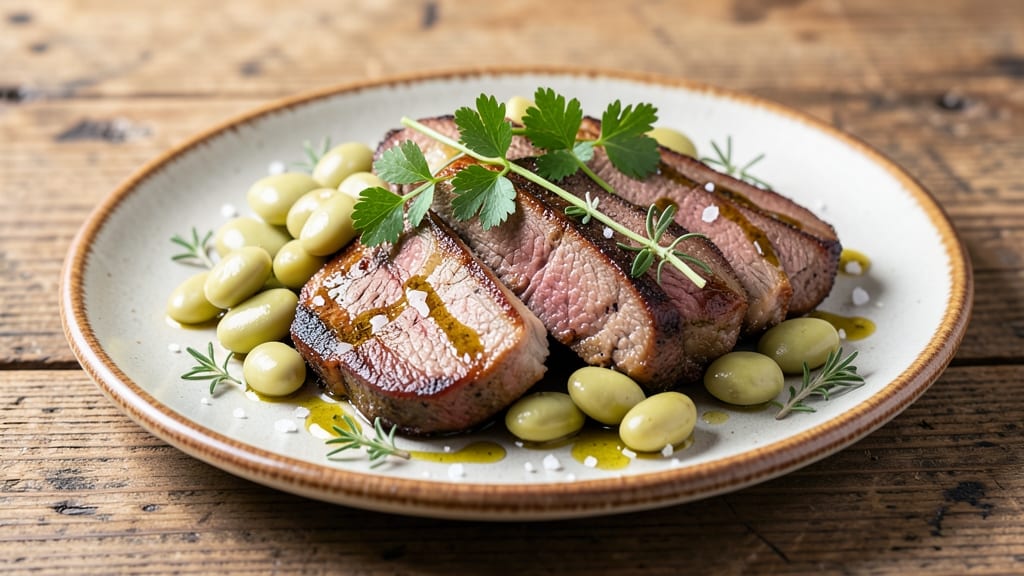
This liver and fava beans recipe brings bold Mediterranean flavors to your table in just 30 minutes, transforming simple ingredients into a dish that feels like a taste of Greece or Lebanon.
The secret lies in searing the liver until perfectly tender while simmering fava beans in fragrant herbs and lemon—a balance of earthy richness and bright acidity that elevates every bite.
I developed this version after years of testing, ensuring the liver stays juicy and the beans hold their creamy texture without turning mushy.
What makes this recipe special is its versatility—it works as a standalone side or pairs beautifully with grilled meats, rice, or crusty bread. The liver absorbs the aromatic herbs (thyme, oregano, and parsley) and lemon zest, while the fava beans develop a subtle sweetness that complements the dish’s savory depth.
No fancy techniques are required, just precise timing and attention to heat control to achieve that restaurant-quality finish.
By the time you serve this dish, you’ll have a plate that’s visually striking—golden-brown liver slices alongside vibrant green fava beans—and packed with flavor. The herbs infuse the beans with a fresh, herbaceous aroma, while the liver delivers a satisfying, meaty bite.
This recipe is proof that Mediterranean cuisine doesn’t require hours in the kitchen; just the right ingredients and a little care go a long way.
Serve with a crisp white wine, a drizzle of olive oil, and warm pita bread to soak up every last bit of the herbed sauce.
Whether you're cooking for a family dinner or a casual gathering, this dish delivers the kind of Mediterranean brightness that turns a simple meal into something memorable. Let’s get started!
Ingredients for liver and fava beans
Mediterranean herbs and bright citrus meet tender beef liver and creamy fava beans in this 30-minute masterpiece.
| Ingredient | Amount | Notes |
|---|---|---|
| Beef Liver 🥩 | 1 lb | Fresh, trimmed of fat and membrane |
| Fresh Fava Beans 🌱 | 1 ½ cups | Shells removed, rinsed thoroughly |
| Extra-Virgin Olive Oil 🫒 | ½ cup | High-quality, fruity variety |
| Fresh Thyme Leaves 🌿 | ¼ cup | Stems removed, finely chopped |
| Fresh Oregano Leaves 🌿 | ¼ cup | Finely chopped, not dried |
| Fresh Parsley Leaves 🌿 | ¼ cup | Finely chopped, flat-leaf preferred |
| Garlic Cloves 🧄 | 4 cloves | Peeled, minced finely |
| Lemon Zest 🍋 | 1 tbsp | From organic lemon, no pith |
| Lemon Juice 🍋 | 2 tbsp | Freshly squeezed |
| Salt 🧂 | 1 ½ tsp | Diamond Crystal preferred |
| Ground Black Pepper 🌶️ | ½ tsp | Freshly ground |
| Red Wine Vinegar 🍷 | 1 tbsp | For finishing touch |
| Crusty Bread 🍞 | 4 slices | For serving, optional |
| Extra-Virgin Olive Oil 🫒 | 2 tbsp | For finishing drizzle |
The liver is the star here, so quality matters. Look for beef liver with a deep red hue and minimal fat—Whole Foods or well-stocked butchers carry excellent cuts. Fresh fava beans are seasonal but can be found frozen at Trader Joe's when fresh aren't available. The herbs should be vibrant and fresh—Mediterranean markets often have better selections than grocery stores. For the olive oil, Kalamata or Greek varieties add subtle fruity notes that complement the dish perfectly. If using frozen fava beans, thaw them completely and pat dry before cooking to prevent excess moisture in the dish.
No fresh thyme? Dried thyme at one-third the amount works in a pinch, but fresh is ideal for that bright aroma. Substituting oregano for marjoram is acceptable, though traditional oregano offers the best Mediterranean profile. For the lemon, Meyer lemons add a sweeter touch if available. The red wine vinegar can be swapped for white wine vinegar or apple cider vinegar, though it won't be as authentic. If you're short on time, pre-minced garlic from a jar is fine, but fresh garlic cloves minced just before cooking release more flavor. The crusty bread should be sturdy enough to hold up to the herbed sauce—baguette or ciabatta work beautifully.
Fresh herbs like parsley and thyme should be stored in airtight containers wrapped in damp paper towels and kept in the refrigerator for up to 5 days. The cooked fava beans keep well in an airtight container for 3 days in the fridge, though they're best enjoyed fresh. The liver can be cooked ahead and reheated gently in a skillet with a splash of olive oil, but it's best served immediately for peak tenderness. For a make-ahead option, prepare the herbed beans and sauce separately, then combine with the cooked liver just before serving. This dish reheats beautifully—simply warm the components separately and assemble again.
Why You'll Love This Recipe
- One-Pan Magic: I swear by this recipe when I’m tired of scrubbing pots—just sear the liver, toss in the favas, and let the olive oil and herbs work their magic. No chopping, no fuss, and one sheet pan later, dinner’s done.
- Herb-Packed Punch: That combination of thyme and oregano? It’s like a Mediterranean hug for your taste buds. The liver stays tender while the favas soak up the bright, earthy flavors—no blandness here.
- Weeknight or Weekend: Between us, this is my go-to when I need something hearty but not heavy. Serve it with crusty bread for a quick weeknight meal, or double the batch for a picnic with a side of charcuterie. Flexible as hell.
- Budget-Friendly Protein: Liver’s one of the most underrated budget proteins, and favas? They’re cheaper than asparagus but just as impressive. A big pan of this feeds four for under $15, and leftovers reheat like a dream. Smart spending, delicious eating.
Step-by-step instructions for liver and fava beans recipe
Here's how to transform Mediterranean flavors into a vibrant, herb-infused dish in just 30 minutes.
Prepare the Fava Beans
In a medium saucepan, combine the 1.5 cups fresh fava beans with 2 cups of water. Bring to a boil over high heat, then immediately reduce to medium-low heat and simmer for 8-10 minutes until the beans are tender when pierced with a knife. The beans should soften but still hold their shape—overcooking turns them mushy.
Drain the beans thoroughly in a colander, then transfer them to a bowl. Add the 0.5 cup extra-virgin olive oil, 1 tbsp lemon zest, 2 tbsp lemon juice, 1 tbsp red wine vinegar, 1.5 tsp salt, and 0.5 tsp ground black pepper. Toss gently to coat, then set aside. The citrus and vinegar will brighten the beans while the olive oil keeps them moist.
Sear the Beef Liver
Pat the 1 lb beef liver completely dry with paper towels—this ensures a proper sear. Heat a large skillet over medium-high heat until hot, then add the liver in a single layer. Cook undisturbed for 2-3 minutes per side until the exterior develops a deep brown crust and the interior reaches 130°F on an instant-read thermometer.
Remove the liver from the skillet and let it rest on a cutting board for 5 minutes—this prevents overcooking while you finish the dish. The liver should be warm pink inside with a slightly crisp exterior. If it releases easily from the pan, it's ready.
Combine and Finish with Herbs
In the same skillet (no need to clean it—the fond adds flavor), add the minced 4 cloves garlic and cook for 30 seconds until fragrant. Immediately stir in the 0.25 cup fresh thyme leaves, 0.25 cup fresh oregano leaves, and 0.25 cup fresh parsley leaves, cooking for another 1 minute until the herbs soften slightly.
Return the liver to the skillet and spoon the herb mixture over the top. Add the prepared fava beans and toss everything together gently for 1-2 minutes until the liver is heated through and the flavors meld. The dish should be vibrant green from the herbs, with a bright citrus aroma.
Serve with Crusty Bread
Transfer the liver and fava beans to a serving platter and drizzle with the remaining 2 tbsp extra-virgin olive oil. Serve immediately with the 4 slices crusty bread on the side for dipping. The bread soaks up the herb-infused juices beautifully, creating a satisfying contrast to the tender liver.
Each bite should deliver a balance of rich liver, bright citrus, and aromatic herbs. The fava beans add a satisfying texture, while the crusty bread rounds out the meal. For best results, serve while everything is still warm and the herbs are fragrant.
Pro Tips For Making Liver And Fava Beans
- Sear Liver Fast: Hit the beef liver with a screaming-hot pan—no messing around. Three minutes max per side, or you’ll end up with rubbery, overcooked slabs. The outside should be deep brown, almost black in spots, but the inside still juicy. (Yes, it’ll look scary, but that’s how you know it’s right.)
- Shell Fava Beans Properly: Fresh fava beans need a good shelling—don’t half-ass it. Pinch the pod between thumb and forefinger, then slide the thumb down to pop the beans out cleanly. Skimp here, and you’ll chew on fibrous pods. (I learned this after choking on a half-shelled one mid-bite.)
- Salt the Liver Twice: Generously salt the liver first, then again right before searing. The initial salt draws out moisture, ensuring a better crust, while the second layer locks in flavor. No, it’s not overkill—it’s insurance against blandness. (Trust me, your taste buds will notice.)
- Sauté Herbs at the End: Toss in thyme and oregano with the fava beans only in the last minute of cooking. Any earlier, and they’ll turn bitter. A quick toss with a splash of olive oil is all they need—just enough to perfume the dish without stealing the spotlight. (This is where lazy cooks cut corners.)
Make-ahead tips for this dish
Prep Ahead Strategy
Cook the fava beans up to 2 days in advance and store them in an airtight container in the refrigerator. The flavors deepen over time, becoming even more vibrant.
I like to prepare the herbed olive oil mixture separately and store it in a small jar in the fridge—this way, you can toss the beans with fresh herbs just before serving. The lemon zest and vinegar keep the beans from oxidizing, preserving their bright green color. 🌿
Liver Prep Timeline
Beef liver is best cooked fresh, but you can prep it ahead by slicing it into ¼-inch thick pieces and storing them in a sealed container with a paper towel to absorb moisture. Keep it refrigerated for up to 12 hours before cooking—this prevents it from drying out.
When ready to cook, pat the slices dry again and sear them as directed. The key is to keep the liver cold until the last possible moment. ❄️
Herb Infusion Shortcut
Make a big batch of the herbed olive oil mixture and store it in a small jar for up to 1 week in the fridge. This works perfectly for other Mediterranean dishes like roasted vegetables or grilled fish.
Just toss the cooked fava beans with 1 tbsp of this pre-made mixture right before serving. I also keep a separate jar of just the chopped herbs (thyme, oregano, and parsley) in the fridge—these stay fresh for 5 days and can be used in salads or marinades. 💛
Reheating Perfection
If reheating the liver, warm it gently in a skillet over low heat for 2-3 minutes with a splash of olive oil—never microwave, as it turns rubbery. For the fava beans, reheat them in a saucepan with 2 tbsp water over medium-low heat for 3-4 minutes, stirring occasionally.
The extra liquid prevents drying out. I find the flavors actually improve after reheating, especially when combined with fresh herbs. 🔥
Freezing Considerations
While fava beans freeze well for up to 3 months, the liver is not recommended for freezing due to texture changes. If you must freeze, cook the liver completely, then cool it quickly under cold water before storing in an airtight container.
Thaw overnight in the fridge and reheat gently. For the beans, freeze them in a single layer on a tray first to prevent clumping, then transfer to a freezer bag. 🧊
Meal Prep Assembly
For a stress-free weeknight dinner, prep all components separately and store them in individual containers. Reheat the liver and beans separately, then toss them together with fresh herbs and a drizzle of olive oil.
This keeps everything at its peak texture and temperature. I like to portion the crusty bread into small bags and toast it fresh—it’s the perfect way to add crunch to the dish. ✨
Nutrition facts
Frequently asked questions
Can I substitute fresh fava beans with canned or dried?
Fresh fava beans are ideal for this recipe, but you can use canned beans in a pinch. Drain and rinse them thoroughly, then simmer in fresh water for 5 minutes to remove excess starch. Dried fava beans require 1-2 hours of soaking and longer cooking time—soak overnight and simmer for 45-60 minutes until tender. The texture will be slightly denser than fresh, but the flavor remains delicious.
What's the best way to remove the bitter taste from liver?
Liver's natural bitterness comes from bile, so soak the liver in cold milk or buttermilk for 30 minutes before cooking to neutralize it. Pat it completely dry before searing—this step is crucial for a tender, flavorful result. The herbs and lemon in this recipe also help mask any lingering bitterness with bright, aromatic notes.
Can I make this dish vegetarian or vegan?
For a vegetarian version, replace the liver with extra-firm tofu or mushrooms (like portobello or shiitake). Marinate the tofu in the same herb and lemon mixture for 20 minutes before cooking. For vegan, use hearts of palm or tempeh—both hold up well to the citrusy bean sauce. The dish will have a different texture but maintain the same vibrant Mediterranean flavors.
How do I know when the liver is perfectly cooked?
The liver is done when it reaches an internal temperature of 130°F and has a deep brown crust. It should be warm pink inside—overcooking turns it gray and dry. Use an instant-read thermometer for accuracy, or cut into a small piece: it should be slightly translucent in the center. Let it rest for 5 minutes before serving to allow juices to redistribute.
What wines pair best with this dish?
A crisp Greek Assyrtiko or Italian Vermentino complements the citrusy, herby flavors perfectly. For red wine lovers, try a light Pinot Noir—its bright acidity balances the richness of the liver. Avoid heavy, tannic wines like Cabernet Sauvignon, as they can overpower the delicate herbs. A chilled glass of Sparkling Rosé also works beautifully for a refreshing contrast.