
Sauces & Condiments
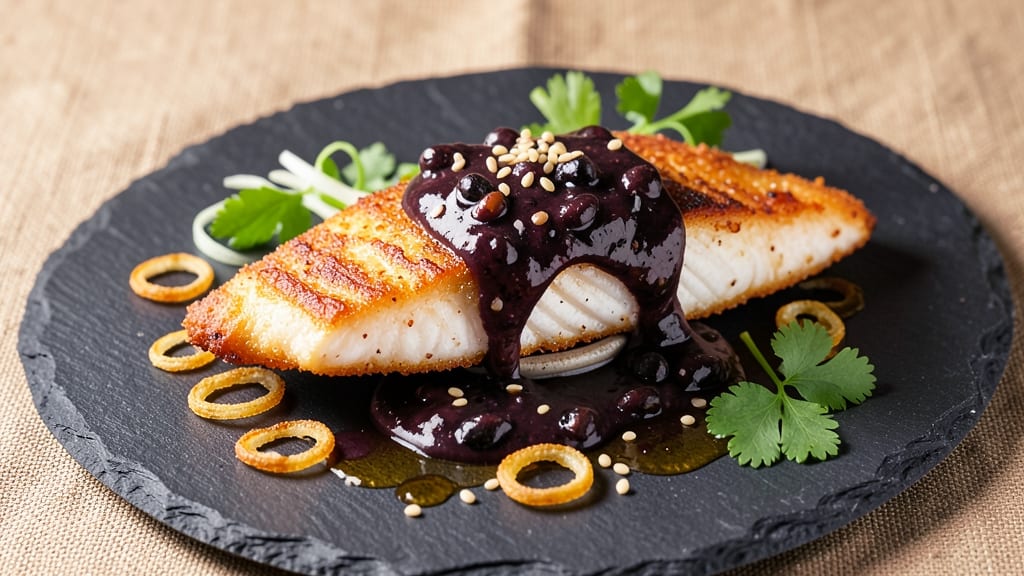
This fried fish with black bean sauce recipe delivers the perfect balance of crispy golden crust and rich, umami-packed sauce that elevates simple ingredients into a restaurant-worthy dish.
The secret lies in a light cornstarch batter that creates shatteringly crisp edges while keeping the fish tender inside, paired with a black bean sauce that simmers into a velvety, slightly sweet-savory glaze.
What sets this recipe apart is the sauce—thickened with black beans, garlic, and a touch of soy sauce, it develops deep, complex flavors as it reduces.
The frying technique ensures even cooking at 350°F, while the sauce's balance of sweetness from brown sugar and heat from chili flakes creates a perfect harmony. This dish transforms weeknight dinners into something special with minimal effort.
The result is fish that's crispy on the outside, juicy within, and swimming in a glossy black bean sauce that clings to every bite. The sauce's natural thickness means no thinning required, and the aromatics—garlic, ginger, and scallions—infuse every spoonful with layers of flavor.
Serve over steamed jasmine rice or with a simple green salad for a complete meal.
This recipe works with firm white fish like cod or tilapia, but also holds up beautifully with snapper or mahi-mahi. The sauce can be made ahead and reheated, making it ideal for meal prep. Let's get cooking—this dish is as impressive as it is delicious.
Ingredients for fried fish with black bean sauce
Simple ingredients transform into crispy, umami-rich fried fish with velvety black bean sauce.
| Ingredient | Amount | Notes |
|---|---|---|
| Firm White Fish Fillets 🐟 | 1 ½ lb | Cod, tilapia or snapper preferred |
| Cornstarch 🌾 | 1 cup | Light dusting for crispy coating |
| All-Purpose Flour 🌾 | ½ cup | For light batter consistency |
| Large Eggs 🥚 | 2 whole | Room temperature for even coating |
| Vegetable Oil 🫒 | 4 cups | For deep frying at 350°F |
| Canned Black Beans 🫘 | 1 can | 15 oz, drained and rinsed |
| Garlic Cloves 🧄 | 6 cloves | Minced for sauce foundation |
| Fresh Ginger 🌿 | 1 tbsp | Finely grated, fresh preferred |
| Scallions 🧅 | ¼ cup | Thinly sliced, white and green parts |
| Soy Sauce 🥢 | ¼ cup | Light or dark variety |
| Brown Sugar 🍯 | 2 tbsp | Packed for sweet depth |
| Chili Flakes 🌶️ | 1 tsp | Adjust for heat preference |
| Salt 🧂 | 1 ½ tsp | Kosher or sea salt |
| Black Pepper 🌶️ | ½ tsp | Freshly ground preferred |
| Lemon Wedges 🍋 | 2 whole | For serving, optional |
The fish selection matters most here. Cod or tilapia are ideal for their mild flavor and firm texture, but snapper or mahi-mahi work beautifully too. Look for fillets with even thickness—about 1-inch thick—for consistent frying. Whole Foods or Trader Joe's carry excellent pre-cut fillets, but the seafood counter at your grocery store often has better quality. If buying whole fish, ask for it to be filleted fresh. Freshness is key: the fish should smell clean and fresh, with no fishy odor. Pat fillets dry before coating for maximum crispiness.
Black beans are the sauce's secret weapon. Low-sodium canned beans from Bush's or Goya brands work perfectly—just drain and rinse thoroughly. No fresh ginger? Ground ginger at half the amount works in a pinch, but fresh is worth hunting down at an Asian market. The scallions add brightness, so don't skip them—if you're short on time, green onions work just as well. For the soy sauce, light soy adds more depth than dark, but either works. The brown sugar caramelizes beautifully during cooking, creating that perfect sweet-savory balance—don't substitute white sugar unless you want a less complex flavor. Chili flakes can be adjusted to taste, but start with the full amount for authentic heat.
The batter keeps best when made fresh, but you can prepare the sauce components up to 3 days ahead—just store separately and combine before serving. The sauce thickens as it cools, so reheat gently with a splash of water if it seems too stiff. For meal prep, fry the fish fresh and store the sauce separately—reheat the sauce and warm the fish in a skillet for 2-3 minutes to restore crispiness. The lemon wedges should be added just before serving to keep them vibrant. This dish reheats beautifully, making it perfect for leftovers—just warm through gently to maintain that crispy texture.
Why You'll Love This Recipe
- No-Fuss Crispy Bite: I swear by the cornstarch trick—dredge those fillets first in flour, then egg, then cornstarch for a crunch that doesn’t need babysitting. Five minutes of hands-on work, then it’s done. No flipping drama, no soggy corners.
- Sauce That Sticks: That black bean sauce? It’s the star. Rich, slightly sweet, with just enough umami to make your fish taste like it’s been simmering for hours. Slather it on after frying, and suddenly you’ve got restaurant-level flavor without the fuss.
- Lunchbox Hero: Here’s what sold me—this keeps perfectly for days. Pack the leftovers cold, and the sauce stays thick and clingy. My kids actually eat their fish now. (Yes, even on a Tuesday night.)
- Budget Crunch Saver: A pound of firm white fish costs less than takeout, and the sauce uses pantry staples. I make this when grocery money’s tight, and no one complains. Crispy, saucy, and filling—what’s not to love?
Step-by-step instructions for crispy fried fish with black bean sauce
Master the balance between perfect golden crust and rich umami sauce in these straightforward instructions.
Prepare the Fish for Frying
Pat the 1.5 lb firm white fish fillets completely dry with paper towels—this is critical for maximum crispiness. You want every surface bone dry, including the edges and any crevices. Place the fillets on a wire rack set over a baking sheet to ensure air circulates on all sides.
In a shallow bowl, whisk together the 0.5 cup all-purpose flour, 1.5 teaspoons salt, and 0.5 teaspoon black pepper. Lightly dredge each fillet in this seasoned flour, shaking off any excess. This creates a thin, even barrier that will help the cornstarch adhere perfectly. Set the floured fillets aside on a separate plate.
Create the Crispy Cornstarch Batter
In another shallow bowl, beat the 2 whole large eggs until just combined—no need to overmix. In a third bowl, combine the 1 cup cornstarch with 1 teaspoon chili flakes and 1 teaspoon salt. This triple-bowl setup keeps everything organized and prevents cross-contamination.
Dip each floured fillet into the beaten eggs, allowing any excess to drip off, then press gently into the cornstarch mixture. Coat both sides thoroughly, pressing firmly to ensure an even, clinging layer. The cornstarch will give you that signature crispy texture while the flour adds structure. Let the coated fillets rest for 5 minutes while you prepare the frying setup.
Fry to Golden Perfection
Pour the 4 cups vegetable oil into a deep skillet or Dutch oven and heat to 350°F using a candy or deep-fry thermometer. This temperature is crucial—too low and your fish will absorb oil; too high and it'll burn before cooking through. Test the oil by dropping in a small piece of cornstarch—it should sizzle and float.
Carefully add the coated fillets to the hot oil, working in batches if needed to avoid overcrowding. Fry for 3-4 minutes per side until they achieve a deep golden brown color. You'll see bubbles form around the edges and hear a satisfying sizzle. Remove with tongs and drain on a wire rack or paper towels. Keep the fried fish warm in a 200°F oven while you prepare the sauce.
Make the Black Bean Sauce
In a medium saucepan, combine the 1 can drained black beans, 6 cloves minced garlic, 1 tablespoon finely grated fresh ginger, 0.25 cup thinly sliced scallions, 0.25 cup soy sauce, 2 tablespoons packed brown sugar, and 1 teaspoon chili flakes. Add 1 cup water and bring to a gentle simmer over medium heat. Cook uncovered for 10-12 minutes, stirring occasionally, until the mixture thickens slightly.
Use an immersion blender to purée the sauce directly in the pan until smooth. If you prefer a chunkier texture, mash with a potato masher instead. Taste and adjust seasoning—add more soy sauce for saltiness or brown sugar for sweetness. Keep warm over low heat while you plate the fish.
Assemble and Serve
Spoon the warm black bean sauce over the crispy fried fish fillets, allowing it to pool attractively on the plate. Garnish with additional thinly sliced scallions and serve immediately with the 2 lemon wedges on the side. The contrast between the crispy exterior and tender fish, paired with the rich umami sauce, creates a perfect balance of textures and flavors.
For best results, serve with steamed jasmine rice or a simple green salad. The sauce will continue to thicken slightly as it sits, so don't wait too long before serving. Each bite should deliver that satisfying crunch followed by tender fish and complex bean sauce flavors.
Pro Tips For Making Fried Fish With Black Bean Sauce
- Dry the fillets thoroughly: Pat those fish fillets down with paper towels until they’re actually dry—no wet spots. I learned this the hard way when my first batch of fried fish came out soggy instead of crispy. The cornstarch won’t stick properly if moisture is lurking, and that’s when your black bean sauce gets drowned out.
- Use a 50-50 flour mix: Skip the all-purpose flour alone—mix it half-and-half with cornstarch for a crust that’s crispy and sturdy. I used to just dredge in flour, and the coating would flake off mid-fry. This combo locks in the crunch while keeping the fish tender.
- Fry in small batches: Crowd the pan, and your oil will drop in temperature faster than a hot frying pan can recover. Two or three fillets at a time is the max—any more, and you’re fighting grease splatter and uneven cooking. The black bean sauce deserves crispy fish, not sad, greasy lumps.
- Prep the sauce first: Simmer your black bean sauce while the fish fries—no waiting around. I used to fry the fish, then scramble to make the sauce, and by the time it was ready, the fish had gone cold. A hot, ready sauce means the first bite is the best bite, and that’s what matters.
Storing and reheating your fried fish with black bean sauce
Sauce Storage Secrets
The black bean sauce keeps beautifully in the refrigerator for up to 5 days when stored in an airtight container. I like using glass Pyrex containers because they prevent odors from seeping in.
The sauce thickens as it cools, so add 1-2 tablespoons of water when reheating to restore its silky texture. For longer storage, freeze portions in ice cube trays—just thaw and reheat gently before using. 🥫
Fish Freshness Tips
Fried fish loses crispiness when reheated, so I recommend frying fresh and serving immediately. However, if you must store it, place fried fillets on a wire rack in the fridge for up to 2 days to maintain some crunch.
Reheat in a skillet over medium heat for 1-2 minutes per side until warmed through. For best results, keep the sauce and fish separate until serving. 🍽️
Meal Prep Strategy
Prepare the sauce components 2 days ahead—store the drained beans, aromatics, and seasonings in separate ziplock bags in the fridge. When ready to cook, simply combine and simmer.
For the fish, pat dry and coat with batter just before frying—this ensures maximum crispiness. Assemble the dish right before eating to preserve that restaurant-quality texture. 📅
Freezer-Friendly Sauce
Freeze the fully cooked sauce in single-serving portions for up to 3 months. Thaw overnight in the fridge, then reheat on the stovetop with 1 tablespoon water to prevent scorching.
The sauce's flavors actually deepen after freezing, making it perfect for quick weeknight meals. Just pair with freshly fried fish for the best results. ❄️
Reviving Crispiness
If your reheated fish loses its crunch, give it a quick 30-second blast in the air fryer at 400°F to restore crispiness. For the sauce, a 30-second microwave zap on high with a splash of water works wonders. I find this technique saves leftovers without sacrificing flavor. 🔥
Portion Control
Divide the sauce into 4-ounce portions before storing to prevent overcooking. This also makes it easier to reheat exactly what you need. For the fish, store individual fillets in parchment-lined containers to prevent sticking. Reheat just one portion at a time for optimal texture. 🍴
Nutrition facts
Frequently asked questions
Can I substitute cornstarch with another flour for the batter?
Cornstarch creates that signature crispy texture, but you can use rice flour or potato starch as alternatives. For a lighter batter, mix ½ cup cornstarch with ½ cup all-purpose flour. Avoid heavy flours like whole wheat—they absorb too much oil and won't crisp properly. The key is keeping the batter light and dry for that perfect crunch!
How do I adjust the spice level in the black bean sauce?
The chili flakes add heat, but you can easily adjust it. For milder flavor, reduce to ½ teaspoon or skip entirely. For extra kick, add ½ teaspoon cayenne pepper or a diced jalapeño. Taste as you go—black beans naturally add depth, so you won't need much extra spice.
What's the best way to keep the fish from sticking to the pan?
Pat the fish bone dry before coating, and use a wire rack to let air circulate. A light dusting of cornstarch on the pan before frying also helps. Never overcrowd the pan—fry in batches if needed. The cornstarch batter should cling tightly to prevent sticking. If it does stick, gently slide a spatula underneath while the fish is still hot.
Can I make this recipe without fresh ginger?
Yes! Use ½ teaspoon ground ginger instead of fresh, but fresh is preferred for better flavor. If you can't find either, a pinch of cinnamon or allspice (¼ teaspoon) adds warmth. The sauce will still taste great, though the aroma won't be as vibrant. Fresh ginger makes a huge difference—worth hunting down at an Asian market!
How do I know when the fish is fully cooked?
The fish is done when it reaches an internal temperature of 145°F and flakes easily with a fork. For 3-4 minutes per side at 350°F, it should be golden brown and opaque throughout. If the edges brown too quickly, reduce heat slightly. Overcooking dries out the fish, so keep an eye on it!