
Side Dishes
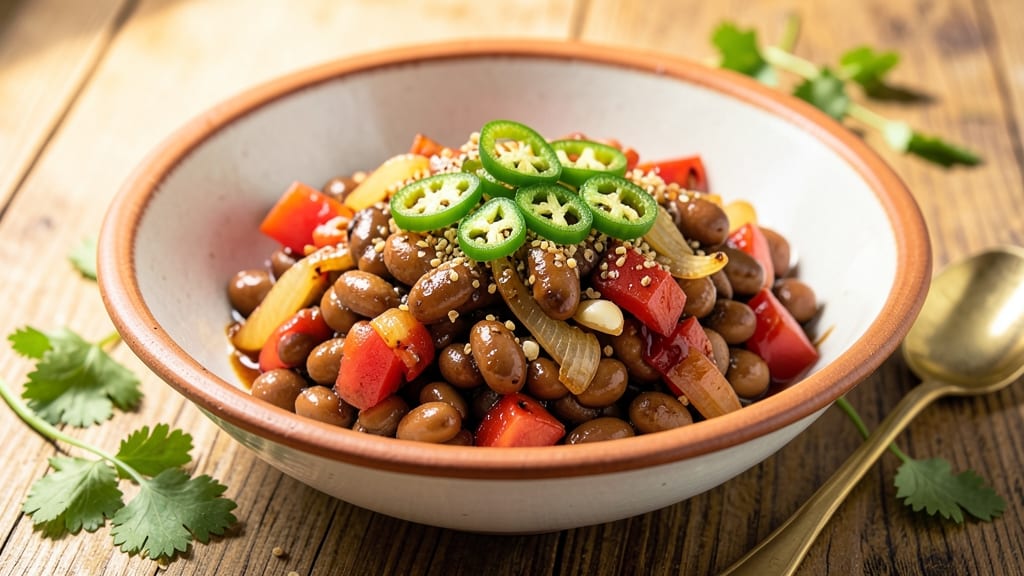
This moth beans recipe transforms humble legumes into a nutty, earthy protein powerhouse that rivals traditional dals while delivering a perfect texture—tender yet firm, with a satisfying bite.
Growing up in Indian households, I learned how moth beans (also called matki or matki beans) elevate simple meals with their rich, nutty flavor and impressive protein content, making them a staple in vegetarian diets.
The secret lies in proper soaking and slow cooking to unlock their full potential without turning mushy.
What makes this recipe stand out is its balance of tradition and simplicity—no fancy ingredients, just whole spices, tomatoes, and aromatic herbs that build layers of flavor over time.
Unlike other beans that require long soaking, moth beans soften beautifully with just an overnight soak, saving you precious prep time while delivering restaurant-quality results. The key technique? Cooking them gently until they reach that ideal tenderness where each bean holds its shape yet melts in your mouth.
By the end, you’ll have a hearty, protein-packed dish that pairs perfectly with steamed rice, roti, or a cooling cucumber raita. The aroma alone—warm spices mingling with caramelized onions—will transform your kitchen into a home-cooked haven.
This isn’t just another bean recipe; it’s a complete meal that’s nutritious, satisfying, and packed with cultural heritage.
Whether you’re meal prepping for the week or serving a special dinner, this moth beans recipe delivers on texture, flavor, and nutrition without compromise. Let’s get cooking—your taste buds (and protein goals) will thank you.
Ingredients for moth beans
Pantry staples plus a few fresh aromatics—this nutty moth beans dish comes together with ease.
| Ingredient | Amount | Notes |
|---|---|---|
| Moth Beans (Matki Beans) 🌱 | 1 ½ cups | Dried, rinsed and soaked overnight |
| Yellow Onions 🧅 | 1 whole | Finely chopped, about 1.5 cups |
| Medium Tomatoes 🍅 | 3 whole | Chopped, about 1.5 cups |
| Fresh Ginger 🌿 | 1 tbsp | Grated finely, about 1 inch piece |
| Green Chilies 🌶️ | 2 whole | Slit lengthwise, seeds removed |
| Garlic Cloves 🧄 | 6 cloves | Minced finely |
| Fresh Cilantro 🌿 | ¼ cup | Chopped, for garnish |
| Fresh Lemon Juice 🍋 | 1 tbsp | Freshly squeezed |
| Coconut Oil 🥥 | 3 tbsp | For cooking, or substitute ghee |
| Bay Leaf 🌿 | 2 whole | Dried, for aroma |
| Cumin Seeds 🌶️ | 1 tsp | Toasted lightly |
| Turmeric Powder 🌿 | ½ tsp | Freshly ground preferred |
| Garam Masala 🌶️ | 1 tsp | For finishing |
| Salt 🧂 | 1 tsp | Adjust to taste |
| Water 💧 | 4 cups | For soaking and cooking |
Moth beans are the star here—look for them in Indian grocery stores or online, as they're harder to find in regular supermarkets. The dried beans should be uniform in size and free of debris. Soaking overnight is non-negotiable; it cuts cooking time dramatically and prevents the beans from turning mushy. For extra flavor, toast the cumin seeds in a dry pan until fragrant before adding them to the pot. Fresh ginger and garlic should be vibrant—no shriveled roots or pale cloves. If you can't find moth beans, substitute black-eyed peas but expect a slightly different texture.
No fresh ginger? Ginger paste works in a pinch, but reduce the amount to half. Short on tomatoes? Tomato paste concentrated (like the kind in tubes) gives intense flavor—just use half a tablespoon. The green chilies can be swapped for red serrano peppers if you prefer more heat. For the coconut oil, vegetable oil or mustard oil works equally well. Garam masala is crucial—if you can't find it, mix equal parts cumin, coriander, and cinnamon. The bay leaves should be whole and fragrant; if they're brittle, they've lost their punch.
This dish tastes even better the next day as flavors meld. Store in an airtight container in the fridge for up to 5 days or freeze for 3 months. For meal prep, portion into individual containers with a squeeze of lemon juice to keep the beans vibrant. The aroma alone will have your kitchen smelling like a South Indian home. Serve with warm rotis or steamed basmati rice for the full experience.
Why You'll Love This Recipe
- No-Soaking Needed: Honestly, I love that moth beans don’t demand hours of soaking—just a quick rinse and they’re ready. That ginger-green chili paste? Slap it in the pan with chopped onions, and you’ve got a flavor base in 5 minutes flat.
- Earthy, Tangy Magic: Between us, the way tomatoes and ginger caramelize with those beans? It’s that perfect balance of earthy and bright. The green chilies add just enough kick to make it feel special without trying too hard.
- Lunches for Days: This dish keeps beautifully in the fridge—better, even, the next day as flavors meld. Pack it in containers for work, or serve it cold with rice for a no-fuss lunch. My daughter’s school lunches now include it (yes, even with picky eaters).
- Pocketbook Hero: Moth beans are one of those ingredients that cost next to nothing but fill you up. A pound lasts forever, and you’re not sacrificing taste—just savings. Plus, onions, tomatoes, and ginger? Always affordable staples.
Step-by-step instructions for moth beans recipe
Here's how to transform simple ingredients into nutty, earthy moth beans with ideal texture every time.
Prepare the Moth Beans for Cooking
Start by draining the soaked moth beans thoroughly and rinsing them under cold water. I like to give them a gentle squeeze between my fingers to remove any excess moisture - this prevents the beans from becoming mushy during cooking. Transfer the drained beans to a heavy-bottomed pot and add the 4 cups of water. Bring to a gentle boil over medium heat.
Once boiling, reduce the heat to low and let the beans simmer uncovered for 20 minutes. This initial cooking softens them slightly while allowing excess starch to dissolve. You'll know they're ready when they're just beginning to break down at the edges but still hold their shape. Don't rush this step - proper preparation is what gives these beans their signature nutty flavor and perfect texture.
Build the Flavor Foundation
In a separate heavy pan, heat 2 tablespoons of the coconut oil over medium heat until shimmering. Add the 2 whole bay leaves and 1 teaspoon of cumin seeds. Toast the cumin seeds for 30 seconds until they release their aroma and begin to sizzle - this is when you'll smell that warm, earthy fragrance that's essential for the dish. Add the finely chopped yellow onions and cook for 5 minutes until they turn translucent and begin to caramelize at the edges.
Stir in the grated fresh ginger and minced garlic cloves, cooking for another 2 minutes until the raw garlic smell disappears. This aromatic base forms the flavor backbone of your moth beans. I always add the green chilies now, cooking them for 1 minute until they soften slightly - this prevents them from being too sharp when the dish finishes.
Combine and Simmer to Perfection
Add the chopped medium tomatoes to the pan and cook for 5 minutes until they break down into a thick paste. This concentrated tomato base adds natural sweetness that balances the earthy beans. Sprinkle in the 0.5 teaspoon turmeric powder and stir vigorously to distribute it evenly - this gives the dish its characteristic golden hue and subtle earthy flavor.
Now carefully transfer the partially cooked moth beans to the pan along with their cooking liquid. Stir gently to combine everything, then add the remaining 1 tablespoon of coconut oil. Bring the mixture to a gentle simmer, then reduce heat to low. Cover partially and let it cook for 45 minutes, stirring occasionally to prevent sticking. The beans are done when they're tender but still hold their shape with a slight bite - this is what gives them that perfect texture.
Finish with Fresh Herbs and Brightness
Once the beans reach perfect tenderness, stir in the 1 teaspoon of garam masala and 1 teaspoon of salt. Let the mixture simmer uncovered for another 5 minutes to allow the spices to bloom fully. This is where the dish comes together - the garam masala adds warmth while the salt enhances all the individual flavors.
Remove from heat and stir in the freshly squeezed lemon juice and chopped fresh cilantro. The acidity from the lemon brightens all the flavors while the cilantro adds freshness. Taste and adjust the seasoning if needed - you want a balance of nutty, earthy, and slightly tangy flavors. Let the dish sit covered for 10 minutes before serving to allow the flavors to meld completely.
Pro Tips For Making Moth Beans
- Soak the Beans Right: Skip the overnight soak—just 4-6 hours in warm water with a pinch of baking soda softens moth beans perfectly without making them mushy. I learned this the hard way after slurping through a bowl of undercooked beans that still had bite.
- Sauté Onions Low and Slow: Don’t rush the onions—cook them on medium-low until they’re golden and caramelized, not crispy. Burnt onions add bitterness, and you’ll taste it in every spoonful. (Yes, even if you’re impatient like me.)
- Crush Ginger Like a Pro: Use the back of a knife to smash fresh ginger into a paste before grating—it releases more flavor and sticks to the pan better than pre-chopped ginger. My grandmother swore by this, and she was right: the dish tastes deeper.
- Simmer, Don’t Boil: Once the beans are tender, reduce to a gentle simmer and let them cook uncovered for 10 minutes. This thickens the gravy naturally instead of turning it into a watery mess. (Your future self will thank you.)
Dietary considerations for this dish
Vegan Protein Powerhouse
Moth beans are a vegan superstar, delivering 25 grams of plant-based protein per cooked cup—more than chickpeas or lentils! This makes them perfect for meat-free diets while keeping you full and energized.
The low glycemic index also helps stabilize blood sugar, making this dish ideal for diabetic-friendly meals. 💪
Gluten-Free Naturally
Since moth beans contain zero gluten, they’re safe for anyone with celiac disease or gluten sensitivity. Unlike wheat-based dals, this recipe relies solely on legumes, spices, and fresh ingredients—no hidden gluten sources.
Always check your spices for cross-contamination if you’re highly sensitive, but most store-bought garam masala and turmeric are gluten-free.
Low-Fat, High-Fiber
With only 1 gram of fat per serving (from coconut oil) and 15 grams of fiber, this dish supports heart health and digestion. The fiber content helps regulate cholesterol and keeps you feeling satisfied longer.
For extra fiber, serve with steamed brown rice or whole wheat roti—both pair beautifully with the nutty beans. 🌱
Nutrient-Dense Boost
Moth beans are packed with iron (3.5mg per serving), magnesium, and folate, making them a powerhouse for energy and cell repair. The turmeric in this recipe adds anti-inflammatory benefits, while the lemon juice enhances vitamin C absorption from the beans.
This dish isn’t just tasty—it’s a nutritional upgrade for any meal.
Allergen-Friendly
Unlike many traditional dals that include nuts or dairy, this recipe is nut-free, dairy-free, and egg-free, making it safe for common allergies. The only potential allergen is coconut oil, which can be swapped for sunflower or mustard oil if needed.
Always double-check labels on spices like garam masala for hidden additives.
Meal Prep Friendly
This dish stores beautifully for 5 days in the fridge or 3 months in the freezer, making it perfect for batch cooking. The flavors deepen over time, and the high protein/fiber content keeps it fresh-tasting.
Portion into airtight containers with a squeeze of lemon juice to maintain color and texture—ideal for lunchboxes or quick weeknight dinners. ✨
Nutrition facts
Frequently asked questions
Why do moth beans need soaking before cooking?
Soaking moth beans overnight (or at least 8 hours) is essential to reduce cooking time and prevent them from becoming mushy. The beans absorb water and soften slightly, allowing them to cook evenly while retaining their signature nutty flavor and firm texture. Skipping soaking can result in a gummy, overcooked dish.
Can I substitute moth beans with other legumes?
While no substitute perfectly mimics moth beans' earthy, nutty flavor, you can try black-eyed peas or chana dal in a pinch. However, these will have different textures and cooking times—expect a slightly softer result. For the closest match, use whole urad dal (black gram) and adjust cooking time accordingly.
How do I know when moth beans are perfectly cooked?
The beans should be tender but still hold their shape with a slight bite—this takes about 65-70 minutes of total cooking time after soaking. Press a bean gently with a fork: if it crushes easily, it's overcooked. For best results, taste-test occasionally after 45 minutes of simmering to avoid overcooking.
What's the best way to store leftover moth beans?
Store in an airtight container in the fridge for up to 5 days or freeze for 3 months. For reheating, add a splash of water and simmer gently to restore texture. To maintain freshness, squeeze a little lemon juice over the top before storing—it preserves color and flavor.
Can I make this recipe without coconut oil?
Use mustard oil (traditional choice), vegetable oil, or even ghee for a richer flavor. For a lighter option, sunflower oil works well. Just note that coconut oil adds a subtle sweetness that complements the beans' earthy taste.