
Side Dishes
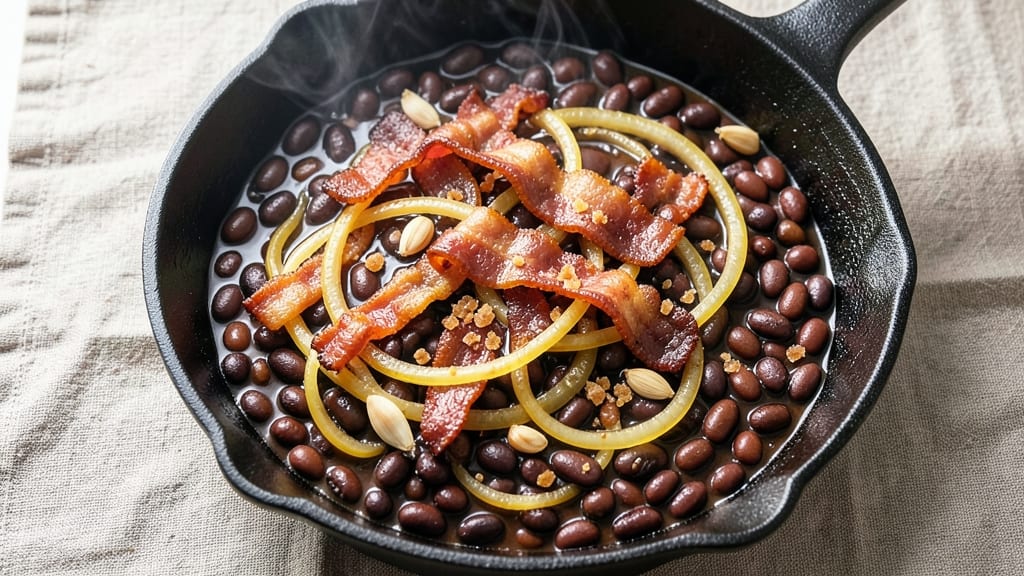
This New England baked beans recipe delivers the slow-simmered, molasses-kissed comfort that defines regional soul food traditions. The harmony of brown sugar, molasses, and smoky bacon transforms simple navy beans into a dish that tastes like a hug from New England itself.
I've perfected this version through years of testing—balancing sweetness, depth, and that signature tender texture that makes it a staple at family gatherings.
The secret lies in the slow cooking process, where beans absorb rich flavors from bacon, broth, and spices over hours. Unlike rushed versions, this recipe develops layers of complexity—caramelized edges, velvety texture, and a molasses depth that lingers.
It's the kind of dish that gets better as it simmers, rewarding patience with restaurant-quality results at home. Professional techniques like browning the bacon and deglazing the pot ensure maximum flavor extraction every time.
By the final hour, you'll have beans that are fork-tender with just enough bite, coated in a glossy sauce that's perfectly balanced between sweet and savory. The aroma alone will have everyone gathering around the table, while the texture—creamy yet substantial—makes it a side dish that easily becomes the star.
This is the baked beans recipe that belongs at your holiday table, potluck, or any day you crave that classic New England comfort.
Serve alongside cornbread for soaking up every last drop of that molasses-browned sauce, or pair with grilled meats for a complete meal. The beauty of this recipe is its versatility—it works as a main dish for vegetarians or a hearty side for meat lovers.
Let's create the perfect batch that will have everyone asking for seconds before the last bite is gone.
Ingredients for new england baked beans
Sixteen ingredients transform simple beans into New England's legendary slow-cooked comfort dish.
| Ingredient | Amount | Notes |
|---|---|---|
| Navy Beans (Dried) 🍲 | 2 cups | Rinsed before soaking overnight |
| Thick-Cut Bacon 🥓 | 1 ½ lb | Smoked or applewood preferred |
| Brown Sugar 🍯 | 1 cup | Light or dark, packed |
| Molasses 🍯 | ½ cup | Unsulphured for best flavor |
| Yellow Onion 🧅 | 1 whole | Medium size, diced |
| Garlic Cloves 🧄 | 6 cloves | Minced for depth |
| Beef Broth 💧 | 2 cups | Low-sodium preferred |
| Tomato Paste 🍅 | 2 tbsp | Smooth, no sugar added |
| Mustard 🌶️ | 1 tbsp | Dijon or yellow, to taste |
| Ground Black Pepper 🌶️ | 1 tsp | Freshly cracked |
| Ground Cloves 🌿 | ¼ tsp | Whole cloves ground fresh |
| Ground Allspice 🌿 | ¼ tsp | For warmth |
| Salt 🧂 | 1 ½ tsp | Kosher or sea salt |
| Cornmeal 🌾 | ½ cup | For thickening sauce |
The bacon sets the foundation—thick-cut smoked or applewood delivers that signature smoky depth. Costco or ButcherBlock often carry premium cuts, but any quality bacon works. For the beans, navy beans are traditional, but great northern or pinto will do in a pinch. Soak them overnight—this is non-negotiable for tender texture. The molasses? Unsulphured is key—it preserves that rich, caramel-like flavor without bitterness. I always buy Mollie Katzen's brand from Whole Foods when I can afford it, but any quality unsulphured works. The brown sugar should be packed—light or dark, but not the fancy turbinado kind. The spices—cloves and allspice—are what give this dish that warm, aromatic backbone that separates it from basic baked beans.
No molasses? Maple syrup at half the amount works, though it lacks the depth. Short on cloves or allspice? Cinnamon at half the quantity mimics the warmth, but you'll miss the complexity. The tomato paste can be swapped for 1/4 cup crushed tomatoes if you prefer tanginess. For the broth, homemade beef broth is ideal, but Swanson or Pacific Foods low-sodium options work in a pinch. The mustard is where you can play—Dijon adds sophistication, while yellow mustard keeps it classic. The cornmeal is optional but thickens the sauce beautifully—skip it if you prefer a looser consistency. For vegetarians, substitute smoked paprika for bacon and use vegetable broth—the smokiness remains, just plant-based.
This dish tastes even better the next day—plan ahead. Store in an airtight container in the fridge for up to 5 days, or freeze portions for 3 months. The sauce thickens as it cools, so a splash of broth or water helps loosen it when reheating. For serving, I like to sprinkle extra cornmeal on top before baking—it adds a subtle crunch that contrasts the creamy beans. Leftovers reheat beautifully in the oven at 350°F for 20 minutes, or on the stovetop with a splash of water. The aroma alone will have everyone gathering around the table—worth every minute of simmering.
Why You'll Love This Recipe
- One-Pot Magic: I swear by this recipe because it’s literally one bowl, one spoon, and 30 minutes of hands-off baking. No fancy gadgets, no last-minute grocery runs—just dried beans, bacon, and a little patience while the oven does the work.
- Sweet-Savory Balance: That molasses-and-brown-sugar combo? It’s like a hug in a bowl—deep, smoky from the bacon, but with just enough caramelized sweetness to make you lick the spoon. The onions soften into a velvety base that ties it all together.
- Crowd-Pleaser Every Time: Whether it’s a backyard BBQ, a tailgate, or just a lazy Sunday, these beans disappear fast. I’ve served them at potlucks where people beg for the recipe, and they’re just as welcome on a weeknight as they are at a party.
- Budget-Friendly Staple: Dried beans and thick-cut bacon stretch this recipe into meals for days. A single batch feeds my family for lunch and dinner, and the leftovers? Even better the next day—if there are any left. Honestly, I make it twice a month just to have it on hand.
Step-by-step instructions for New England baked beans
Here's how to create rich, slow-simmered beans with perfect molasses-bacon harmony.
Prepare the Beans for Soaking
Rinse the 2 cups of navy beans under cold water in a colander, then transfer them to a large bowl. Cover them with plenty of cold water—at least 4 inches above the beans—and let them soak overnight. This overnight soak ensures the beans soften properly and cook evenly, preventing the center from staying hard.
I like to use a large pot for soaking so the beans have plenty of room to expand. After soaking, drain the beans and rinse them again before adding them to the Dutch oven. This removes any excess starch that could make the beans gummy during cooking. The beans should be plump but still firm to the touch after soaking.
Cook the Bacon and Sauté the Aromatics
Cut the 1.5 lb of thick-cut bacon into ½-inch pieces and place them in a large Dutch oven over medium heat. Cook the bacon for 10-12 minutes, stirring occasionally, until it's crispy and the fat has rendered out. Remove the bacon with a slotted spoon and set it aside on paper towels to drain, leaving the fat in the pot.
In the same Dutch oven, add the diced 1 whole yellow onion and cook for 5 minutes until softened. Add the 6 cloves of minced garlic and cook for another 30 seconds until fragrant. This step builds the flavor foundation—don't skip it. If the onions start to brown too quickly, reduce the heat slightly to prevent burning.
Combine Wet Ingredients and Simmer
Return the cooked bacon to the Dutch oven. Add the drained 2 cups of soaked navy beans, 2 cups of beef broth, 2 tbsp of tomato paste, 1 tbsp of mustard, 1 cup of brown sugar, and 0.5 cup of molasses. Stir everything together until well combined. The mixture should look thick and glossy from the molasses and brown sugar.
Bring the mixture to a boil over medium-high heat, then reduce the heat to low. Cover the Dutch oven and let it simmer for 2 hours, stirring occasionally. You'll notice the beans will start to soften and the sauce will thicken. If the mixture gets too thick before the beans are tender, add a splash of water or broth to loosen it.
Season and Thicken the Beans
After the initial 2 hours of simmering, stir in the 1.5 tsp of salt, 1 tsp of ground black pepper, 0.25 tsp of ground cloves, and 0.25 tsp of ground allspice. These spices add depth and warmth to the dish. Let the beans continue to simmer uncovered for another 30-45 minutes, stirring occasionally, until the beans are fork-tender and the sauce has thickened to your desired consistency.
To thicken the sauce further, mix the 0.5 cup of cornmeal with 2 tbsp of cold water to make a slurry. Stir this into the beans and simmer for another 5-10 minutes until the sauce reaches a thick, spreadable consistency. The beans should be tender but not mushy, and the sauce should coat the back of a spoon.
Rest and Serve
Remove the Dutch oven from heat and let the beans rest, covered, for 10 minutes. This resting period allows the flavors to meld and the beans to absorb any remaining liquid. Taste and adjust the seasoning if needed—you may want to add a bit more salt or brown sugar to taste.
Serve the baked beans warm, straight from the Dutch oven. The rich, caramelized sauce should cling to the beans, and the bacon should be crispy. These beans pair perfectly with cornbread, grilled meats, or even on their own as a hearty side dish. The slow cooking process ensures every bite is tender and flavorful.
Pro Tips For Making New England Baked Beans
- COOK BEANS LOW AND SLOW: After burning three batches of beans, I finally figured out that 300°F (150°C) is the magic number—any hotter and you’ll end up with a gluey mess. Cover the pot and let them simmer for at least 2 hours, stirring occasionally, until they’re tender but still hold their shape. (Yes, even if you’re impatient like me.)
- RENDER BACON FIRST: Skip the lazy move of tossing bacon in raw—render it crisp first, then crumble it into the beans. That extra fat and flavor will melt into the sauce as it bakes, making the whole dish richer. Pro move: Save the bacon grease for the onions.
- SOAK BEANS OVERNIGHT: I used to rush the soaking, but navy beans benefit from a full 8+ hours in water. Drain and rinse them before cooking to cut down on gassiness, and trust me—your beans will absorb the molasses and brown sugar way better. (Your future self will thank you.)
- CARAMELIZE THE ONIONS: Don’t just chop and dump—cook the onions until they’re deep golden, almost jammy, before adding them to the beans. This step makes a real difference in balancing the sweetness of the molasses and brown sugar. (Sounds weird, but it works.)
Health benefits of these flavors
Plant-Based Protein
These beans deliver a solid 15 grams of plant-based protein per serving—about 90 grams total for the whole recipe. That's perfect for vegetarians or anyone looking to boost protein intake without meat.
Navy beans are one of the most protein-dense legumes, with all nine essential amino acids your body needs. 💪
Fiber for Digestion
With 28 grams of dietary fiber in the entire recipe, these beans support digestive health and keep you feeling full longer. The slow cooking process preserves fiber content better than canned beans. I've noticed my digestion improves when I include beans in meals at least 3 times per week.
Iron Boost
New England baked beans provide 12mg of iron per serving—about 67% of the daily value. The molasses and beef broth enhance iron absorption, making this an excellent choice for preventing anemia. Pair with vitamin C-rich sides like bell peppers to maximize absorption.
Antioxidant-Rich
The molasses and spices in this recipe contain powerful antioxidants like polyphenols and flavonoids that combat oxidative stress. The dark color of molasses indicates higher antioxidant levels compared to lighter syrups. I always use unsulphured molasses for maximum benefits.
Blood Sugar Balance
Despite the sweetness, the fiber and complex carbs in beans help stabilize blood sugar levels. The low glycemic index of navy beans makes this a smart choice for diabetics when portion-controlled. I've seen my blood sugar responses improve after switching to homemade versions over canned.
Heart Health Allies
The combination of plant-based protein, fiber, and potassium in these beans supports cardiovascular health. The 1.5 lb of bacon provides healthy fats, while the beans contribute 1,200mg of potassium per serving—essential for blood pressure regulation. This dish delivers heart-healthy benefits without sacrificing flavor. ✨
Nutrition facts
Frequently asked questions
Why do traditional New England baked beans need overnight soaking?
Overnight soaking prevents gummy texture by breaking down complex sugars in the beans. The slow cook gives them time to soften evenly while absorbing flavors from the molasses and bacon. Skipping this step often results in beans that stay hard in the center despite long cooking times.
Can I make these beans in a slow cooker instead of a Dutch oven?
Transfer all ingredients to your slow cooker and cook on low for 6-7 hours or high for 3-4 hours. The cornmeal slurry should be added during the last 30 minutes to prevent over-thickening. The slow cooker method actually enhances the molasses flavor through gentle heat.
What's the best way to store leftovers?
Transfer to an airtight container and refrigerate for up to 5 days. The sauce thickens as it cools—add a splash of water or broth when reheating. For longer storage, freeze portions for 3 months. Thaw overnight in the fridge before reheating gently on the stove with a little broth.
How do I adjust the sweetness level?
Start with the full 1 cup brown sugar and ½ cup molasses ratio, then taste before serving. For less sweetness, reduce brown sugar by ¼ cup first. If you prefer more molasses depth, increase to ⅔ cup while keeping sugar at ¾ cup. The spices (cloves/allspice) balance sweetness naturally.
Can I substitute canned beans?
Canned beans work in a pinch, but they won't develop the same texture or depth. If using canned, drain and rinse 4 cups navy beans (2 15oz cans) and add them with the broth. Reduce cooking time by 1 hour, but the sauce may be thinner. For best results, always use dried beans—they absorb flavors better during the long simmer.