
Soups & Stews
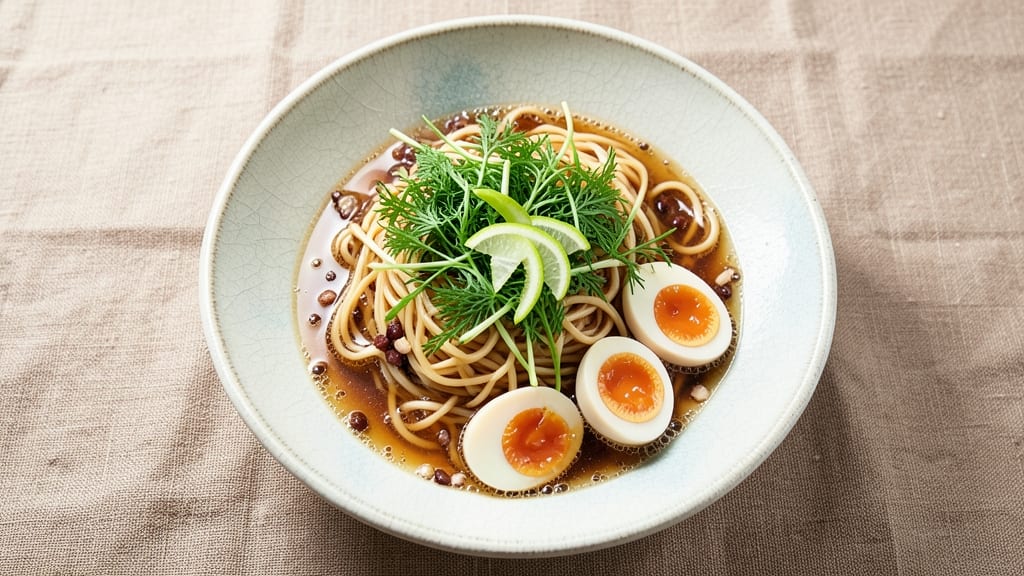
This quick ramen nagi bean sprout stir-fry delivers the perfect balance of crunchy texture and savory depth in under 30 minutes—ideal for a satisfying vegetarian meal. The secret lies in the nagi bean sprouts, which add a delightful snap that contrasts beautifully with the tender ramen and rich vegetable broth.
I developed this recipe after discovering how these slender sprouts transform a simple bowl into something restaurant-worthy.
The beauty of this dish is its simplicity: no complicated techniques, just fresh ingredients and precise timing. You'll start with a fragrant vegetable broth infused with garlic, ginger, and soy sauce, then stir-fry the nagi bean sprouts until they're just tender enough to bite through.
The key is cooking them quickly over high heat to preserve that signature crunch.
What you'll end up with is a steaming bowl of ramen where every spoonful delivers a satisfying mix of textures—silky noodles, tender sprouts, and a velvety broth that coats each bite.
Top it with marinated tofu (for chashu), soft-boiled eggs (ajitsuke tamago), and a sprinkle of nori for that authentic ramen experience without the meat.
Perfect for weeknight dinners or meal prep, this recipe scales effortlessly and keeps well in the fridge for up to 3 days. The nagi bean sprouts are the star here, bringing a fresh, crisp element that elevates the entire bowl. Let's get cooking!
Ingredients for ramen nagi bean sprout
Fresh nagi bean sprouts and silky ramen noodles transform this quick stir-fry into a restaurant-worthy vegetarian bowl.
| Ingredient | Amount | Notes |
|---|---|---|
| Nagi Bean Sprouts 🌱 | 4 cups | Fresh, slender sprouts preferred |
| Ramen Noodles 🍜 | 2 packages | Vegetarian variety, uncooked |
| Vegetable Broth 💧 | 4 cups | Low-sodium preferred |
| Garlic Cloves 🧄 | 4 cloves | Minced, fresh preferred |
| Fresh Ginger 🌿 | 1 tbsp | Grated, peeled |
| Soy Sauce 🍶 | 2 tbsp | Light or tamari |
| Sesame Oil 🫒 | 1 tbsp | Toasted, for finishing |
| Extra-Virgin Olive Oil 🫒 | 1 tbsp | For stir-frying |
| Firm Tofu 🧈 | 1 lb | Extra-firm, pressed |
| Large Eggs 🥚 | 4 whole | Soft-boiled for ajitsuke tamago |
| Nori Sheets 🍣 | 4 sheets | Dried, for garnish |
| Green Onions 🧅 | 3 whole | Thinly sliced, for garnish |
| Sesame Seeds 🌰 | 1 tsp | Toasted, for garnish |
| Salt 🧂 | ½ tsp | Kosher or sea salt |
| Black Pepper 🌶️ | ¼ tsp | Freshly ground |
The nagi bean sprouts are non-negotiable here—look for slender, vibrant sprouts at Asian markets or specialty grocery stores like H Mart or Whole Foods. They should be crisp and fresh, not wilted. If you can't find them, regular bean sprouts work in a pinch, but they won't have that same delicate crunch. For the ramen, vegetarian varieties from brands like Nissin or Maruchan are best—they hold up well to stir-frying. The tofu needs to be extra-firm and pressed to avoid sogginess, so wrap it in a towel and place a heavy pan on top for 15 minutes before cutting into cubes.
No sesame oil? Toasted peanut oil or neutral oil like vegetable oil works, but sesame adds that authentic ramen aroma. Short on fresh ginger? Ground ginger at half the amount is a decent swap, though fresh is ideal. The nori sheets should be crisp—if they feel soft, toast them in a dry pan for 10 seconds per side before tearing. For the eggs, soft-boiled for 6 minutes gives that perfect jammy yolk, but over-easy works too. The green onions can be subbed with chives if you're out, but the mild onion flavor is key here.
Store the nagi bean sprouts in an airtight container with a paper towel to absorb moisture—they'll keep for 4-5 days in the fridge. The cooked ramen and stir-fried sprouts reheat beautifully, but add a splash of water or broth to prevent drying out. The tofu and eggs can be prepped ahead and stored separately for up to 2 days. This dish is perfect for meal prep: assemble the bowls fresh, but keep the components separate until ready to eat.
Why You'll Love This Recipe
- No-Chop Needed: I swear by this trick—just toss the whole garlic cloves and ginger slices into the broth, then pull them out later. The bean sprouts barely need rinsing, and the ramen cooks in minutes. Honestly, it’s the kind of meal where you’re done before the water even boils.
- Umami Bomb: That first bite? The bean sprouts add this fresh, peppery crunch that cuts through the richness of the broth, while the garlic and ginger seep into the noodles like a warm hug. It’s the kind of flavor that makes you reach for seconds without even thinking—no heavy sauces or weird seasonings required.
- Lunchbox Hero: Between us, this is my go-to for packed lunches. The noodles stay tender when reheated (just add hot water), and the bean sprouts hold up surprisingly well. I’ll be real: my coworkers have started asking for the recipe after tasting mine—no sad, soggy salads here.
- Pantry Staple Power: You’re already using what’s in your cupboard. Vegetable broth, ramen, garlic, ginger—if you’ve got those, you’ve got this. And the best part? A single pot makes enough for two meals, so you’re not scrambling to cook again tomorrow. My wallet and my taste buds thank me every time.
Step-by-step instructions for ramen nagi bean sprouts stir-fry
Here's how to create a quick, crunchy ramen stir-fry using fresh nagi bean sprouts and simple pantry staples.
Prepare the Tofu and Marinate the Eggs
Begin by pressing the 1 pound firm tofu between two towels for 15 minutes to remove excess water. Cut it into 1-inch cubes and set aside. In a small bowl, whisk together the 4 whole large eggs with 0.25 teaspoon black pepper and 0.25 teaspoon salt. This creates the ajitsuke tamago marinade that will give your eggs that signature marbled look and flavor.
While the tofu presses, prepare the eggs by gently stirring them with a fork to combine evenly. The eggs should be at room temperature for best results, so let them sit for 5 minutes if they're straight from the refrigerator. This quick prep ensures your tofu stays firm and your eggs cook perfectly without scrambling.
Cook the Eggs and Sear the Tofu
Heat 1 tablespoon extra-virgin olive oil in a large skillet over medium heat. Pour in the marinated eggs and let them cook undisturbed for 30 seconds until the edges begin to set. Gently stir the eggs with a spatula, creating soft curds while keeping them moist. Remove the eggs from the pan and set aside, keeping them warm.
In the same skillet, add the pressed tofu cubes and cook over medium-high heat for 4-5 minutes until golden brown on all sides. You want the tofu to develop a crispy exterior while maintaining a tender interior. Season lightly with 0.25 teaspoon black pepper and 0.25 teaspoon salt during the last minute of cooking to enhance flavor without overpowering the dish.
Stir-Fry the Aromatics and Sprouts
Increase the heat to high and add the remaining 1 tablespoon extra-virgin olive oil to the skillet. Add the 4 cloves minced garlic and 1 tablespoon grated fresh ginger, cooking for 30 seconds until fragrant. Immediately add the 4 cups nagi bean sprouts and stir-fry for 2-3 minutes until they begin to wilt but still retain their bright green color and crisp texture.
Here's the thing—don't overcook the sprouts. They should stay vibrant and slightly crunchy. Add the 2 tablespoon soy sauce and stir for another 30 seconds. The high heat and quick cooking preserve the freshness while infusing the sprouts with umami flavor. Remove the sprouts from the skillet and set aside with the tofu and eggs.
Assemble the Ramen Bowls
Bring 4 cups vegetable broth to a boil in a separate pot. Add the 2 packages ramen noodles and cook according to package instructions until al dente. Drain the noodles, reserving 1 cup of the cooking broth. Divide the cooked noodles evenly among four bowls.
Return the skillet to medium heat and add the reserved 1 cup broth along with the 1 tablespoon sesame oil. Stir to combine, then pour this flavorful mixture over the noodles. Top each bowl with the tofu, eggs, and nagi bean sprouts. Garnish with thinly sliced green onions and sprinkle with 1 teaspoon toasted sesame seeds and additional 0.25 teaspoon black pepper.
Add Nori and Serve Immediately
Tear each of the 4 sheets nori into small pieces and place them on top of each bowl. The nori adds a delicate seaweed flavor and beautiful presentation. Serve the ramen immediately while the noodles are hot and the tofu and eggs are still warm.
This dish comes together in under 30 minutes, delivering a perfect balance of textures and flavors. The crisp nagi bean sprouts contrast beautifully with the tender tofu and silky eggs, while the nori and sesame seeds add depth. Each bite offers a satisfying combination of crunch, chew, and umami that makes this quick stir-fry a standout meal.
Pro Tips For Making Ramen Nagi Bean Sprout
- Blanch the Sprouts: DESCRIPTION:
- Sear the Garlic: DESCRIPTION:
- Salt the Noodles Last: DESCRIPTION:
- Upgrade the Broth: DESCRIPTION:
Common mistakes when making your ramen nagi bean sprout
Overcooking Sprouts
Nagi bean sprouts lose their signature crunch the second they turn mushy. I’ve seen beginners stir-fry them for 4-5 minutes instead of the ideal 2-3 minutes, turning them into a sad, limp pile.
Use a high heat setting and keep them moving constantly—they should just barely wilt while staying bright green and crisp. 🌱
Skipping the Press
Pressing the tofu is non-negotiable if you want that perfect texture. I’ve made this mistake—using unpressed tofu results in soggy cubes that turn your ramen into a mushy mess.
Wrap the 1-pound block in a clean towel, place a heavy pan on top, and let it sit for 15 minutes. This removes excess water and ensures your tofu stays firm during searing.
Overcrowding the Pan
Stuffing too much into your skillet is a recipe for disaster. I once tried cooking all the tofu and eggs at once, and the result? Greasy, unevenly cooked food. Work in batches—cook the eggs first, then the tofu, and finally the sprouts.
A 12-inch nonstick skillet is ideal for this recipe, giving you enough space to move ingredients freely.
Ignoring the Broth
The broth isn’t just for flavor—it’s the glue that holds your ramen together. I’ve seen people skip the step of reserving 1 cup of the noodle cooking liquid, then wonder why their finished dish tastes flat.
That reserved broth carries the umami from the noodles and enhances the overall depth. Stir it back into the skillet with sesame oil before pouring it over the noodles.
Underseasoning the Eggs
Plain soft-boiled eggs can taste bland in ramen. I used to just cook them without seasoning, and the result felt incomplete. Whisk in 0.25 teaspoon black pepper and 0.25 teaspoon salt with the eggs before cooking—they’ll absorb the flavors and add subtle seasoning that complements the rest of the bowl.
This small step makes a big difference in the final dish. 💡
Rushing the Assembly
Assembling ramen too quickly can lead to soggy toppings. I’ve seen people pour hot broth over cold toppings, causing the nagi bean sprouts to wilt instantly. Keep all components warm separately until the very last moment.
Cook the noodles, stir-fry the sprouts, and sear the tofu all within 5 minutes of each other, then assemble everything at once for maximum freshness.
Nutrition facts
Frequently asked questions
What makes nagi bean sprouts different from regular bean sprouts?
Nagi bean sprouts are slender, crisp, and slightly sweet with a delicate crunch, while regular bean sprouts are thicker and more fibrous. The nagi variety stays vibrant longer when stir-fried, adding a fresh contrast to ramen's hearty flavors. They're often sold at Asian markets in bags labeled "negishi" or "nagi."
Can I make this vegetarian ramen gluten-free?
Yes! Use gluten-free tamari instead of soy sauce and check your ramen noodles for gluten-free labels. Most vegetable broths are naturally gluten-free, but verify the label. The tofu and eggs are already gluten-free components.
How do I store leftovers without making the sprouts soggy?
Store components separately: noodles in broth, sprouts in a dry container, and toppings in airtight containers. Reheat noodles with fresh broth and add cold sprouts and toppings just before serving. Leftovers keep for 3 days in the fridge.
What's the best way to substitute nagi bean sprouts?
If unavailable, use mung bean sprouts or snow peas for a similar texture. Blanch snow peas for 30 seconds first to soften slightly. Regular bean sprouts work but won't have the same delicate crunch or sweetness.
Can I make this recipe in a slow cooker?
Not ideal for the nagi bean sprouts—they'll turn mushy. Instead, cook noodles separately and assemble bowls with pre-made stir-fried sprouts. The high-heat stir-fry is key to preserving their crisp texture and vibrant color.