
Main Courses
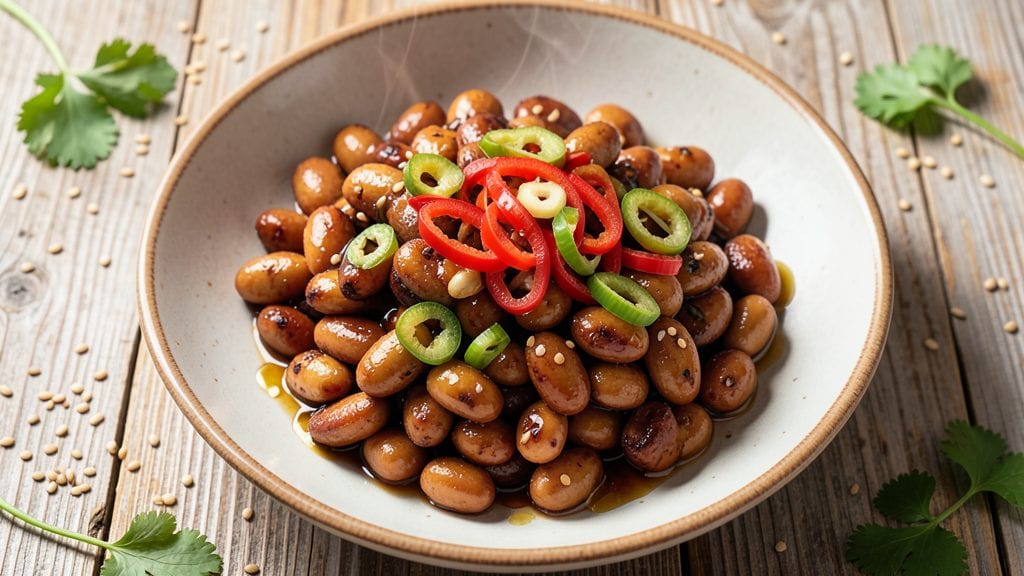
This soya bean recipe transforms humble soybeans into a crispy-tender stir-fry that balances texture and flavor perfectly. The secret lies in a precise marinade and high-heat searing that creates an irresistible contrast—crunchy edges with a velvety interior.
I developed this dish after years of refining techniques to achieve that signature restaurant-quality bite without requiring specialized equipment.
The foundation of this recipe is a simple yet effective marinade that tenderizes the soybeans while infusing them with umami depth. We'll use a combination of soy sauce, garlic, and ginger to create a flavor base that's both familiar and elevated.
The stir-fry technique ensures even cooking, preventing any part from becoming rubbery or overcooked. This method delivers professional results in under 30 minutes, making it ideal for weeknight dinners or meal prep.
What you'll end up with is a dish that's visually stunning and packed with satisfying textures—golden-brown soybeans that shatter slightly when bitten, surrounded by vibrant vegetables and a glossy sauce.
The aroma alone will draw everyone to the table, and the first bite delivers that perfect harmony of crispy, tender, and savory. This recipe works equally well as a main course or a protein-rich side dish, adapting seamlessly to any Asian-inspired menu.
The beauty of this approach is its versatility—swap in different vegetables based on what's fresh at your market, or adjust the spice level to suit your palate.
Whether you're serving this for a family dinner or bringing it to a potluck, the crispy-tender texture and rich flavors will leave a lasting impression. Let's get started with this foolproof technique that transforms simple soybeans into an unforgettable meal.
Ingredients for soya bean
Transform simple soybeans into crispy-tender bites with this Asian-inspired stir-fry technique.
| Ingredient | Amount | Notes |
|---|---|---|
| Dry Soya Beans 🌱 | 1 ½ cups | Unsoaked, organic preferred |
| Light Soy Sauce 🍶 | ⅓ cup | Kikkoman brand recommended |
| Sesame Oil 🫒 | 2 tbsp | Toasted, not refined |
| Garlic Cloves 🧄 | 6 cloves | Freshly minced, peeled |
| Fresh Ginger 🌿 | 1 tbsp | Finely grated, organic |
| Rice Vinegar 🍶 | 1 tbsp | Seasoned variety preferred |
| Maple Syrup 🍯 | 1 tbsp | Pure, grade B preferred |
| Vegetable Oil 🫒 | ½ cup | High smoke point |
| Carrots 🥕 | 2 medium | Julienned, organic preferred |
| Red Bell Pepper 🌶️ | 1 whole | Thinly sliced, seeds removed |
| Green Onions 🧅 | 4 whole | White and green parts separated |
| Sesame Seeds 🌰 | 1 tbsp | Toasted, for garnish |
| Diamond Crystal Kosher Salt 🧂 | 1 tsp | For seasoning |
| Ground Black Pepper 🌶️ | ½ tsp | Freshly ground |
The soybeans are the star, so source organic, non-GMO dry soybeans from specialty stores like Whole Foods or bulk sections at Trader Joe's—they hold their texture better during cooking. For the marinade, Kikkoman light soy sauce delivers that perfect umami balance without overpowering. Fresh ginger and garlic should be vibrant—no wrinkled or discolored roots. The sesame oil must be toasted (not refined) for authentic flavor. Prep the vegetables uniformly: julienne the carrots at 1/8-inch thickness and slice the bell pepper into even strips for consistent cooking. This attention to detail ensures professional results.
No sesame oil? Toasted peanut oil works in a pinch, though the flavor will differ slightly. Short on fresh ginger? Substitute 1/2 teaspoon ground ginger, but fresh is ideal for that bright zing. The maple syrup can be swapped for agave nectar if preferred. For extra crunch, add 1/4 cup crushed peanuts at the end. The recipe calls for medium carrots, but baby carrots (trimmed) or daikon radish (julienned) make excellent substitutes. Always toast your sesame seeds in a dry pan for 30 seconds before using—they'll release their aroma beautifully.
Store prepped vegetables in airtight containers with damp paper towels for up to 5 days in the fridge. The soybeans can be marinated overnight for deeper flavor, but use within 2 days for best texture. This dish reheats beautifully—cover with foil and warm in a 350°F oven for 10 minutes to maintain crispiness. For meal prep, portion into glass containers and store sauce separately to prevent sogginess. The leftovers keep for 4 days in the fridge or 3 months frozen—though they're best enjoyed fresh.
Why You'll Love This Recipe
- Here’s what sold me: pack these beans cold the next day, and they’re still hearty enough to satisfy. My kids actually ask for them in their lunches—no sad leftovers here, just a protein-packed side that travels well (and won’t get soggy).
- I’ll be real: dry soybeans are cheaper than most canned proteins, and they stretch further. A single bag lasts me weeks, and the flavor only gets richer if you reheat them—perfect for when you’re trying to stretch a budget without sacrificing taste. (Yes, even on a Tuesday night.)
Step-by-step instructions for crispy-tender Asian-inspired stir-fry
Master this technique to achieve perfectly textured soya beans with vibrant vegetables and balanced flavors.
Prepare and Parboil the Dry Soya Beans
Rinse the 1.5 cups dry soya beans thoroughly under cold water to remove any debris, then soak them in a bowl of water for 1 hour. This hydration step is crucial for even cooking and prevents the beans from splitting during stir-frying. After soaking, drain and transfer the beans to a fresh pot of cold water.
Bring the water to a gentle boil over medium-high heat and cook the beans for 10-12 minutes until they're tender but still firm to the bite. Overcooking will make them mushy—test by piercing one with a fork. Drain immediately and set aside, reserving ½ cup of the cooking liquid for later use. This liquid contains starch that will help create a glossy finish in your stir-fry.
Create the Flavor Base and Stir-Fry Vegetables
Heat 0.5 cup vegetable oil in a wok or large skillet over high heat until shimmering. Add the 2 medium julienned carrots and 1 whole thinly sliced red bell pepper (seeds removed), stirring constantly for 3-4 minutes until they begin to soften but remain bright and crisp. The high heat preserves their natural color and texture.
Push the vegetables to one side of the wok, then add 6 cloves freshly minced garlic cloves and 1 tbsp finely grated fresh ginger to the empty space. Stir-fry for 30 seconds until fragrant—this quick cooking prevents the aromatics from burning. Immediately add 0.33 cup light soy sauce, 1 tbsp rice vinegar, and 1 tbsp maple syrup, stirring to combine. Let the mixture simmer for 1 minute until slightly reduced.
Cook the Soya Beans to Crispy-Tender Perfection
Add the parboiled soya beans to the wok along with 2 tbsp toasted sesame oil. Stir-fry vigorously for 4-5 minutes over high heat, tossing constantly to ensure even contact with the hot surface. The beans should develop a golden-brown crust while remaining tender inside. If the mixture appears dry, add 2-3 tablespoons of the reserved bean cooking liquid to maintain moisture.
Season with 1 tsp diamond crystal kosher salt and 0.5 tsp freshly ground black pepper, tossing well to coat. The beans are done when they're firm to the bite with crisp edges—a balance that takes practice but is well worth the effort. Remove from heat immediately to preserve their texture.
Finish and Garnish for Restaurant-Quality Presentation
Return the wok to medium heat and add the white parts of 4 whole separated green onions, cooking for 30 seconds until softened. Stir in the green parts of the green onions and 1 tbsp toasted sesame seeds, reserving a few seeds for garnish. The contrast between the bright green onions and toasted sesame seeds adds visual appeal and texture.
Taste and adjust seasoning if needed—you may need a touch more soy sauce or vinegar to balance the sweetness from the maple syrup. Transfer the stir-fry to a serving platter immediately, garnishing with the reserved sesame seeds. Serve hot over steamed rice or noodles for an authentic Asian dining experience.
Pro Tips For Making Soya Bean
- SOAK THE BEANS LONGER: Dry soybeans need at least 8 hours of soaking—overnight if possible. I learned this the hard way when my beans stayed rock-hard; the longer they soak, the creamier they turn when cooked.
- STIR THE GINGER-GARLIC PASTE: After mincing garlic and ginger, toss them in a splash of light soy sauce for 5 minutes before adding oil. This stops them from burning and infuses the soybeans with deeper flavor right from the start.
- DON’T SKIP THE BOIL: Bring the soaked beans to a full rolling boil first, then simmer. Skipping the boil leaves some beans undercooked, and you’ll end up with a mix of textures—some mushy, some still firm.
- ADD SESAME OIL LAST: Toss it in at the very end, just before serving. Heat turns sesame oil bitter, and you want that nutty aroma to hit your nose fresh, not smoky. A teaspoon is enough—no need to drown it.
Dietary considerations for this recipe
Vegan-Friendly Foundation
This soya bean stir-fry is inherently vegan and gluten-free, making it perfect for plant-based diets or anyone avoiding gluten. The recipe relies entirely on whole-food ingredients—no animal products or wheat-based thickeners.
The soybeans provide complete protein (all 9 essential amino acids), while the marinade delivers umami depth without dairy or meat substitutes. 🌱
Allergen Considerations
For soy allergies, substitute the soybeans with chickpeas or black beans (parboil similarly). The recipe naturally avoids common allergens like dairy, eggs, and shellfish. Always check your sesame oil label—some brands process in shared facilities with nuts. I recommend Kirkland Signature sesame oil for allergen-free options.
Gluten-Free Adaptations
The original recipe uses light soy sauce, which contains gluten. For a gluten-free version, swap it for tamari or coconut aminos (use ⅓ cup + 1 tsp rice vinegar).
The flavor profile remains balanced, though tamari has a slightly richer taste. Test with San-J Tamari for authentic umami without gluten concerns.
Protein Boost Options
For extra protein, add ½ cup cooked quinoa or ½ cup edamame to the stir-fry. Both blend seamlessly into the dish while increasing nutritional value. Quinoa adds a nutty texture, while edamame complements the soybeans' earthiness. I like using 365 Organic Quinoa for convenience and quality. 💪
Nut-Free Swaps
If avoiding nuts, skip the sesame seeds or use toasted pumpkin seeds instead. The seeds add crunch and visual appeal without nut allergens. For extra texture, try crispy rice cereal (like Rice Krispies) toasted in a dry pan for 2 minutes—it mimics sesame’s crunch perfectly.
Meal Prep Safety
Store leftovers in airtight glass containers with parchment paper between layers to maintain crispiness. Reheat in a 350°F oven for 10 minutes (covered) to preserve texture. For freezer storage, portion into quart-sized bags with 1 inch headspace—they’ll keep for 3 months without freezer burn. 🧊
Nutrition facts
Frequently asked questions about soya bean recipes
Can I use dried soya beans directly without soaking?
No, soaking for 1 hour is essential to prevent splitting during cooking. Unsoked beans can become tough or crack open while stir-frying. For convenience, use canned edamame (drained and patted dry) as a quick substitute, though the texture will differ slightly.
How do I get the perfect crispy-tender texture?
The secret is high heat and constant tossing. Cook the beans over high heat for 4-5 minutes while stirring vigorously—this creates a golden crust while keeping the inside tender. Avoid overcrowding the pan, and add reserved cooking liquid only if needed to maintain moisture.
What vegetables pair best with soya beans in stir-fries?
Bright, crisp vegetables work best: julienned carrots, bell peppers, snap peas, and bok choy all complement the beans' texture. For extra flavor, add mushrooms or water chestnuts. The key is to cut them uniformly so they cook evenly during the 3-4 minute stir-fry phase.
Can I make this recipe without sesame oil?
Yes! Use toasted peanut oil or avocado oil instead. For authentic flavor, add 1 tsp toasted sesame seeds to the marinade. Avoid refined oils—they lack the nutty aroma that makes this dish special. The recipe will still taste delicious, just with a slightly different profile.
Why did my soya beans turn mushy?
Overcooking is the most common cause. Test beans with a fork after 10-12 minutes of boiling—they should be tender but still firm. For stir-frying, remove them immediately when they develop a golden crust. If using canned beans, drain and pat them very dry before cooking to prevent excess moisture.