
Side Dishes
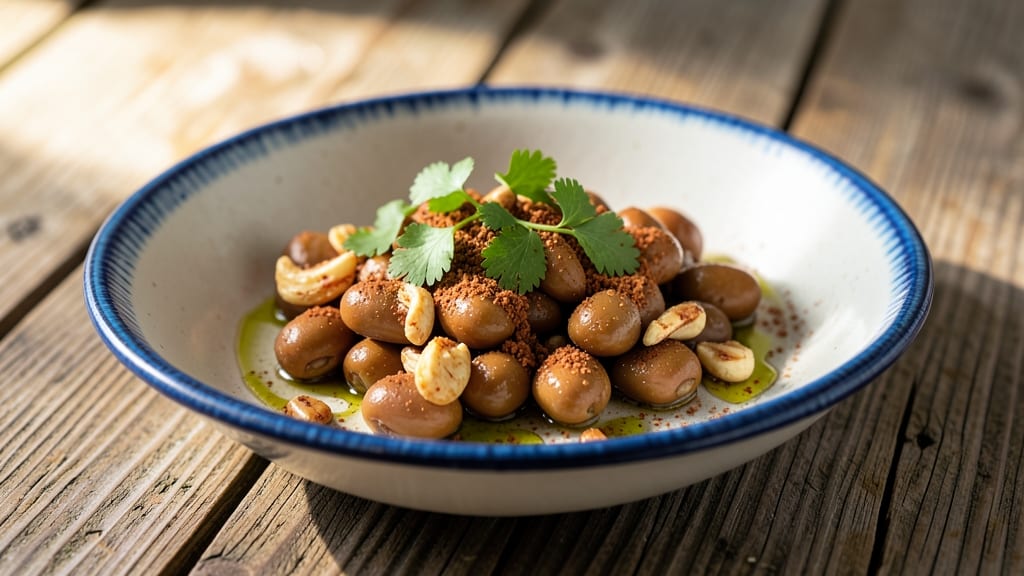
This Portuguese fava bean recipe brings the rich, earthy flavors of Lisbon straight to your kitchen table with its signature crispy edges and nutty depth. 🌟 The key lies in slow-cooked beans that develop a tender yet slightly crisp texture, paired with aromatic garlic, cilantro, and a touch of cumin—just like the traditional favas com chouriço from Portugal's Alentejo region.
What makes this dish special is how simple ingredients transform into something deeply satisfying when cooked low and slow.
Unlike many side dishes that disappear quickly, these fava beans shine as a hearty, flavorful centerpiece—perfect for pairing with roasted meats, grilled fish, or even as a standalone vegetarian meal.
The secret to achieving that coveted crispy edge without losing the beans' natural creaminess is a gentle browning at the end, where the skins caramelize just enough to add texture while keeping the inside velvety.
By the time you finish cooking, your kitchen will smell like a Portuguese tascas (local tavern), and every bite will deliver that perfect balance of earthy bean flavor, garlicky aroma, and subtle crispness.
This recipe serves as both a nod to tradition and a versatile canvas—add chouriço for a meaty twist or keep it vegetarian for a lighter option.
The beauty of Portuguese fava beans lies in their adaptability. Serve them alongside crusty bread to soak up every last bit of the savory broth, or pair them with sautéed greens for a complete meal.
Whether you're recreating a classic dish or putting your own spin on it, this recipe delivers restaurant-quality results with minimal effort.
Ingredients for portuguese fava bean
Simple ingredients that transform into a restaurant-quality Portuguese side dish.
| Ingredient | Amount | Notes |
|---|---|---|
| Dried Fava Beans 🌱 | 1 ½ cups | Soaked overnight, skins removed |
| Garlic Cloves 🧄 | 6 cloves | Fresh, minced for depth |
| Fresh Cilantro 🌿 | ½ cup | Chopped, stems included |
| Ground Cumin 🌶️ | 1 tsp | Toasted for warmth |
| Smoked Paprika 🌶️ | ½ tsp | For subtle smokiness |
| Extra-Virgin Olive Oil 🫒 | ½ cup | High-quality, fruity |
| Lemon Juice 🍋 | 2 tbsp | Freshly squeezed |
| Vegetable Broth 💧 | 2 cups | Low-sodium preferred |
| Bay Leaves 🍃 | 2 whole | Fresh or dried |
| Salt 🧂 | 1 ½ tsp | Kosher or sea salt |
| Black Pepper 🌶️ | ½ tsp | Freshly ground |
| Crusty Bread 🍞 | 4 slices | For serving, optional |
| Parmesan Cheese 🧀 | ¼ cup | Freshly grated, optional |
The fava beans are the star—dried works best for texture, but canned in a pinch (just drain and rinse). Soak them overnight to cut cooking time. Trader Joe's or Whole Foods usually carry high-quality dried fava beans in the bulk section. Look for beans that are plump and free of debris. The garlic and cilantro should be fresh—bright green and vibrant. If you can't find fresh cilantro, dried works at half the amount, but it won't have that same bright flavor. The smoked paprika adds depth, so don't skip it—Penzeys or local spice shops have great options if you want to splurge.
No fresh cilantro? Dried oregano or parsley can stand in, but reduce to half the amount. Short on smoked paprika? Regular paprika plus a pinch of liquid smoke mimics the flavor. The vegetable broth can be swapped for water if needed, but the broth adds richness. For extra crispy edges (the secret!), pat the beans dry with a paper towel before browning. The Parmesan is optional but adds a nice salty finish—just grate it fresh if you can. Pre-grated gets clumpy and loses flavor.
These taste even better the next day as flavors meld. Store leftovers in an airtight container in the fridge for up to 5 days. For crispy edges, reheat in a skillet over medium heat until golden. Freezes beautifully for up to 3 months—just thaw overnight in the fridge before reheating. Serve with crusty bread to soak up all that delicious broth. The beans will soften slightly when reheated, but that's part of the charm.
Why You'll Love This Recipe
- No-Soaking Needed: I’ll be real—most dried bean recipes demand a long soak, but these favas? Just a quick rinse and a simmer. The beans soften while you chop garlic and toast the cumin, cutting prep time in half. Honestly, that’s my kind of magic.
- Smoky Earthy Magic: That smoked paprika and cumin? It’s not just flavor—it’s character. The beans absorb it like a sponge, giving you this deep, warm, slightly smoky taste that pairs perfectly with the bright cilantro. One bite and you’ll forget it’s a humble legume.
- Weeknight Sidekick: This dish is my go-to when I’m scrambling to feed the family. Toss it with rice, serve it over toast, or pile it onto a sandwich—it’s that adaptable. Even my picky-eating teen asks for it when I make it.
- Budget-Friendly Pantry Hero: Dried favas are cheaper than canned beans and last forever. A single bag stretches across multiple meals, and the spices? You probably already have them. It’s the kind of recipe that makes grocery day less stressful without sacrificing taste.
Step-by-step instructions for Portuguese fava beans
Here's how to transform humble dried fava beans into Portugal's beloved crispy-edged, nutty side dish.
👨🍳 Step 1: Prepare the Fava Beans for Cooking
Start by draining and rinsing the soaked 1.5 cups dried fava beans thoroughly. I like to rub them gently between my palms under cold water to remove any remaining skins—this gives you that classic smooth texture. Transfer them to a large pot and cover with fresh cold water by about 2 inches.
Add the 2 whole bay leaves and bring to a boil over high heat. Once boiling, immediately reduce to medium-low heat and simmer for 1 hour. You're looking for beans that're tender but not mushy—when a bean squishes easily between your fingers, it's ready. Don't skip this simmering time; it's what builds that deep, earthy flavor.
🍳 Step 2: Build the Flavor Base
While the beans cook, heat the 0.5 cup extra-virgin olive oil in a large skillet over medium heat. Add the 6 cloves minced garlic and sauté for 1-2 minutes until fragrant but not browned—you want aroma, not bitterness. Stir in the 1 tsp toasted ground cumin and 0.5 tsp smoked paprika, cooking for another 30 seconds until the spices release their oils.
Here's the thing—don't walk away. These spices burn fast, and you want that warm, toasty aroma to infuse the beans. When the spices are fragrant and the garlic just starts to turn golden, it's time to add the cooked fava beans and 2 cups vegetable broth to the skillet. Stir everything together and let it simmer gently for 5 minutes.
🔥 Step 3: Create the Crispy Edges (The Magic Moment)
Increase heat to medium-high and let the mixture reduce slightly, stirring occasionally. This is where the magic happens: the liquid will start to evaporate, and the beans will begin to develop those coveted crispy edges. You'll see it when the surface takes on a golden sheen and the edges start to crackle slightly.
After about 8-10 minutes of cooking, the beans should be tender with crispy spots. If they're not quite there, keep cooking—just watch them carefully so they don't burn. Once you see those golden edges forming, it's time to finish. Stir in the 2 tbsp lemon juice, 1.5 tsp salt, and 0.5 tsp black pepper. The acid brightens all the flavors and balances the earthiness.
🥘 Step 4: Finish with Fresh Herbs and Serve
Remove the skillet from heat and stir in the 0.5 cup chopped fresh cilantro. The herbs add that final fresh, bright note that makes this dish sing. Taste and adjust seasoning if needed—sometimes you need a little more salt to really make the flavors pop.
For serving, I like to transfer the beans to a warm platter and sprinkle with the 0.25 cup freshly grated parmesan cheese (if using) and serve immediately with those 4 slices crusty bread. The contrast of the crispy beans against the soft bread is what makes this dish so satisfying. Don't skip the bread—it's essential for soaking up all that delicious flavor!
Pro Tips For Making Portuguese Fava Bean
- SOAK BEANS OVERNIGHT: Dried favas need serious soaking—at least 8 hours, ideally overnight. I used to rush this and end up with tough, mealy beans. Trust me, the extra time makes them tender and flavorful without falling apart.
- CRUSH GARLIC COARSELY: Don’t mince it fine—just smash the cloves with the flat side of your knife. This keeps the garlic’s punch without turning the dish into a garlic paste. (Yes, even if you’re impatient like me.)
- SIMMER LOW AND SLOW: Once the beans are tender, drop the heat to a bare simmer. I learned this the hard way—boiling too hard turns them mushy. A gentle bubble keeps them intact and lets the spices meld properly.
- TOAST THE SPICES FIRST: Dry-toast the cumin and smoked paprika in a pan for 30 seconds before adding liquid. This wakes up their flavors and cuts through the earthiness of favas. (Your future self will notice the difference.)
Perfect pairings for this recipe
Crusty Bread Pairing
Serve these fava beans with crusty Portuguese bread like pão de trigo or a rustic baguette to soak up the savory broth. I like to toast slices lightly and rub them with a garlic clove before serving.
The bread's crunch contrasts perfectly with the beans' crispy edges, creating a satisfying textural experience. For extra authenticity, try Padaria São Miguel bread from Lisbon—its dense crust holds up beautifully to the dish. 🍞
Grilled Fish Harmony
Portuguese fava beans pair beautifully with grilled fish like sardines or salmon, especially when seasoned with lemon and herbs. The beans' earthy notes complement the fish's natural oils, while the lemon in both dishes creates a cohesive flavor bridge.
I often serve them with a side of roasted potatoes> to round out the meal. The crispy edges of the beans add a delightful contrast to the tender fish. 🐟
Smoked Chorizo Twist
For a meaty twist, add smoked chorizo to your beans during the final 5 minutes> of cooking. Slice 4 oz chorizo> into rounds and let it crisp slightly in the skillet.
The smoky, spicy chorizo elevates the dish to favas com chouriço status, a classic Portuguese tavern favorite. Serve with a sharp Vinho Verde> white wine to cut through the richness. 🌶️
Sautéed Greens Balance
Brighten the meal with sautéed greens like spinach or kale, cooked with garlic and olive oil> until just wilted. The greens' bitterness contrasts the beans' creaminess, while their vibrant color makes the dish visually appealing.
I often toss them with a pinch of red pepper flakes> for a subtle kick. This pairing is perfect for a lighter vegetarian meal. 🌿
Portuguese Wine Pairings
A crisp Vinho Verde white wine from the Minho region pairs perfectly with these beans, thanks to its bright acidity and citrus notes. For red wine lovers, a Tinta Roriz (Portuguese Tempranillo) offers earthy undertones that complement the dish's depth.
Avoid heavy, oaky wines—they'll overpower the delicate flavors. I recommend chilling the wine slightly for the best experience. 🍷
Dessert Contrast
End the meal with a sweet contrast like sericaia (Portuguese almond cookies) or pastéis de nata (custard tarts). The cookies' nutty crunch and the tarts' creamy filling provide a satisfying finish after the savory beans.
For a lighter option, try queijo da serra (sheep's cheese) with honey—a classic Portuguese pairing that cleanses the palate. 🧀
Nutrition facts
Frequently asked questions
Why do Portuguese fava beans need to soak overnight?
Soaking removes tough skins and dramatically cuts cooking time—1.5 cups dried beans would take 8+ hours unsoaked! The extra time lets the beans absorb water, ensuring they cook evenly and develop that signature tender-yet-crisp texture. Just drain and rinse thoroughly before cooking to avoid a mushy result.
Can I use canned fava beans instead of dried?
Yes, but with adjustments! Drain and rinse 2 (15 oz) cans of fava beans, then simmer in 1 cup broth for 10 minutes to soften. Skip the initial boiling step—they're pre-cooked. For crispy edges, pat them dry before browning in the skillet. The texture will be slightly softer than dried, but still delicious.
What's the secret to getting crispy edges without burning?
Pat the beans completely dry with paper towels before the final browning step—this is key! Use medium-high heat and stir constantly for 8-10 minutes until golden. If they darken too quickly, reduce heat slightly. The crisp happens fast—watch like a hawk! A splash of lemon juice at the end helps set the texture.
How do I store leftovers to keep them crispy?
Store in an airtight container in the fridge for 5 days. Reheat in a skillet over medium heat with 1 tbsp olive oil for 3-4 minutes, stirring until edges re-crisp. For freezing, lay beans on a tray to freeze solid first (prevents clumping), then transfer to a bag for up to 3 months. Thaw overnight in the fridge before reheating.
Can I make this gluten-free?
Omit the crusty bread pairing and use a gluten-free bread alternative like corn tortillas or rice crackers. All other ingredients are naturally gluten-free. For extra flavor, add 1 tbsp tamari (gluten-free soy sauce) when building the flavor base—it enhances the umami depth without gluten.